How to Grow Chrysanthemum Seeds
Printed from www.theseedcollection.com.au
Grow Guide #2384
Family: Asteraceae
Binomial name: Chrysanthemum sp.
Life Cycle: Annual or Perennial
This 'How to Grow' guide details everything a home gardener needs to know to plant, grow and care for Chrysanthemum (Chrysanthemum sp.).
Some plants are known as chrysanthemums but are different species botanically. This guide is still relevant as these plants are grown in the same way as chrysanthemums. Feverfew (Tanecetum sp.), Leucanthemum sp. and Ismelia sp. are examples of other species that are grown in a similar way to chrysanthemums.
The growth habit of chrysanthemums (Chrysanthemum sp.) is very dependent on how they are grown. Plants will naturally grow into a rounded bush with numerous small flowers. If pruned selectively, however, they will bear only a few large, showy flowers, called 'disbuds'. The disbud method of growing chrysanthemums is a specialist technique used by the cut flower industry and gardeners aiming to exhibit their blooms.
When to Sow Chrysanthemum Seeds
Chrysanthemum can be warm-season annuals or perennials that grow year-round in most climates. Use the table below to identify the best time of year to sow chrysanthemum seeds in your climate.
| JAN | FEB | MAR | APR | MAY | JUN | JUL | AUG | SEP | OCT | NOV | DEC | |
|---|---|---|---|---|---|---|---|---|---|---|---|---|
| Cool | ||||||||||||
| Temperate | ||||||||||||
| Sub-Tropical | ||||||||||||
| Tropical | ||||||||||||
| Arid |

.png)



Preparation
Some chrysanthemum plants are perennial, meaning they live for several years. If you are growing a perennial variety, choose a permanent position where plants can grow undisturbed by regular digging or disturbance.
Chrysanthemum plants are best grown in full sun or part shade. Choose a location that will receive at least 3 hours of full sun each day.
Chrysanthemum plants need a well drained soil enriched with plenty of organic matter. Prepare soil by weeding it thoroughly, digging it over to loosen it and adding aged animal manure or compost. Keep the area free of weeds until planting. Learn more about preparing soil for planting here.
Chrysanthemum plants can be grown in containers. If possible choose a variety that’s recommended for container growing. Use a good quality potting mix and make sure your container is large enough for mature plants; a minimum of 10 litres is recommended for chrysanthemum. During the growing season, keep in mind that container grown plants may need additional fertiliser to encourage healthy growth.
How to Sow Chrysanthemum Seeds
Chrysanthemum seeds do not require any treatment (eg soaking, stratification) before sowing.
Chrysanthemum seeds can be sown directly into the garden OR seedlings can be raised in trays or other containers and transplanted to the garden once established.
Sow Direct
- Sow seeds directly in the garden 1mm deep and 20-40cm apart.
- Keep soil moist but never wet or dry.
- Seeds should germinate in around 10-14 days at a soil temperature of 20-22°C.
- Young seedlings will need protection from pests, pets and weather until they are established.
Raise Seedlings
- Fill trays, punnets or jiffy pots with a good quality seed-raising mix, or use soil starter pellets.
- Sow seeds 1mm deep.
- Keep soil moist but never wet or dry.
- Seeds should germinate in around 10-14 days at a soil temperature of 20-22°C.
- Transplant seedlings to the garden once they have their first true leaves and are large enough to handle (usually 5-10cm tall).
- Plant out, spacing plants 20-40cm apart.
Tip: Chrysanthemum seeds can also be sown in the less formal ‘scatter seed’ method. Simply roughen the soil, scatter seeds evenly over the surface, then smooth the soil over lightly to cover the seeds.
Optional: In cool climates chrysanthemum seeds can be sown indoors 6 weeks before the last expected frost. Grow them in a warm position with plenty of natural light.
How to Grow Chrysanthemum
Chrysanthemum plants may need watering during the growing season. Water when the soil is dry about 5cm below the surface (test this by scratching away a little soil with your finger). Water deeply in the early morning or late afternoon. Avoid watering the leaves of plants to avoid fungal diseases. Learn more about watering here.
If soil was well prepared no extra fertiliser should be necessary. In poor soil or to give your plants an extra boost, application of a high-potassium fertiliser or one formulated for flowering plants can be beneficial:
- Apply slow release fertiliser at the recommended rate when transplanting or when seedlings are 5-10cm tall.
- Apply liquid fertiliser at the recommended rate and frequency while plants are fruiting or flowering.
Optional: To give plants room to grow, thin seedlings when they are large enough to handle. Pull out any weak or small seedlings so plants are spaced about 20-40cm apart.
To promoted bushy growth and increase the number of flowers, tip prune young plants to encourage branching. Using your fingertips, pinch off the outermost set of leaves on each branch.
Chrysanthemum plants should flower in approximately 80-100 days.
Deadhead chrysanthemum flowers regularly during the growing season. Using sharp secateurs or snips cut fading or dead flowers off just above a set of leaves. Removing old flowers regularly will encourage plants to produce more flowers. Learn more about deadheading flowering plants here.
If growing chrysanthemum for cut flowers, use sharp snips or secateurs to cut the longest stems possible, removing the lower leaves and placing the stems immediately in a clean bucket of water. Learn more about cutting and conditioning homegrown flowers here.
Perennial varieties only - When plants have finished flowering prune them back to neaten them and encourage strong new growth. Using sharp secateurs or snips, cut individual stems just above a set of lower leaves.
Common Problems when Growing Chrysanthemum
Like all plants, chrysanthemum is susceptible to some pests, diseases and other problems. Below is a list of the most common problems gardeners encounter when growing chrysanthemum plants:
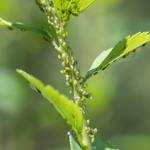 Aphids are small (2-4mm long) sap-sucking insects that congregate on the new shoots or the undersides of leaves. They can cause leaves to wilt or become discoloured, and also excrete honeydew which can attract ants and other insect pests. To manage aphids, remove them by spraying with a garden hose, apply a soap or alcohol spray, or encourage predatory insects to your garden. Read more about aphids here.
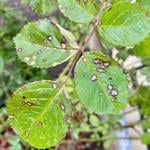 Bacterial leaf spot is a disease that causes irregularly shaped brown spots on all above-ground parts of a plant. The spots at first appear to be wet but become dry and scab-like over time. Leaves and flowers can fall prematurely. Water plants at soil level (not on the leaves), dispose of fallen leaves and fruit and practice crop rotation.
 Grey mould (Botrytis sp.) is a fungal disease that causes flowers to become mouldy and fruit to rot. Spores are transported by wind and can survive in soil or on green waste. The fungus spreads most in cool, damp weather. Prune off affected flowers and fruit, water plants at soil level (not on leaves) and if necessary spray with an appropriate fungicide or homemade spray.
 Fusarium wilt and verticillium wilt are diseases caused by soil-borne fungi. The fungi enter a plants’ roots and prevent water and nutrients from moving through plants. Leaves and branches will wilt, dry off and die and leaves may yellow. There is no cure for wilt but choosing resistant varieties, disposing of affected plants and soil, practicing good garden hygiene and crop rotation will all help to prevent it spreading.
 Rust (Puccinia sp.) is a fungal disease that causes brown to orange raised spots or patches to appear on foliage. Fungal spores are spread by wind or water to neighbouring plants, especially in temperatures of 10-20C and when humidity is high. To manage rust, space plants to avoid overcrowding, grow them in the recommended amount of light (eg full sun), do not over fertilise crops, remove dead plants and practice crop rotation. Read more about rust fungus here.
.jpg) Powdery mildew is caused by fungal spores reproducing on the leaves of plants. First showing as white spots on leaves, affected areas can spread quickly to cover the entire leaf surface. While rarely fatal, powdery mildew can reduce yields. Water plants at soil level (not on leaves) to prevent spreading spores, allow good air flow between plants, remove affected leaves and if necessary spray with an appropriate fungicide or homemade spray. Read more here about powdery mildew here.
Powdery mildew is caused by fungal spores reproducing on the leaves of plants. First showing as white spots on leaves, affected areas can spread quickly to cover the entire leaf surface. While rarely fatal, powdery mildew can reduce yields. Water plants at soil level (not on leaves) to prevent spreading spores, allow good air flow between plants, remove affected leaves and if necessary spray with an appropriate fungicide or homemade spray. Read more here about powdery mildew here.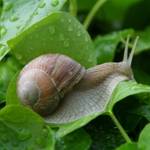 Slugs and snails are molluscs that feed on tender leaves and shoots, mostly at night, leaving slimy trails behind them. Control them by removing their hiding places, keeping free range poultry, collecting them by torchlight or by placing traps. Read more about slugs and snails here.
 Spider mites (Tetranychus urticae), also known as two spotted mites, are sap-sucking arachnids that cause dry, wilted or discoloured leaves. The undersides of leaves may feel dry and a little like fine sandpaper. Prune plants to allow good air flow or spray with eco-oil or wettable sulphur. Learn more about managing spider mites here.
Copyright 2026 The Seed Collection Pty Ltd. For personal use only.
More guides available at www.theseedcollection.com.au/growguide