
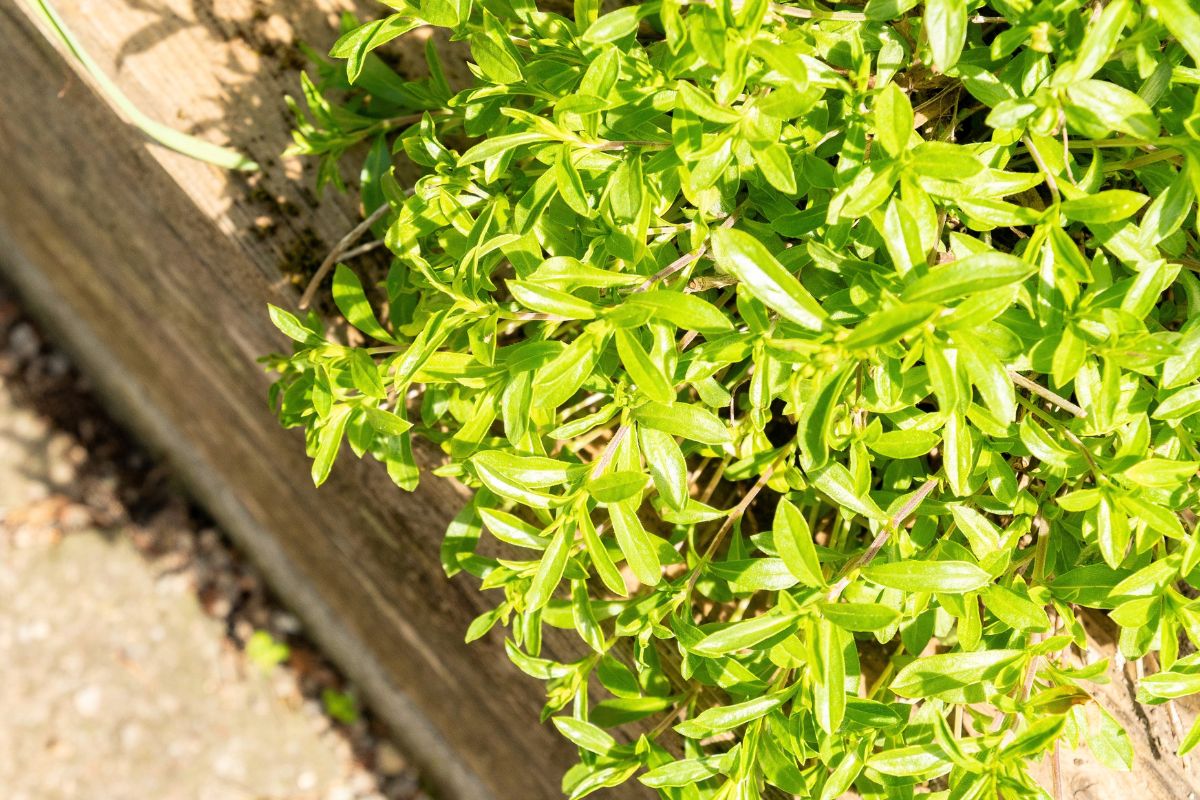
A few years ago I came across summer savory and winter savory at a nursery. I had heard of savory, but I'd never grown it and couldn't remember ever cooking with it. The two plants looked vaguely familiar, and at first glance I thought they looked a bit like thyme.
I already grew thyme. Did I really need another herb that looked and smelled like thyme? As it turned out, I did.
After tasting them, I realised that while savory has some similarities to thyme, it has a flavour of its own. I ended up growing both summer savory and winter savory, and they have stayed in my herb garden ever since.
If you've never grown savory, the names can be a little confusing. Summer savory and winter savory aren't simply the same herb grown at different times of the year. One is an annual and the other is a perennial, and they also have noticeably different flavours.
If you have never grown it before, there is a reasonable chance you have never eaten it either. I suspect this is particularly true in Australia, where savory is nowhere near as common as many of the other culinary herbs. This is a shame because it is such an easy herb to grow, it tastes good, and there are two quite different types that are worth growing for different reasons.
The two you are most likely to come across are summer savory, Satureja hortensis, and winter savory, Satureja montana.
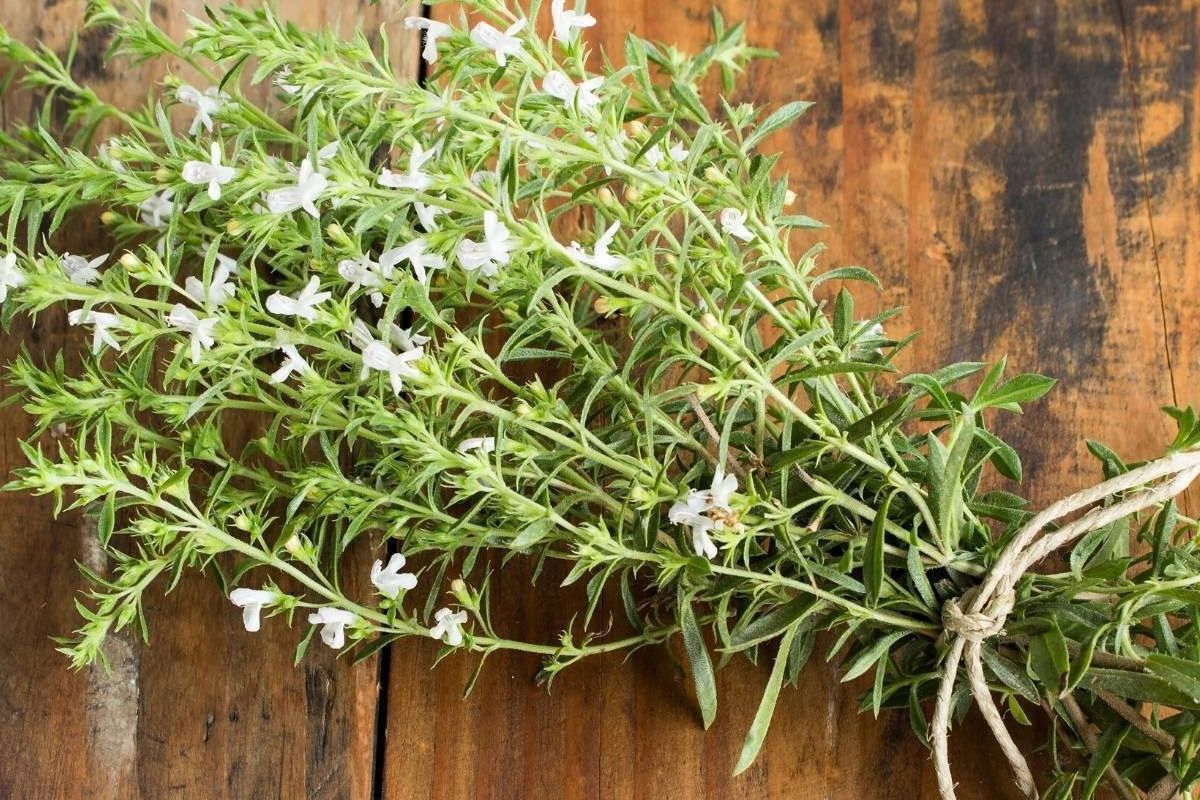
They look similar enough that if you put the two plants next to each other you might initially think they were the same thing. They are both small, aromatic herbs with tiny leaves and small flowers. Both are useful in the kitchen, both are attractive to pollinating insects, and both are reasonably easy to grow.
The big difference is that summer savory is an annual, while winter savory is a perennial.
That sounds like it should make the choice between which one to grow very simple. Grow winter savory if you want a plant that comes back every year and summer savory if you want an annual. It isn't quite that simple. I grow both, and I think there is a good argument for doing the same.
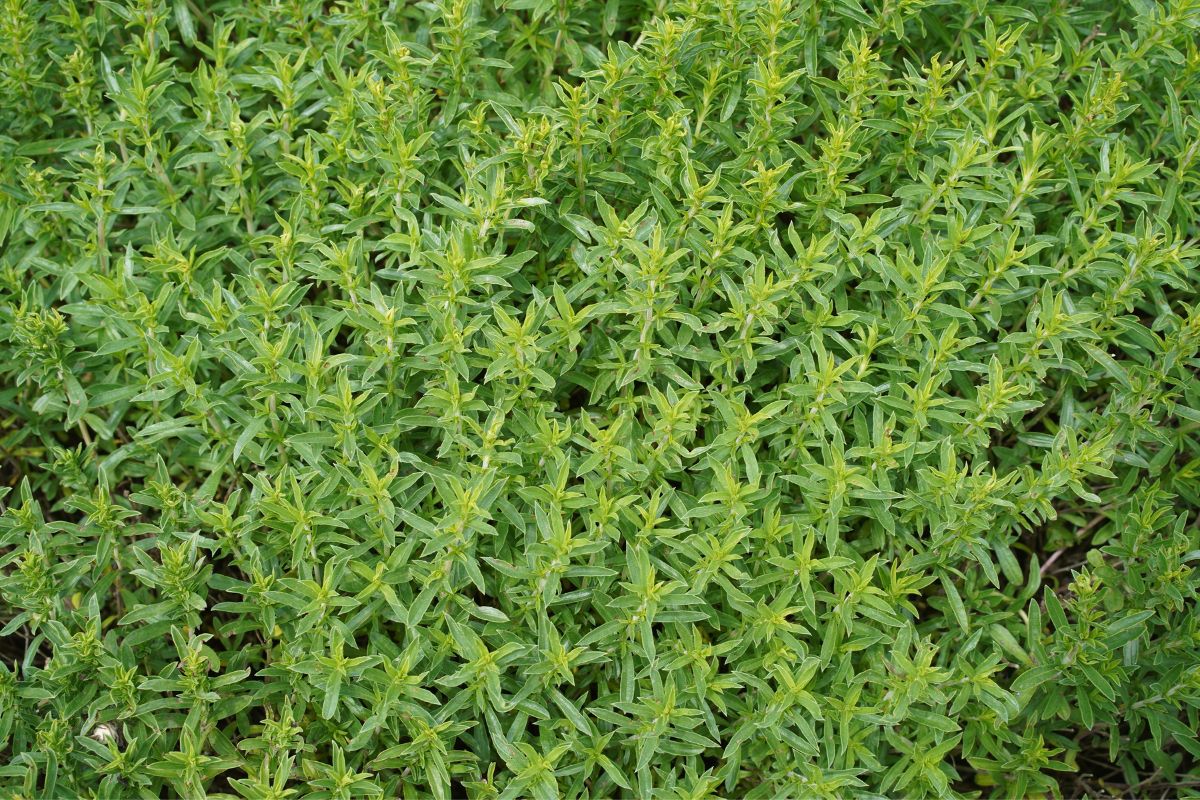
What Is Savory?
Both summer and winter savory belong to the mint family, Lamiaceae, which makes them relatives of thyme, rosemary, oregano, and basil. They have that familiar Mediterranean-herb look, although I think savory can be a little less tidy than some of its relatives.
The plants are small and generally have the sort of appearance you would expect from a Mediterranean herb. They don't need to be pampered, they like lots of sunshine, they are much happier in well drained soil than sitting in wet ground, and they seem to produce more leaves when they are harvested regularly.
The leaves are the useful part from a culinary point of view. They are strongly aromatic and have a flavour that is difficult to describe precisely because it sits somewhere between several familiar herbs.
I would describe savory as having a peppery flavour with similarities to thyme with a little oregano.
Personally, I think the interesting thing about savory is that it isn't simply another version of thyme. When I first encountered summer and winter savory, I remember thinking that they looked a bit like thyme and smelled sufficiently similar that I wasn't sure I needed either of them. I already had thyme growing, so why make space for another herb that appeared to be doing much the same job?
After tasting them, I changed my mind. Savory has enough of its own flavour that it is worth growing even if you already have plenty of thyme. It is also one of those herbs where people who have grown it tend to develop a preference. Some people like the stronger flavour of winter savory, while others prefer the softer flavour of summer savory.
.jpg)
So Which Is Better?
That depends on what you want from the plant. I like both, and I grow both. I also grow thyme, and rosemary, and oregano. They all have different uses in my kitchen.
Summer Savory
Summer savory is Satureja hortensis. It is an annual, which means it grows from seed, produces leaves and flowers during the growing season, sets seed and then eventually dies.
This makes summer savory the obvious choice if you want a relatively quick crop of fresh leaves and don't mind sowing it again.
It is also quite a good plant for gardeners who like plants to do some of the work themselves. The seeds are very small, which makes collecting them more fiddly than collecting something like bean or pumpkin seed. I generally don't see much point in spending ages trying to collect every tiny seed from a plant when the plant is perfectly capable of dropping some itself.
Given the opportunity, summer savory can self sow. It doesn't do this aggressively, and in my garden it has never become a weed. If the plant is happy enough to drop some in the garden, I'm quite happy to let it. If some of those seeds germinate the following season and the resulting plants do well, I have more savory without having to do much. That suits me.
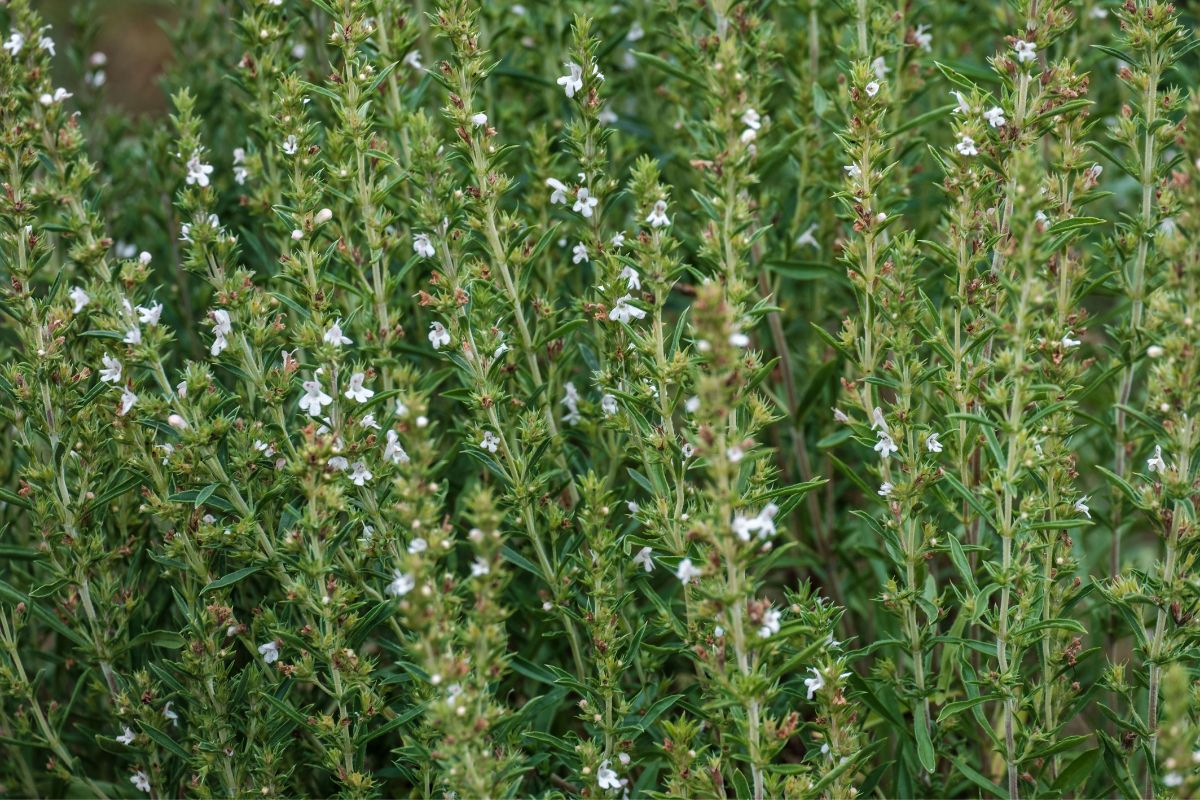
What Does Summer Savory Taste Like?
Summer savory has the mild and delicate flavour of the two. It's peppery and aromatic without being quite as forceful as winter savory.
I find it useful when I want a savoury herb flavour without it taking over the dish. It works with meat, fish, eggs, soups, and stews, and you can use it fresh or dried.
I wouldn't get too hung up on lists of foods that “go with” savory, though. If you would normally use thyme or oregano, try savory instead and see what you think. Sometimes it will be better, sometimes it won't, but it almost always tastes good.
Growing Summer Savory
Summer savory isn't particularly difficult to grow. It likes full sun and reasonably well-drained soil. It is generally grown during the warmer part of the year, with spring being a good time to get it started in many parts of Australia.
The seeds are tiny, so don't bury them deeply. That is a common mistake with small-seeded herbs. People see soil and assume the seed needs to be buried underneath it. Tiny seeds often need little more than good contact with the surface and enough moisture to germinate.
Once established, summer savory is a fairly compact plant. Regular harvesting is useful because taking the growing tips encourages the plant to produce more leafy growth. It also gives you a very good excuse to use the herb rather than merely admire it. There is not much point in growing culinary herbs and then being afraid to pick them.
I tend to harvest savory in the same way I harvest thyme. I cut small sprigs rather than attempting to remove individual leaves one at a time. Removing every leaf individually would be possible, but life is too short for that.
The leaves can be stripped from the sprigs when you need them. The stems aren't wasted either. If you have mostly stripped a sprig, you can sometimes use that piece as a cutting and potentially produce another plant.
Winter Savory
Winter savory is Satureja montana, and this is the one I would recommend if you want a permanent place for savory in the garden. Unlike summer savory, winter savory is perennial.
The plant can remain in the garden from one year to the next and continue producing new growth. It is still a relatively small herb, so you don't need half the vegetable garden to grow it. This makes winter savory particularly useful around the edges of beds, in rockeries, in herb gardens or in other places where a small permanent herb is useful. It also means that once you have established a healthy plant, you don't need to start again from scratch every year. For a lazy gardener like me, this is a very good feature.
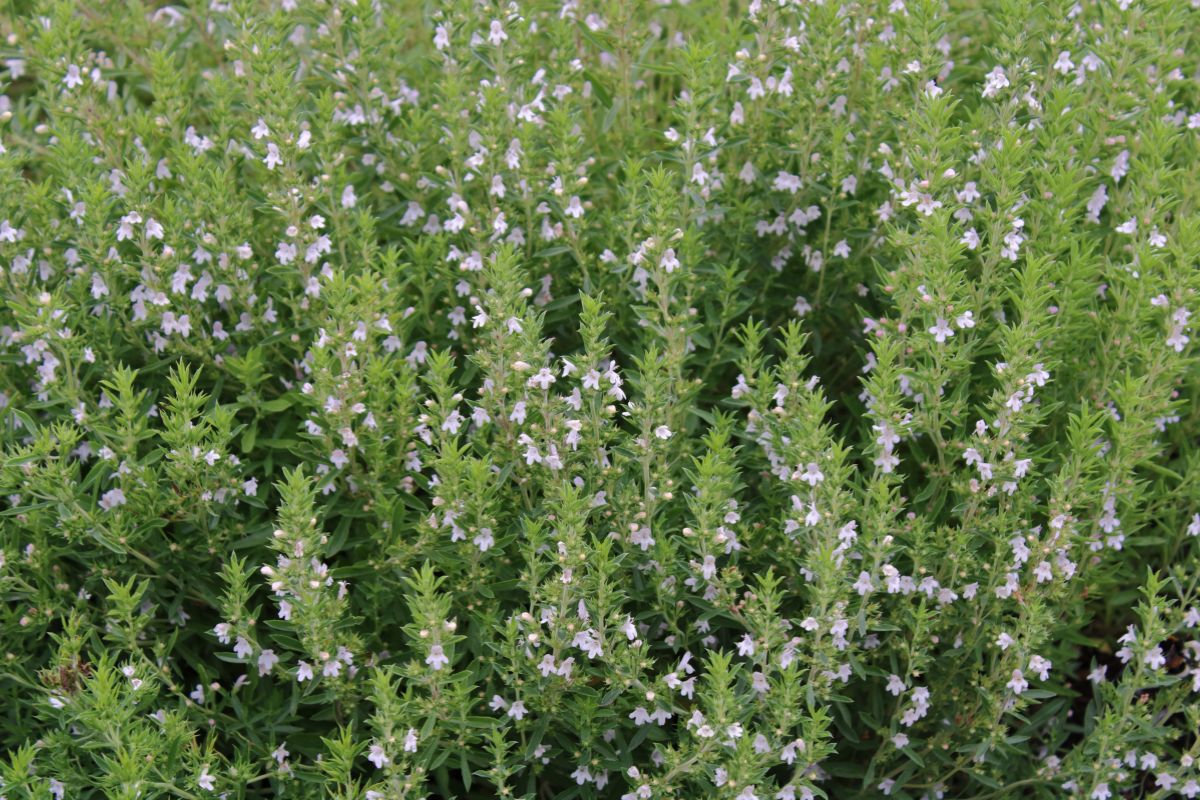
How Is Winter Savory Different?
The most obvious difference, apart from being perennial, is the flavour.
Winter savory has a stronger and more peppery flavour than summer savory. That is not necessarily better. It is just stronger. I’ve read that in the old days when pepper was prohibitively expensive that winter savory was dried and used as a substitute.
This is why I don't think the summer versus winter question has a single correct answer. If you want a subtle herb that can sit quietly in a dish, summer savory may be preferable. If you want something more noticeable and peppery, winter savory is probably the one to choose.
Winter savory is particularly good with robust foods. It is traditionally associated with meat, fish, stews, beans, and egg dishes, and it can also be used in herb mixtures such as bouquet garni. It also has the advantage of being available for much more of the year because the plant itself doesn't disappear after flowering.
Most years mine dies back significantly over winter, without ever actually going dormant, and then puts on lots of new growth as the weather warms. I don't do anything particularly clever with it. It gets some sun, reasonably well-drained soil, and an occasional haircut when I want to use it.
Summer Savory Vs Winter Savory: The Practical Differences
If you are trying to decide which one to grow, the differences can be reduced to a few fairly simple points.
- Summer savory, Satureja hortensis, is an annual.
- Winter savory, Satureja montana, is a perennial.
- Summer savory generally has a milder, sweeter, and more delicate flavour.
- Winter savory has a stronger, more peppery flavour, that holds up better to longer cooking times.
- Summer savory can self-sow, potentially giving you new plants in following seasons.
- Winter savory gives you a more permanent supply of fresh savory.
- Both plants like sun and well-drained soil.
- Both produce small flowers that are useful to bees and other pollinating insects.
- Both can be used fresh or dried.
If you like growing annuals from seed each year, summer savory is worth trying. If you'd rather plant something once and have it come back, winter savory is probably the better choice.
If you have room, grow both. That's what I do.
Can You Grow Savory From Cuttings?
Yes, and this is one of the more useful things about these plants.
When harvesting savory, you will often end up with pieces of stem that have only a few leaves remaining. Rather than throwing these away, you can try rooting them. I've rooted cuttings in water and in growing mix, and there isn't much to lose by giving it a try.
This is particularly useful with winter savory because the resulting plant is a clone of the plant you took the cutting from. There is a practical reason for doing this. If you have a winter savory plant that has particularly good flavour, good growth, or simply performs exceptionally well in your garden, you can make more plants exactly like it.
You aren't relying on seed to reproduce the exact plant you liked. The same basic approach can be used with summer savory during its warmer growing period, although because summer savory is an annual I generally find seed to be the more obvious way to maintain it.
What About Saving Savory Seed?
Growing savory from seed is fairly straightforward. Collecting the seed is another matter.
The seeds are tiny. Very tiny. If you've ever tried collecting seed from a plant with tiny seed capsules, you'll know what I mean.
I don't usually bother collecting every seed from summer savory. If some plants flower and drop seed, I'm quite happy to see what comes up the following season. I can harvest the plants I want and leave a few to finish their life cycle. If some pop up in places I don’t want them, I dig them up and transplant them.
If you want to deliberately save seed, choose healthy plants and let the seed heads mature properly before collecting them. With winter savory, I'd probably choose cuttings instead if I simply wanted more plants.
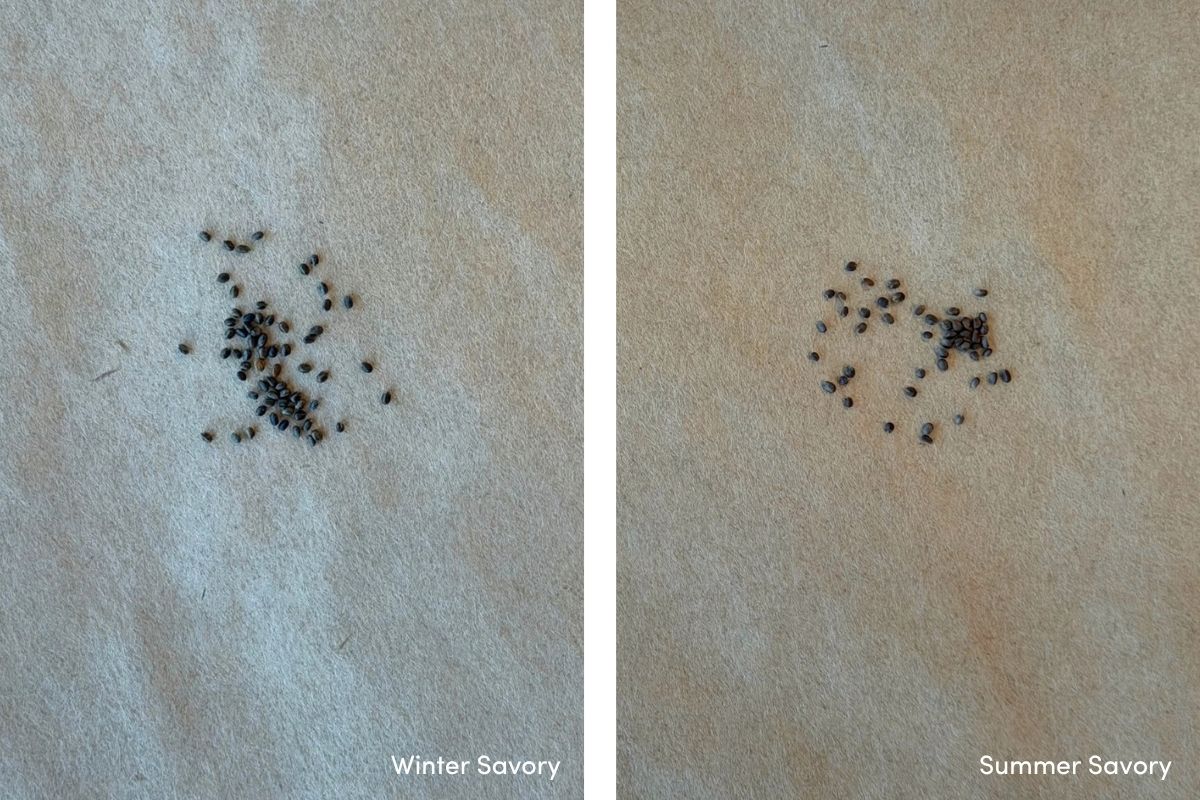
Don't Confuse "Summer" And "Winter" With Seasonal Use
One thing worth pointing out is that the names can be misleading. Summer savory isn't a herb that is only useful during summer. Winter savory isn't a herb that only belongs in winter cooking. The names refer primarily to the plants' life cycles.
Summer savory is an annual that grows during the warmer part of the year. Winter savory is a perennial that remains in the garden. You can cook with either whenever you have it available. In fact, growing both solves the problem quite nicely. I use summer savory when it is producing plenty of fresh growth, then continue harvesting winter savory when the annual has finished.
Instead of choosing one or the other, you have effectively extended your savory season.
Is Savory Worth Growing In Australia?
I think it is. Savory has historically been much less common here than herbs such as thyme and oregano, which is surprising considering how easy the plant can be to grow. If you want to eat savory, you will need to grow your own as I almost never find it available at the markets.
Growing savory also doesn't require anything particularly unusual. If you have a sunny spot and reasonably well-drained soil, there is a good chance you can find somewhere to grow it.
One of the reasons I like growing less common herbs is that they give you another flavour to work with. If you have six different herbs that all taste vaguely similar, having a seventh isn't necessarily going to transform your cooking. Savory is different enough from anything I can buy from the market to be worthwhile. It looks somewhat like thyme, but once you taste it you realise it isn't simply thyme with slightly larger leaves.
Which Savory Would I Choose?
If I could only grow one, I would probably choose winter savory.
That is partly because I am a big fan of perennial plants. I like planting something once and having it remain productive without needing to remember to sow it again next year. Winter savory also has the stronger flavour, which I prefer in many situations.
But that doesn't mean I would get rid of summer savory. The two plants are different enough that they both deserve a place. Summer savory has a lighter flavour and the fact that it is an annual isn't necessarily a disadvantage. Annual plants have their own uses, and an annual herb that grows quickly, flowers, produces seed and can potentially return by self sowing is a useful plant to have around.
There is also something satisfying about watching an annual herb appear, grow, and then disappear again while leaving behind the next generation.
So my answer to the question "summer or winter?" is probably the least useful answer possible: you should grow both.
A little known herb that deserves more attention
I find it strange that savory is still so unfamiliar to so many Australian gardeners and cooks. It isn't difficult to grow. It doesn't need a huge amount of space. It attracts pollinating insects, looks reasonably attractive, and gives you another useful culinary herb.
Winter savory in particular is the sort of plant that can sit quietly in a sunny corner of the garden for years, waiting for someone to remember that it is there.
Summer savory comes and goes with the seasons, but if you let some plants set seed it does not require much effort.
Neither is going to replace every other herb in your garden. They don't need to. The useful thing about savory is that it gives you another flavour. And if you are already growing thyme, oregano, rosemary, and the usual collection of culinary herbs, that is probably the best reason of all to try it.
Grow summer savory if you want an annual with a milder flavour. Grow winter savory if you want a perennial with a stronger, peppery flavour. Or, preferably, grow both and decide for yourself. After all, herbs are much easier to compare when they are growing in your garden rather than sitting in somebody else's description.
Article by Damien Beaumont