
If you grow herbs at home, you'll know how quickly they can go from a few small sprigs to more than you know what to do with.
Herb butter is one of our favourite ways to use some of that extra growth. It takes only a few minutes to make, uses ingredients you probably already have in the kitchen and can turn something as simple as a baked potato or piece of fresh bread into something a little more special.
Better still, you don't need a huge herb garden. A few pots of rosemary, thyme, basil or chives are enough to get started.
Here are three simple herb butters to make using herbs picked straight from the garden.
What Is Herb Butter?
Herb butter, also called compound butter, is softened butter mixed with herbs and other flavourings. Use it straight away while it's soft, or roll it into a log, wrap it and refrigerate or freeze it. When it's firm, you can slice off a piece whenever you need to jazz something up.
The possibilities are almost endless, but these three combinations are a good place to start.
A Few Tips Before You Start
- Check your butter: Choose real butter rather than a margarine spread or butter blend. The ingredient list will tell you what you're buying. If you're adding salt yourself, start with unsalted butter so you control the seasoning.
- Soften, don't melt: Leave the butter at room temperature until it's soft enough to mix easily. Melted butter turns greasy and won't set properly.
- Dry your herbs well: Wash freshly picked herbs if needed, then dry them thoroughly. Water left on the leaves makes the butter watery and shortens how long it keeps.
- Chop herbs finely: Finely chopped herbs spread evenly through the butter, so you get a little of everything in each slice.
- Go easy on the garlic: Raw garlic gets stronger the longer the butter sits, so use a little less if you're making a batch to freeze.
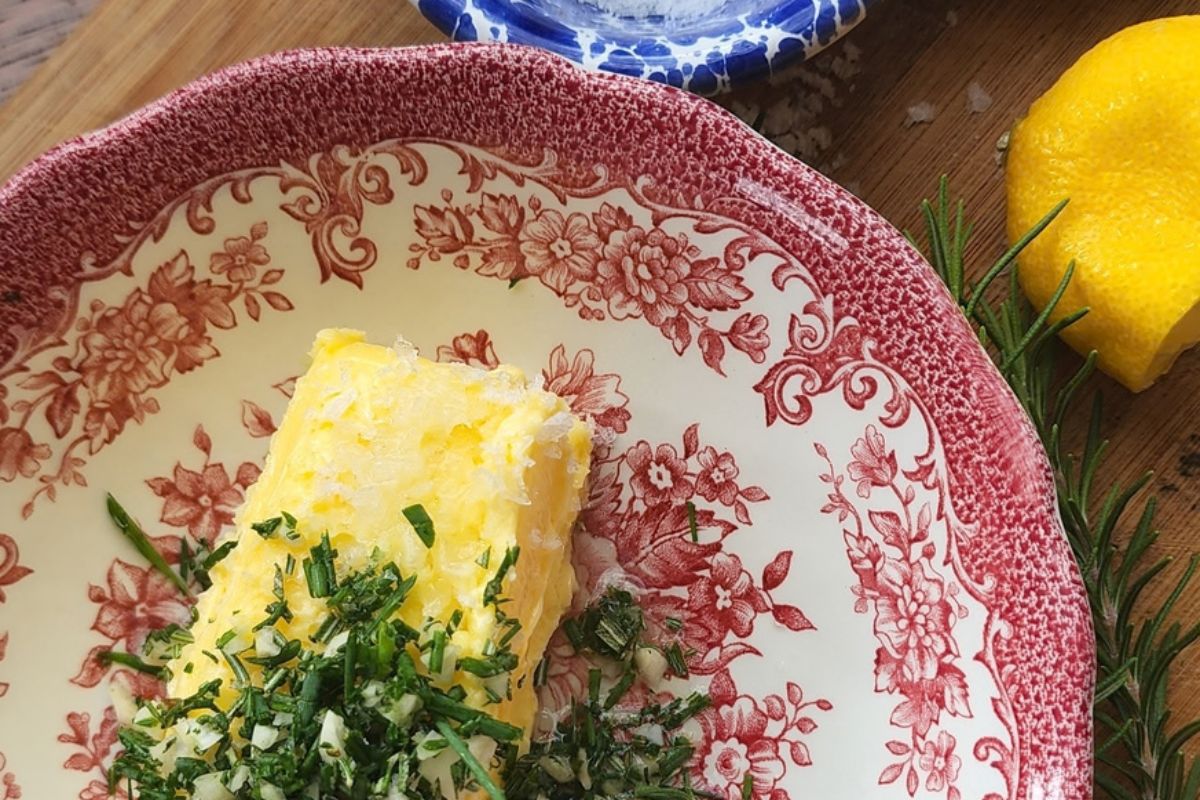
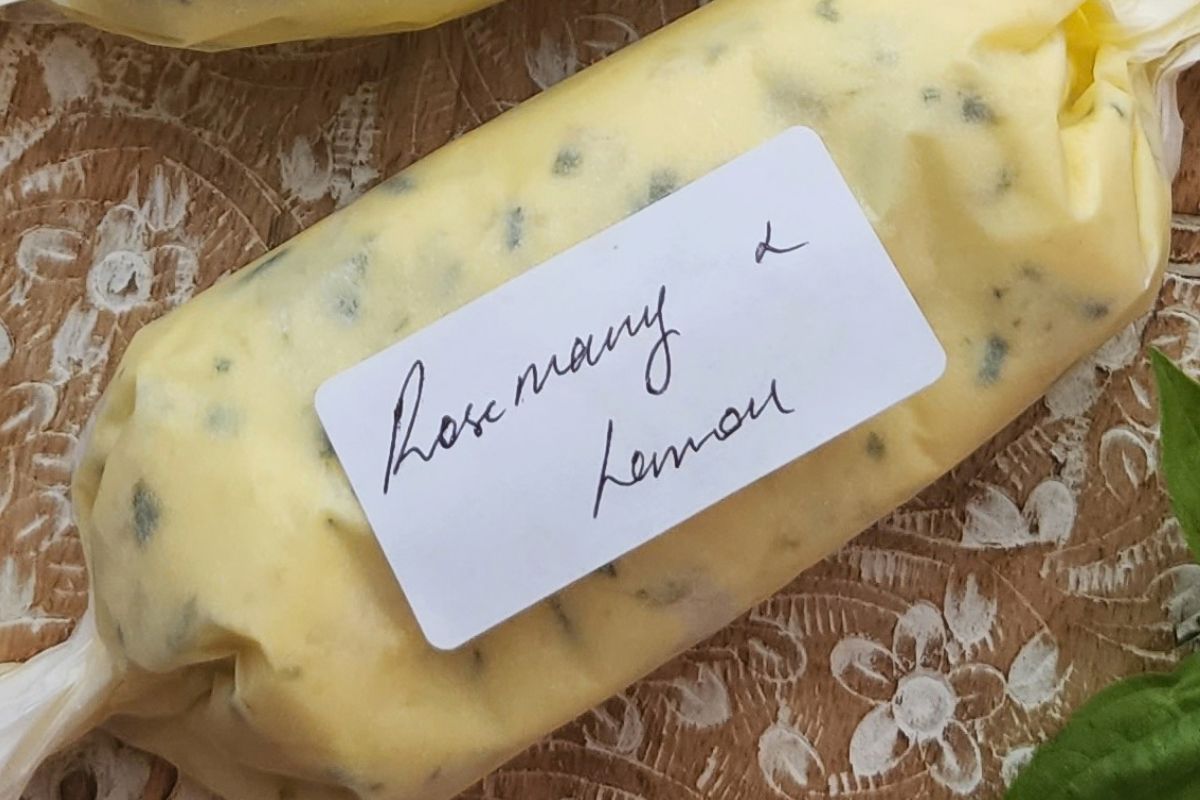
1. Rosemary, Chive, Garlic and Lemon Butter
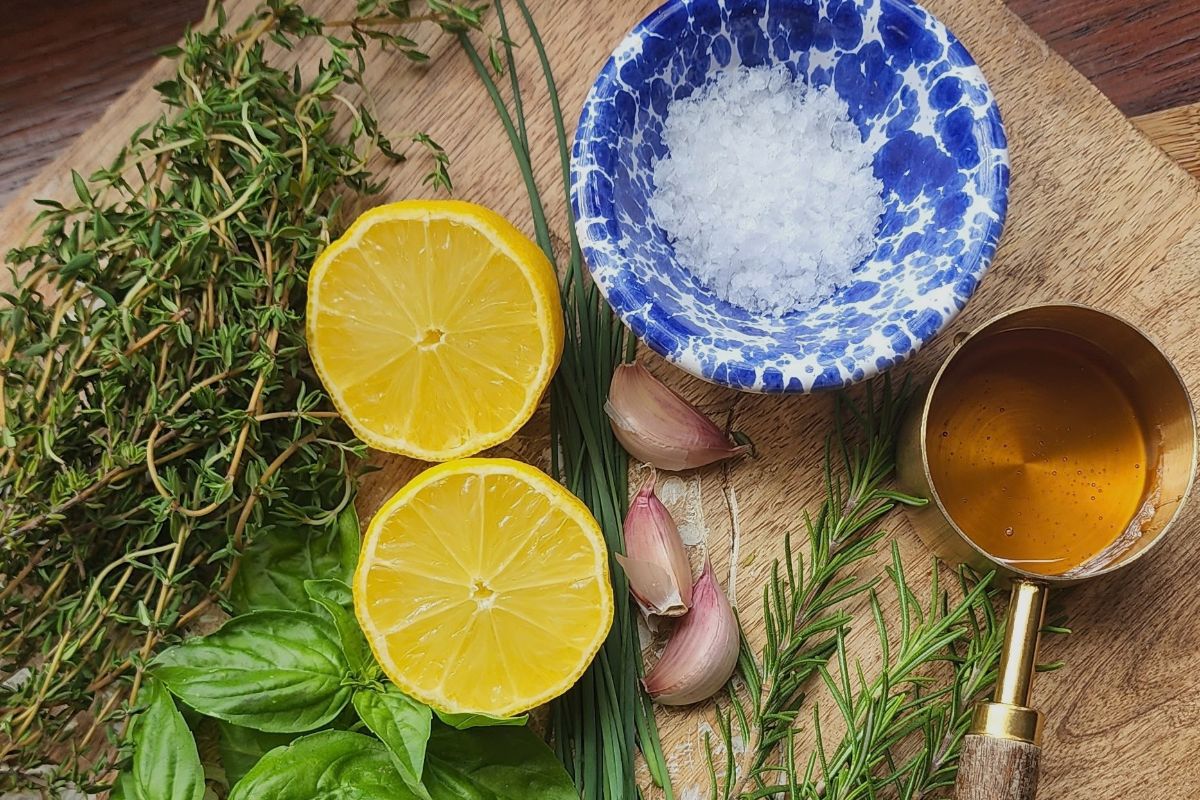
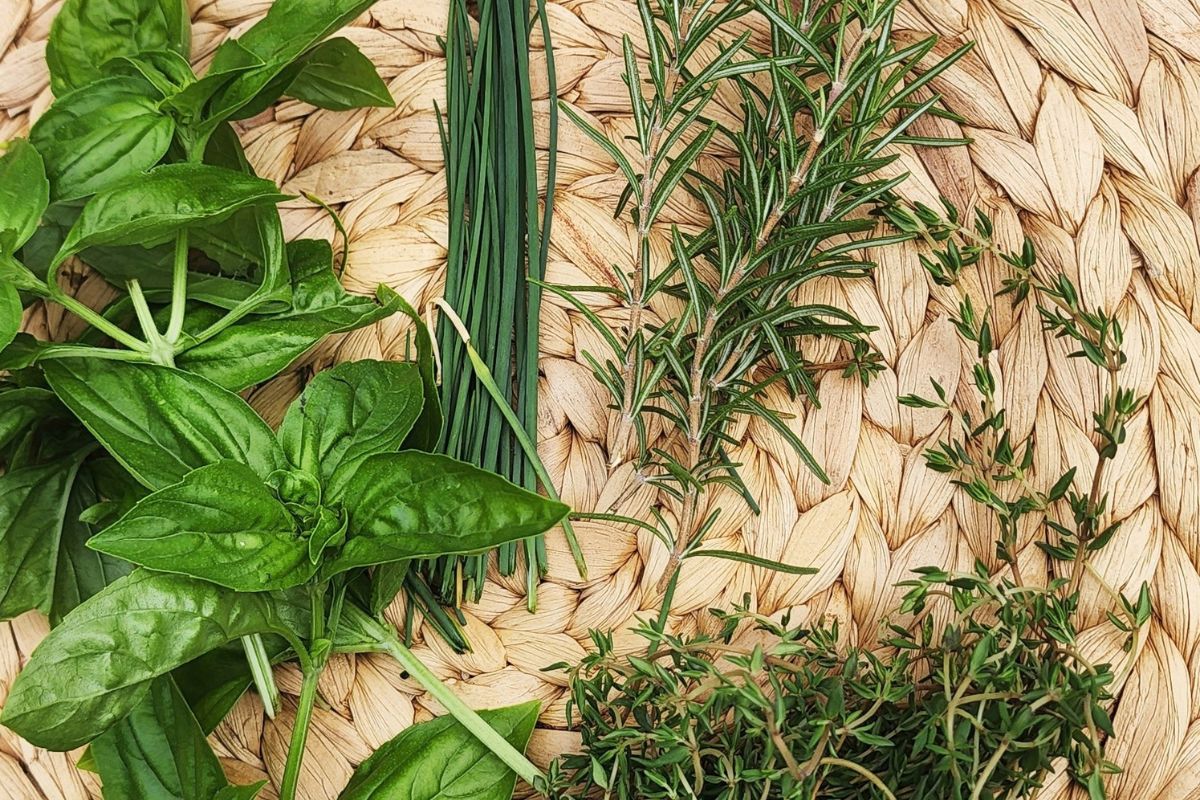
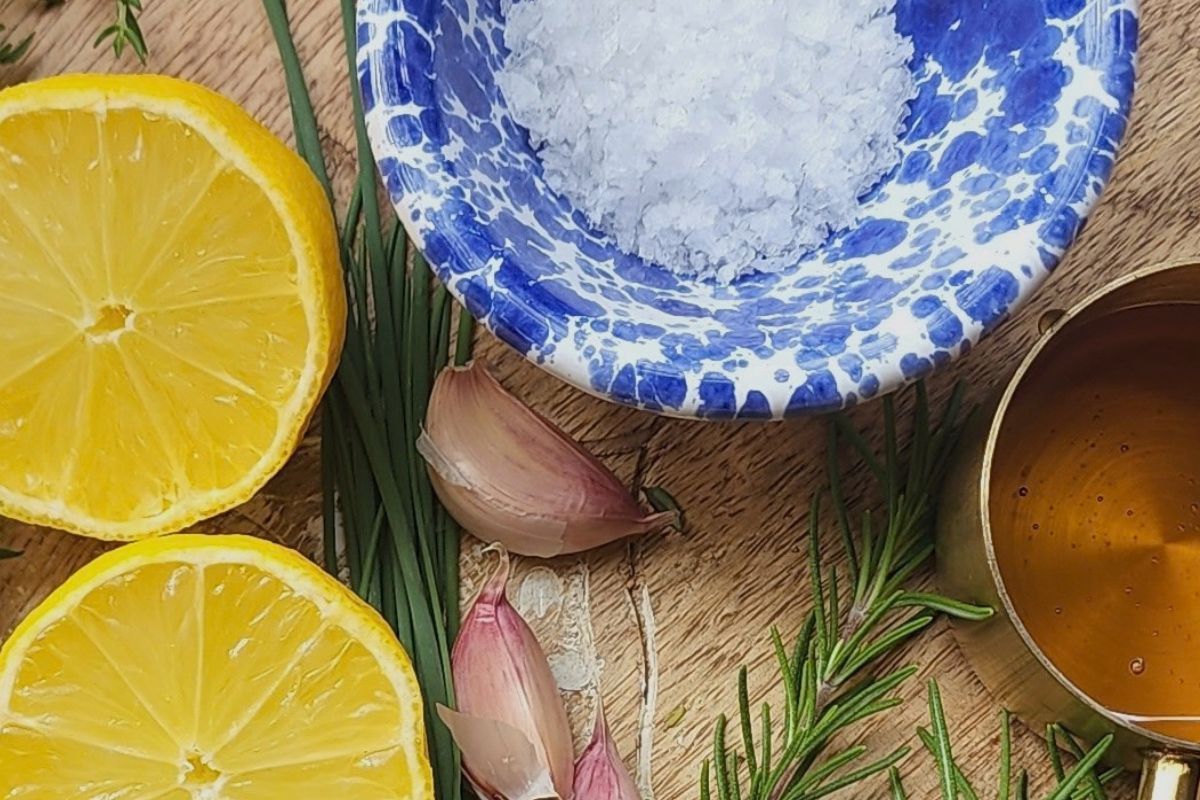
Rosemary is one of those herbs that thrive with very little attention. It packs plenty of flavour, so a little goes a long way. Add garlic, chives and a fresh squeeze of lemon, and you have a punchy, fresh herb butter.
Great with: roast lamb, BBQ steak, roast chicken, roasted vegetables and baked potatoes.
Ingredients
- 125g unsalted butter, softened
- 1-2 teaspoons finely chopped fresh rosemary
- 1 tablespoon finely chopped fresh chives
- 1 small garlic clove, crushed or finely grated
- 1 tablespoon lemon juice
- Pinch of salt
Method
- Place the softened butter in a bowl.
- Add the rosemary, chives, garlic, lemon juice and salt.
- Mix thoroughly with a fork or spoon until evenly combined.
- Taste and adjust the seasoning if needed.
- Use immediately or shape into a log and refrigerate until firm.
Garden tip: Rosemary has a strong flavour, so chop it finely and start with a small amount. You can always add more after tasting. Too much can give the butter an unpleasant, slightly soapy flavour.
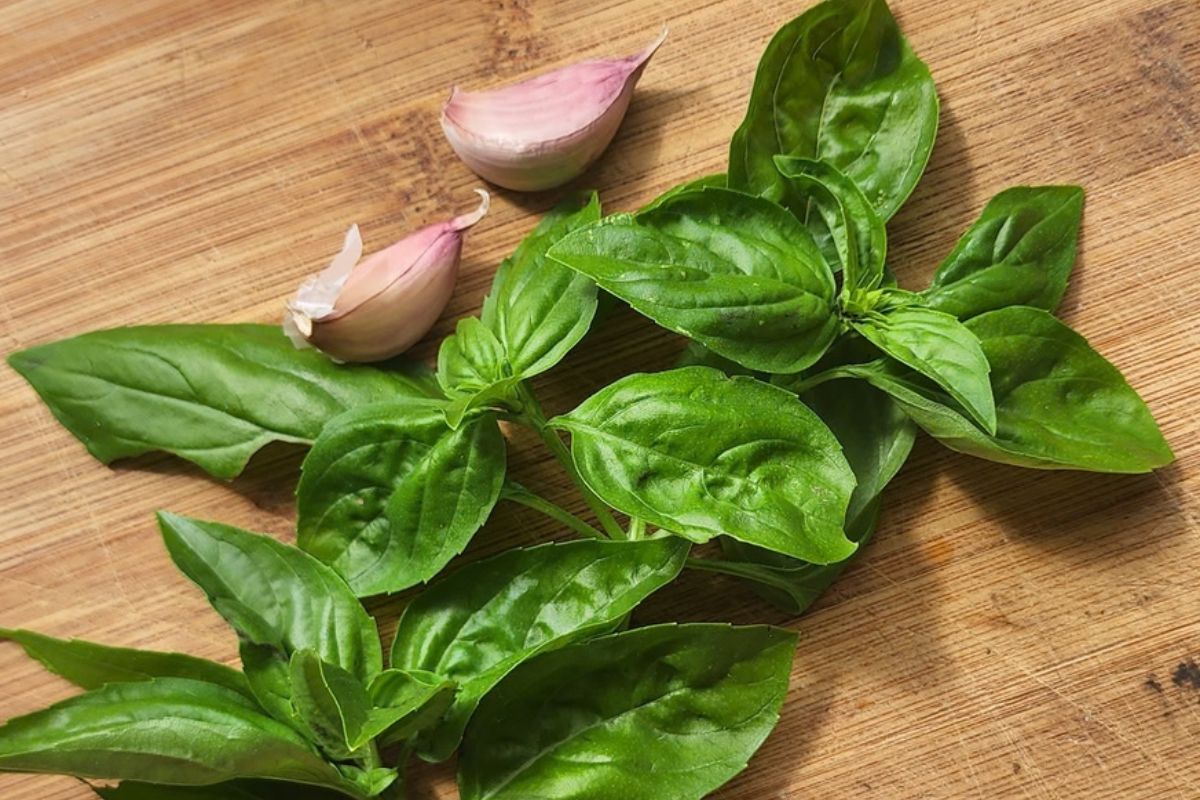
2. Basil and Garlic Butter
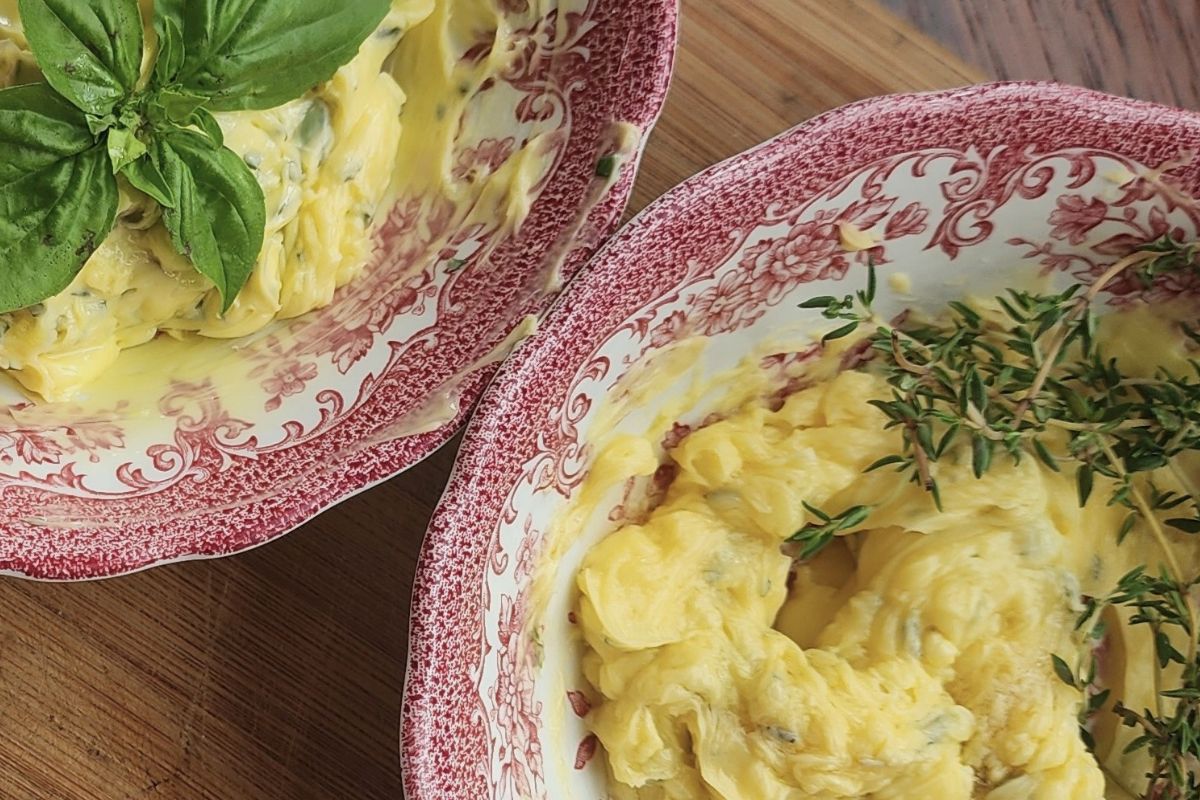
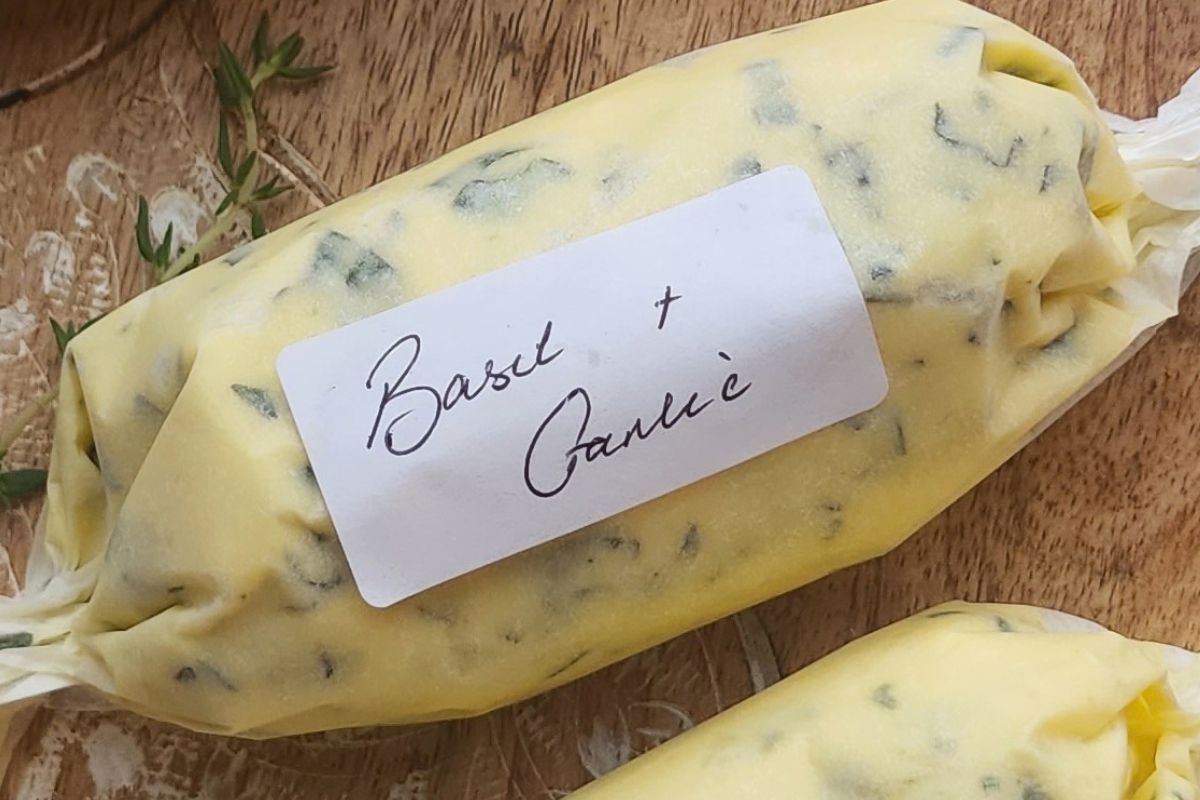
Basil is the herb that gets away from you in summer. One week you're counting leaves, the next you're picking armfuls. This butter is a good way to use it up, and it turns a bowl of plain pasta into dinner in about two minutes.
Great with: hot pasta, gnocchi, garlic bread, grilled chicken and roasted tomatoes.
Ingredients
- 125g unsalted butter, softened
- 2 tablespoons finely chopped fresh basil
- 1 small garlic clove, crushed or finely grated
- Pinch of salt
Method
- Place the softened butter in a bowl.
- Add the basil, garlic and salt.
- Mix thoroughly until evenly combined.
- Taste and adjust the seasoning if needed.
- Use immediately or shape into a log and refrigerate until firm.
To serve with pasta: Drain the pasta, saving a splash of the cooking water. Return the pasta to the pot, add a slice or two of the butter and a spoonful of the cooking water, and toss until the butter melts into a glossy coating. Finish with parmesan if you like.
Garden tip: Pick basil by pinching off the tips just above a pair of leaves. This keeps the plant bushy and slows it from flowering. Chop the leaves just before you mix, as basil darkens quickly once cut. The butter may dull a little in the freezer, but the flavour holds.
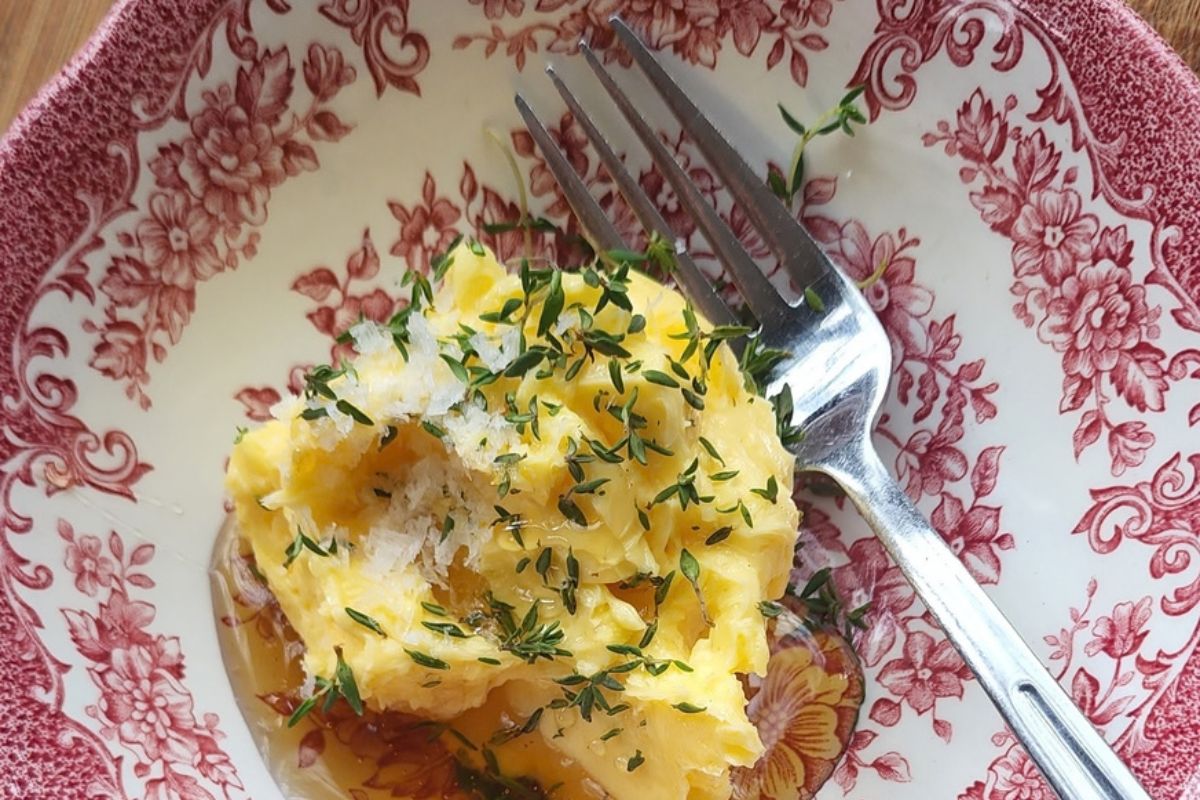
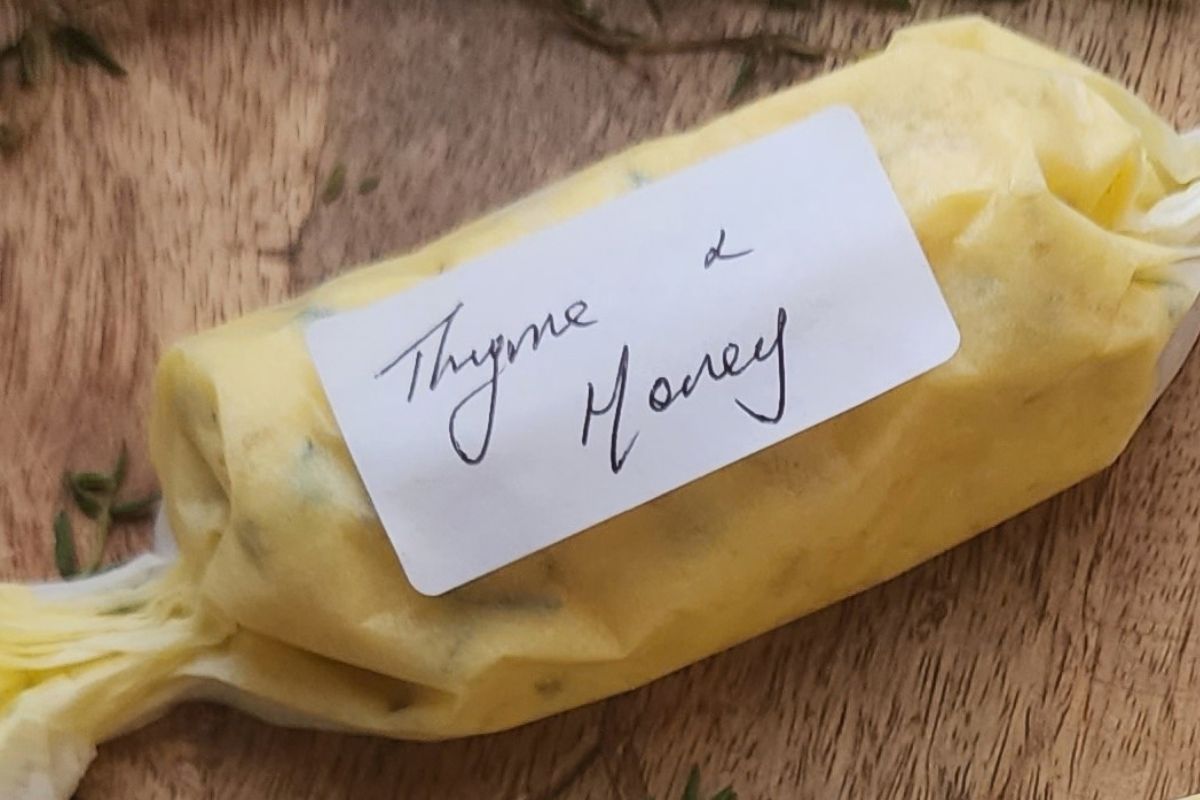
3. Thyme and Honey Butter
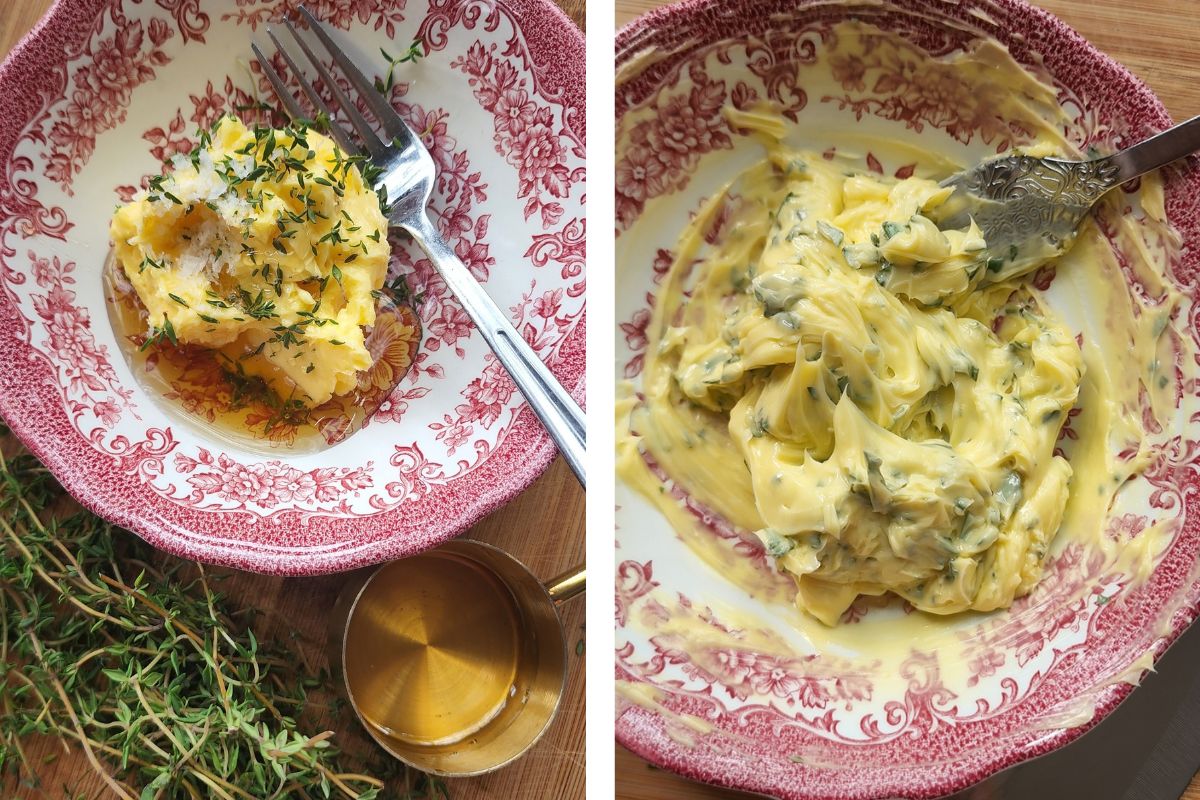
Thyme is a hardy perennial that asks for very little, and a few sprigs carry plenty of flavour. Paired with honey, it makes a butter that is sweet and savoury at the same time, which is why it works on roasted vegetables as well as warm bread.
Great with: roasted carrots, roasted pumpkin, roasted sweet potato, warm bread and savoury scones.
Ingredients
- 125g unsalted butter, softened
- 2 teaspoons fresh thyme leaves
- 1-2 teaspoons honey
- Small pinch of salt
Method
- Place the softened butter in a bowl.
- Add the thyme, one teaspoon of honey and a small pinch of salt.
- Mix thoroughly until combined.
- Taste and add the second teaspoon of honey if you'd like a little more sweetness.
- Use immediately or shape into a log and refrigerate until firm.
Garden tip: To remove thyme leaves quickly, hold the top of the stem with one hand and run the fingers of your other hand down the stem against the direction of growth. The leaves should come away easily.
How To Shape Herb Butter
You don't need to shape herb butter if you're planning to use it straight away, but rolling it into a log makes it easy to store and slice.
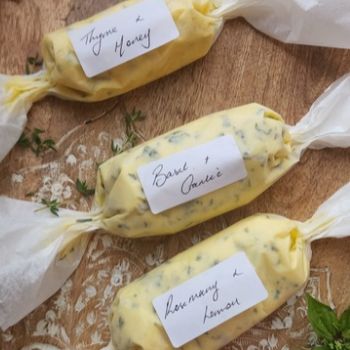
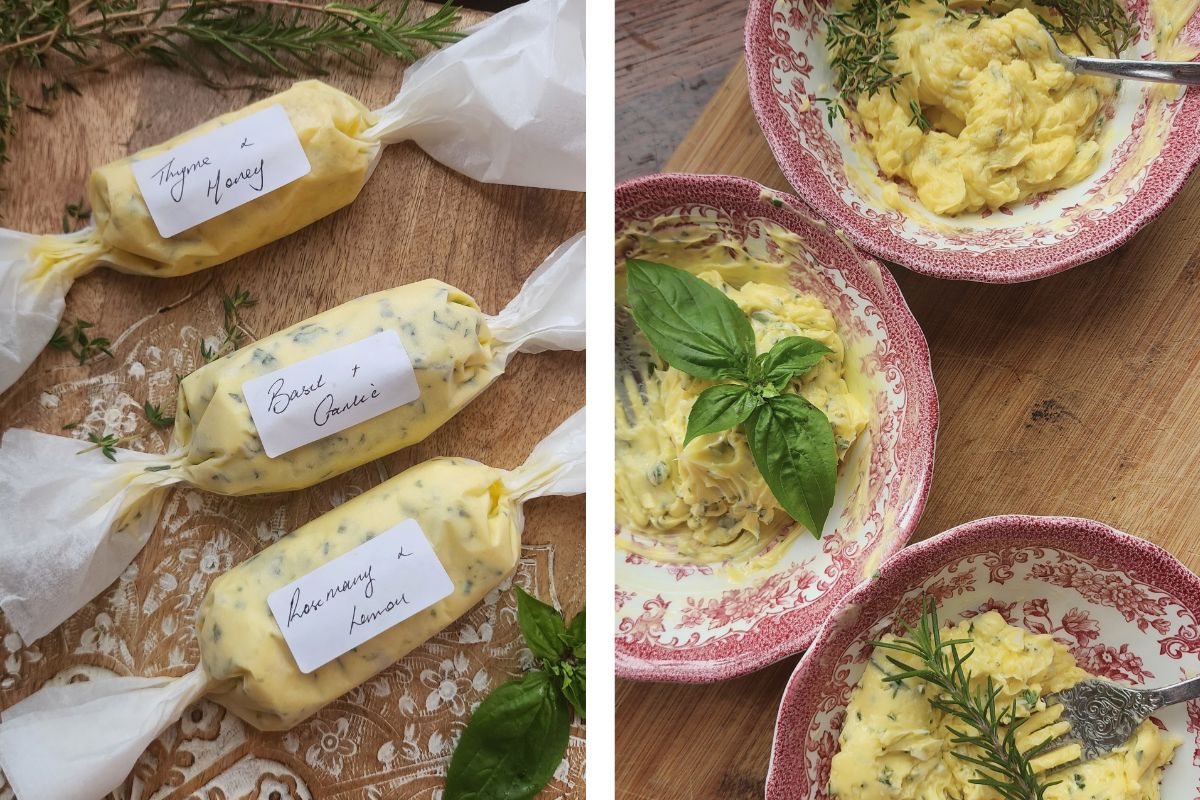
Spoon the finished butter onto a piece of baking paper. Bring the paper around the butter and gently roll it into a log, then twist the ends to hold everything in place. Think of the shape of a Christmas bon bon.
Place it in the fridge until firm. Once chilled, simply slice off individual rounds as you need them. It also makes the finished herb butter look great served at the table.
How To Store Herb Butter
Keep your herb butter wrapped tightly in the fridge until you're ready to use it. You can also freeze it for later, which is handy when you have an abundance of herbs in the garden. Freeze the butter as a whole log or cut it into individual rounds first, so you can simply take out what you need.
In the fridge, herb butter keeps for about a week. In the freezer, it will keep for around three months. Because these butters contain fresh herbs and garlic, store them in the fridge or freezer rather than leaving them out on the bench.
What Other Herb Butters Can You Make?
Once you've made herb butter a few times, there's really no need to stick to a recipe. Take a look at what's growing in the garden and experiment with different combinations.
A good starting point is 1-2 tablespoons of finely chopped soft herbs, such as basil, chives or dill, for every 125g of butter. Stronger herbs like rosemary, thyme and sage pack more punch, so start with a smaller amount. Taste, then adjust.
- Dill and lemon: perfect with salmon or new potatoes.
- Sage and garlic: try it with roast chicken, pumpkin, pork or gnocchi.
- Coriander and lime: a fresh combination for corn, chicken, prawns or fish.
- Garlic and cracked pepper: perfect for steak, mushrooms or baked potatoes.
- Chilli and lime: great melted over corn, prawns or BBQ chicken.
- Cinnamon and brown sugar: a sweet option for pancakes, waffles, toast or crumpets.
Making The Most Of Your Herb Garden
Herb butter is an easy way to use herbs when they're growing faster than you can pick them. You don't need much, either, so it works just as well with a few pots on a balcony as it does with a large herb garden.
Once you've got the basic method down, use whatever you have growing and make your own combinations.
Article & Photographs by Julia Lewis