
When we first started our garden, the entire space was pretty much just lawn. I knew I wanted to turn it into something colourful, whimsical and a little bit wild. I wanted lots of flowers, different heights, textures and plants growing amongst each other rather than everything feeling too perfect or structured.
I also wanted a garden that we could actually enjoy and use. I love being able to walk outside and cut a few flowers to bring inside, make a little bouquet for someone or just sit outside and watch the bees and birds enjoy the garden.
For me, growing flowers isn’t just about growing something pretty. You get to enjoy them outside, bring them into your home, and share them with people you love.
The best part is that our garden really did just start with a patch of lawn. We didn't have a perfect plan and I have changed things so many times along the way. This is how we created it…
Start With A Garden Hose
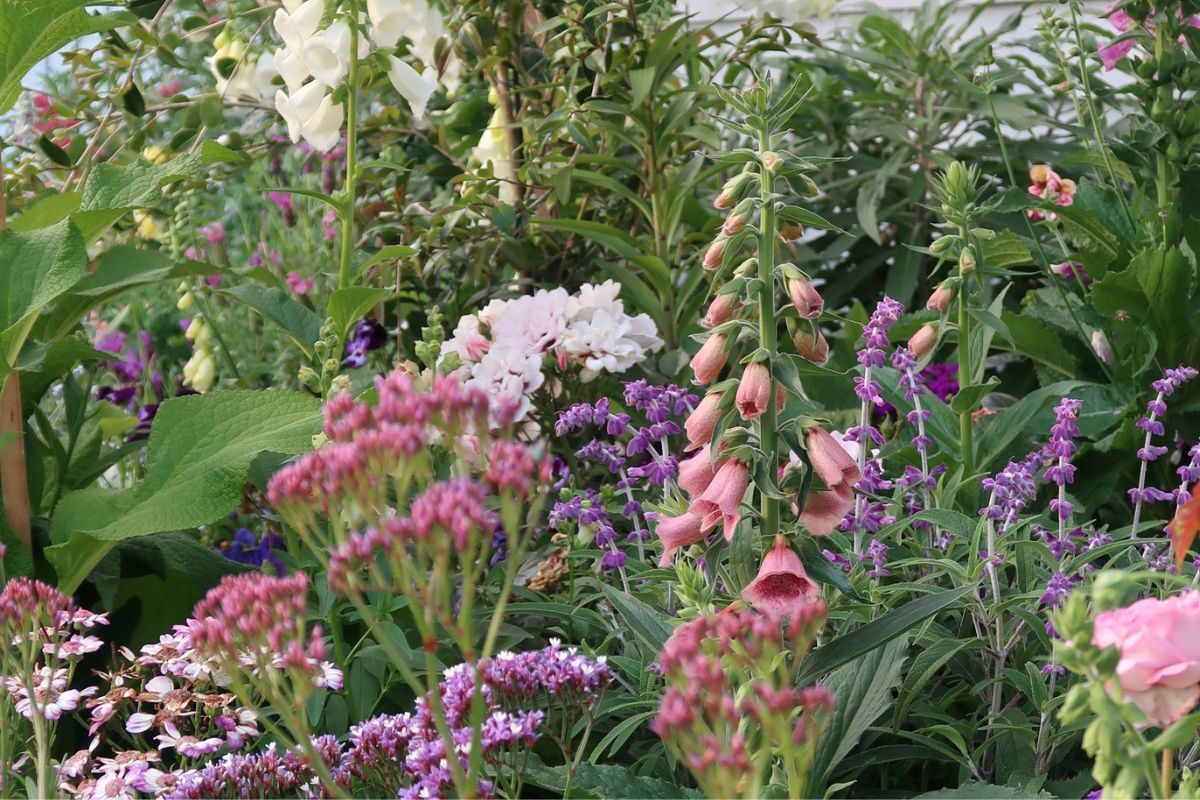
The first thing we did was work out the shape of the garden bed and we literally just used a garden hose.
We laid it out over the lawn and kept moving it around until we found a shape that we liked and suited the front of the house. I personally really like curved garden beds. I think curves give a garden a much softer feel and create a really nice flow through the space rather than having one straight line running along the edge.
Don’t be scared to bring your garden beds out further than you initially think either. Having a little bit more depth gives you so much more room later on to create different layers with your plants.
Stand back, look at it from different areas and keep adjusting until it feels right. We later on used spray paint to mark the shape directly onto the grass which made it very easy to see exactly where we needed to dig.
Digging Out The Lawn
Then came the not-so-glamorous part that will leave you sore for the next couple of weeks.
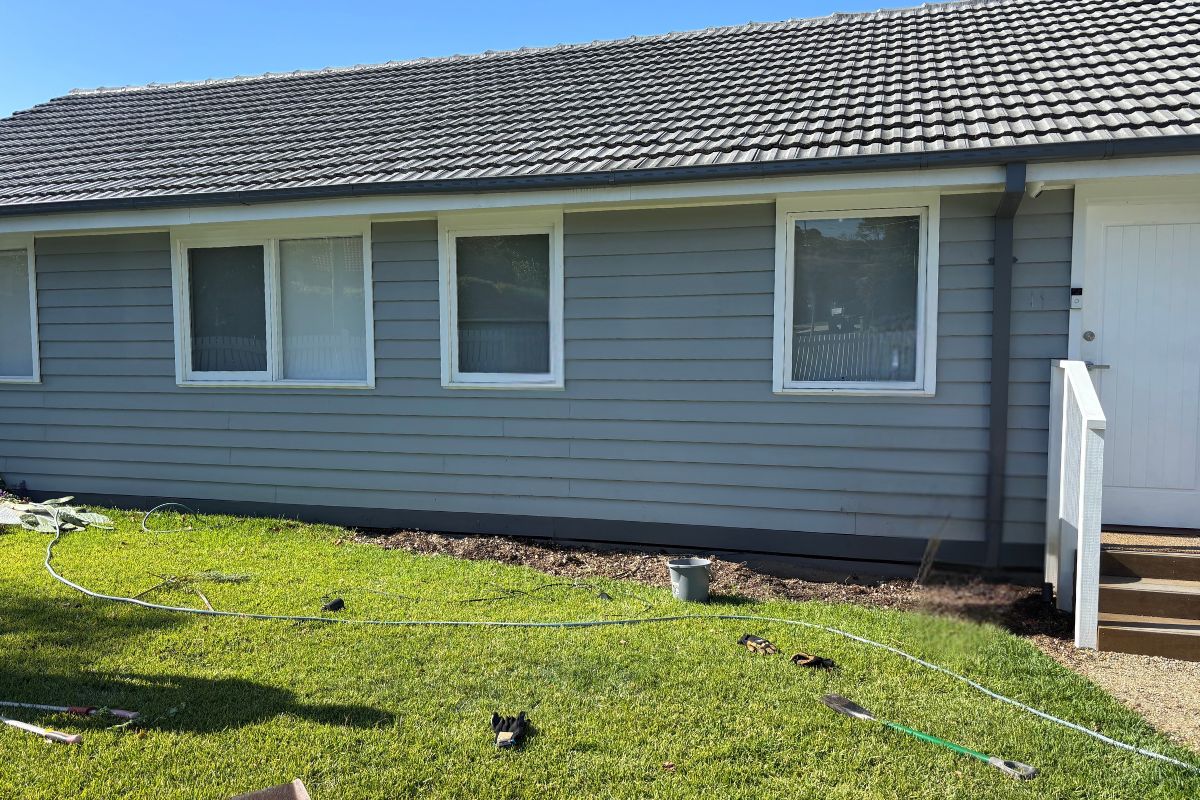
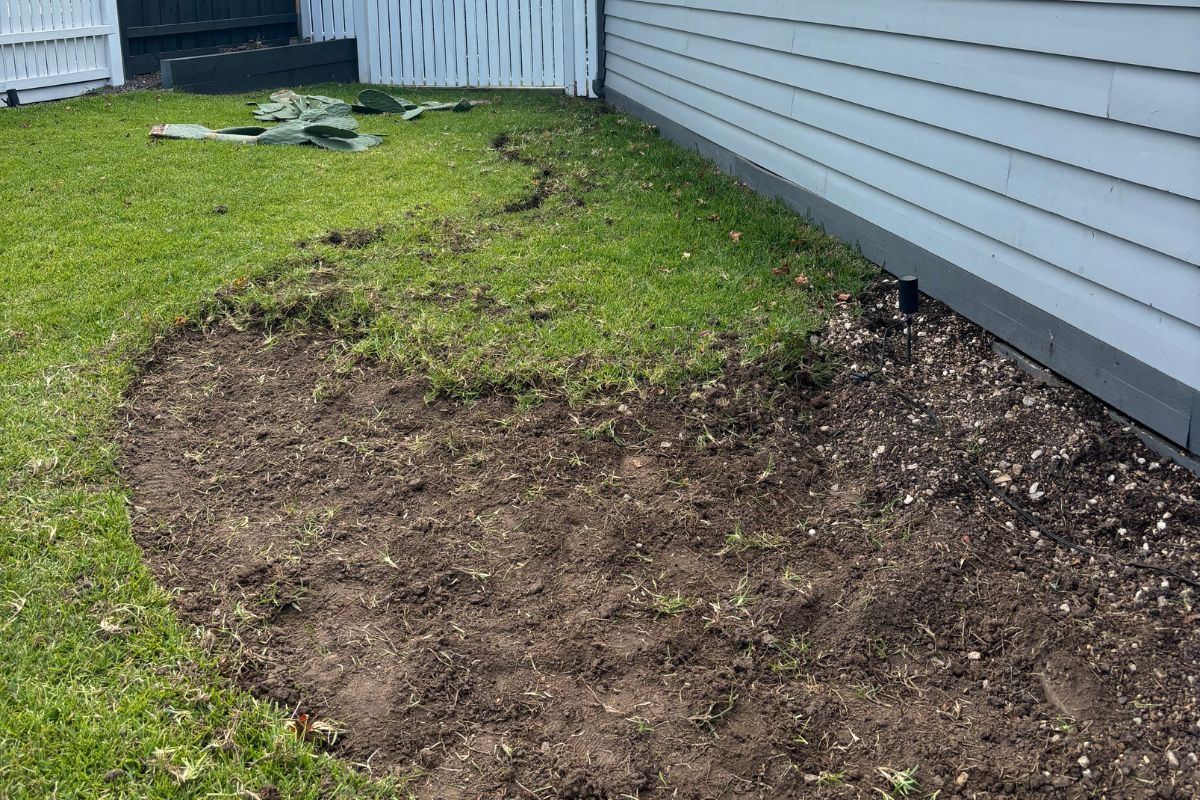
Once we were happy with our shape, we started removing grass. I’m not going to lie, this was tedious but it is definitely something you can do yourself slowly.
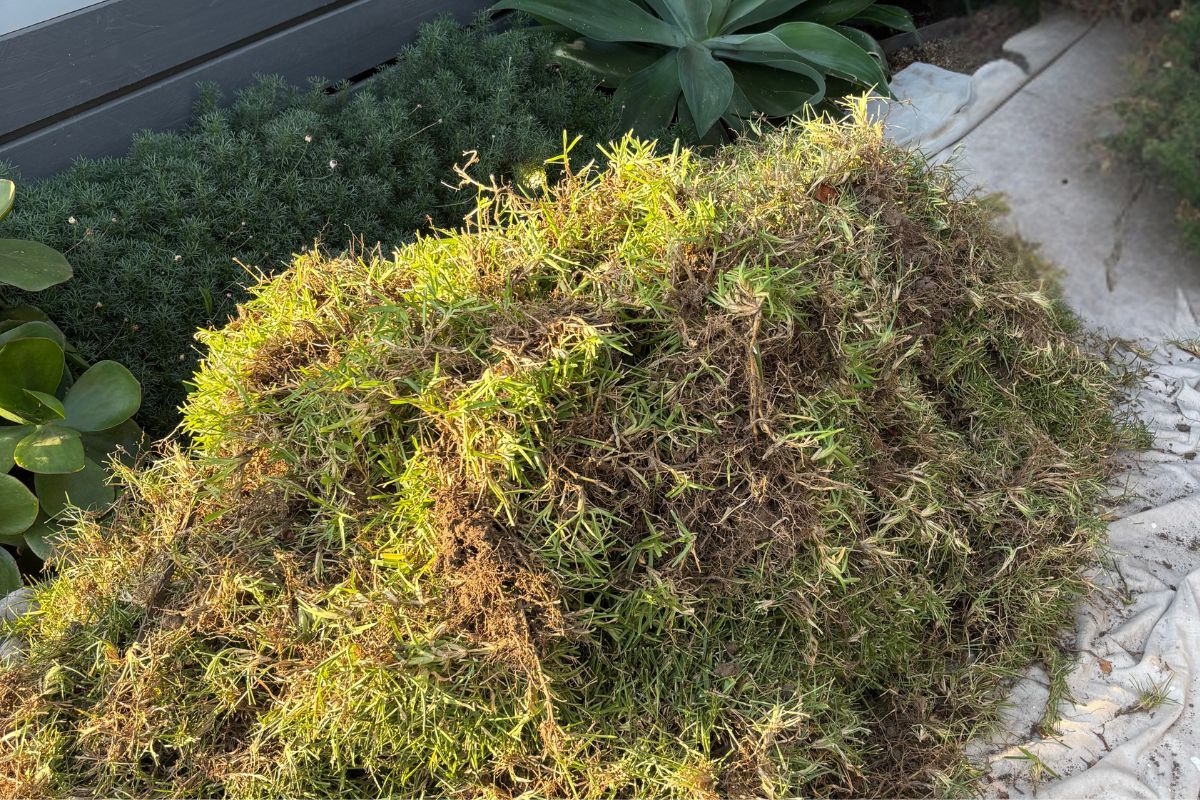
We slowly dug out all of the turf following the shape we’d created and ended up with a pretty impressive pile of grass by the end of it.
We put all of our green waste on Airtasker for someone to come and collect it. If you have a trailer that would make it really easy too. Otherwise, if you are creating a smaller garden bed you could slowly get rid of it through your garden bin each week.
Adding Your Edging
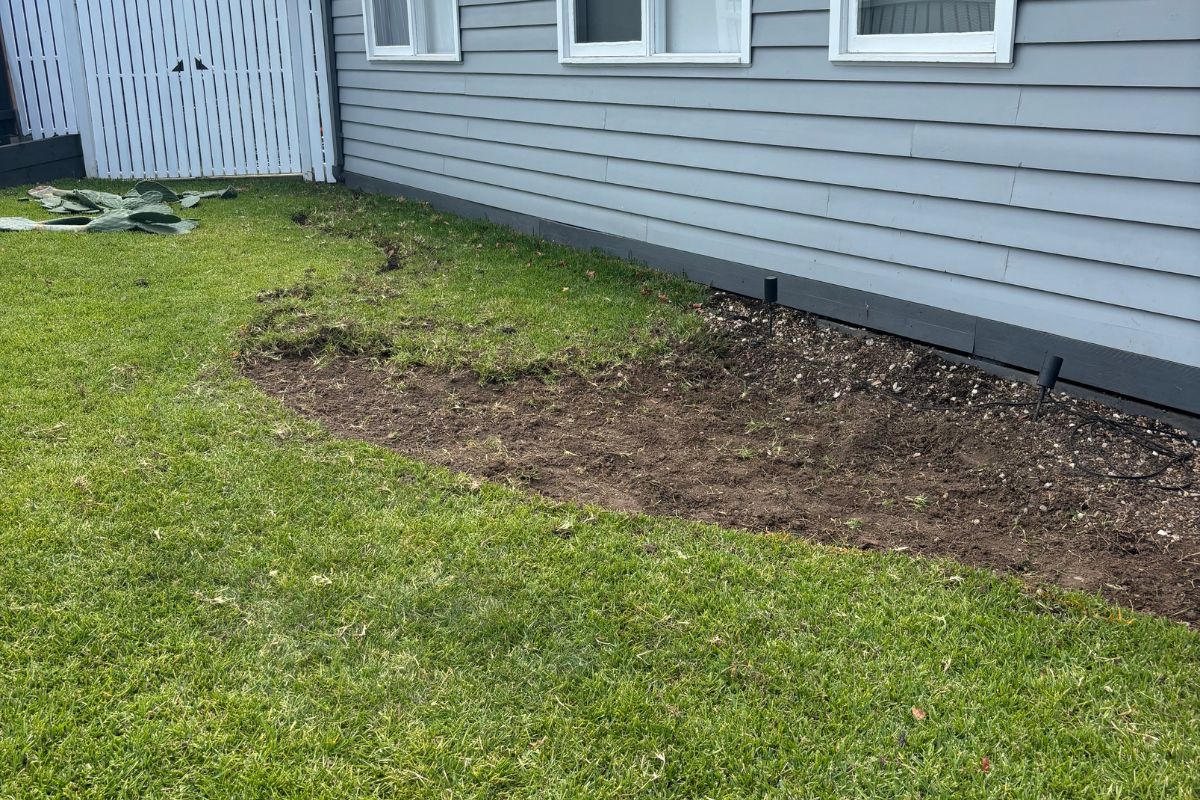
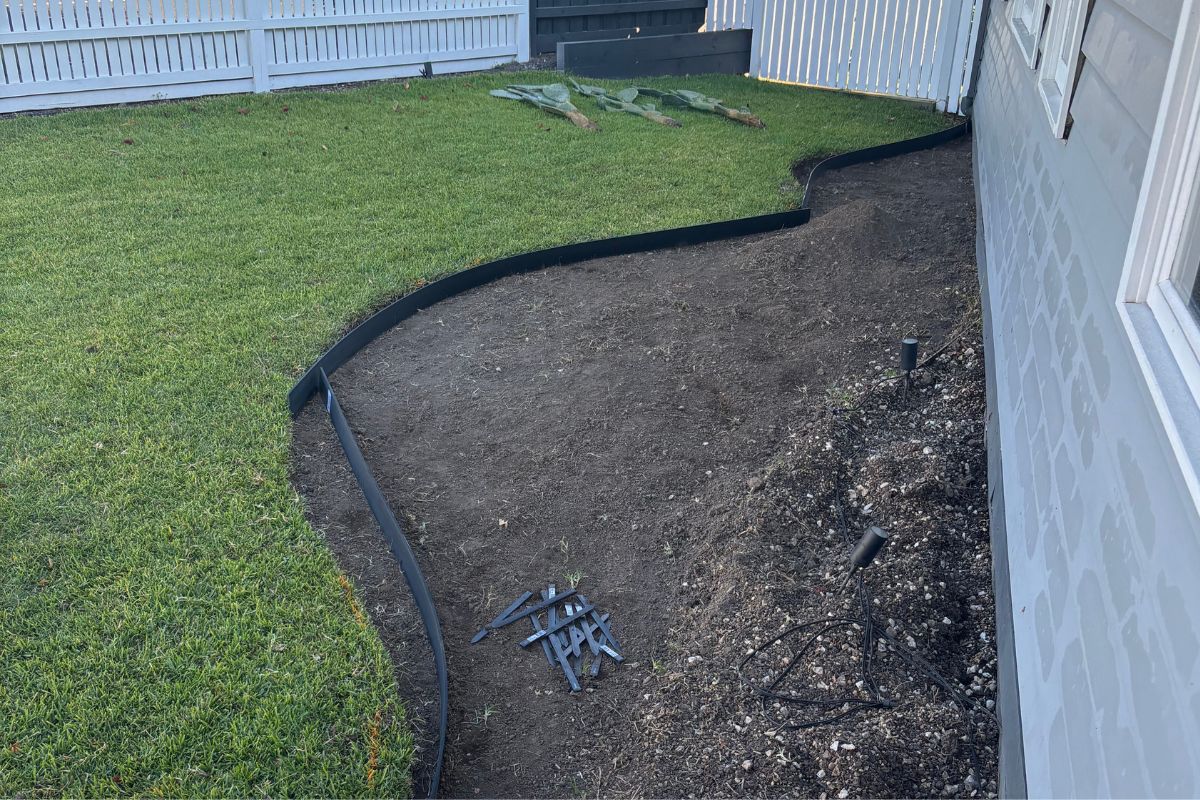
Once we had removed the lawn, we added edging around the garden bed.
We used a thick black plastic edging that we bought from our local landscape supplier but you can find similar at any hardware stores or online.
I definitely recommend doing this while your garden bed is still empty. It helps create a really defined curved shape but importantly it creates a barrier between your lawn and garden bed to help stop the grass creeping back through.
Get Your Soil Right
If there is one part of creating a new garden bed that I wouldn’t skip, it is preparing your soil.
It can be very tempting to get straight into buying all of the pretty plants but your soil is basically the foundation for everything you’re about to grow.
We added lots of high quality garden soil and compost to ours. The garden soil was quite a nice sandy loam which helped with drainage. We also added local compost and cow manure and mixed everything through.
I also sprinkled some aged chicken manure throughout the bed and mixed that into the soil.
Exactly what you will need will depend on what your existing soil is like, your climate and what you’re planning to grow. Spending a little extra time improving your soil before planting will give everything such a better start.
.jpg)
Now For The Fun Part… Choosing Plants!
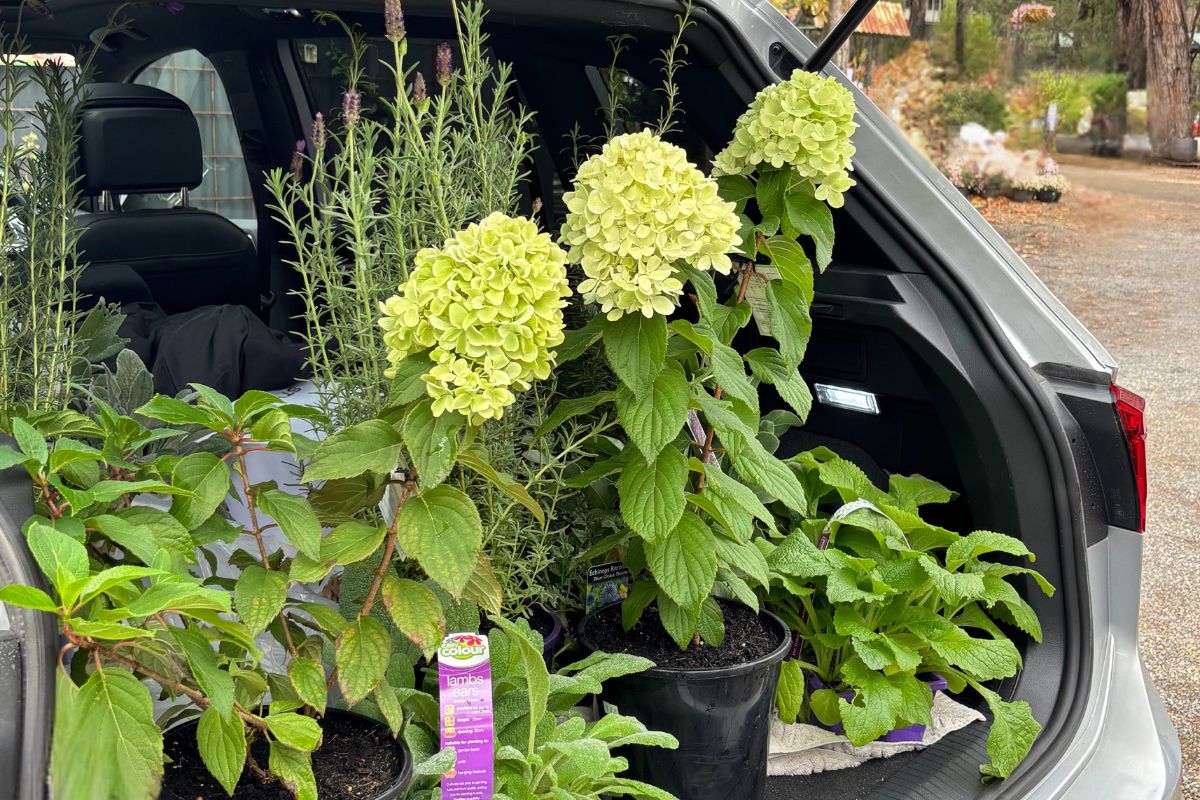
I would love to say before going to the nursery I had a perfectly planned list of every plant and exactly where it was going.
I absolutely did not.
I bought things I loved, moved plants around, went back for more, changed my mind and continued adding things as the garden grew.
Especially if you’re creating your first garden, don’t get so caught up in trying to make it perfect that you don’t actually start. Gardens aren’t permanent. You can move things and add more later. Some plants will surprise you and others might not work at all.
I did loosely think about different heights, textures and colours but mostly I wanted my first season to be real colourful and full of different flowers.
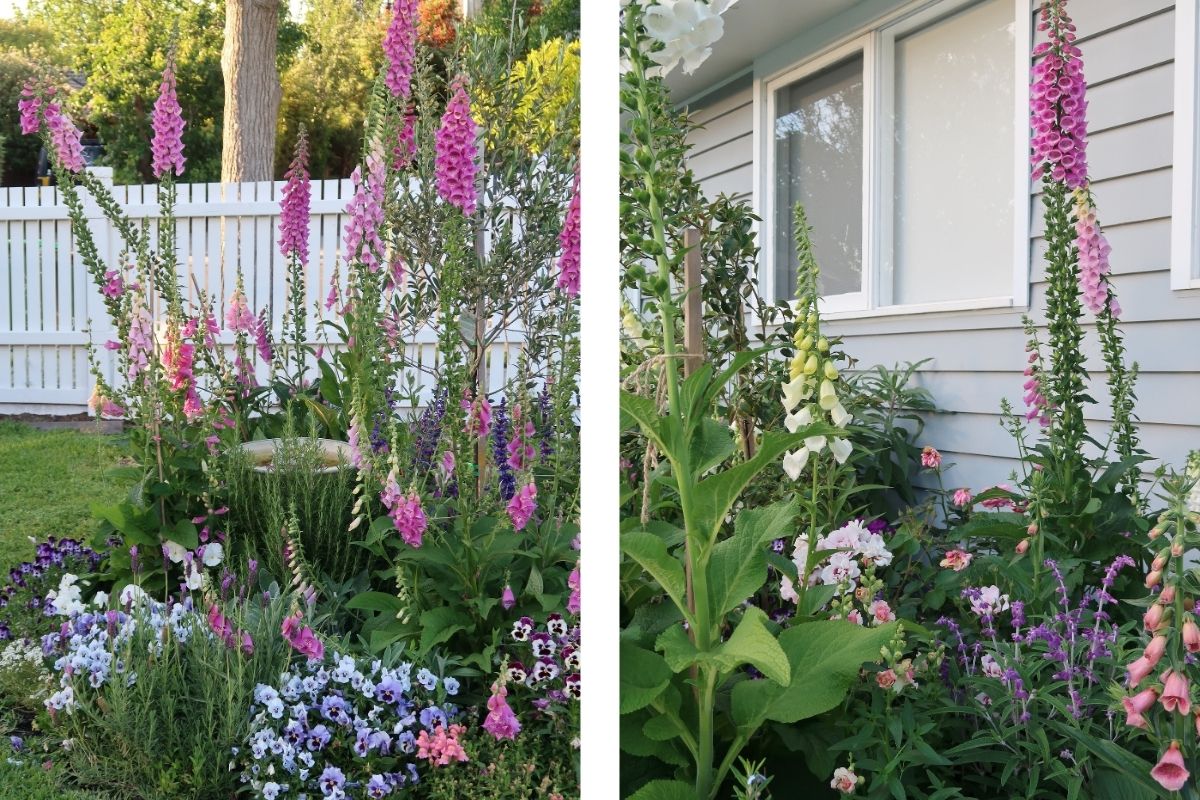
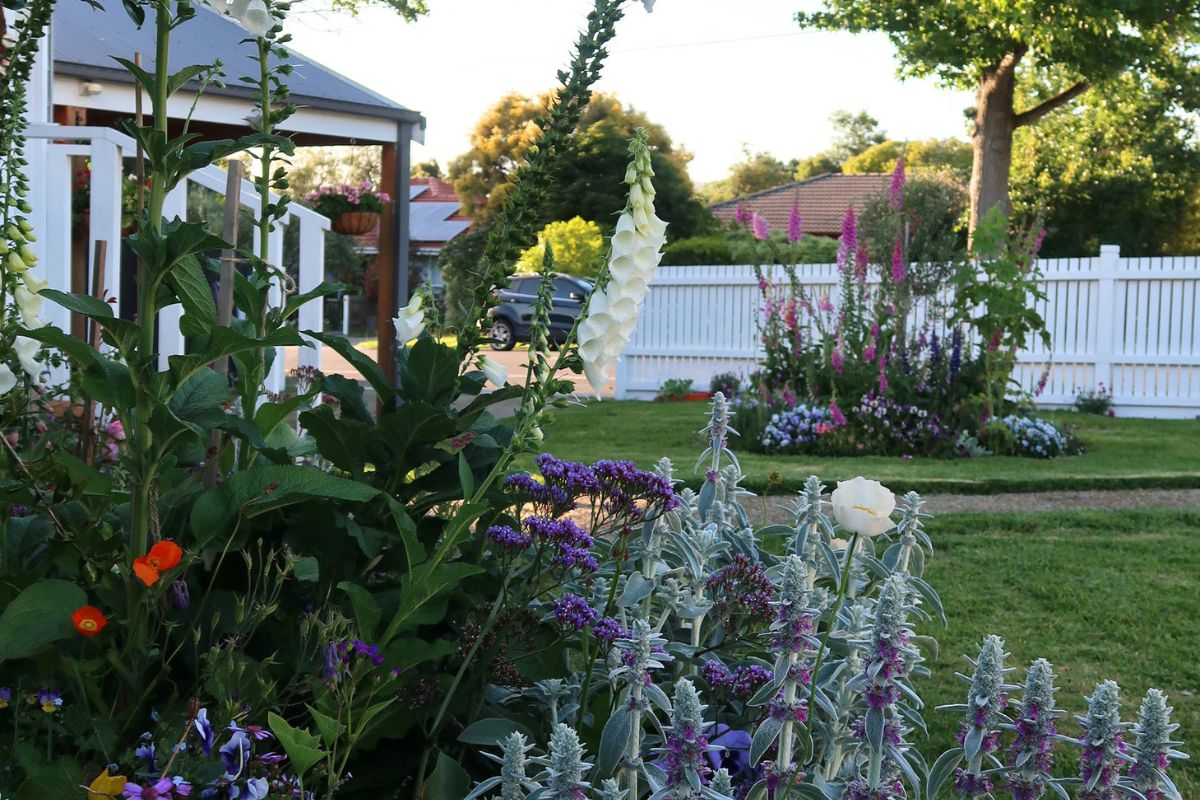
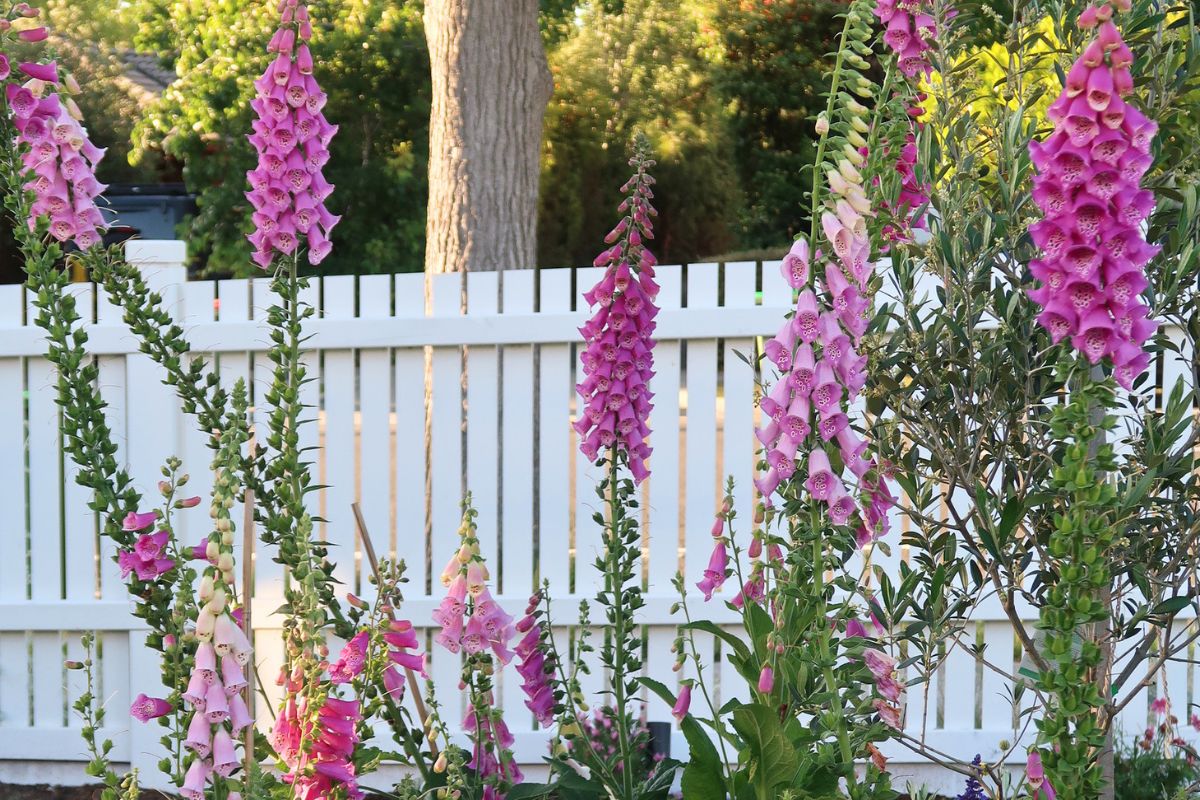
I planted an abundance of foxgloves, snapdragons, roses, poppies, and hollyhocks.
I wanted it to be abundant rather than perfectly organised.
Mix Different Heights, Colours and Textures
This is something I have thought about more as my garden has grown.
When you’re choosing plants, don’t only look at the colour of the flower. Look at the entire plant.
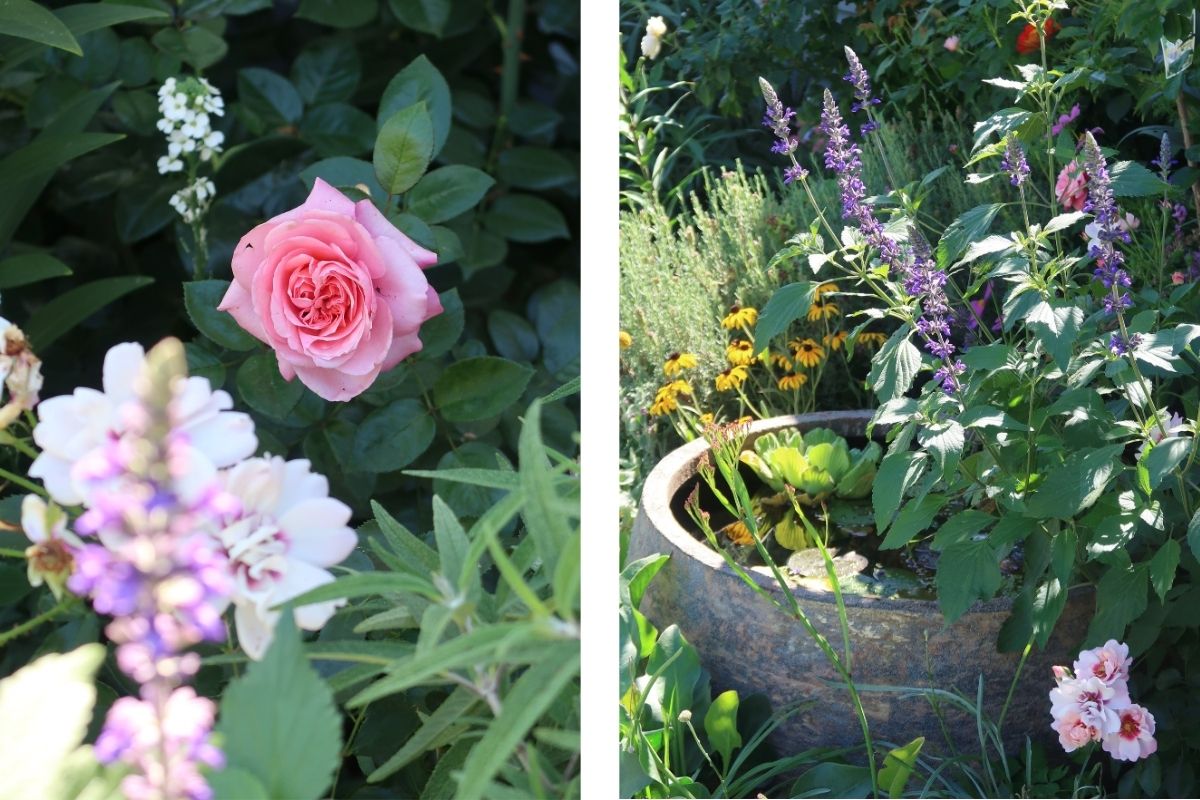
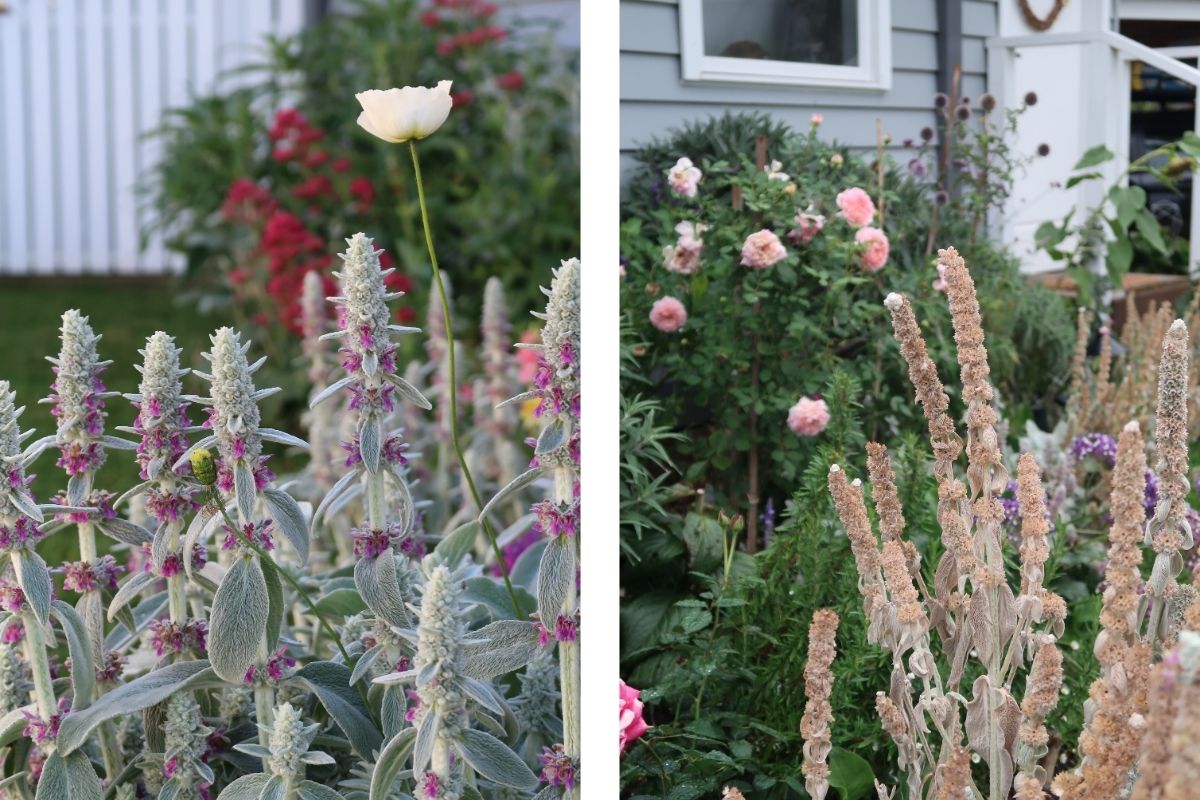
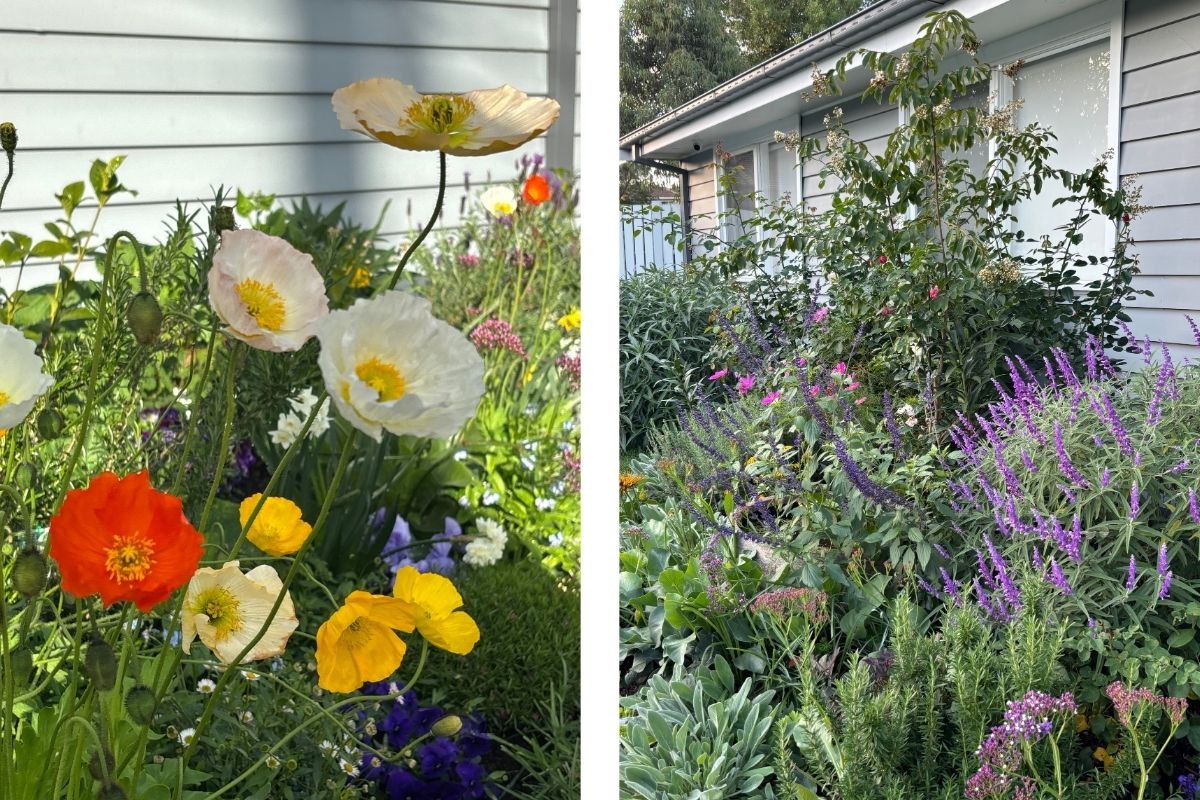
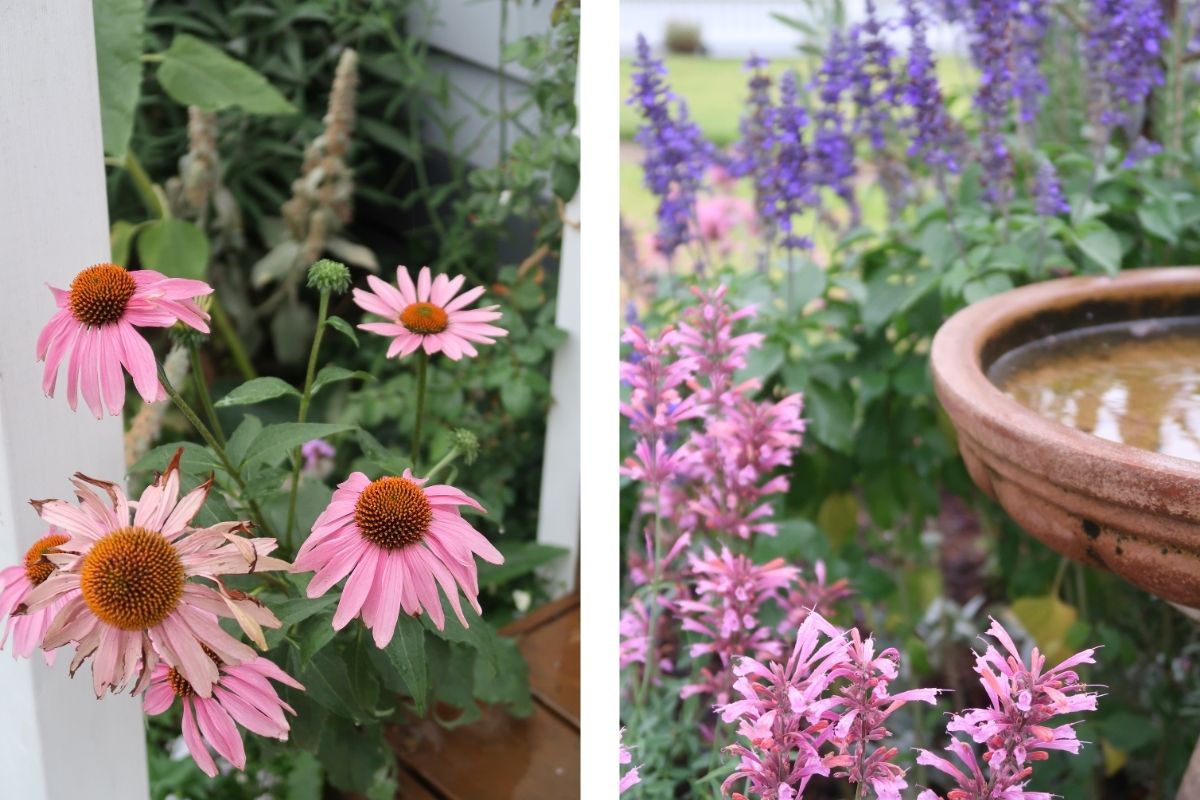
I absolutely love purples and pinks in the garden, so I have lots of different varieties of salvias, lavender, verbena and globe thistle woven throughout. I think these colours look so beautiful against all of the whites, oranges and yellows. But these plants also give you completely different shapes and textures.
Salvias give you beautiful spikes of colour. Verbena has these really tall, fine stems with purple flowers almost floating above everything. Globe thistle gives you round, architectural flowers that look completely different to anything.
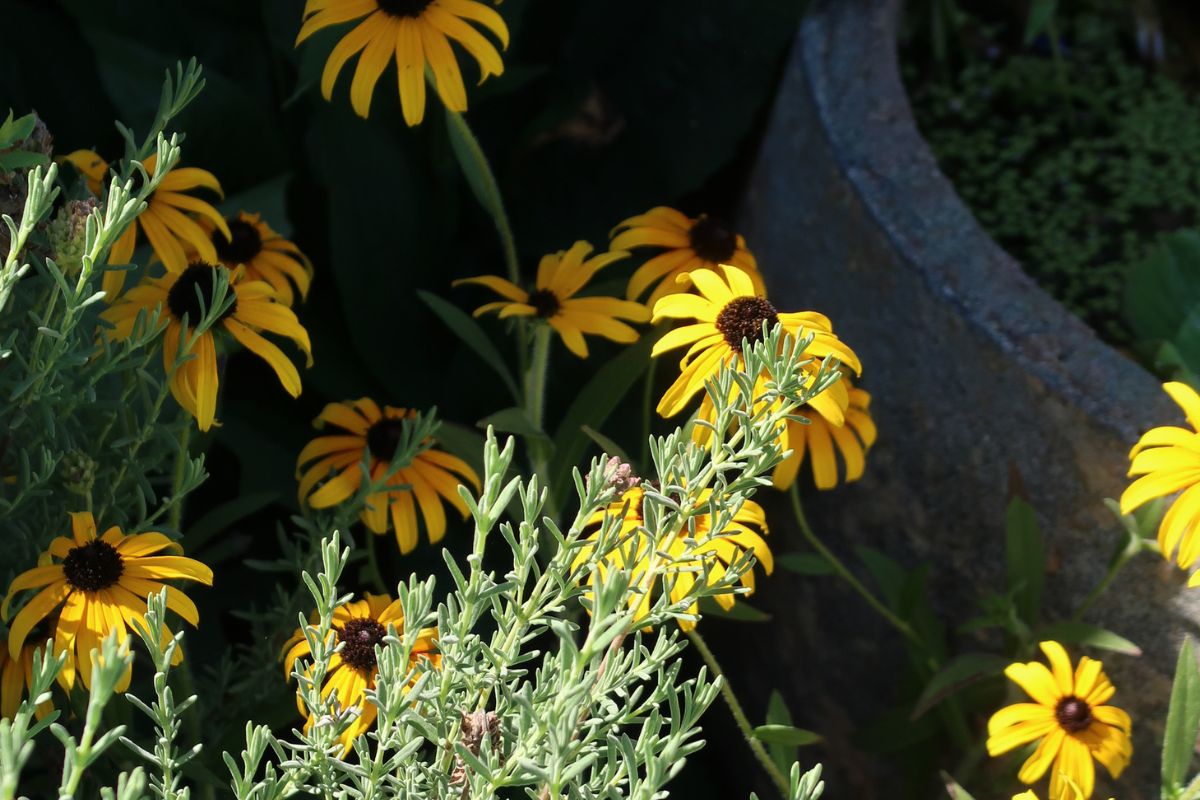
There are plants like rudbeckias that give you those gorgeous pops of yellow.
I think it’s the mixture that makes a cottage garden interesting.
You might have tall spires from foxgloves and salvias, delicate poppies moving around on thin stems, big romantic blush roses, little daisies around the bottom and then something completely different like a globe thistle popping through.
You don’t want everything sitting at exactly the same height.
Don’t Forget About Foliage And Evergreen Plants
I think when you first start gardening it’s really easy to choose everything based on its flowers. I definitely wanted flowers everywhere but I have now learnt how important foliage and evergreen plants are too.
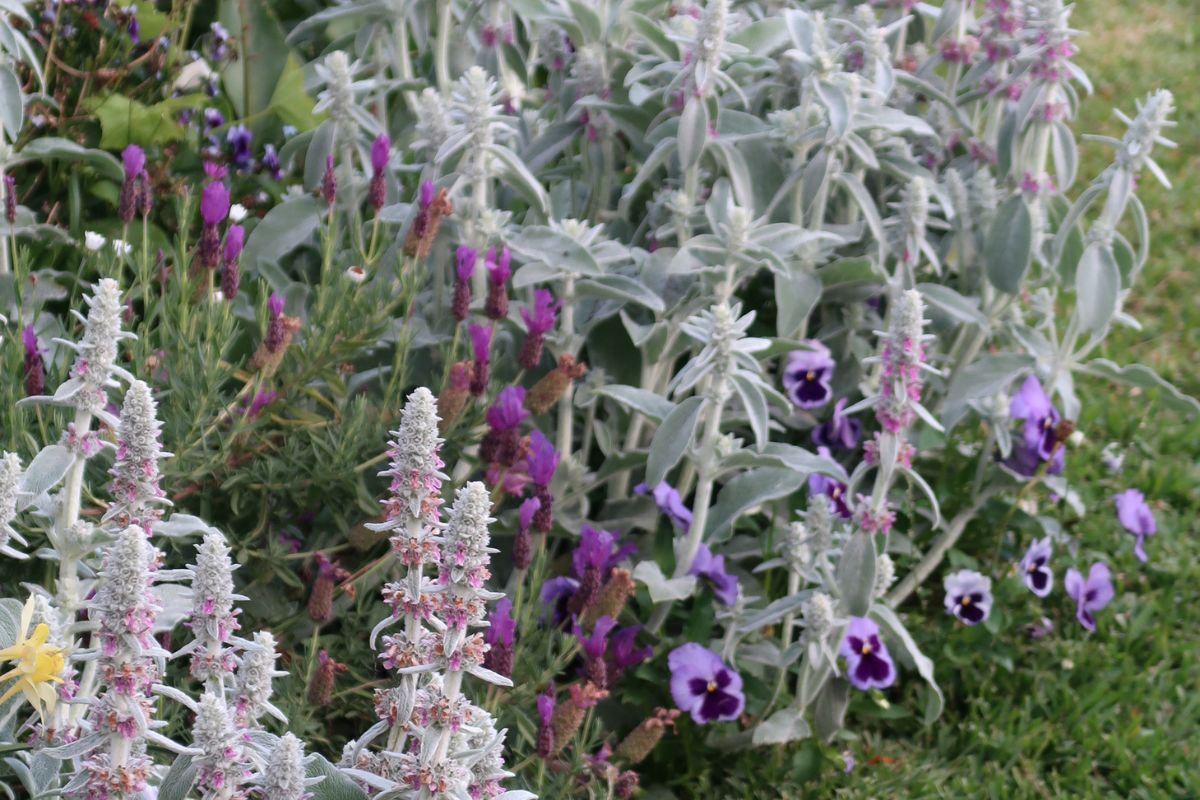
We planted echiums at the ends of the garden beds, which gave us some evergreen structure. Even when the flowers weren’t blooming there was still something green and established in the garden and you do get their beautiful flowers as well.
I also weaved rosemary throughout the beds as well as different varieties of westringia to one day shape into small balls.
Having these more permanent plants amongst the seasonal flowers also helps the garden feel like a garden when some of your annuals or perennials aren’t flowering.
.jpg)
Plant It Out And Give It Time
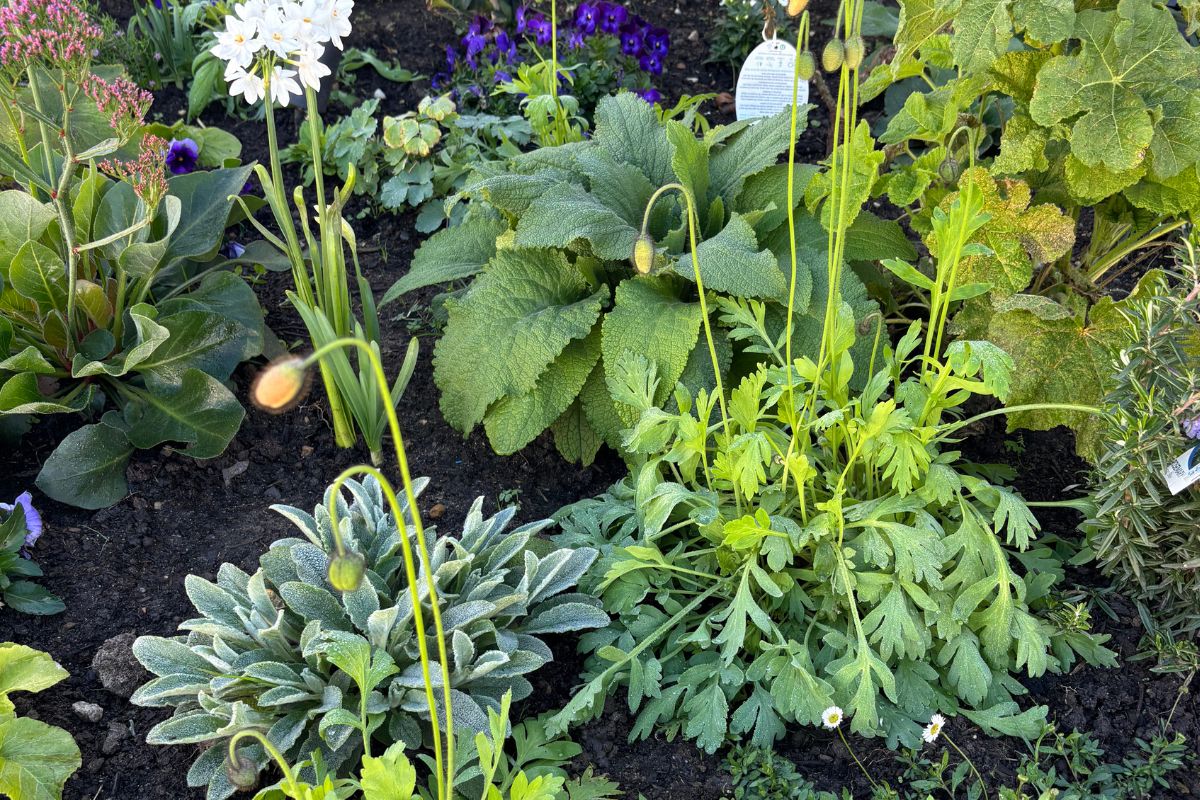
When we first planted everything, the garden looked completely different to how it does now.
There were gaps everywhere. The plants looked tiny. You could see so much soil.
And this is all completely normal.
I think it’s really easy to look at beautiful established cottage gardens and forget that they all started somewhere too.
Your plants need time to establish, grow and start filling in the spaces. Eventually things begin leaning into each other, ground covers spread and those little plants you bought from the nursery or grew from seed suddenly become huge.
You also learn as you go.
I’ve moved plants because they were too tall for where I put them. I’ve added things into gaps. I’ve changed my mind about colours (Too many times!!). I’ve had things disappear and die... other plants grow much bigger than I ever expected.
Don’t feel like your first planting plan has to be your final planting plan.
.jpg)
Try To Have Something Happening Throughout The Seasons
As my garden has developed, this is something I've started thinking about a lot more.
I love walking outside and seeing something happening.
That doesn't necessarily mean having the entire garden covered in flowers all year. Different seasons can bring completely different things.
One month it might be roses. Another it might be poppies. You might have salvias flowering while something else is finishing, or beautiful foliage and seed heads giving you texture when there aren't as many flowers.
When you're choosing plants, have a look at when they flower and try mixing things that bloom at different times.
If everything flowers during the exact same few weeks, you'll have this incredible explosion of colour and then suddenly not much happening.
I like the garden changing throughout the year.
Let It Get A Little Wild
This is probably one of the biggest things I've learnt, a cottage garden doesn't need to be perfect.
In fact, I think it's prettier when it isn't.
I love when plants start growing into each other. Poppies appear between other plants, verbena floats above everything, roses get a little wild and flowers don't necessarily stay exactly where you originally intended them to.
I also don't think you need to immediately cut everything down the second a flower finishes.
Leaving some dried seed heads and stems can add so much texture and interest to a garden, especially through the cooler months. They can also provide food, shelter and habitat for insects and other little visitors.
Of course, you still need to maintain things and cut plants back when needed, but I think there is a really nice balance between gardening and allowing nature to do its thing.
Sometimes the parts you didn't plan end up being the prettiest.
A Few Tips And Tricks I've Learnt Along The Way
There are definitely a few things I've learnt since starting my garden that I wish I knew at the beginning.
Firstly, don't feel like you need to buy every single plant as an established plant from a nursery. Growing from seed is such an easy and affordable way to fill a cottage garden, especially when you have a lot of space to cover.
Some of my favourites are cosmos and zinnias. They're really easy to grow from seed, give you heaps of colour and are also beautiful for cutting and bringing inside.
Poppies are another favourite of mine. I love scattering the seeds through different areas of the garden rather than having them all perfectly planted in one spot. When they start popping up amongst other plants, it gives you that really natural cottage garden look.
Another thing I love is letting some flowers go to seed. You don't necessarily need to deadhead every single flower. Leaving some seed heads means you may get little seedlings popping up in unexpected places later, which I personally love. If they're growing somewhere you don't want them, you can always move them or pull them out.
I also think feeding your garden makes a huge difference, especially once everything starts actively growing again in spring.
In spring I like using a liquid fertiliser because it's really easy. There are lots of different options available, and I just use one that's suitable for the plants I'm feeding and follow the directions on the bottle.
I don't think you need to make feeding your garden overly complicated. I like keeping it simple and giving things a little boost during active growth rather than having a million different products.
Adding compost and organic matter back into your beds is also a really easy way to continue looking after your soil over time. Your soil isn't something you prepare once when you build the garden and then never think about again.
The garden I have now didn't happen in one weekend, and it definitely wasn't perfectly planned from the beginning.
It started with a garden hose lying across a patch of lawn.
Since then I've planted things, moved things, lost plants, grown new ones, scattered seeds, filled gaps and changed my mind more times than I could count.
And I think that's exactly how a garden should be.
If you're looking at a blank patch of lawn and dreaming about having a cottage garden, don't feel like you need to know everything before you begin.
.jpg)
.jpg)
Article & Photography by Emily Todd