
When I moved to Gympie, I was told I wouldn't be able to have a cottage garden.
Growing up in Tasmania, a cottage garden was something I'd always known. My parents worked hard to create theirs, and I spent so much of my childhood watching them plant, tend and nurture it. I loved that garden: the flowers, the changing seasons and the feeling of having something beautiful growing all around us.
So, when I moved to Queensland, the thought that I might have to give that up was hard to accept. I wanted a little piece of that childhood garden here, too. There is nothing I love more than having beautiful posies sitting in different corners of the house. Bringing flowers indoors feels like bringing a little piece of nature with me. But as spring gives way to summer and the temperatures begin to climb, I soon realised Queensland was going to be very different from the garden I'd grown up with. It wasn't just the heat. It was the humidity, the summer rain and the challenge of finding flowers that could cope with all three. Little by little, I realised it wasn't a matter of whether I could grow flowers, but which ones would thrive in my conditions. Rather than fighting the climate, I knew I had to learn to work with it. Easier said than done!
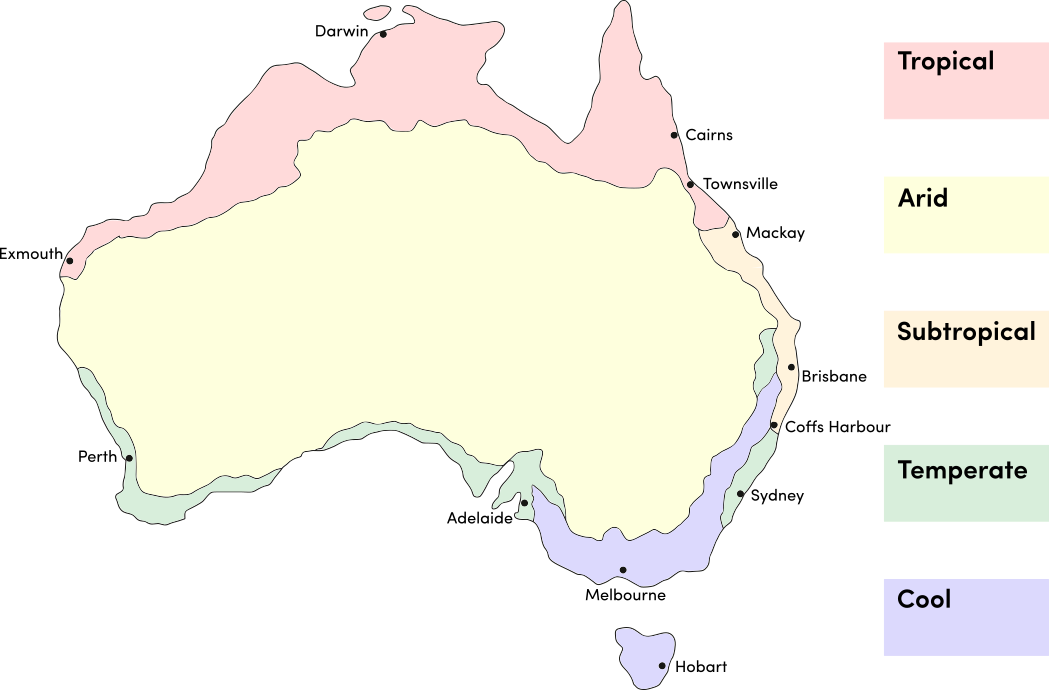
One of the biggest lessons I've learned is that gardening in Queensland isn't as simple as finding a list of plants suited to the Queensland climate. I learned this firsthand when we moved from Tasmania to the Sunshine Coast, and then later bought our home here in Gympie. Even within those moves, I found myself learning to garden all over again. The conditions we experienced on the Sunshine Coast weren't quite the same as what we have here in Gympie. The heat, humidity, rainfall and even the conditions in our own backyards can vary so much. What thrives in one garden might struggle in another, and what works beautifully for someone in Toowoomba or Cairns may not necessarily work for me here. It's a reminder that gardening is often personal. Our gardens are shaped by where we live, the soil beneath our feet, the amount of sun and shade we have, and the conditions we're working with. Much of what I've learned has come through research, plenty of trial and error, and simply paying attention to what grows well in my own garden.
Creating Our Own Microclimate
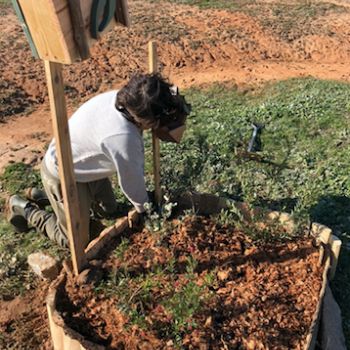
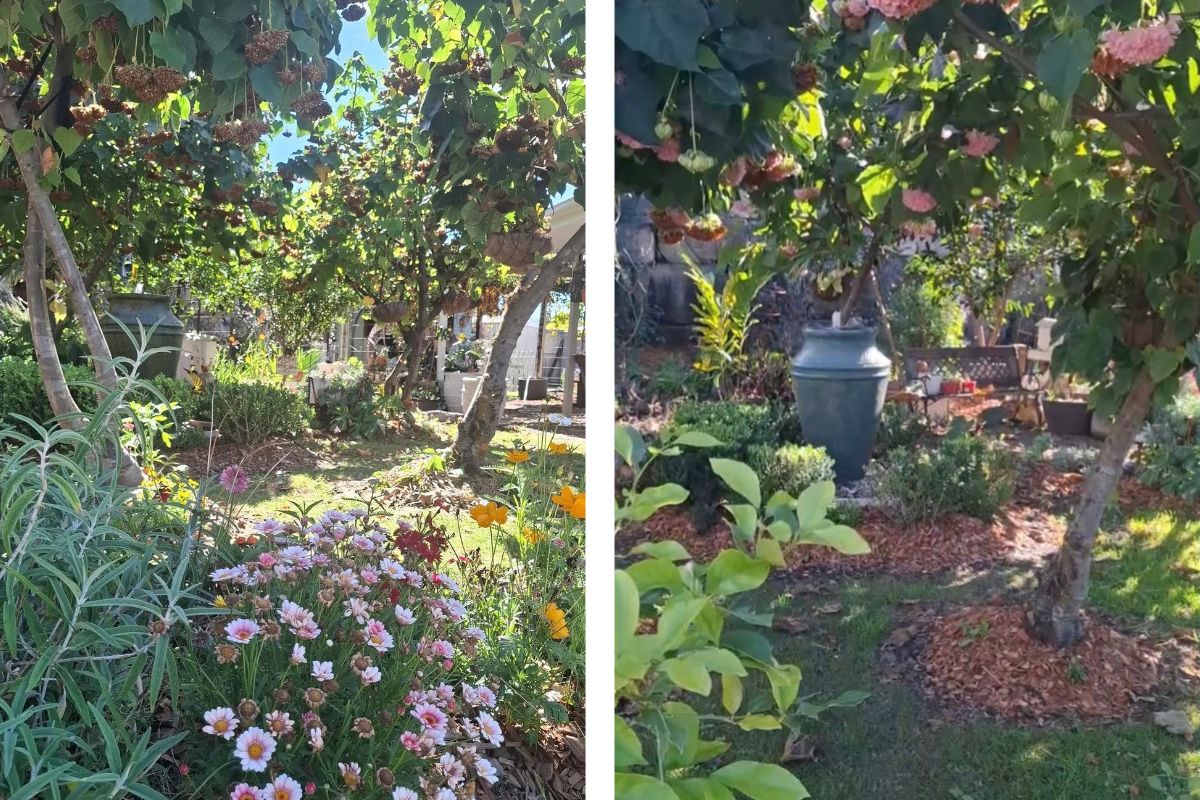
In stating the above I am a huge believer that we don't always have to accept the conditions we're given. Sometimes we can change them too. Or at least try! I remember watching an episode of Gardening Australia when we first moved to Gympie and they discussed using large trees to help cool a backyard. It got me thinking about our own garden and how we could create more shade over time. We planted four Dombeya trees. They seemed quite small at the time, but just a couple of years later, they've created a beautiful shaded area in the yard. That shade has changed how we use the garden, but it has also given us another growing environment to experiment with. Underneath the trees, we've been able to grow annual flowers such as alyssum, violas and calendula, which appreciate some protection from our harsher conditions. Because they're annuals, we can also change things up as the seasons and our preferences change. Gardening is all about looking at your own space, and understanding what you're working with and sometimes, creating better conditions for the plants you want to grow.
So, What Flowers Can You Grow In A Queensland Summer?
With a shaded area taking shape in our garden, I began working on a patch out in the open for the flowers I love to bring inside. Perhaps you're much the same? Maybe you love having fresh flowers on the dining table or a little posy beside the kitchen sink, but you're not quite sure what will cope with a Queensland summer. Here in Gympie, I've found a handful of flowers that are worth growing if you love colour, enjoy picking your own blooms and want to encourage pollinators into the garden.
Zinnias
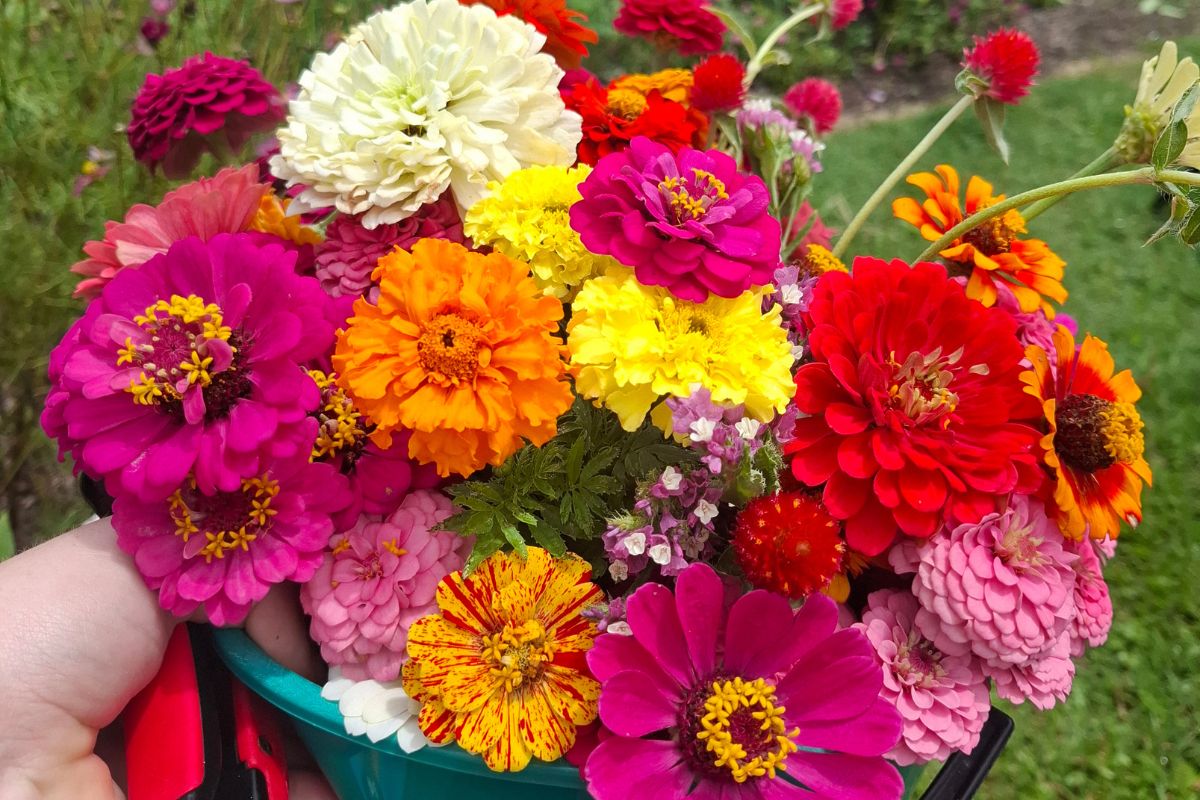
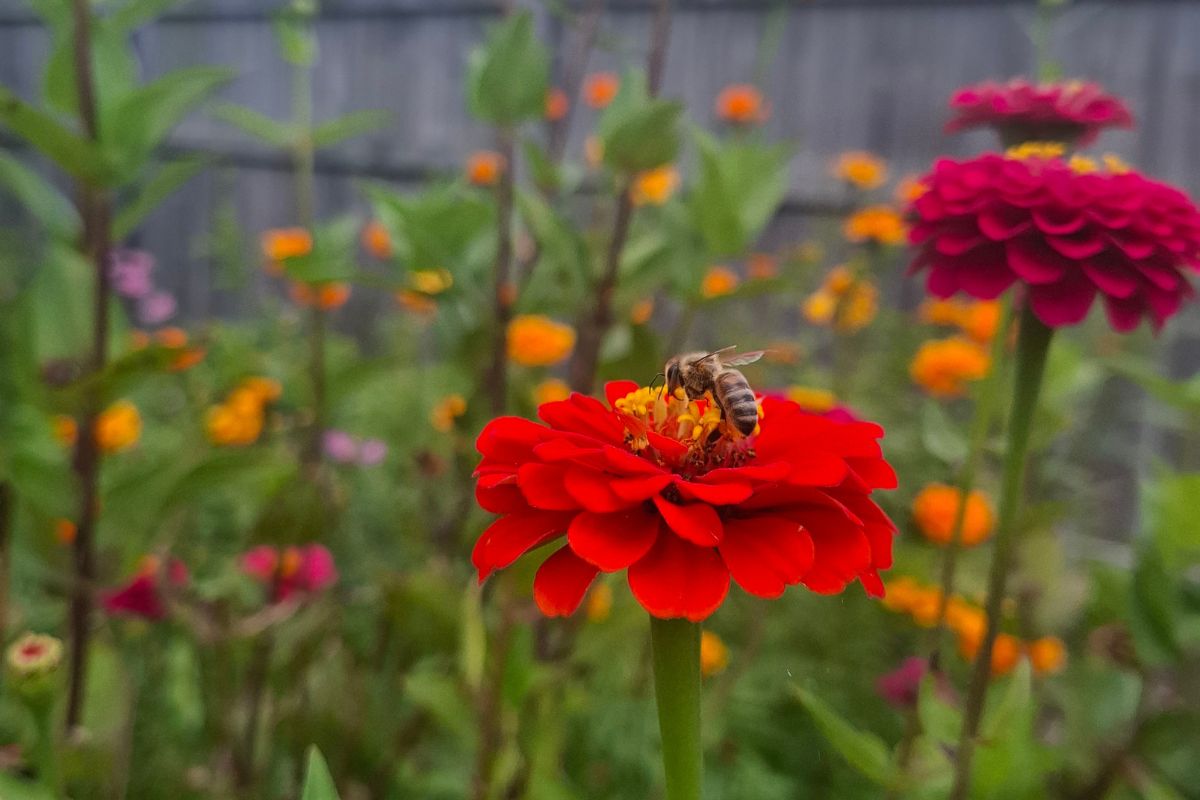
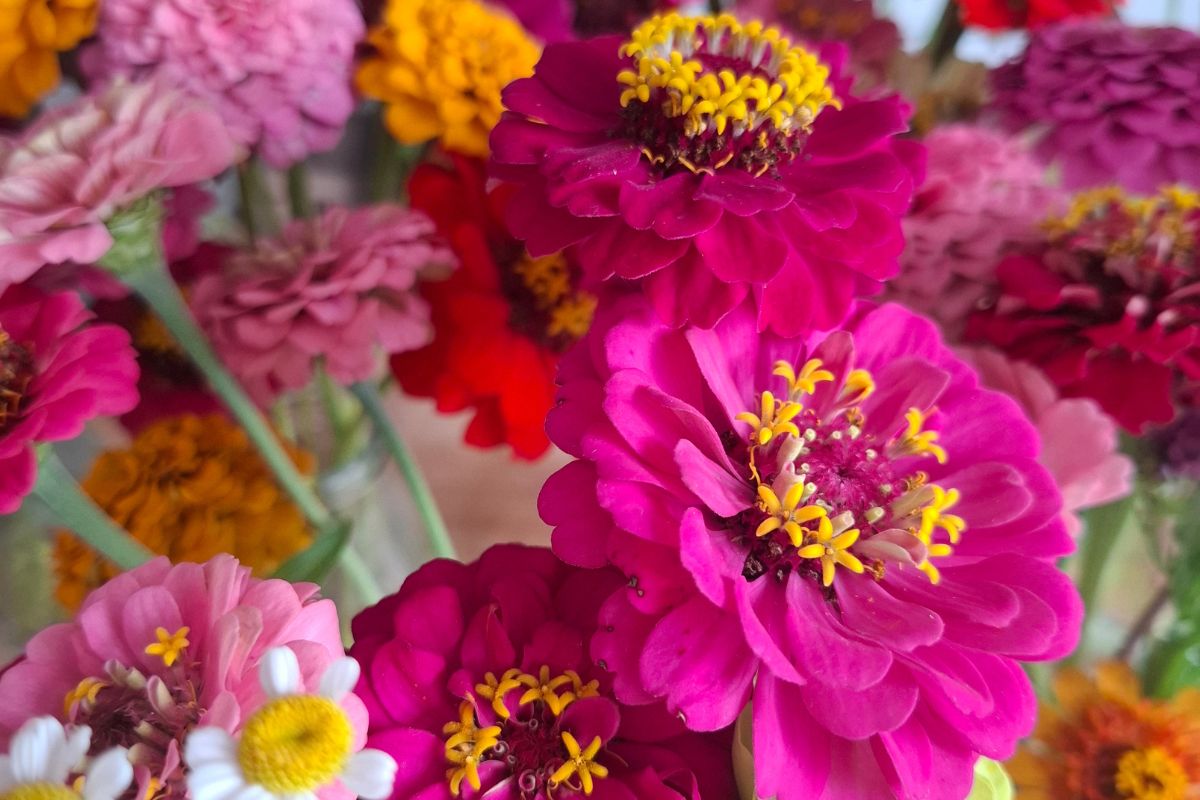
Zinnia are one of those flowers that make me feel like I've finally worked out a little of the secret to summer gardening. They bring so much colour, and here in my garden, they've become something of a workhorse over the warmer months. With plenty of sun, suitable drainage and regular picking, they can keep producing flowers over a long period. I love them for their bright colours, their usefulness in a vase and the fact that they're relatively easy to grow from seed. The more you pick, the more flowering shoots the plant can produce, provided it's growing well. As a beekeeper, I've also enjoyed watching bees visit the flowers. They're a lovely addition to a garden that aims to provide food for pollinators. Zinnias are particularly satisfying when you want plenty of blooms without spending a fortune on seedlings. Growing them from seed means you can plant generously, try different varieties and fill a patch with colour. I particularly love that the seed collection offers zinnia in bulk packs.
Sunflowers
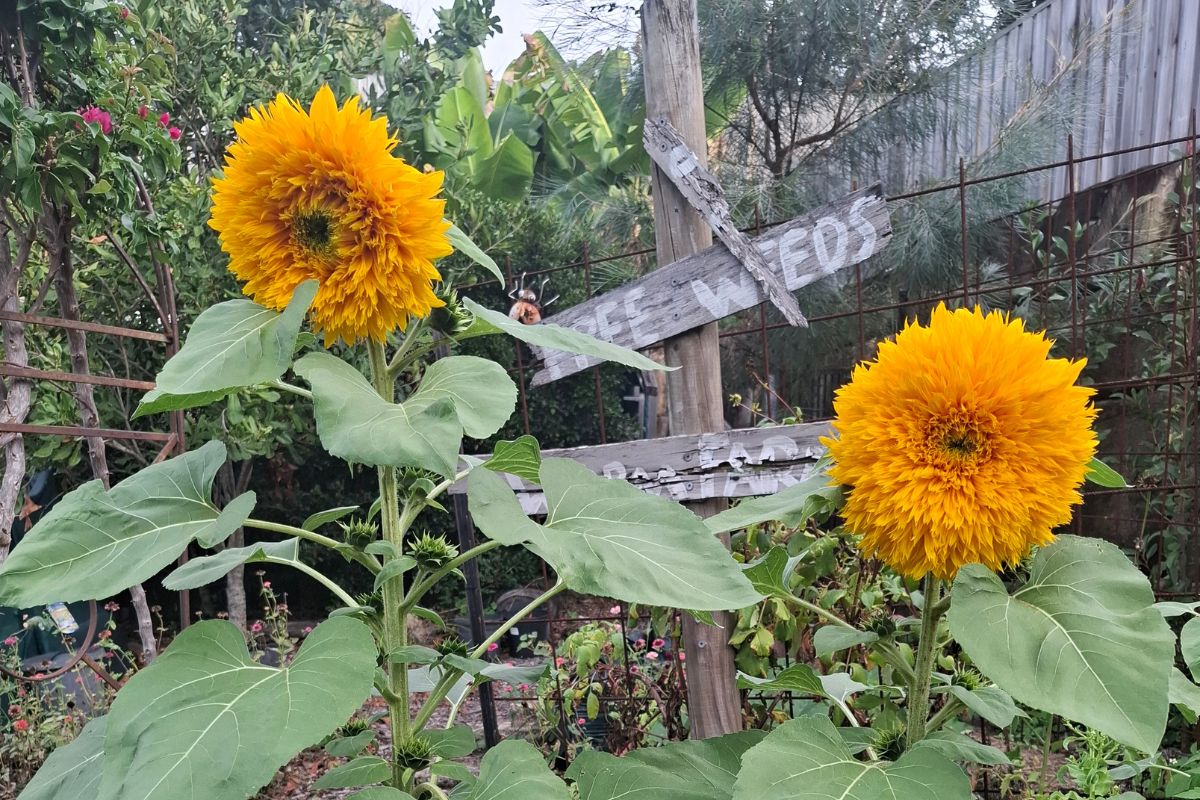
Sunflowers are another obvious choice for a summer garden. The birds and bees love them, and if you're lucky enough to get to the flowers first, they're the sort of bloom that makes a real statement. I love that there are so many different sunflower varieties available, from branching types that produce multiple flowers to varieties grown for their large, dramatic heads. The seed collection also offer these in bulk packs too. Sunflowers are cheerful, quick to grow and wonderfully rewarding, particularly for children. Watching a tiny seed grow into a tall plant topped with a giant flower is something they can see happening right before their eyes. Choose a sunny position and give taller varieties enough space and support if needed. In exposed gardens, strong summer storms and wind can damage tall stems, so it's worth thinking about where you plant them.
I like to sow a few seeds at a time rather than planting everything at once. This is called succession sowing, and it can help spread your flowering period rather than having the whole patch bloom and finish together.
Celosia And Gomphrena
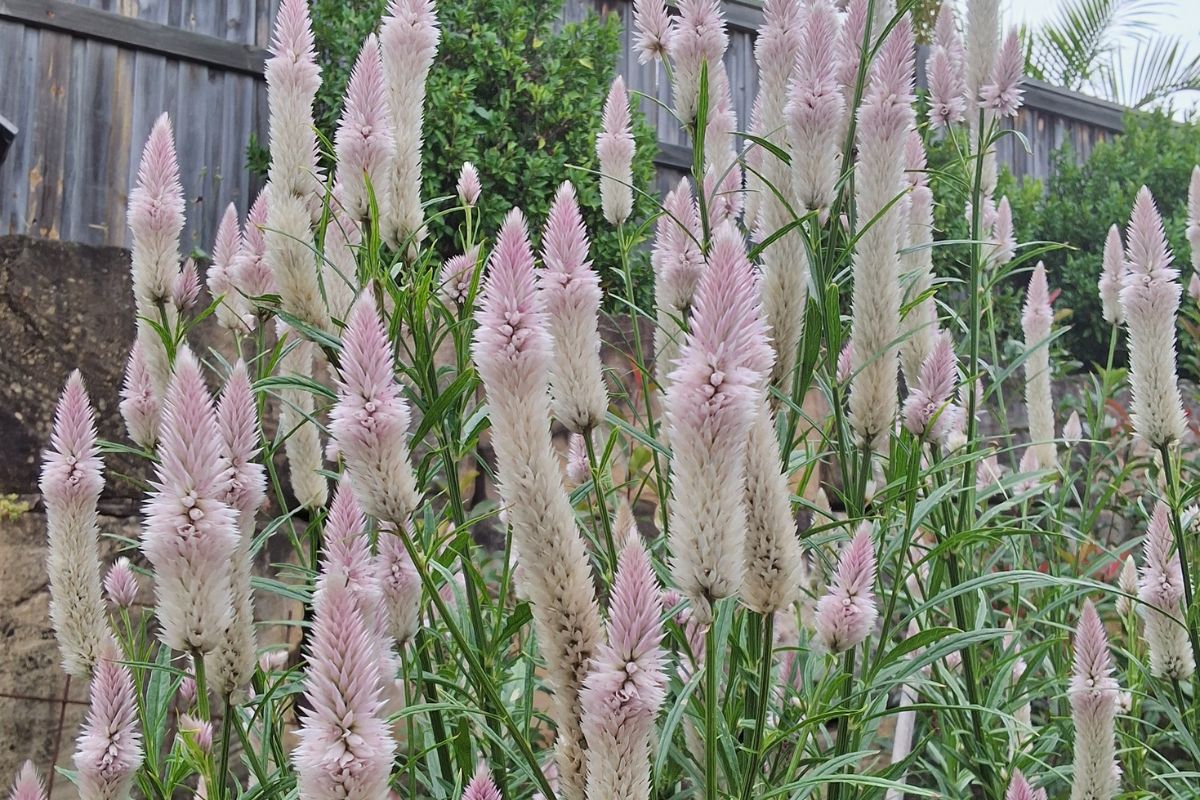
Celosia and Gomphrena are two more flowers worth experimenting with if you want colour that suits a warm garden. The celosia pictured here is Celosia 'Flamingo Feather'. Its unusual flower heads add texture and interest to a summer garden, and they're lovely for creating something a little different in a vase. In my garden, celosia has also been happy to self-seed, giving me new plants without having to start from scratch each time. If conditions suit them, these plants can become a regular feature of the garden. In fact just the winter gone they didn't die off because we had warm enough temperatures still!
Gomphrena is another favourite for its rounded, colourful blooms. It copes well with warmth once established and is particularly useful if you enjoy picking flowers to dry as well as fresh. Its papery flower heads hold their colour well, making it a handy addition to everlasting arrangements. Both are worth considering if you're looking for something beyond the usual summer favourites.
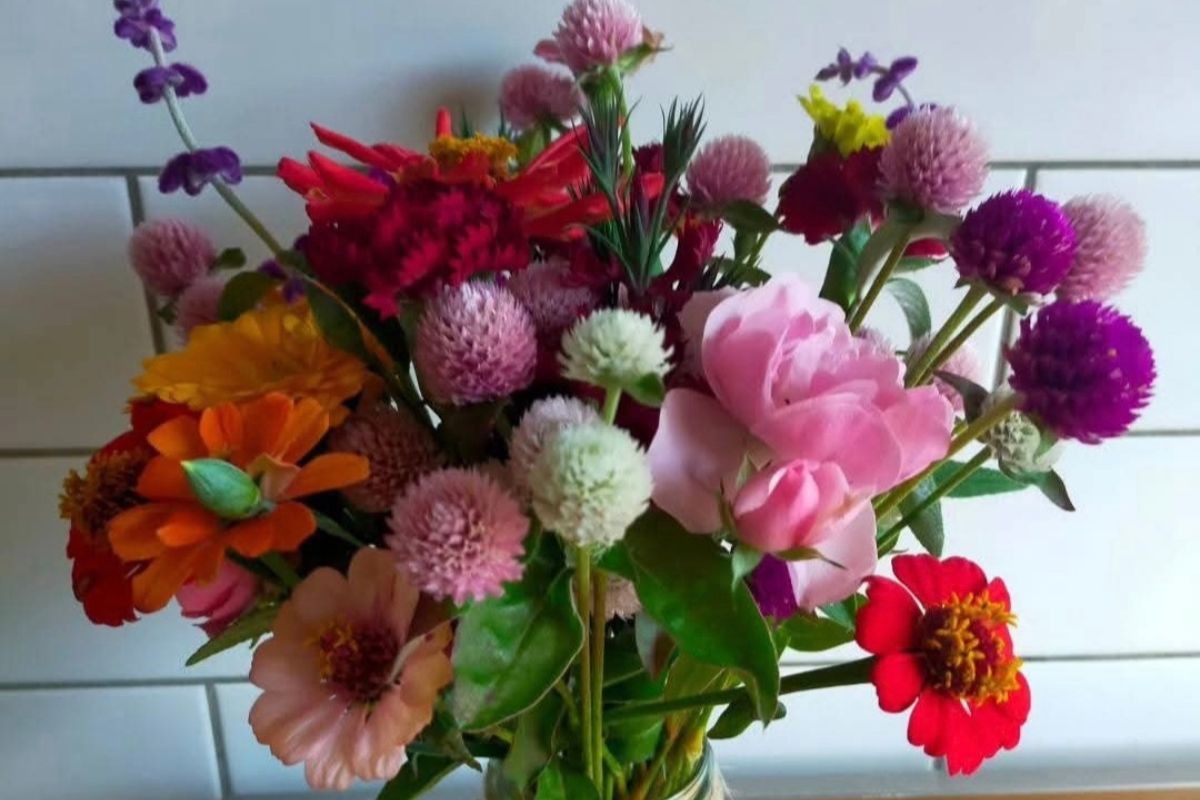 Can you spot the purple, white and pink pom pom looking heads? This is gomphrena.
Cosmos
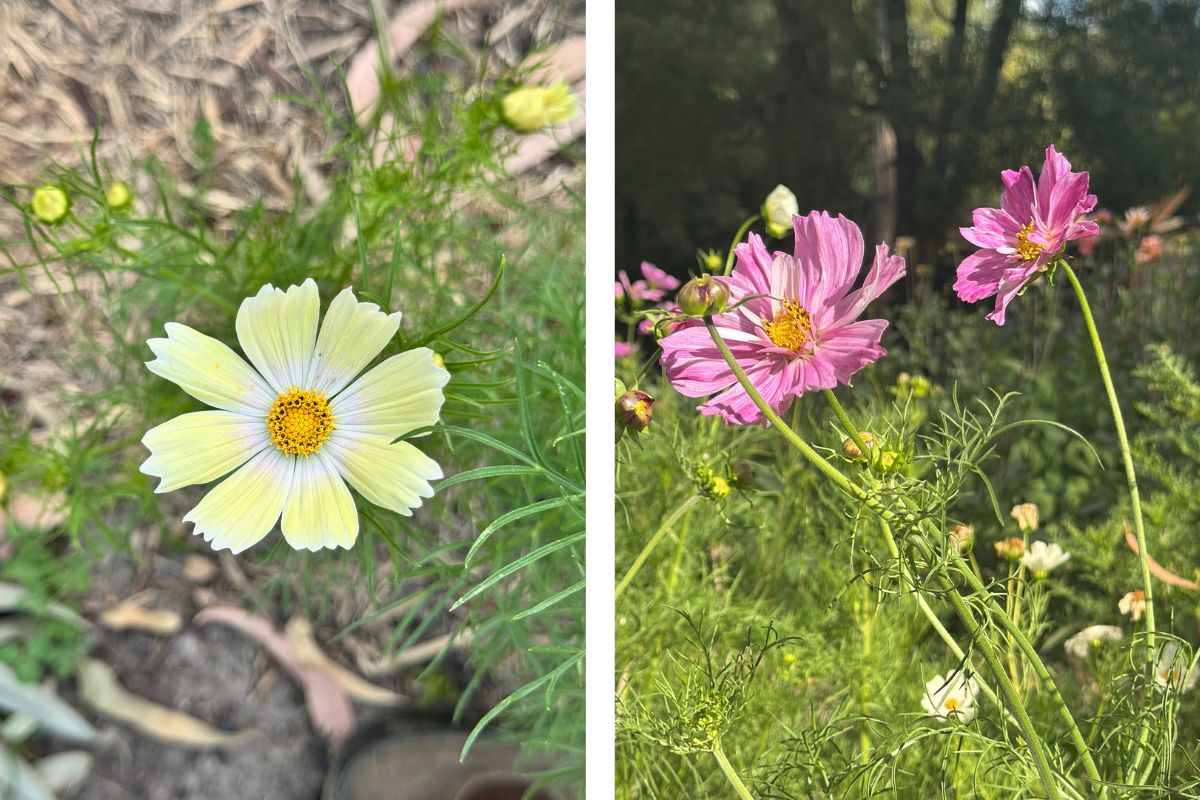
Cosmos have a softer, more delicate look than many of the other flowers on this list. Their fine, feathery foliage and airy blooms bring a lovely sense of movement to a garden and make a beautiful addition to a posy. They're easy to grow from seed and can self-seed where conditions allow. Bees and other pollinators visit their flowers, making them a useful addition to a wildlife-friendly garden.
Cosmos generally prefer a sunny position and well-drained soil. Too much fertiliser, particularly nitrogen, can encourage lots of leafy growth at the expense of flowers, so there's no need to overfeed them. I love how they can fill a space without making it feel too crowded or structured. They're a reminder that a cottage garden doesn't have to be perfectly planned to be beautiful.
Dahlia
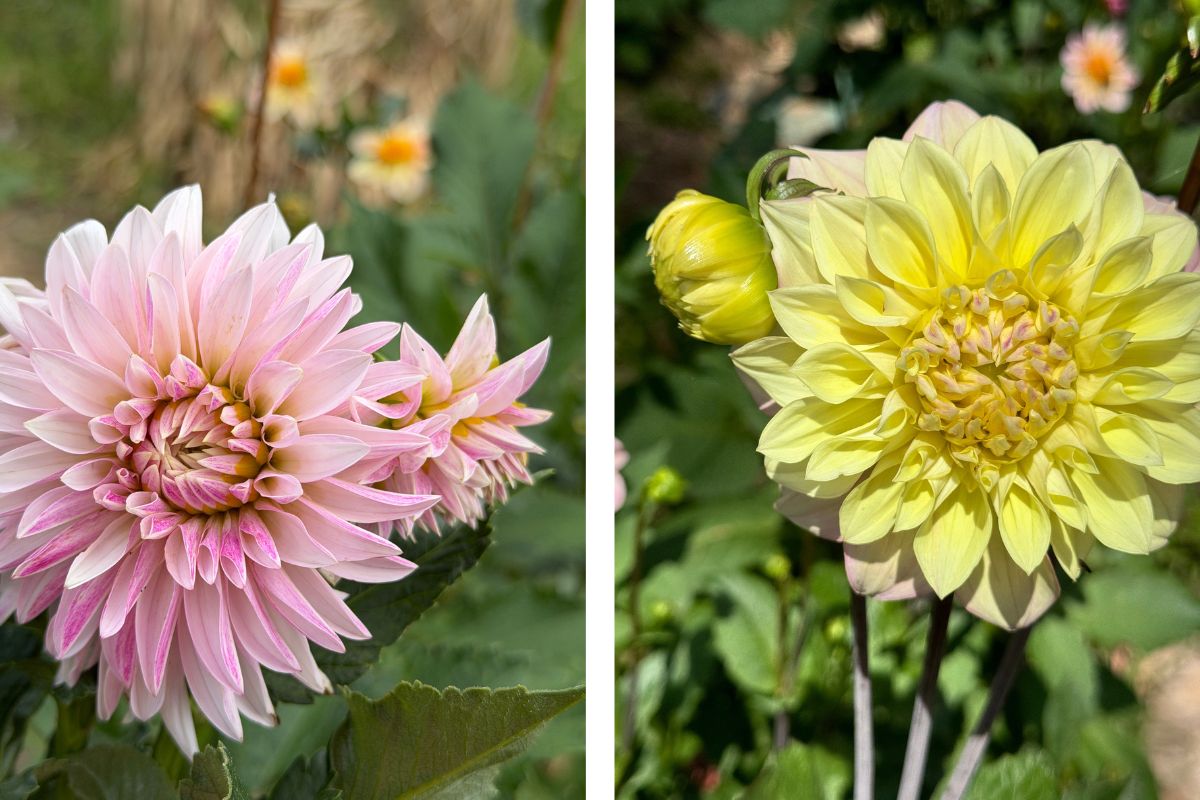
With so many colours, shapes and sizes to choose from Dahlias are another winner. I grow mine from tubers, and they've been growing wonderfully here in Gympie. I love the variety of blooms they produce. However, when it comes to growing dahlias in Queensland, drainage is something worth paying attention to. While they appreciate consistent moisture as they're growing, sitting in waterlogged soil can cause their tubers to rot, particularly during our wet summers. I lift and store my tubers rather than leaving them in the ground, although some gardeners in even warmer parts of Queensland do leave theirs in place. Whether this works for you will depend on your local conditions and, importantly, how well your soil drains.
Marigolds
Marigolds bring a strong pop of colour to the garden and are a lovely companion to vegetables and herbs. They're relatively easy to grow, can flower over a long period in suitable conditions and are useful for adding colour to both garden beds and pots. Some varieties also make good cut flowers.
Marigolds are often recommended as companion plants because of their potential benefits in certain garden situations. However, they're not a guaranteed fix for garden pests, so I like to think of them as one part of a healthy, diverse garden rather than a solution to every pest problem. They're also worth growing for their cheerful flowers alone.
Learning To Grow With The Seasons
Gardening is an ongoing experiment. I still have plenty to learn, and I suspect I always will. That's part of what I love about gardening.
For me, growing a cottage garden in Queensland hasn't been about recreating the garden I grew up with exactly as it was. It's been about finding my own version of it here in Gympie, choosing flowers I love and learning how to grow them in the conditions I have. And when I can walk outside, pick a handful of blooms and bring them inside to brighten the house, it feels like I've brought a little piece of that childhood garden with me after all.
Article & Photgraphs by Jess Kuronen