
There is something incredibly satisfying about walking outside and picking blueberries straight from your own plant. They are delicious, nutritious and surprisingly well suited to growing in pots, making them a great option even if you don't have a large garden.
Blueberries do have a reputation for being a little fussy, but once you understand what they need, they aren't difficult to grow. The key is getting a few things right from the beginning. In fact, growing blueberries in pots can make some of these things easier. You have far more control over the soil and position of the plant and, if something isn't quite right, it's much easier to make adjustments.
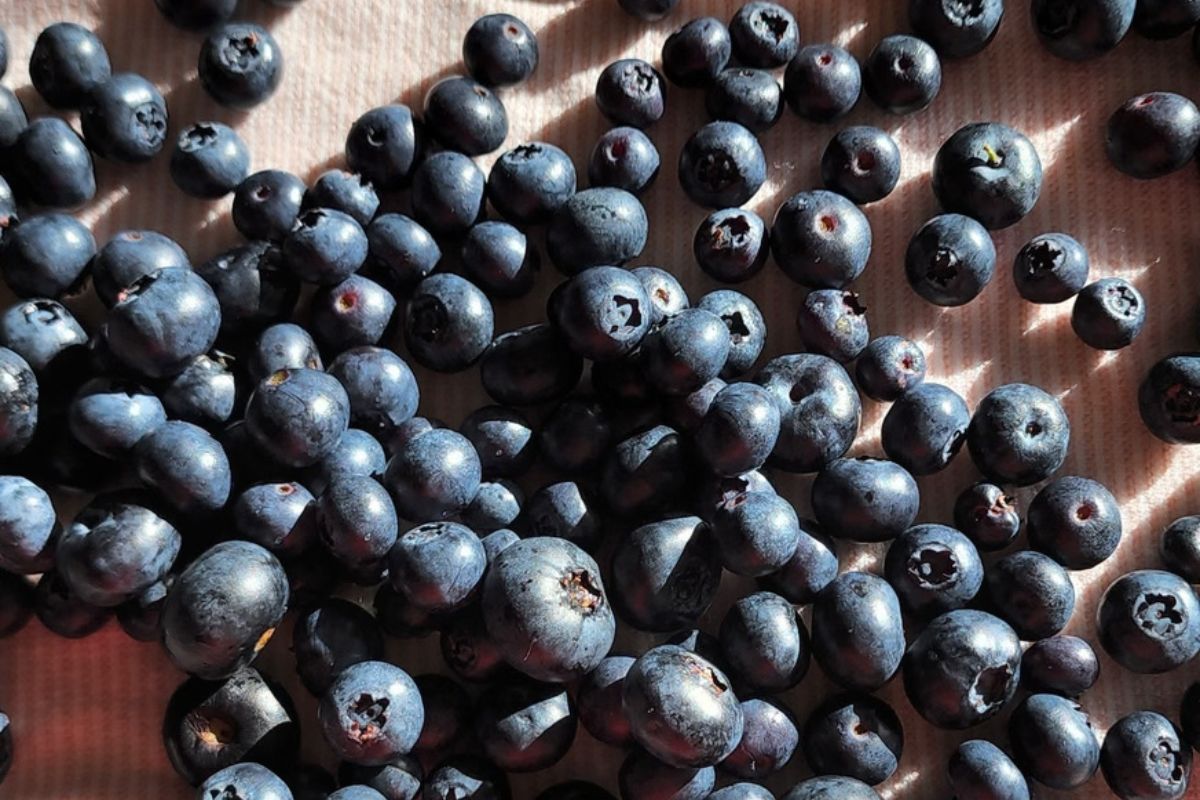
Choosing The Right Blueberry Variety
Before you start thinking about pots and potting mix, choose a blueberry variety suited to your climate.
Blueberries commonly grown in Australia include Northern Highbush, Southern Highbush and Rabbiteye varieties. Northern Highbush blueberries generally suit cooler regions, while Southern Highbush and Rabbiteye varieties have lower chill requirements and are better suited to warmer areas.
If you're gardening in Queensland or another subtropical area, look for a low-chill variety. 'Biloxi', 'Misty', 'Sharpe Blue' and 'Sunshine Blue' are options suited to warmer climates, with the compact 'Sunshine Blue' particularly well suited to growing in pots.
Some blueberries are self-fertile, but growing another compatible variety nearby can help with pollination and fruit production. If you're unsure which variety will suit your area, check with a reputable local nursery.
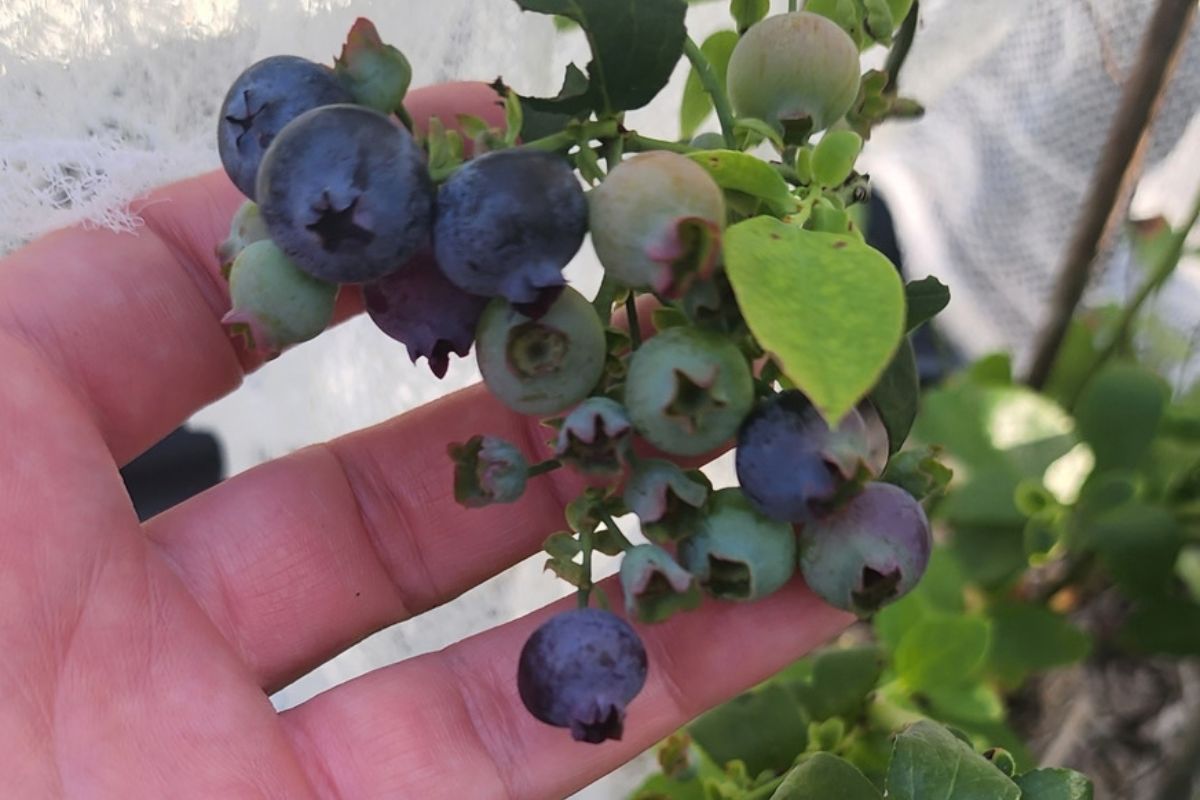
Why Grow Blueberries In Pots?
Blueberries have fairly particular soil requirements. They like acidic conditions, regular moisture and excellent drainage.
Growing them in a pot means you aren't trying to completely change the soil conditions in an existing garden bed. Instead, you can create the growing environment they need from the beginning.
Pots are also handy if you're working with a small garden, courtyard or balcony, and you can move the plant if its position isn't working.
Just remember that blueberries aren't tiny plants. While a young blueberry can begin in a relatively modest pot, it will need more room as it grows.
Getting The Soil Right
If there is one part of growing blueberries that you don't want to guess, it is the soil.
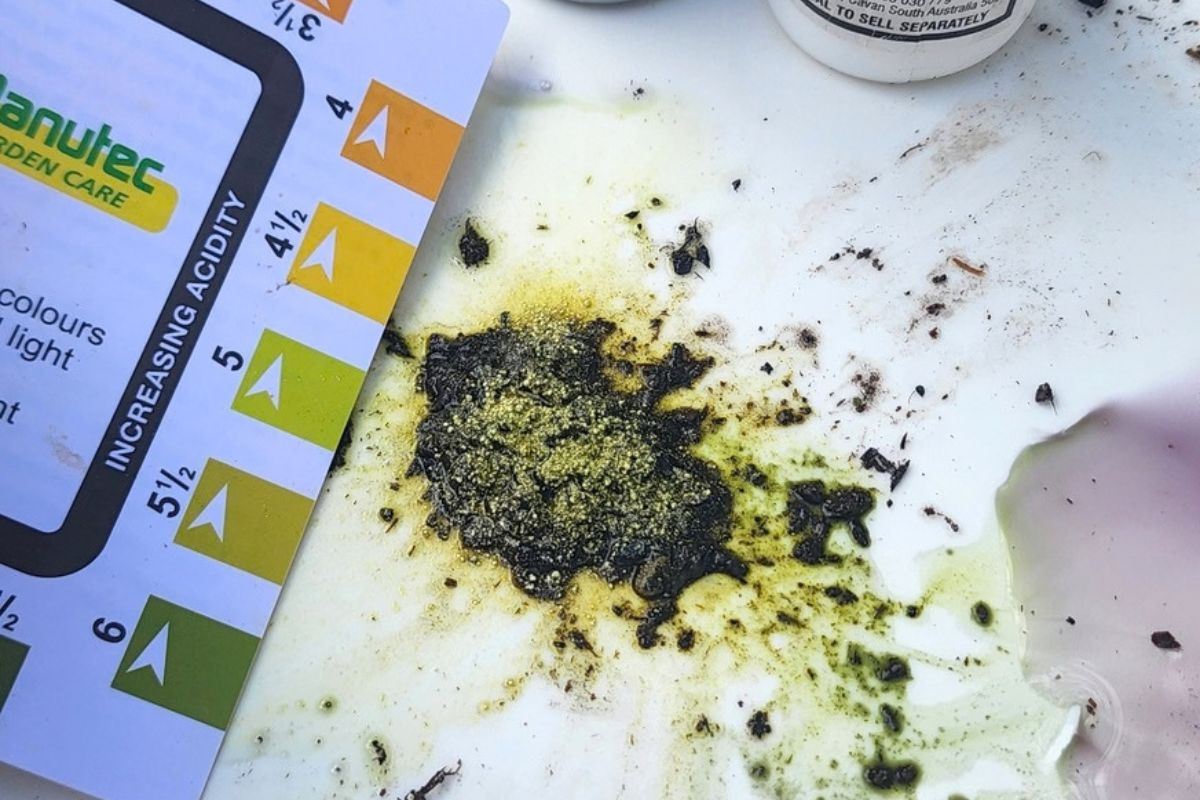
Blueberries are acid-loving plants and prefer a soil pH of around 4.0-5.5. A quality potting mix designed for acid-loving plants, such as azaleas and camellias, is a good place to start.
Rather than assuming your soil is acidic enough, you can check it using a Soil pH Test Kit. There is also a 2 in 1 Soil pH and Moisture Meter, which can be useful for keeping an eye on both conditions.
If you've never tested pH before, The Seed Collection also has a useful guide to using a soil pH test kit and a more detailed Complete Guide to Soil pH.
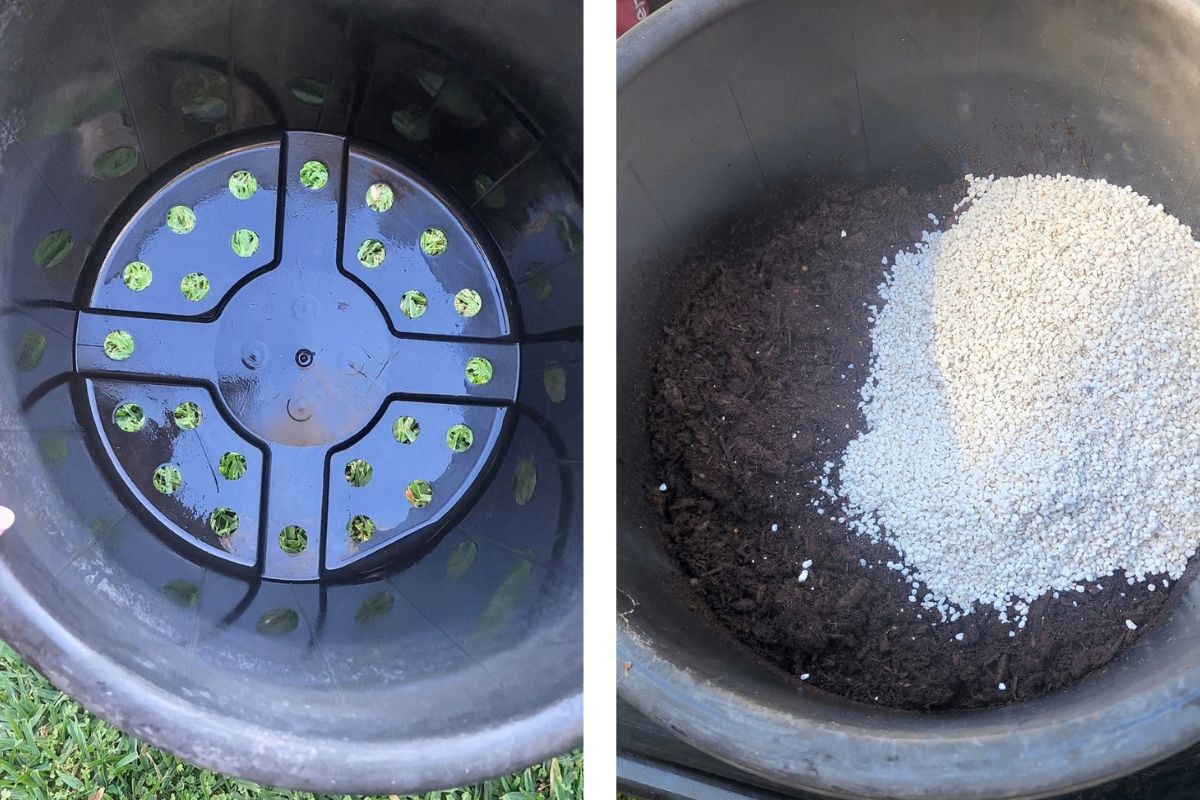
For these blueberry pots, I used an acidic potting mix and added perlite to help keep the mix light and free-draining. Blueberries like moisture, but that doesn't mean they want their roots sitting in soggy soil.
How To Pot A Blueberry Plant
Once you have your plant, pot and growing medium ready, it's time to get planting.
- Choose The Right Pot
Choose a container with plenty of drainage holes. If your blueberry is still small, don't feel that you need to put it straight into the biggest pot you can find. You can gradually move it into larger containers as it grows. - Prepare Your Potting Mix
Use a quality acidic potting mix suitable for plants such as azaleas and camellias. Add plenty of perlite at this stage to improve drainage and keep the mixture from becoming too heavy. - Remove The Blueberry From Its Pot
Gently slide the plant out and take a look at the roots. If they are tightly packed or circling the root ball, gently loosen the outer roots before planting. - Position The Plant
Add enough potting mix to the container so the blueberry sits at approximately the same depth it was growing in its nursery pot. - Fill Around The Plant
Fill around the root ball with your potting mix, gently firming it into place without compacting it too heavily. - Water Thoroughly
Give your newly potted blueberry a good drink, allowing excess water to drain freely from the bottom of the container. - Add Mulch
Finish with a layer of suitable mulch to help reduce moisture loss from the pot. Keep the mulch slightly away from the main stem rather than piling it directly against the plant.
.jpg)
.jpg)
.jpg)
.jpg)
Watering Blueberries In Pots
One of the tricks with blueberries is finding the balance between moisture and drainage.
They like consistent moisture, particularly when flowering and developing fruit, but they don't like sitting in waterlogged potting mix.
Container plants can dry out quickly, especially during an Australian summer. In warm weather, check your blueberry regularly rather than relying on a fixed watering schedule.
Tip: Consider raising your blueberry pot slightly off the ground. A couple of bricks would do the trick. This allows excess water to drain freely from the drainage holes and helps prevent the base of the pot from sitting in water.
Push your finger into the soil and see how it feels. The aim is to keep the root zone consistently moist without turning the pot into a swamp.
This becomes particularly important while your plant is fruiting. A blueberry covered in developing berries may need considerably more attention than it does during cooler or less active periods.
Feeding Your Blueberry
Blueberries need nutrients to support healthy growth and fruit production, but more fertiliser isn't necessarily better.
Choose a fertiliser suitable for acid-loving plants and follow the manufacturer's directions. If your blueberry develops yellowing leaves, check the soil pH before simply adding more fertiliser. An unsuitable pH can affect the plant's ability to access the nutrients it needs.
Protecting Your Blueberries
Once your blueberry starts producing fruit, you probably won't be the only one waiting for it to ripen.
Birds can make very quick work of a blueberry crop.
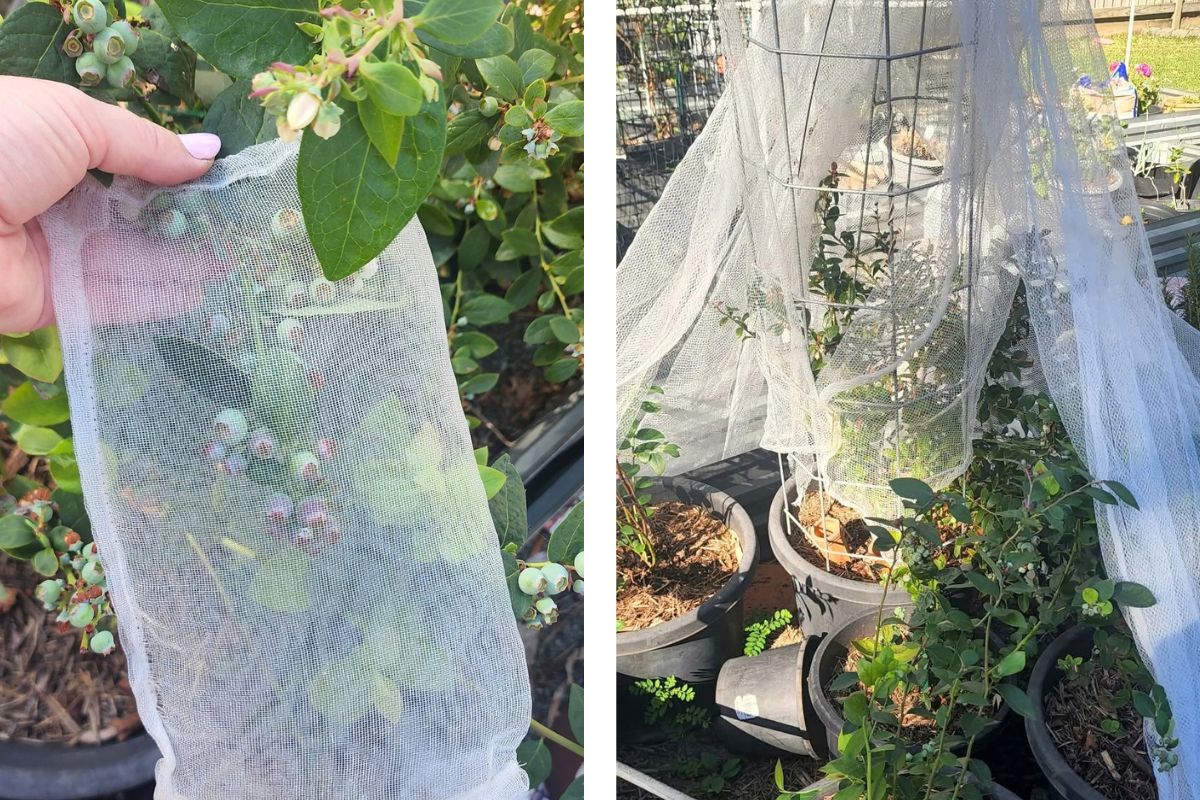
Netting the plant before the berries are fully ripe can help protect your harvest. The Seed Collection stocks Wildlife Friendly Bird Netting with a mesh size of less than 5mm, which can be draped over a suitable supporting frame.
For smaller plants or individual clusters of fruit, Fruit Protection Bags may also be an option. These reusable fine-mesh bags are designed to help protect ripening fruit from birds and a range of other garden visitors.
When Does A Blueberry Need Repotting?
A blueberry won't stay happily in the same potting mix forever.
Over time, the organic material in potting mix breaks down and the level in the container can drop. Roots can also become increasingly crowded.
Signs that your blueberry may need repotting include potting mix drying out unusually quickly, water running down the side of the root ball rather than soaking in, dense or tightly packed roots and yellowing or declining growth despite otherwise appropriate care.
When repotting, move a young plant into a slightly larger container with fresh acidic potting mix. For an established plant, refresh the old potting mix and check the roots before returning it to its pot.
After repotting, water thoroughly.
Don't Forget The Mulch!
Pots lose moisture quickly, so a layer of mulch can make a noticeable difference.
Mulching helps slow evaporation, keeps the root zone more stable and reduces how quickly the surface of the potting mix dries out.
When Can You Harvest?
This is the part that makes all the watering, potting and checking worthwhile.
Blueberries should be allowed to ripen properly on the plant because they won't continue ripening once they have been picked. Rather than harvesting an entire cluster at once, pick individual berries as they reach full colour and ripeness.
You may also notice a dusty white coating over ripe blueberries. This is called the bloom. It is a natural protective coating that helps reduce moisture loss from the berry and is completely edible.
Tip: Blueberry plants produce small white or pale pink, bell-shaped flowers before the fruit develops. Don't be alarmed when the flowers begin to drop. Once pollinated, the petals naturally fall away and the developing berry remains behind.
.jpg)
.jpg)
A Few Final Tips
Blueberries can seem complicated when you first read about their requirements, but most of their care comes back to three things: acidic soil, consistent moisture and good drainage.
Start with a variety suited to your climate, give it the right growing medium and don't forget to check the pot regularly during hot weather and fruiting.
And if your blueberry isn't looking happy, don't immediately assume it needs more fertiliser. Check the moisture, drainage and pH first. Often, the plant is telling you something about its growing conditions.
Get those basics right and a blueberry can be a productive and attractive addition to a small garden, balcony or backyard, with the added reward of being able to pick fresh berries just a few steps from the kitchen.
Article & Photographs by Julia Lewis