
What Is An Equinox?
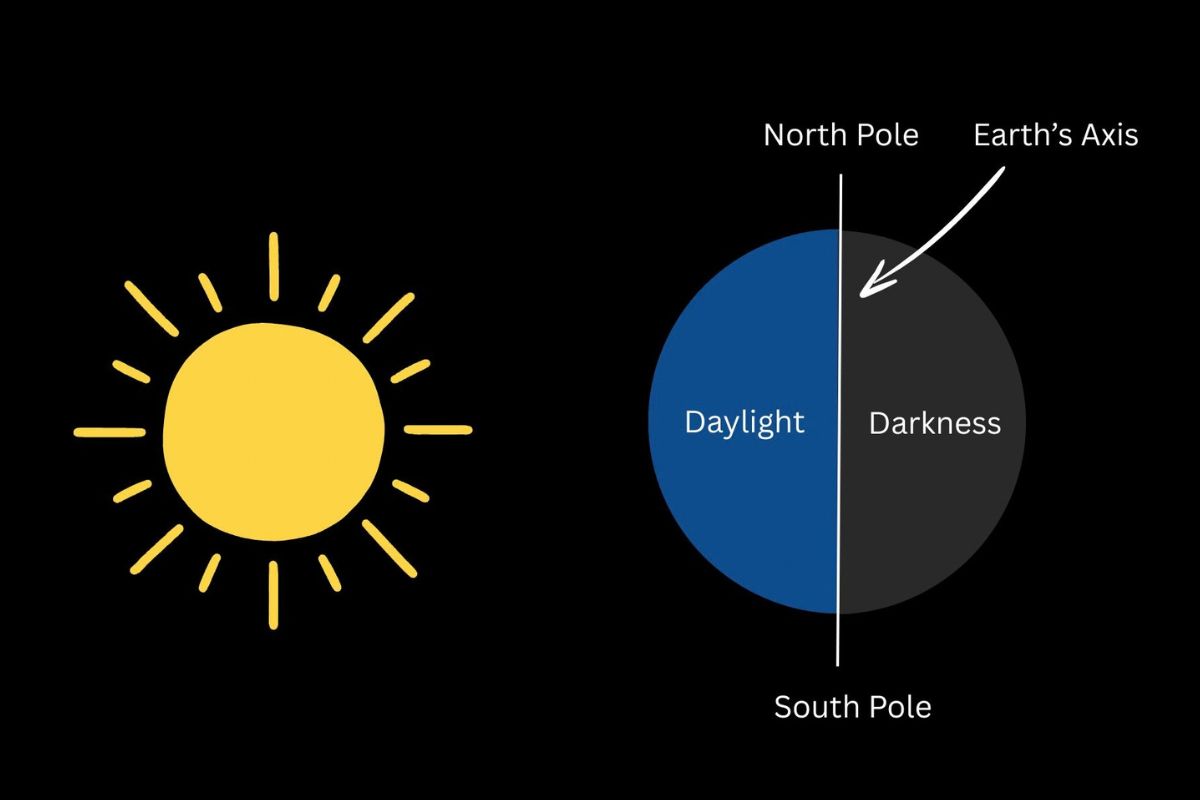
An equinox is an astronomical event that occurs twice a year when Earth’s rotational axis is perpendicular to the sun's rays. At this specific point in Earth’s orbit, a shadow line, known as a terminator, runs perfectly from the North Pole to the South Pole splitting the globe into equal halves of light and dark. Over a twenty-four-hour period, as Earth continues to rotate on its axis, the terminator line moves through each continent. This means every country experiences twelve hours of sunlight and twelve hours of darkness.
The Equinoxes occur in spring and autumn every year. Earth’s two hemispheres are always in opposite seasons, so the Southern Hemisphere experiences the spring equinox at the same time as the Northern Hemisphere experiences its autumnal equinox.
When Is The Spring Equinox?
In Australia, the spring equinox occurs on either the 22nd or 23rd of September each year. This year the date of the spring equinox is the 23rd of September 2026.
Although the spring equinox falls on a specific day, its effect on the garden isn't confined to a single moment. Because of Earth's tilt and its orbit around the sun, daylight hours gradually increase as the equinox approaches. After it, the Southern Hemisphere tilts closer to the sun, giving more hours of daylight than darkness. The spring equinox therefore marks the start of astronomical spring.
How Does The Spring Equinox Affect The Garden?
Change is constant in the garden for several reasons including: temperature, rain, plant growth and death, and of course, the gardener's enthusiasm. However, the seasonal shifts around the equinox often seem quite sudden. This is because the lengthening of the days leading up to, and following, the spring equinox, naturally causes plant growth to speed up.
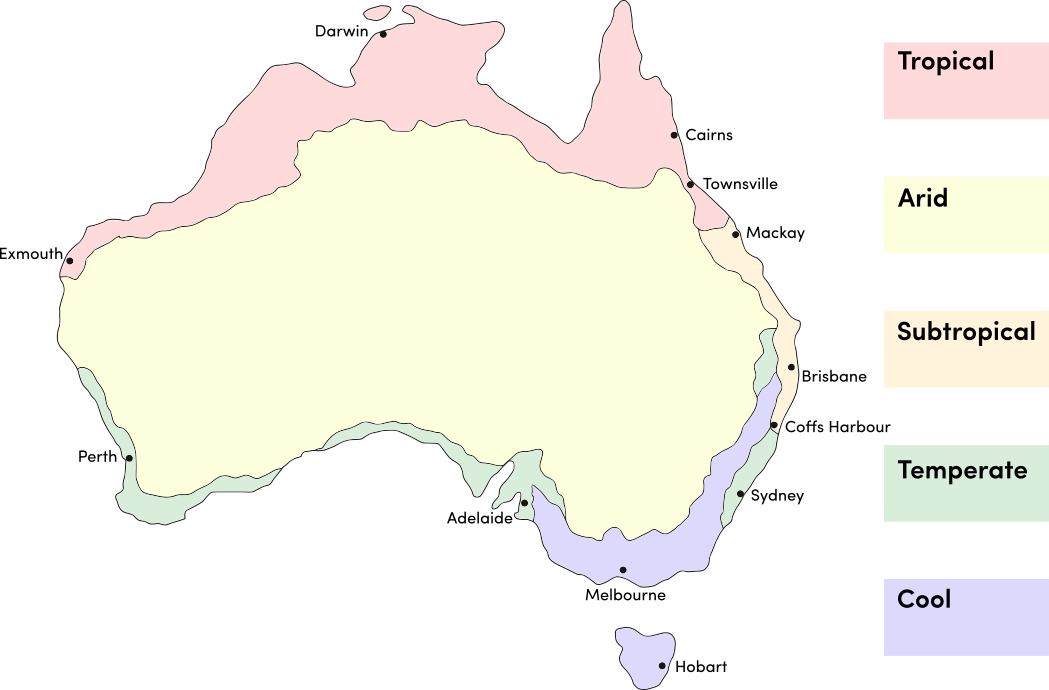
Across Australia, the various climate zones will experience the spring equinox in different ways. In general, however, gardeners will notice the following changes in the garden, vegetable patch and yard.
The Awakening Of Dormant Plants
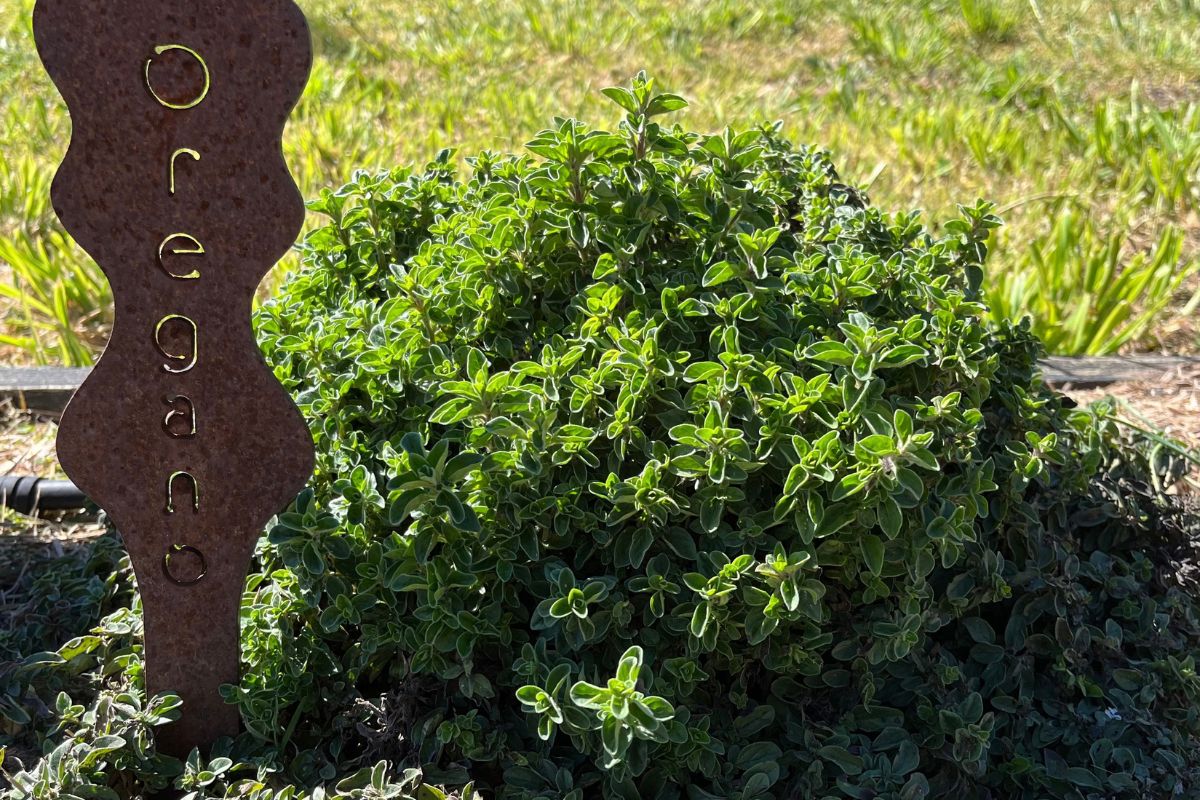
Leading up to the spring equinox many herbaceous perennial plants, that died back over winter, will reemerge through the earth. Depending on the garden this may include french tarragon, society garlic and mint. Evergreen perennials, including thyme, oregano, rosemary and sage will see renewed growth.
Flowering Of Annual And Perennial Plants
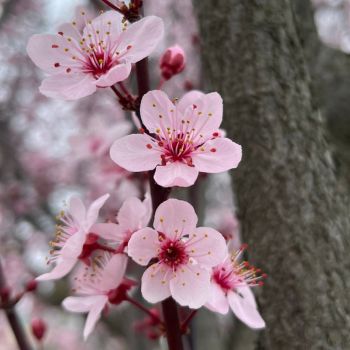
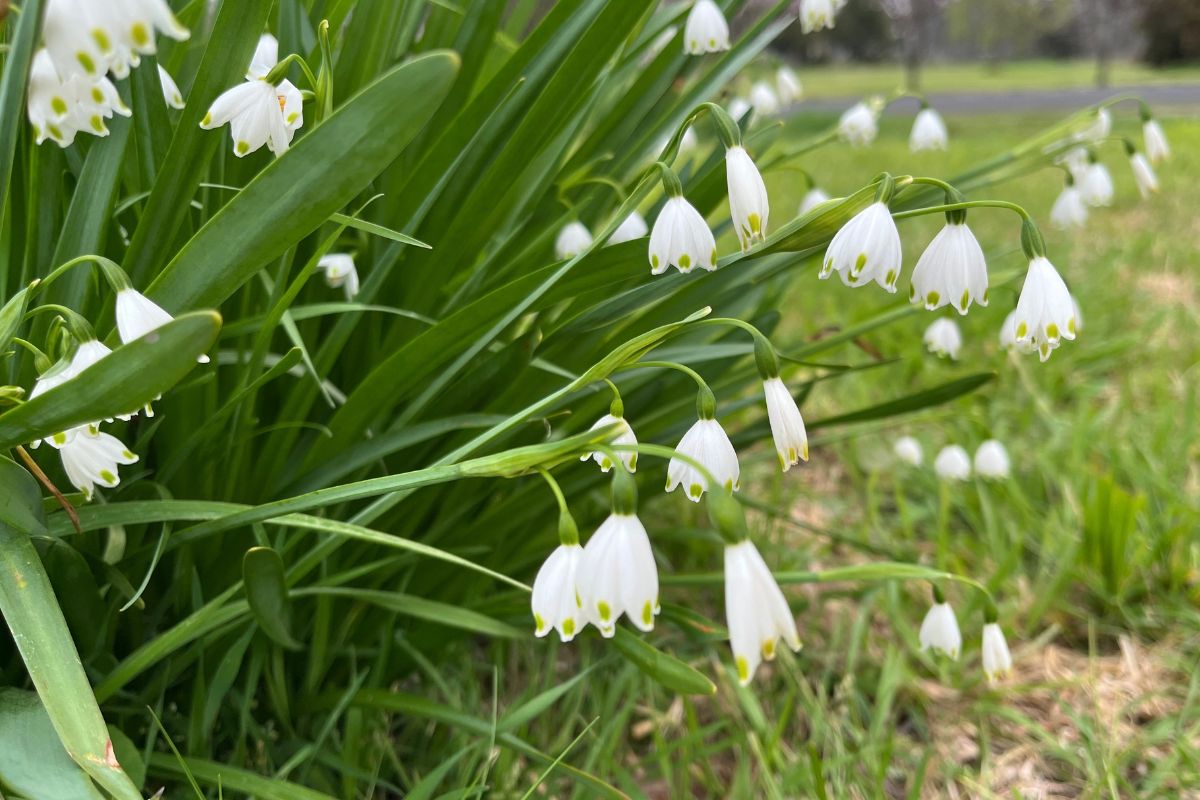
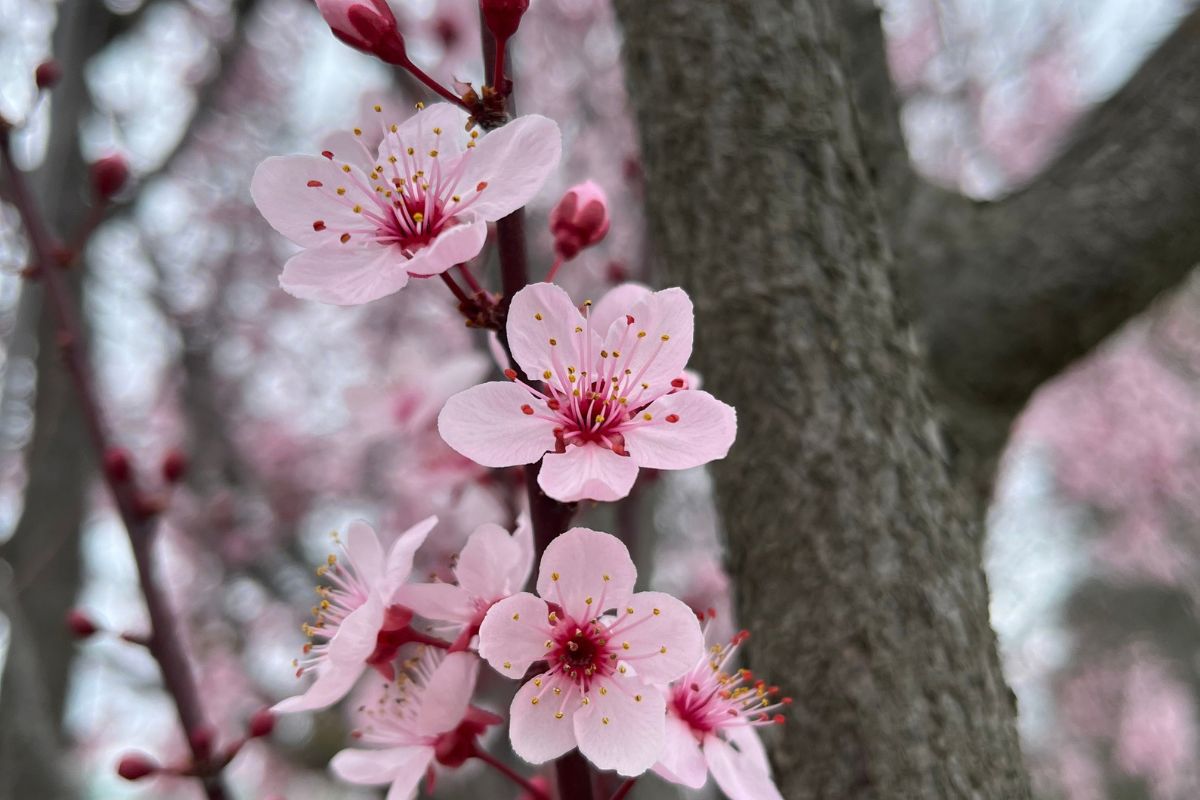
Many annual and perennial plants and trees will begin to blossom or flower around the spring equinox. This may include snowdrops, plum trees, blueberries, chives and broad beans.
Bulb Formation In Onions
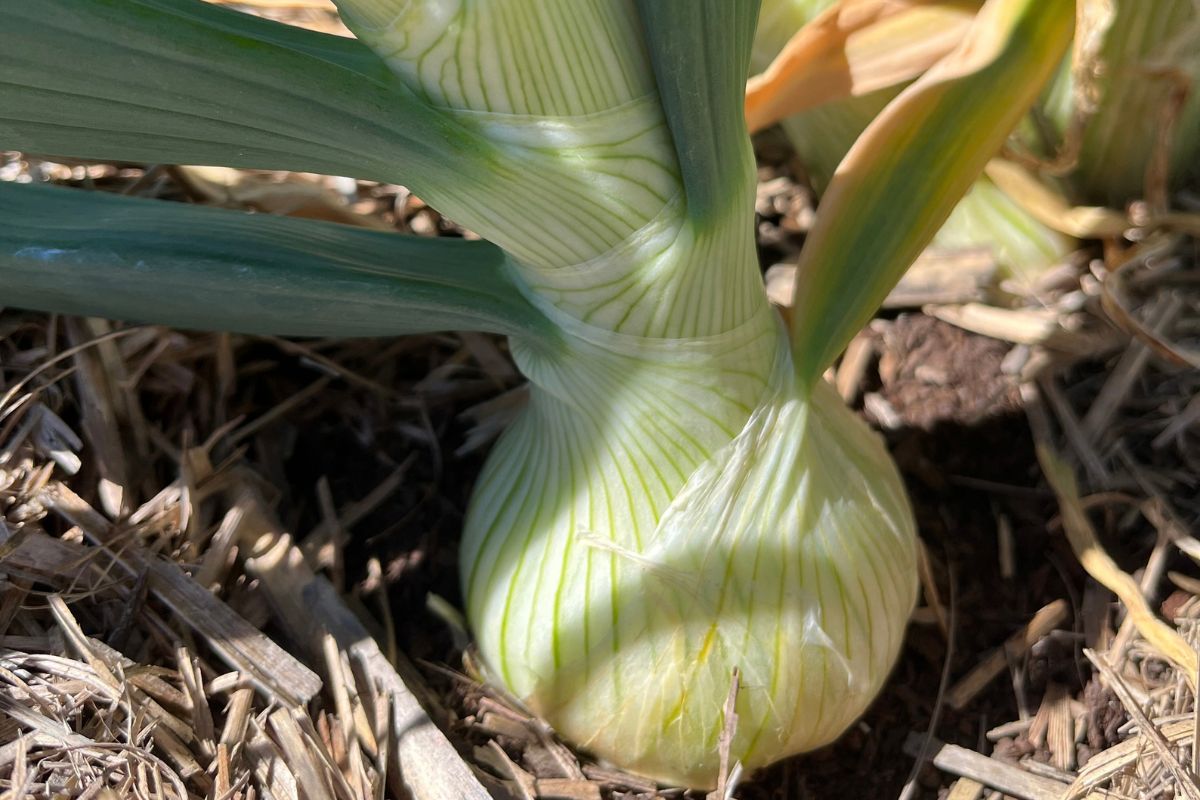
Onions require a certain duration of daylight to trigger bulb production. Therefore, they are directly impacted by the increasing light around the spring equinox. For example short day onions like ‘Early White Spanish’, need 10-12 hours of daylight to begin forming bulbs - this will only occur around the time of the spring equinox.
As intermediate onions require 12-14 hours of daylight, they won’t start to form bulbs until shortly after the Spring Equinox. Long day onions, on the other hand, need up to 16 hours of daylight to form bulbs so they are relatively unaffected by the Spring Equinox.
Peak Maturity Of Winter Vegetables
In many climate zones across Australia, winter vegetables will reach maturity around the spring equinox. In very hot climates, this might include tomatoes. In temperate and cool climates, the lengthening of the days will cause a final flourish in vegetables like broccoli, cabbage and peas.
Vegetables Bolting To Seed
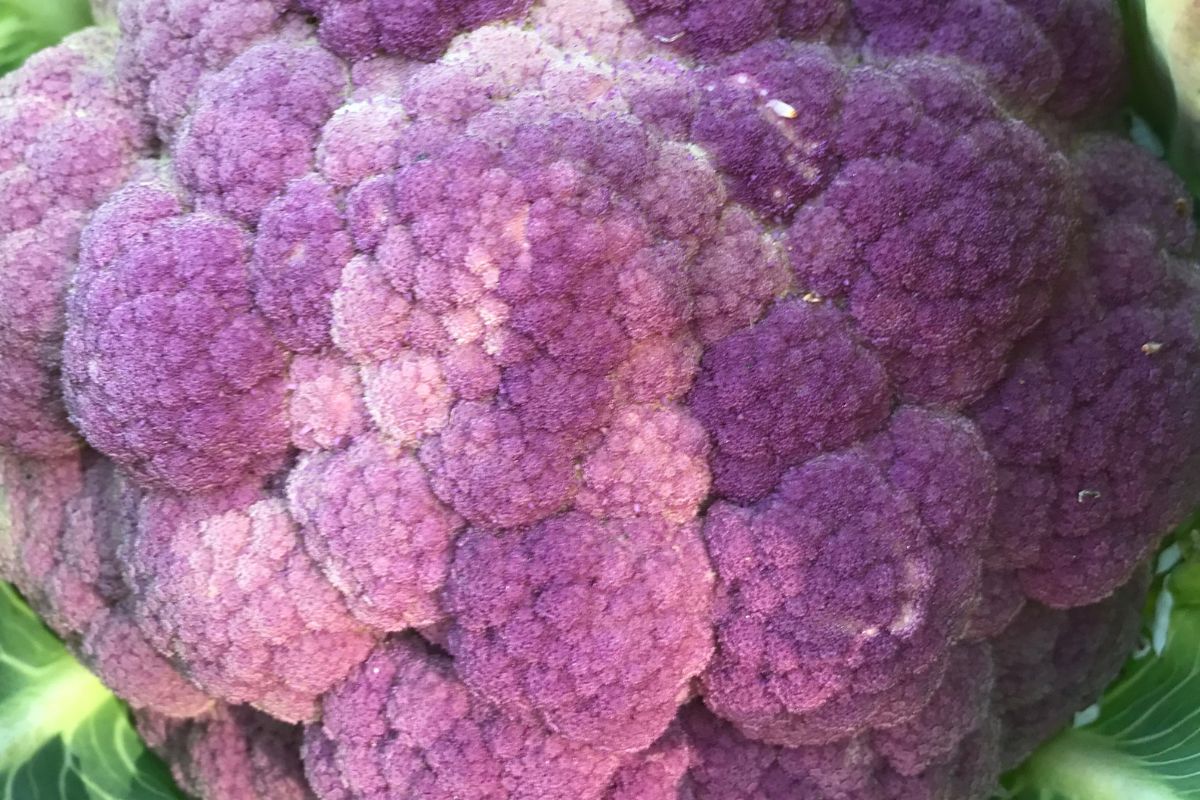
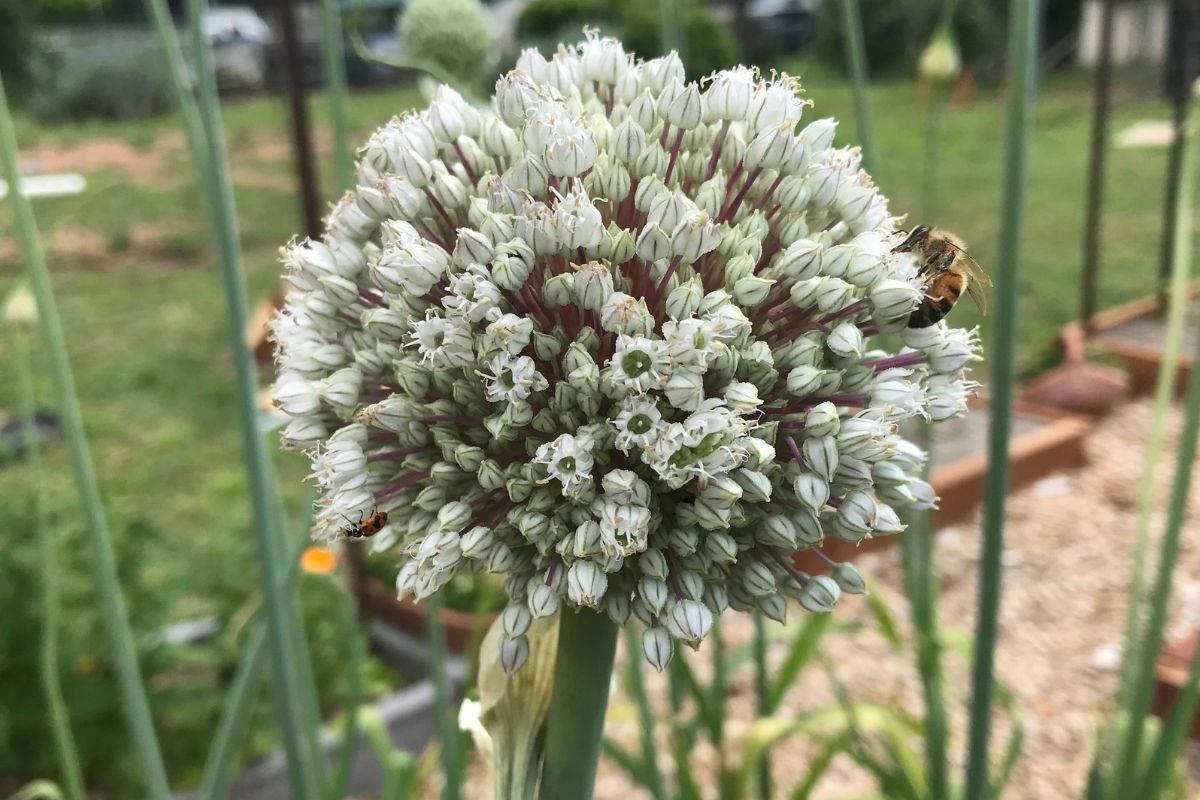
The combination of more daylight and the warmer weather around the equinox will trigger many winter vegetables to flower and produce seed. This may include leeks, cabbages, broccoli and over wintered carrots. If the vegetables are intended for eating - rather than seed-saving, it’s important to harvest them before this occurs.
Rapid Growth In Grasses And Weeds
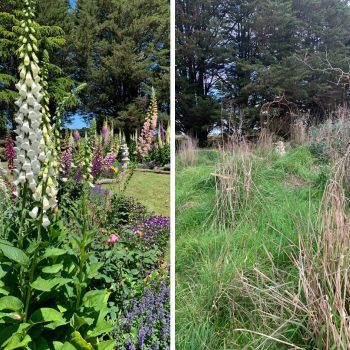
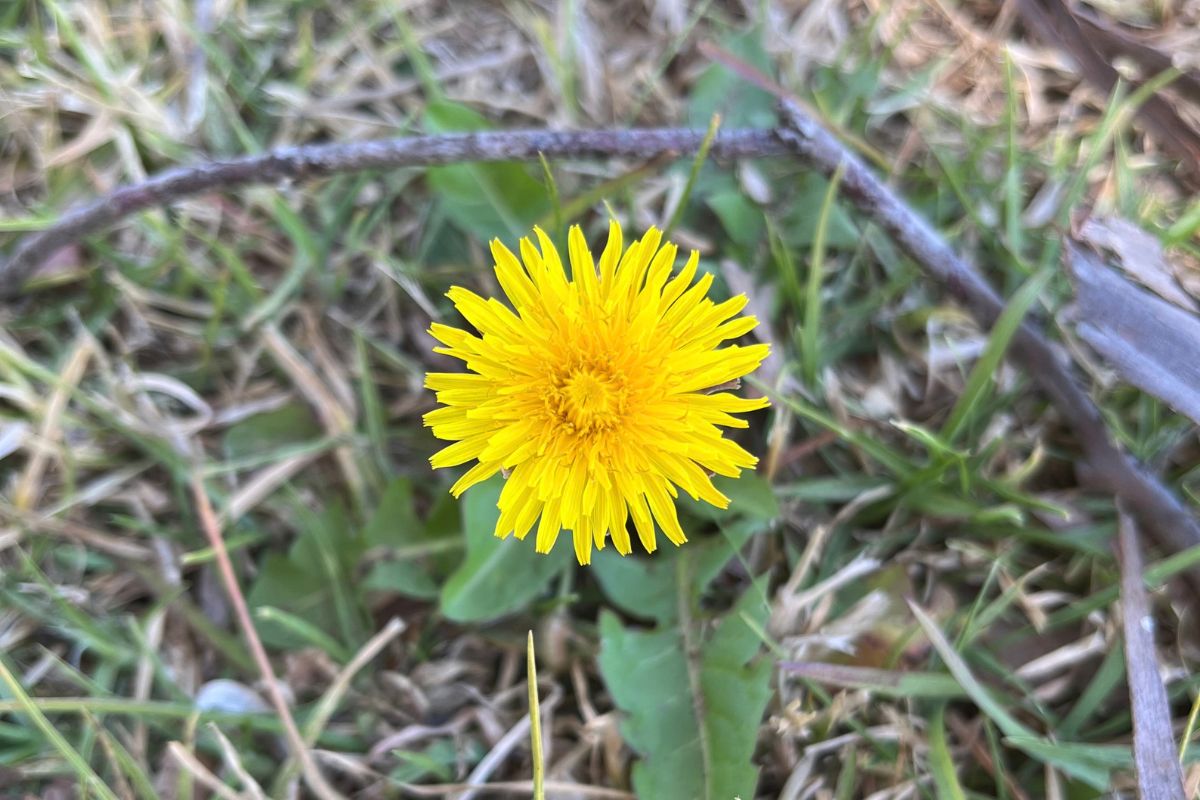
As with all the other plants, growth will also speed up in weeds and grasses, increasing the gardener’s overall workload.
Take Note Of The Equinox In Your Garden
The transformations that occur around the spring equinox will look different for gardeners across the country. It’s important to take note of what happens in your own climate zone so that you can plan, prepare and respond to the changes appropriately every year.
Article & Photographs by Stephanie Hall-Richards