
Testing your soil’s pH is one of the best things you can do for a thriving garden. Because pH dictates how well your plants absorb nutrients, relying on guesswork can lead to stunted growth or yellowing leaves. While most plants prefer a slightly acidic to neutral range of around 5.5 to 7.0, your soil's chemistry naturally fluctuates over time. Regular testing takes the guesswork out of gardening, helping you make informed adjustments so your plants can truly flourish.
Watch our step-by-step video guide on exactly how to use a soil pH test kit!
What you will need
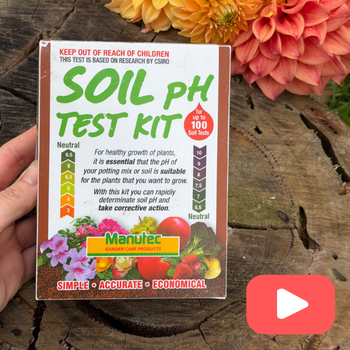
- Soil pH Test Kit: We are using the Manutec Soil pH Kit
- Soil Sample: Collect a soil sample from one location in your garden so the sample is accurate to that location.
- Cleaning Supplies: You will need to clean your testing plate and stick after each individual soil sample to reduce cross contamination.
How to Use a Soil pH Kit
Step 1- Prepare the Kit: Unbox all components of the kit ensuring the testing plate and stick are clean and clear of previous soil tests.
Step 2- Prepare your Soil Sample: Collect a soil sample from one area of your garden or a particular garden bed. Remove all debris (mulch, stones etc.) and firmly press the soil in your hand to ensure all lumps are gone and the soil resembles a fine matter.
Step 3- Apply the Indicator Dye: Squeeze a few drops of the liquid indicator dye directly onto the soil. Add just enough to thoroughly moisten the soil sample, you're aiming for a thicker paste like consistency. Using the white stick provided, gently mix the dye into the soil. Note: Avoid adding too much liquid, if the sample is too watery, add more soil to thicken.
Step 4- Add the Barium Powder: Take the small puffer bottle of white Barium Sulfate and carefully puff a thin, even layer over the top of the wet soil sample. You want just enough to lightly dust the surface so the liquid can soak up into the powder.
Step 5- Watch the Sample Change: Leave the sample to sit for about 1 to 2 minutes. The moisture from the indicator dye will seep up through the white powder, changing its color.
Step 6- Read your Result: Once the powder has changed color, hold the provided color chart next to the plate. Match the color of the powder to the closest color on the chart to find out your soil's pH level.
Reading Your Results & Soil pH Amendment
For more information about soil pH and amending your soil, please view our Complete Guide to Soil pH