
What Is Mulch?
Mulch is a layer of organic or inorganic material that you apply to your garden beds and pot plants to act as insulation for your soil and root zone. Mulch is essential to a garden's ability to self-regulate its moisture and temperature levels, lessening the need for your intervention when the summer heat or a drought strikes. A thick layer of mulch helps to block sunlight making it difficult for unwanted weeds to grow or weed seeds to germinate, therefore acts as a weed deterrent too. There are a lot of mulch types available for purchase and while they are all good for the garden, they can have different uses and benefits.
Mulch can be broadly categorised into two types; organic and inorganic, each serving different purposes. There is a third category of mulch which I call ‘living mulch’. Living mulch isn’t a product you apply like traditional mulch, it is usually a dense groundcover or cover crop (crop that you sow in between main crops to enrich the soil) that will act as a mulch. I am going to cover 5 common organic and inorganic mulches.
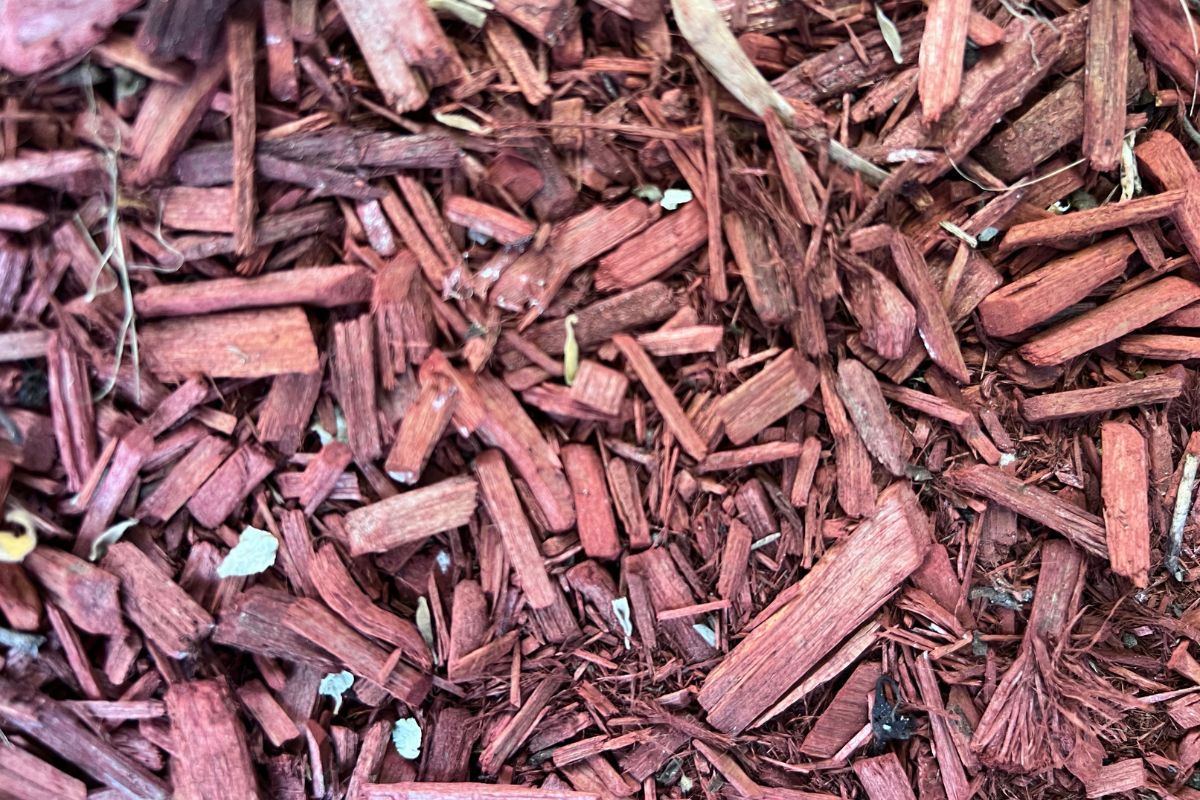
Cypress Mulch
It comes in a spectrum of popular colours from almost black, deep brown, medium/light brown, brown/red and and vibrant red colour. Its generally chunky, uniform and a little fibrous with chips ranging in size from 2mm - 12mm depending on where you get it from and what brand it is. It has an earthy yet fresh pine smell that is fairly strong. Cypress has an added bonus, that it can actually help to deter termites. This makes cypress mulch a particularly appealing mulch to use close to the home, as some mulch can be inviting for termites but we’ll cover that later on. How does cypress deter termites? It has natural, organic active compounds including ‘terpenes’ and ‘terpenoids’. These are the primary ingredients as such of the resin it contains. The terpenes give cypress mulch its distinct, pleasant, forest-like fragrance. To us humans, it smells fresh and is appealing to gardeners, but to insects, these compounds act as repellent vapours that are uninviting and therefore deter. Cypress does however, encourage earthworm activity by insulating the soil well and providing nutrients as it decomposes- making it a great choice for fruit trees.
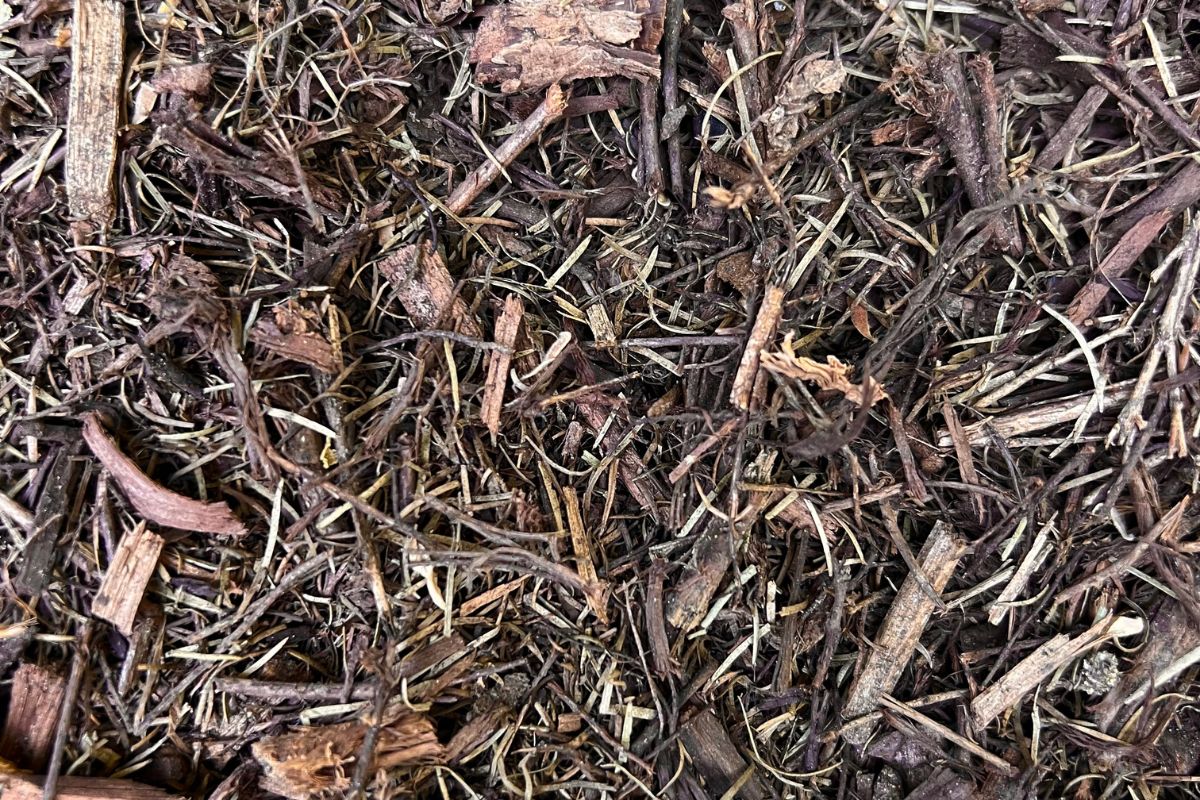
Tea Tree
Even better at deterring termites than cypress. Tea tree mulch is a by product of the tea tree oil industry, making it an environmentally friendly choice. Tea tree mulch has higher levels of ‘thujone’ which is an organic compound toxic to insects. Starts to break down after about a year or so, but the potential to last 2 years as not all pieces are the same size. Looks best when refreshed every 3 seasons or so in a 5cm layer. Has a fresh, floral but earthy scent, very pleasant but potentially offensive to animals like bush turkeys and cats which isn’t always a bad thing for your garden. The aroma fades after a few weeks. Tea tree mulch is usually a medium to dark brown colour so is considered decorative too. Perfect for Australian native gardens where you want a low-nutrient profile.
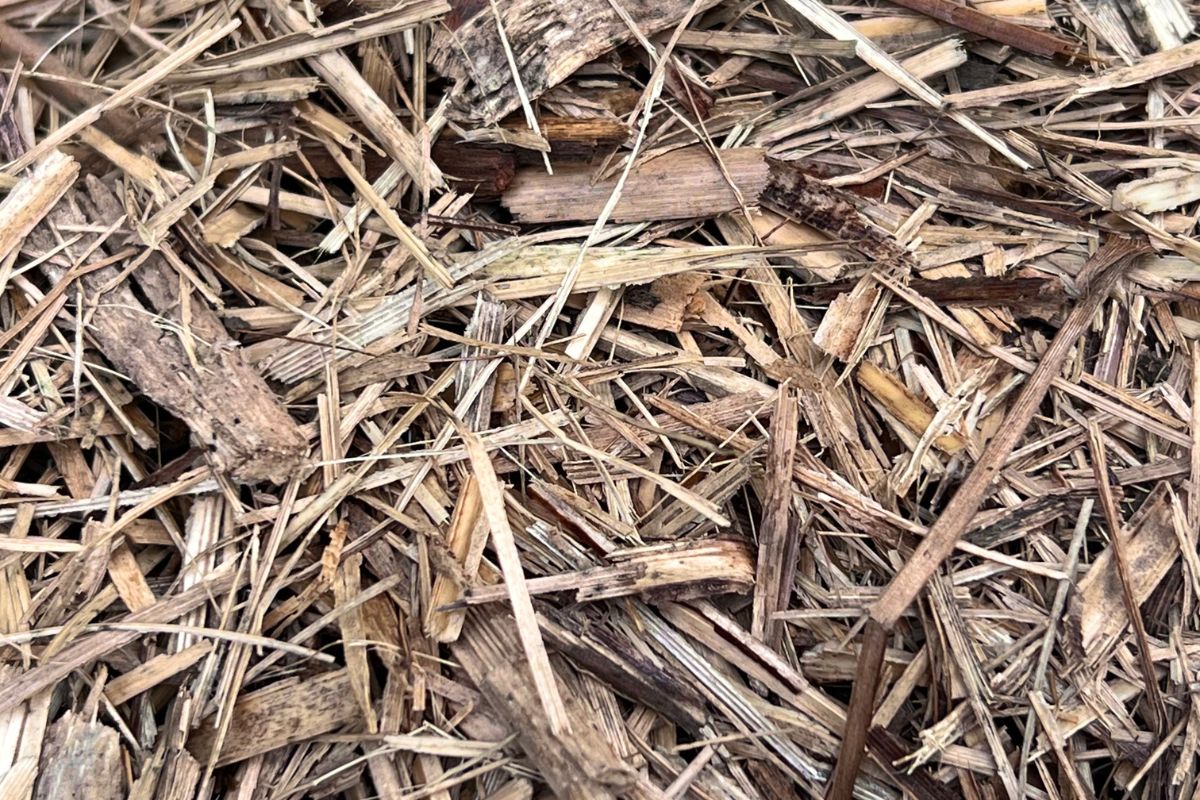
Sugarcane
The best for breaking down quickly and adding nutrients within a short amount of time. My number one go to mulch for vegetable, herb and flower gardens. I usually apply a 5cm-7cm layer every season or so. Sugarcane is a pale straw like material, made from the sugar cane plants as a byproduct of the sugar industry, its eco friendly and sustainable. It is rich in nitrogen and as it breaks down, it decomposes into rich organic matter, soil microbes, and worms, which improves soil structure and nutrient content. Its lightweight and easy to apply to your garden however please note that it can be dusty so a dust mask and eyewear is reccomended. Avoid using it on windy days, and if you can take advantage of the weather and apply the sugarcane mulch just before rain, that is ideal as the rain settles the dust and waters it in for you.
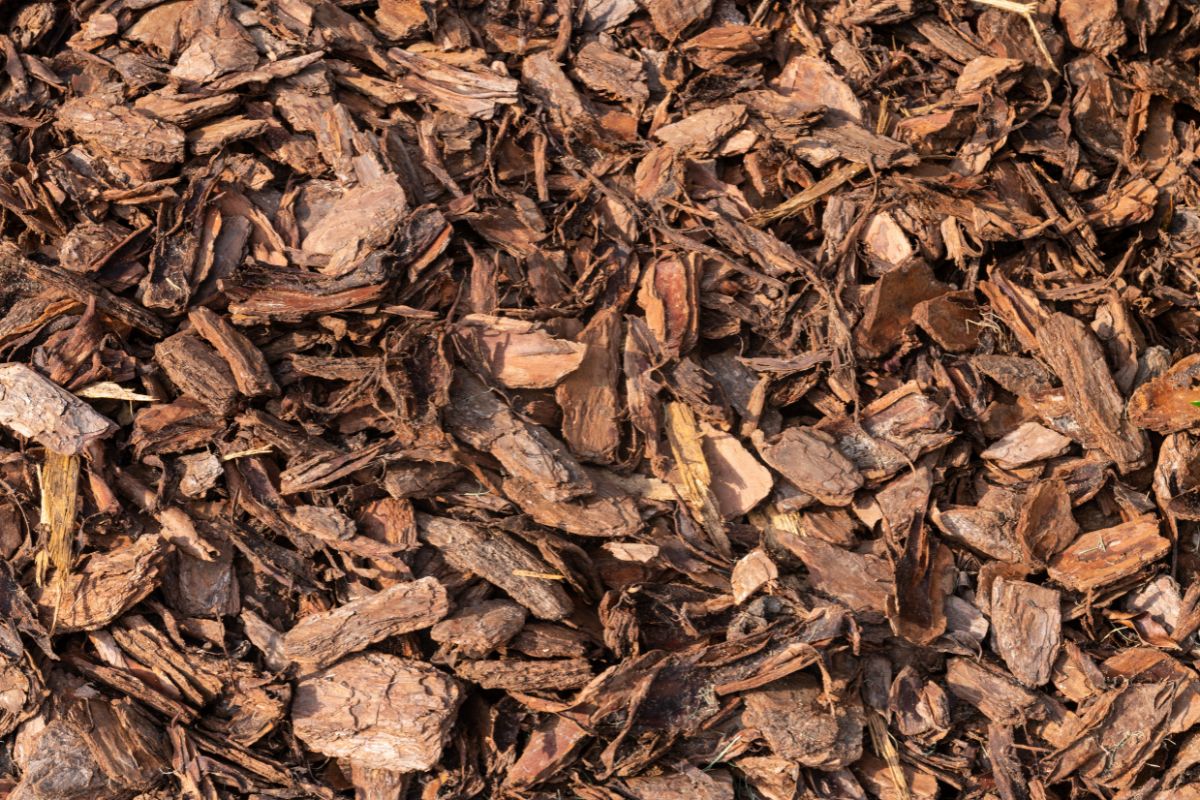
Pine Bark
Popular as a budget friendly mulch option and is readily available. It lasts longer than other organic mulches making it highly cost effective in the long term, however loses its decorative appeal over time, fading from brown to a light grey colour. Pine bark has many benefits for your garden beneficial to your soil as it breaks down slowly, providing a long term source of organic matter for the microbes and fungi that are working in the soil layers under your mulch layer. The mycelium (fine white fungi threads you find under a layer of mulch) loves pinebark for proving a stable, damp environment that can go undisturbed for many years.
Rocks
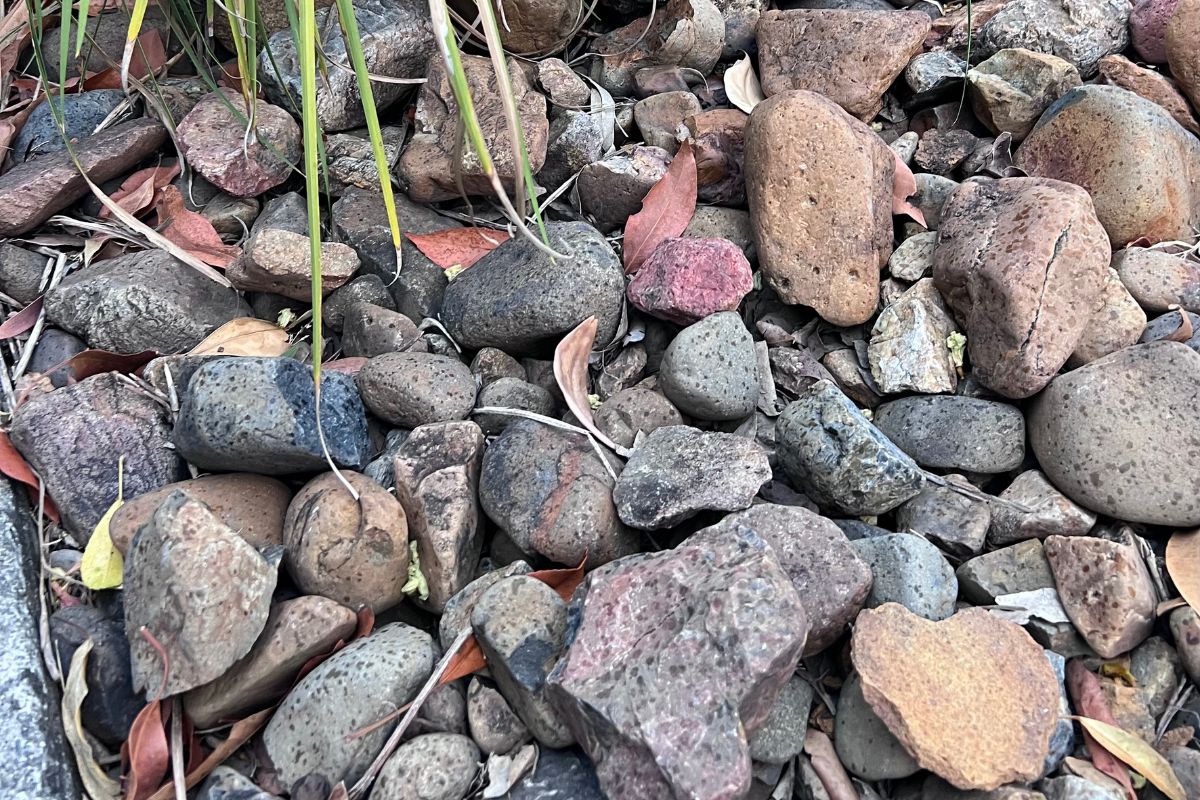
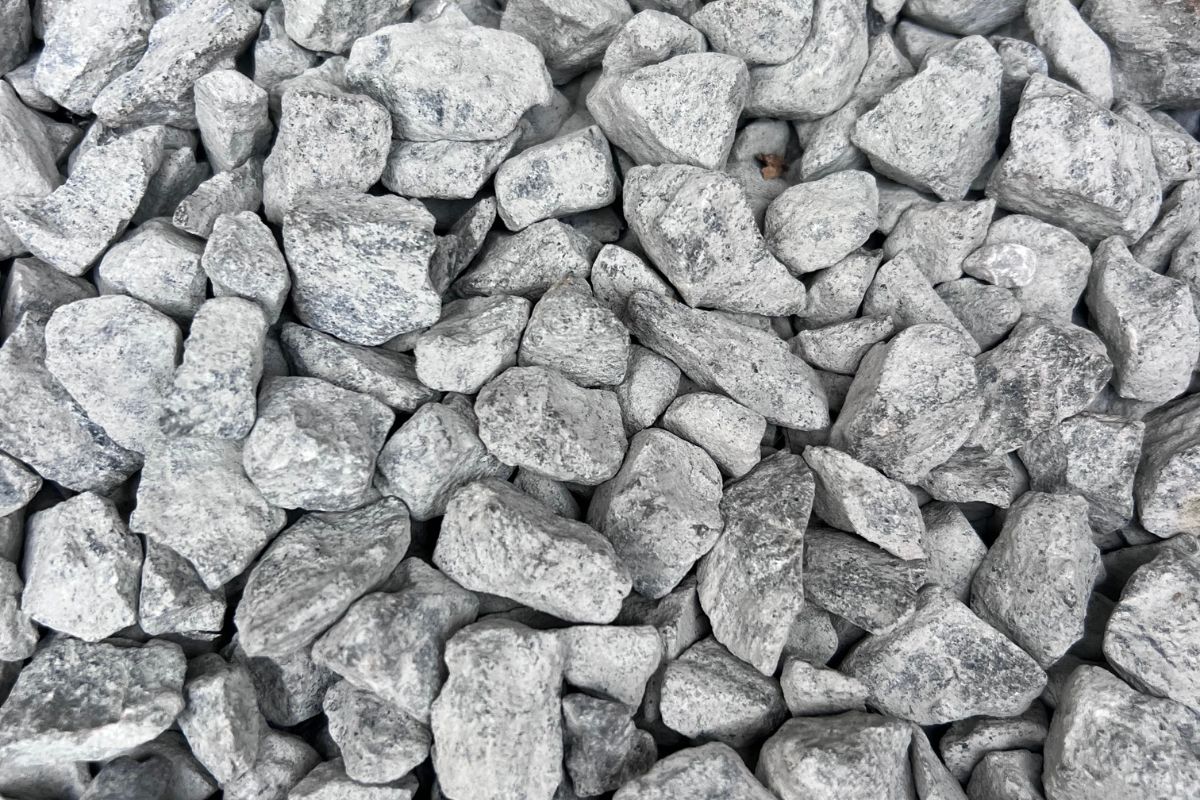
Ornamental and long lasting, rocks do not break down or add nutrients to the soil, which makes them a great mulch option for gardens that require or prefer less nutrient rich humus in the soil such as succulents and cacti gardens, desert gardens or shade gardens. Rocks do however absorb a lot of heat from the sun and radiate it outwards, making it an unsuitable option for flowers, herbs and delicate plantings. This type of mulch provides the most opportunity to personalise or customise it and choose your rock colour, type and size so can be very useful in formal type designed gardens. For home gardens with termite concerns, opt for an inorganic mulch like rocks, (not to be confused with rock minerals which is a powdery granule to condition/feed soil). While the rocks themselves will last effectively forever, you do lose the crisp look after 5 years or so and maintenance may be needed. A cost effective option, for specific types of gardens.
How Long Do They Last?
Approximately, because the longevity of your mulch will be affected by heavy rain leaching tannins and fading its colour, sunlight which can also fade its colour, heat because in a hotter climate your mulch will break down faster, how thickly you laid the mulch initially and the coarseness as bigger chunks will last longer than finer fibres. This is just a guide, my experience from living in SE QLD.
- Rocks: Can last for decades
- Pine bark mulch: Can last up to 3 years
- Cypress mulch: Can last up to 1.5 years
- Tea Tree mulch: Can last up to 1.5 years
- Sugarcane mulch: Can last up to 6 months
Even though different types of mulch look and feel different, they all do the same job and have similar benefits. So, no matter which one you choose, putting down a layer of mulch protects your garden in a few really important ways.
- Prevents evaporation: Mulch acts like a protective shield or lid covering the dirt. It helps to retain water in the soil so it doesn't dry out in the sun, which means you don't have to water your plants nearly as often and they become more resilient because they have moisture to access when they need it.
- Smothers weeds: A thick layer of mulch blocks the sunlight. Without the sun, weed seeds buried in the dirt can't sprout/germinate, and any new weed seeds blowing around can't take root. This helps your plants by reducing competition, and keeps the garden looking tidy and weed free.
- Prevents erosion: Heavy rain can wash away your top soil and loose dirt, or pack it down until it's formed a hard hydrophobic ‘crust’, repelling water or blocking it form soaking in at all. Mulch takes the hit from heavy rain drops so the water can gently soak into the ground instead of washing it away or compacting it.
- Keeps soil temperatures consistent: Bare unprotected soil gets baking hot in the summer and freezing cold in the winter. Mulch works like an insulating blanket, keeping the root zones cool when it's hot and keeping them warm when it's cold, reducing stress and shock for the plants between seasons and fluctuating temperatures.
- Protects the root zone: The top few inches of dirt are where plants grow their most important roots and where beneficial microbes, fungi and insects live. Mulch protects this top layer from the harsh weather so roots can grow comfortably without exposure to harsh elements.
- Adds decorative appeal: On top of all the health benefits, mulch looks good. It covers up bare patches of dirt and gives your garden beds a neat, tidy, and finished look.
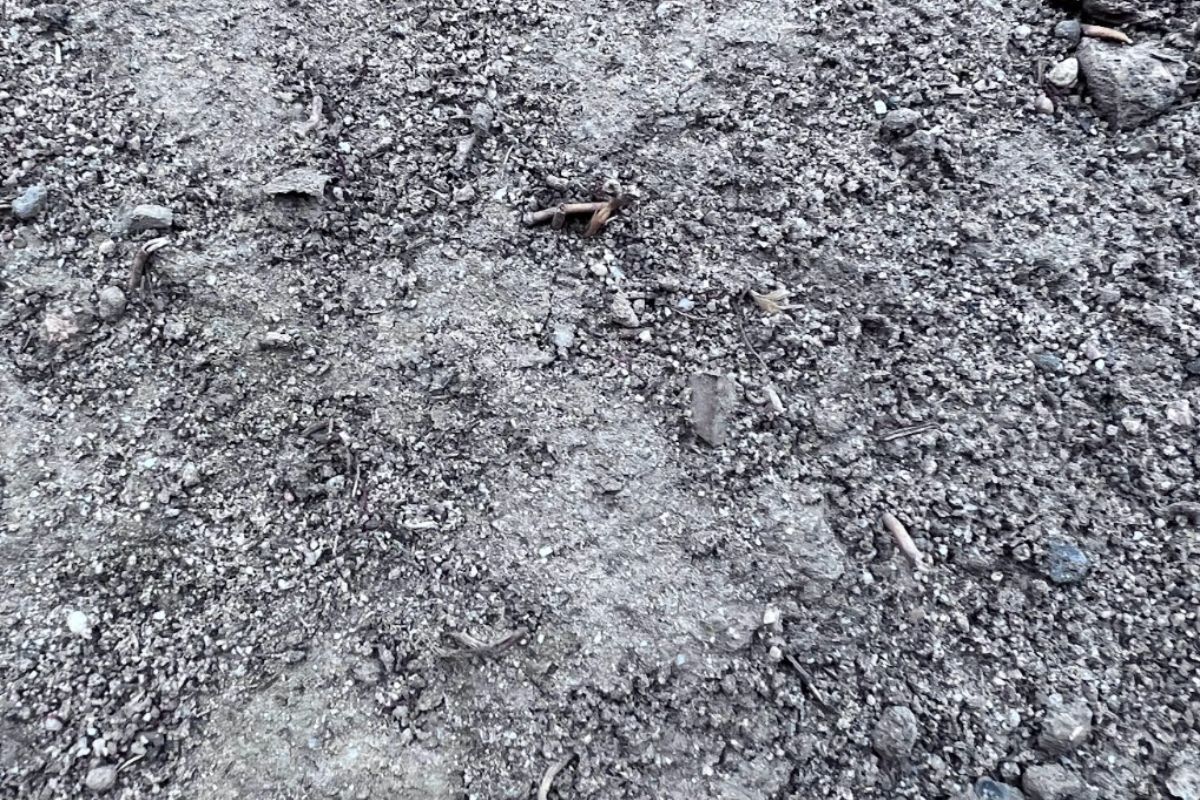 Bare, un-mulched soil. It looks weathered, grey and compacted.
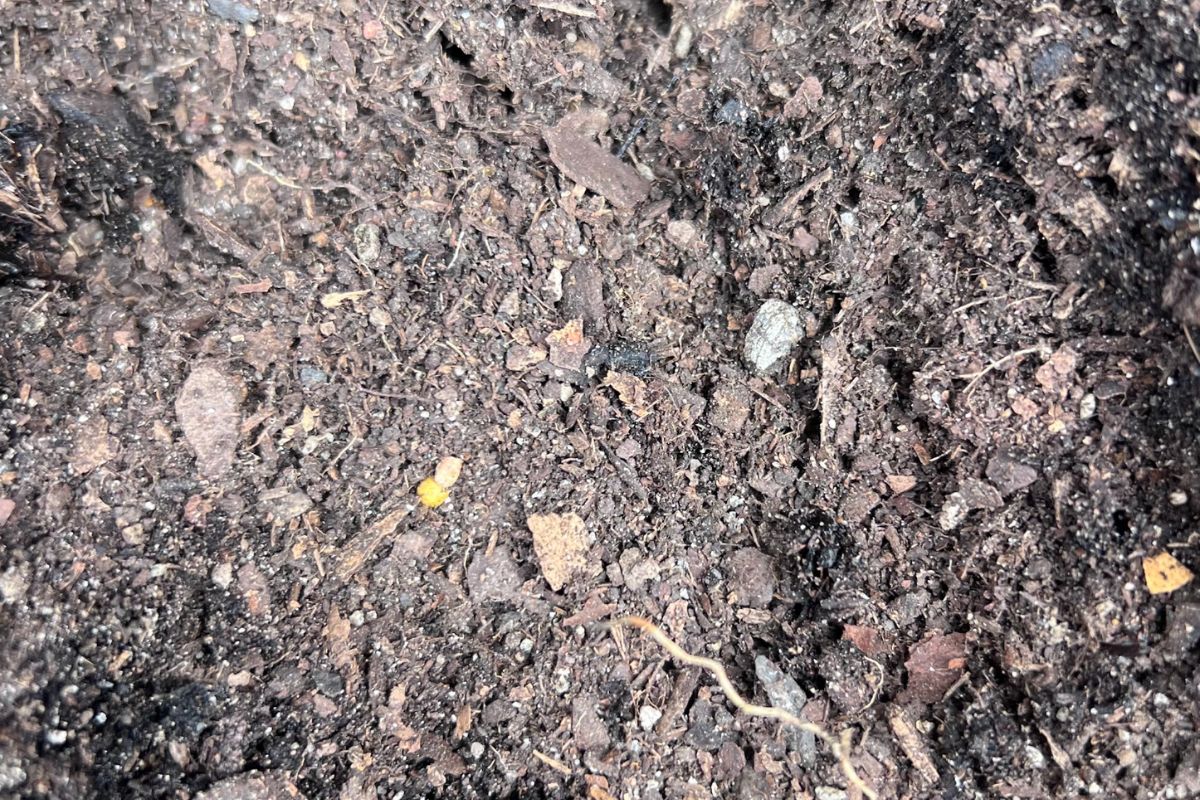 Under the surface of un-mulched soil in a garden bed. Very dry, no worms or mycelium. Dull in colour and a little bit hydrophobic.
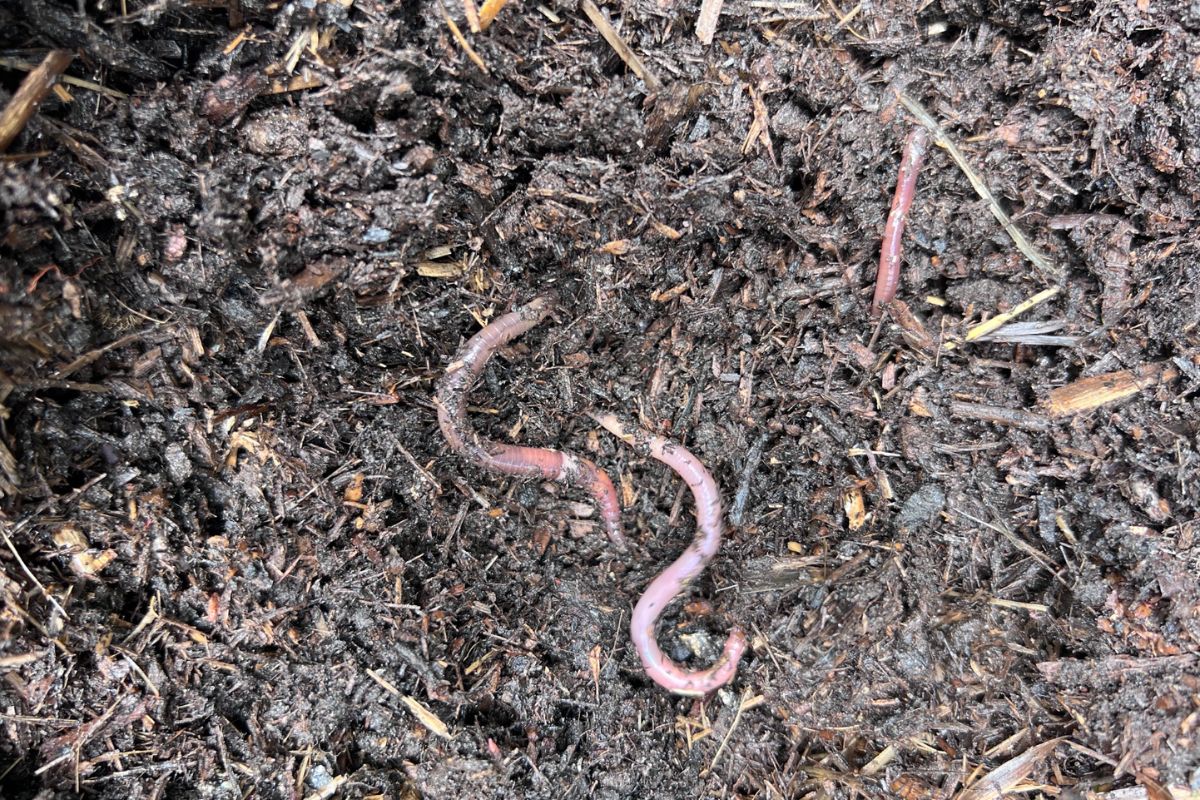
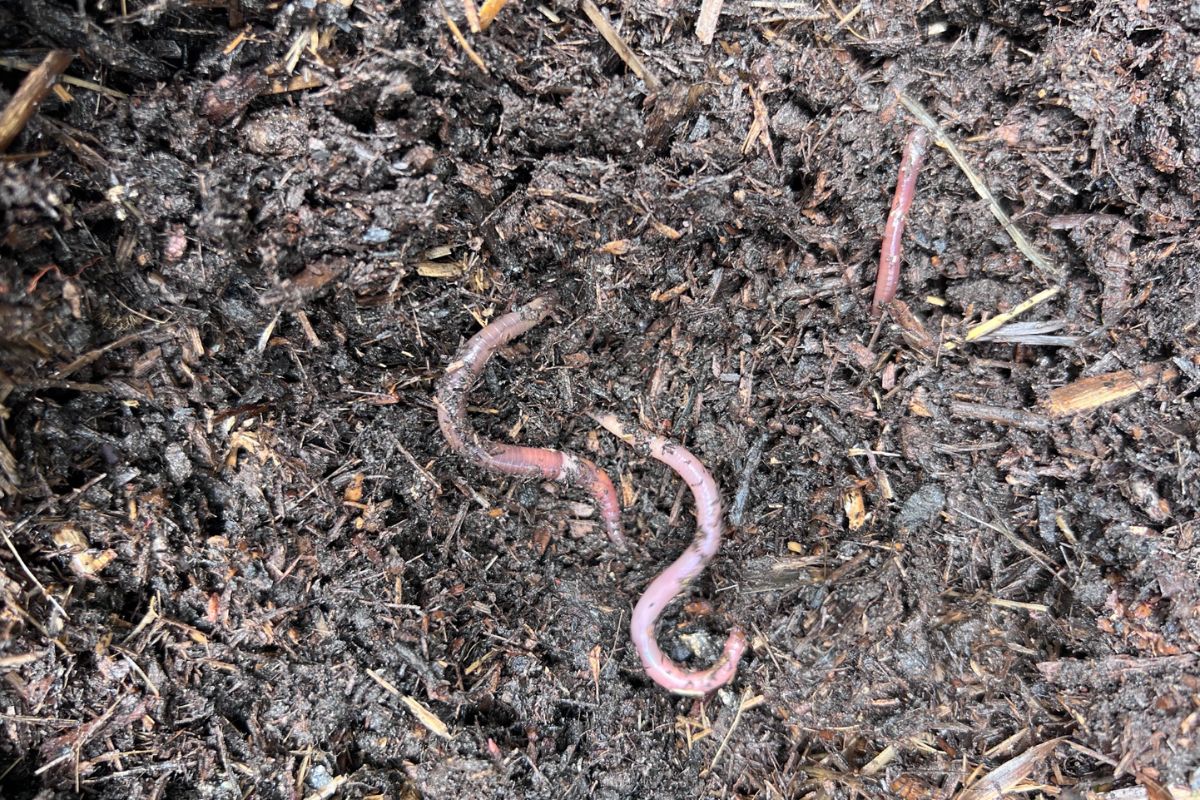 1 inch under the sugarcane mulch of a vegetable garden. An abundance of earthworms and a cool, moist soil.
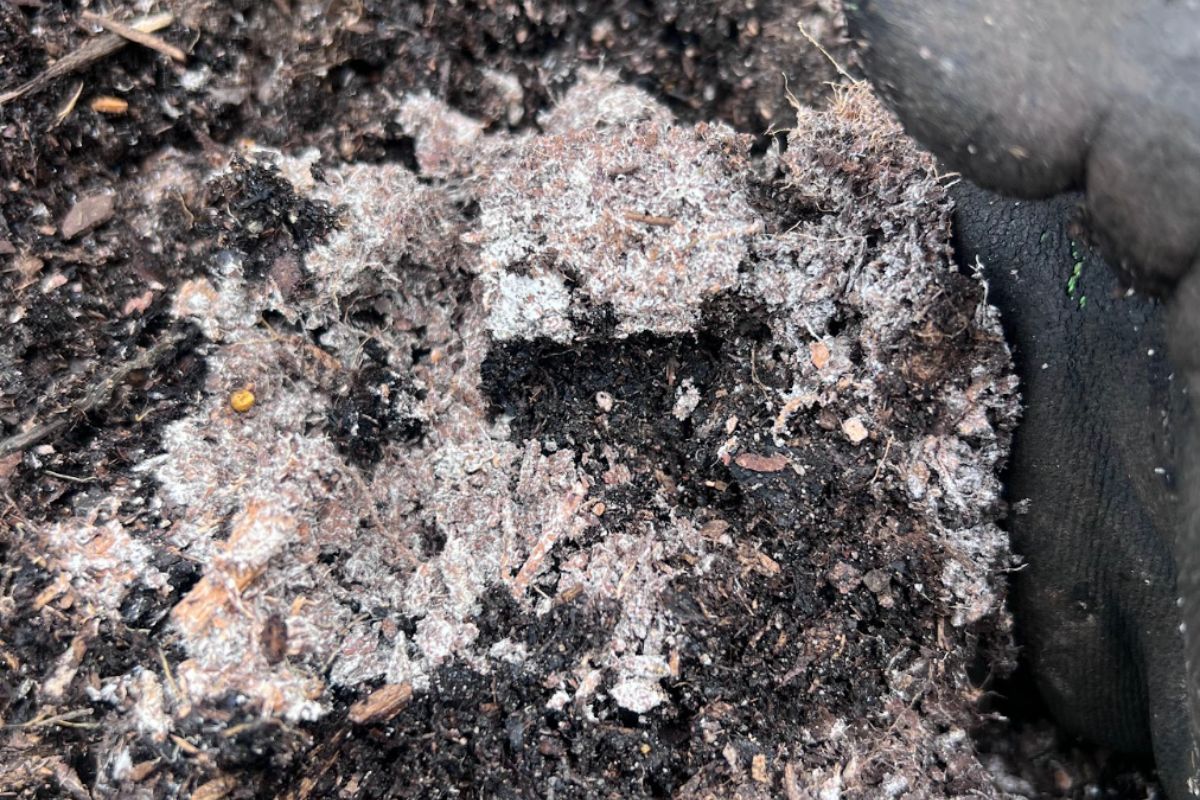 3 inches under mulched soil. You can see the white mycelium breaking down pieces of compost, roots and old mulch.
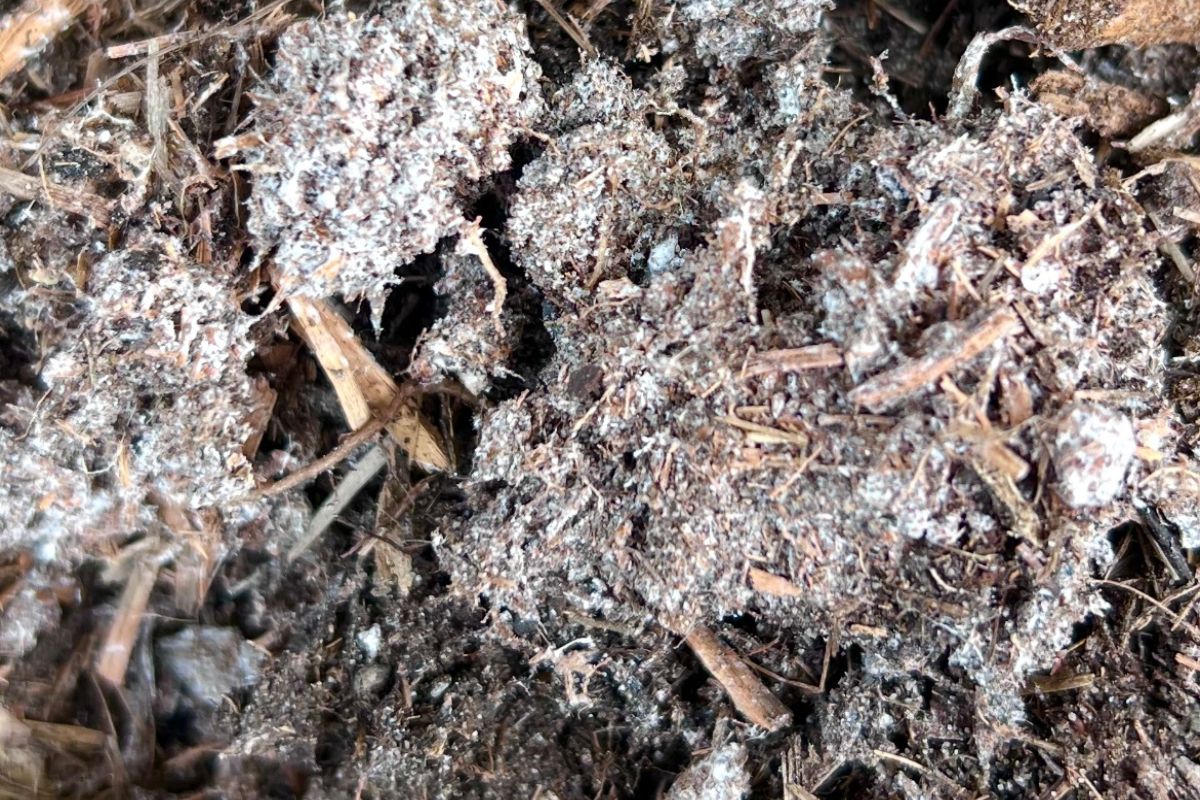 4 inches under a mulched garden bed. Rich loamy soil and mycelium.
So, be sure to choose the correct type of mulch for your garden project. See what your local garden centres stock, and mulch your garden before the summer heat and storm seasons.
Article & Images by April Heard