
Seeds need warmth, moisture and air to germinate, and light once they emerge. It sounds straightforward, but germination is often one of the first major hurdles for beginner gardeners.
In spring, every year, many online gardening groups are full of questions about problems with seed germination. With the right knowledge and the right equipment - it is possible to increase the chances of successfully germinating seeds.
One piece of equipment that may improve seed germination is a heat mat.
What is a Seedling Heat Mat?
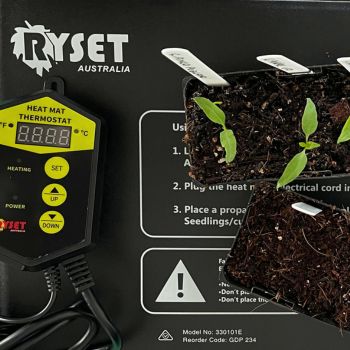
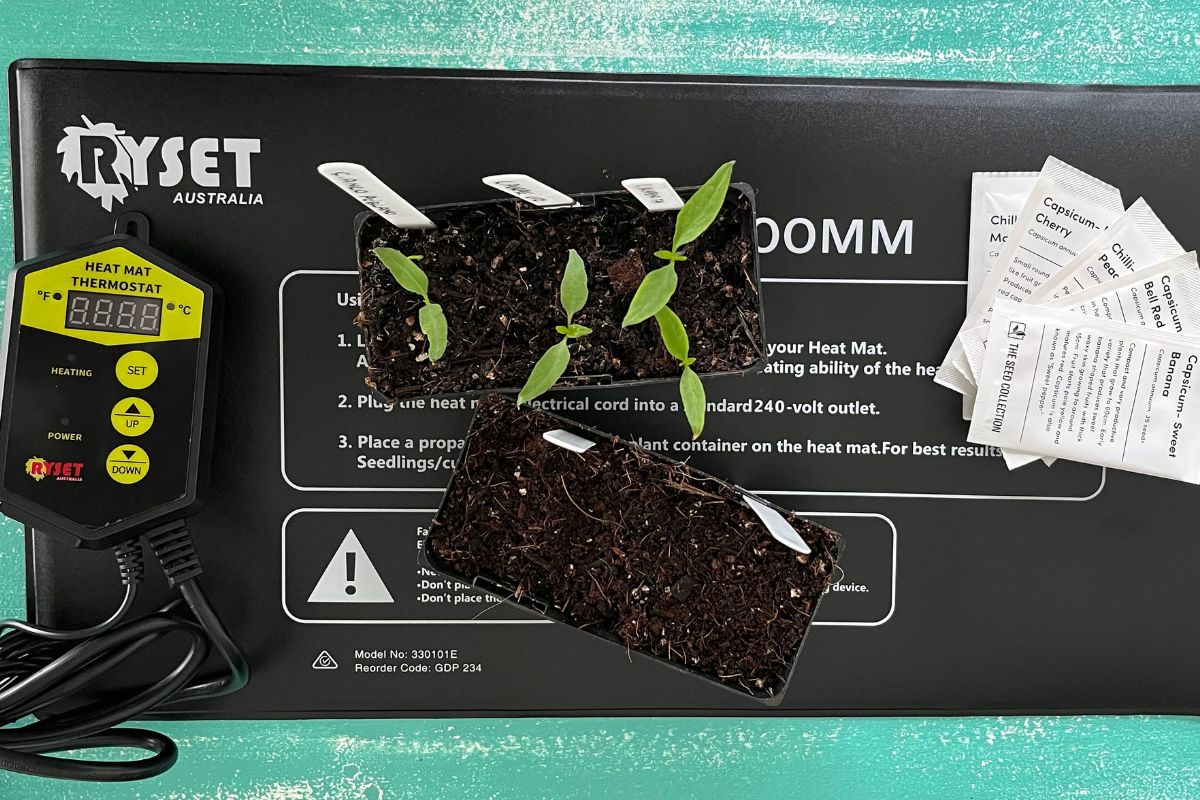
A seedling heat mat is an electrical device that is placed underneath a seed tray, to provide consistent warmth which aids germination. Seedling heat mats differ in size and may be solid or made of a softer material, which allows them to be rolled up for storage. They are often used in commercial greenhouses and nurseries, but are also beneficial to home gardeners and can be placed on a secure bench, shelf, or table indoors.
Are Seedling Heat Mats Always Necessary?
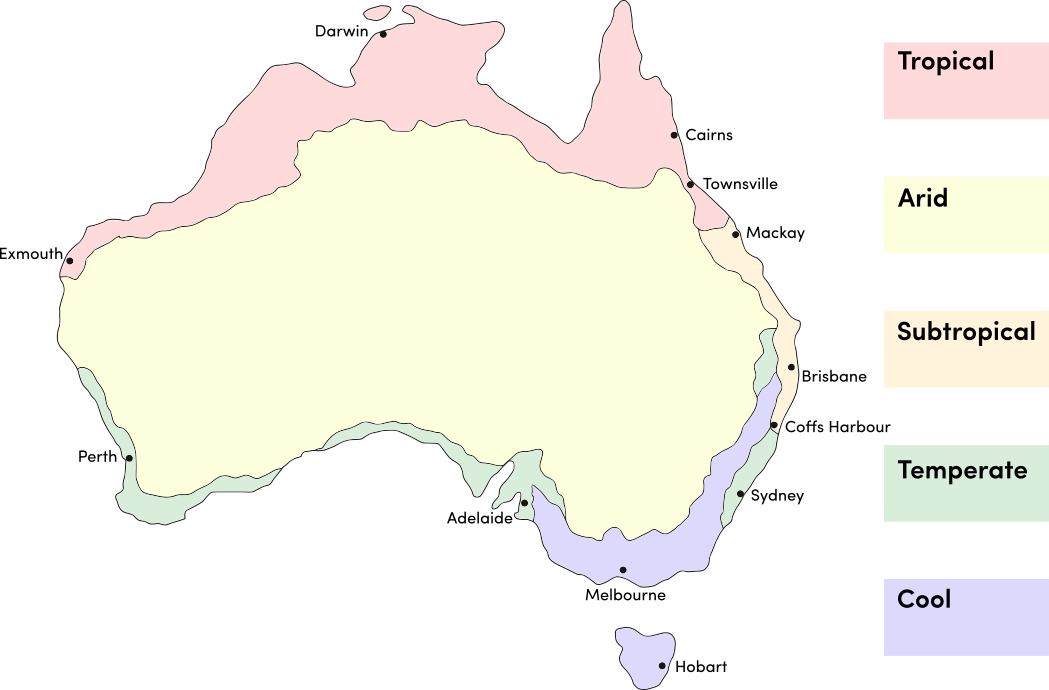
The need for a heat mat is very much based on the gardener’s climate. Seeds like tomatoes, chillies, capsicums, and eggplants germinate best in temperatures between 20-25°C. So, in some climates it may be warm enough to germinate seedlings in a sunny spot, indoors, without a heat mat.
Heat mats are beneficial, however, for anyone in a cold or temperate climate with a shorter growing season - using a heat mat can give these gardeners a head start to the season, by allowing them to sow seeds indoors 5-6 weeks before their last expected frost date. The heat mat will promote more consistent germination and stronger growth in plants, which may begin to produce earlier in the season.
Heat mats are not usually necessary for seeds that germinate at lower temperatures like lettuce, leafy greens and brassicas. Starting these types of cool season seeds on a heat mat in an already warm room may inhibit germination or cause complete germination failure. In a very cold spot, though, a mat can still help bring the mix up to a temperature these seeds are happy with - it's the temperature of the mix that matters, not the type of seed.
How To Use a Heat Mat
- Place your heat mat on a stable surface, in a well-lit area that has good ventilation. This may be next to a draught-free window that receives plenty of natural light, or under a suitable grow light.
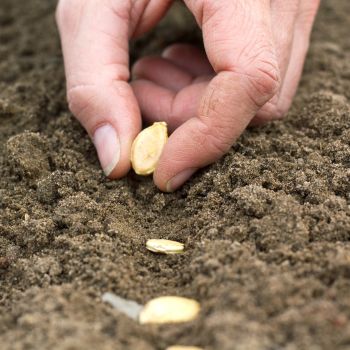
- Sow your seeds and place the pots or punnets onto a solid-based seedling tray that will catch water as it drains through the soil.
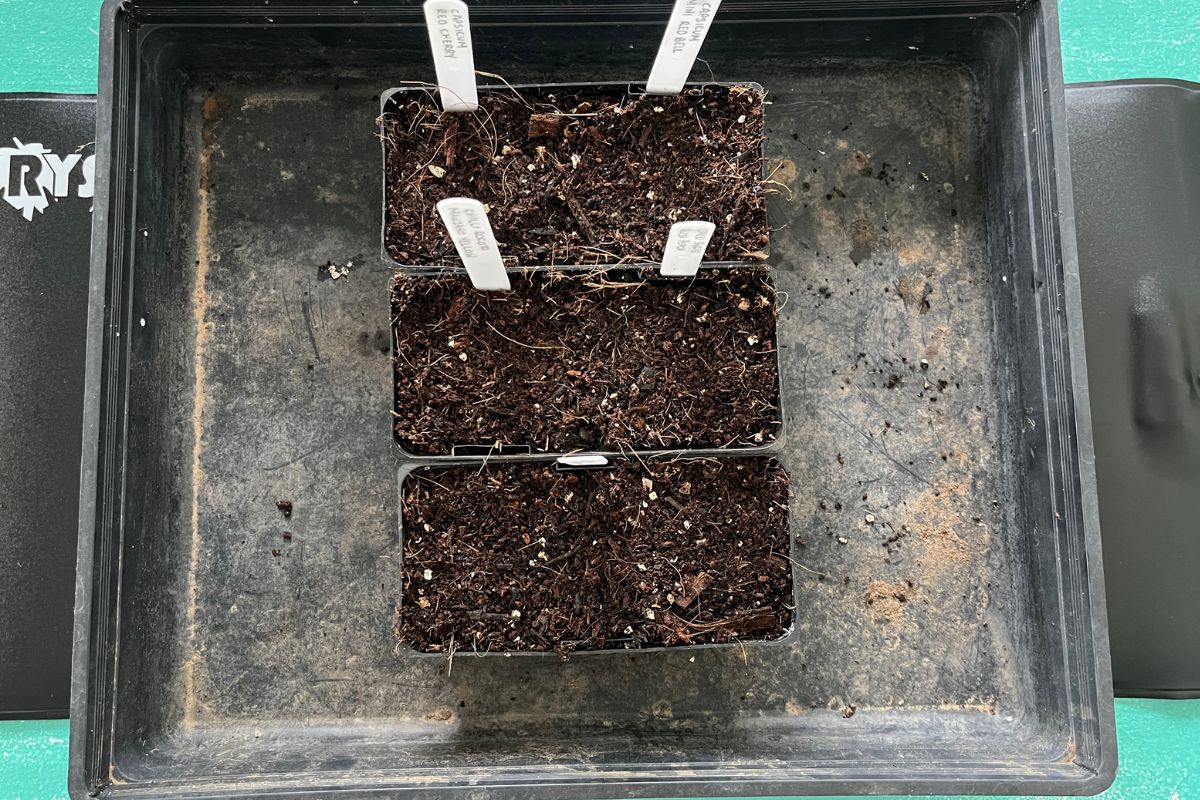
- Place the seed tray directly onto the heat mat and turn it on.
- Monitor seed trays on the heat mat as they can dry out quickly and may need watering daily.
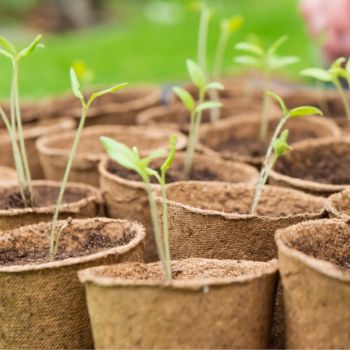
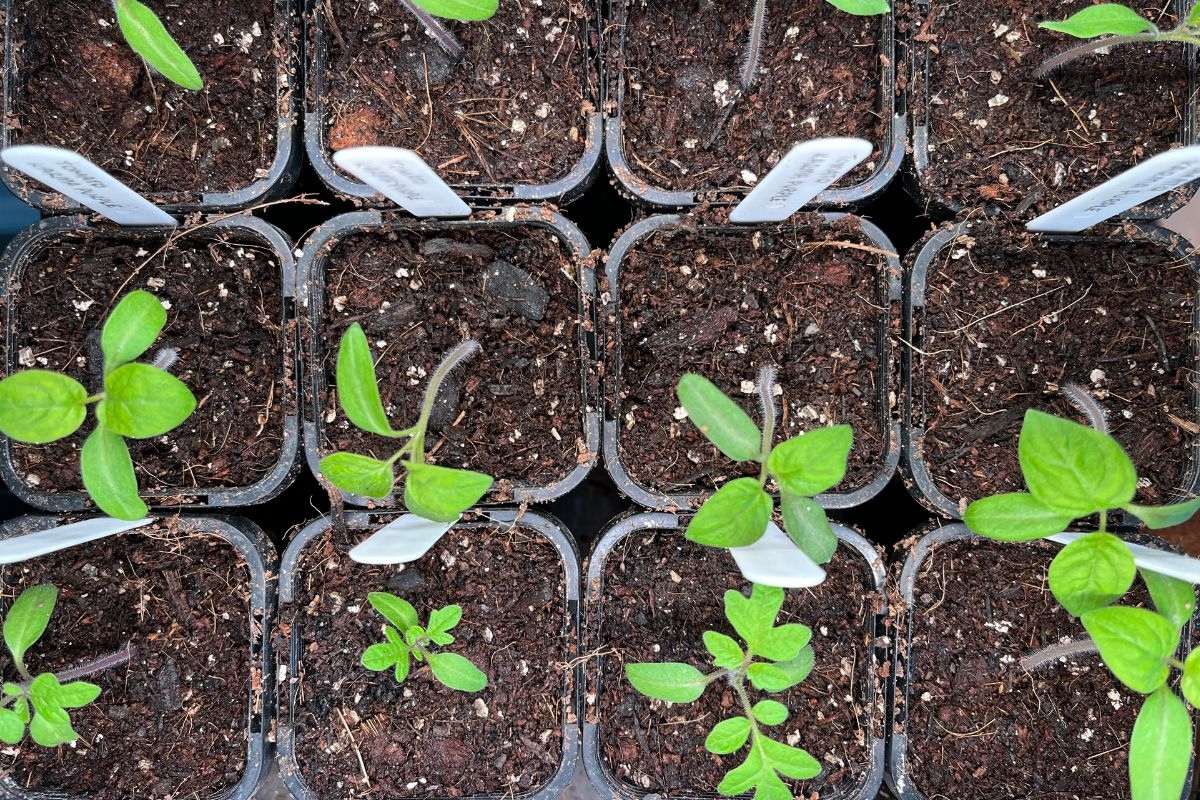
- Once the seedlings have germinated, and their first set of leaves have opened out nicely, the pots should be removed from the heat mat.
Tips for Continued Care of Seedlings
After germination, seedlings prefer a slightly cooler temperature and no longer need the heat mat. In fact, if they are not receiving a considerable amount of light, a heat mat could contribute to leggy seedlings. This phenomenon occurs because warmth speeds up plant growth, while inadequate lighting means the seedling cannot get energy through photosynthesis. If this mismatch between heat and lighting occurs, the seedling will grow tall looking for light. This could cause the stem to weaken and potentially snap.
Once removed from the heat mat, seedlings should be kept in a well-lit, well-ventilated indoor area at a fairly consistent temperature of 15-20°C. When temperatures outdoors are no longer dropping below 10°C, and all risk of frost has passed, it’s time to start the hardening off process.
Other Equipment to Optimise Seed Germination
There are several other pieces of equipment that are compatible with heat mats and may ensure more consistent germination and better results for seedlings:
Mini-Greenhouses
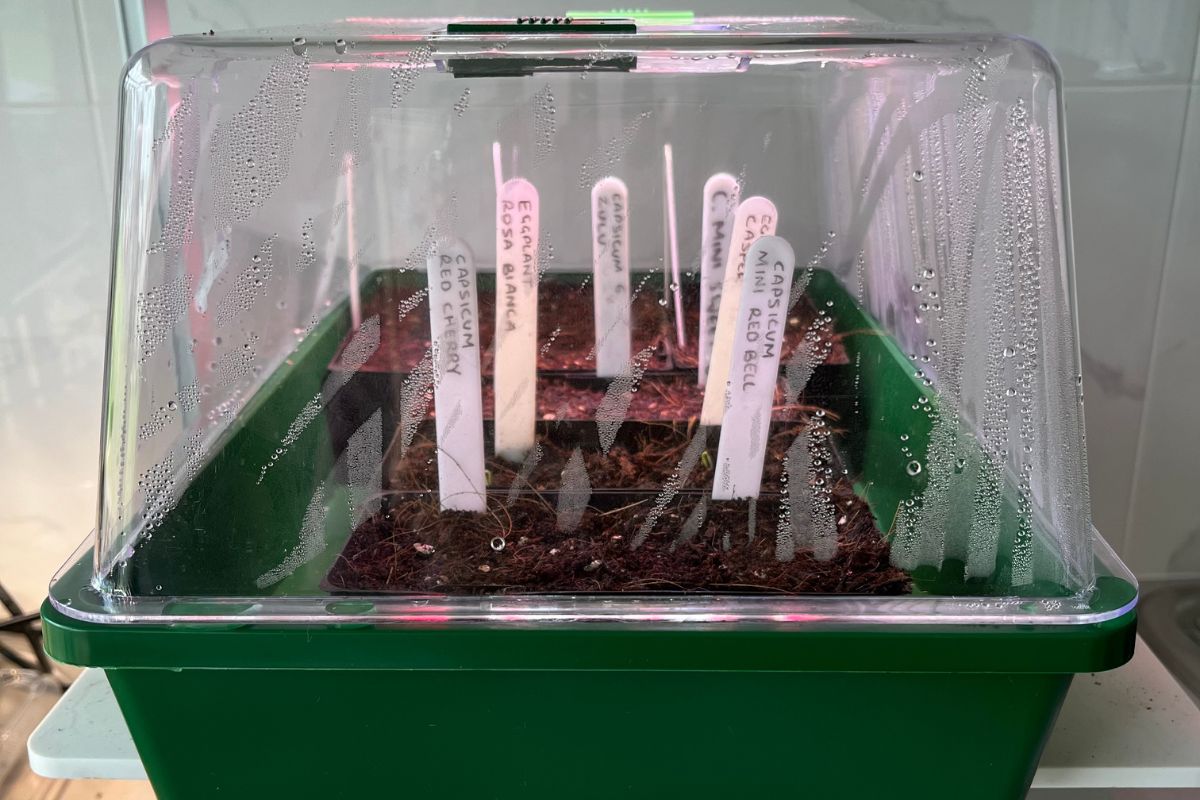
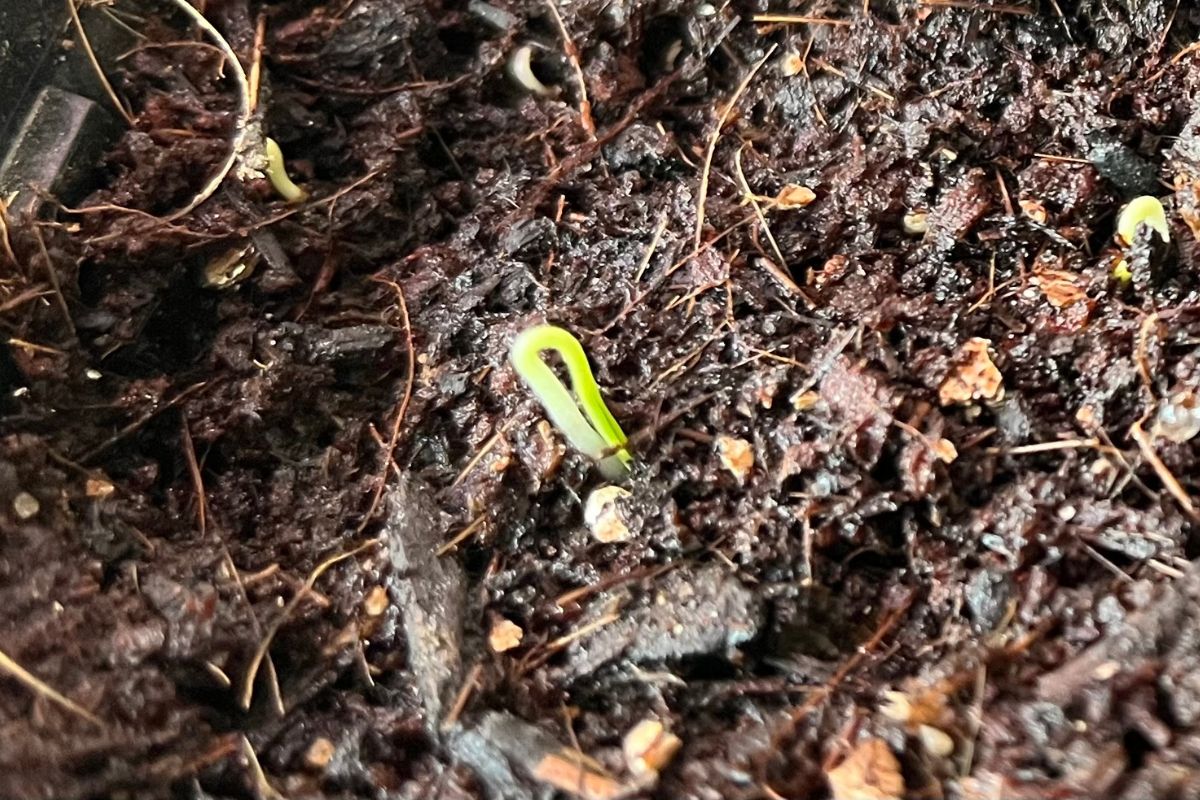
These help to provide the perfect conditions for seed germination, by trapping heat and moisture. Placing seed trays in an enclosed mini-greenhouse, on the heat mat, helps to maintain uniform warmth throughout the seed raising mix. The clear lid blocks out any draughts that may exist in the room, and also traps moisture as it rises rather than allowing it to evaporate. This means the seed raising mix will not dry out as quickly. Keeping the environment humid also greatly reduces the chances of seedlings getting stuck in their seed casing, by keeping the shell moist.
Grow Lights
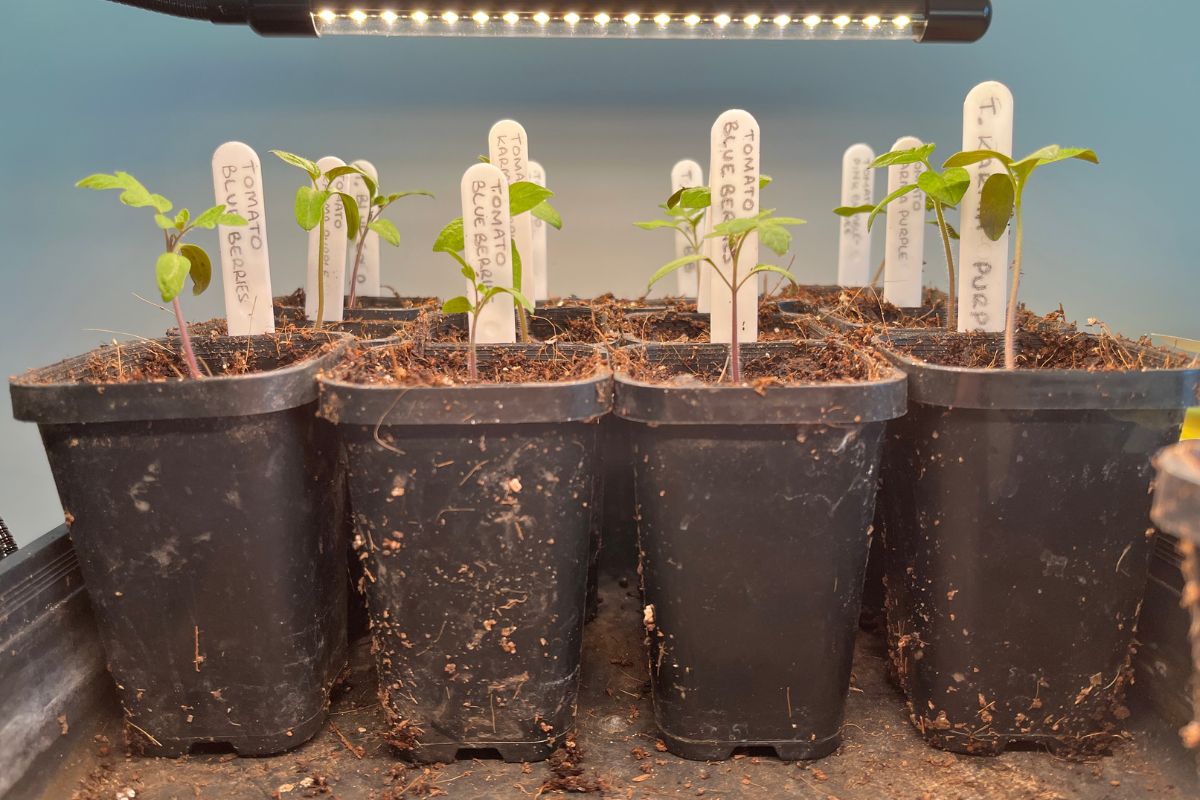
These may be essential for growers in cold and temperate climates who do not have a very bright, unobstructed, north-facing window or greenhouse. As soon as the seed germinates, it requires light to match the warmth it is receiving. This light continues to be necessary after the seedling has been removed from the heat mat. Seedlings that have 8-14 hours of good-quality light a day are much less likely to become leggy.
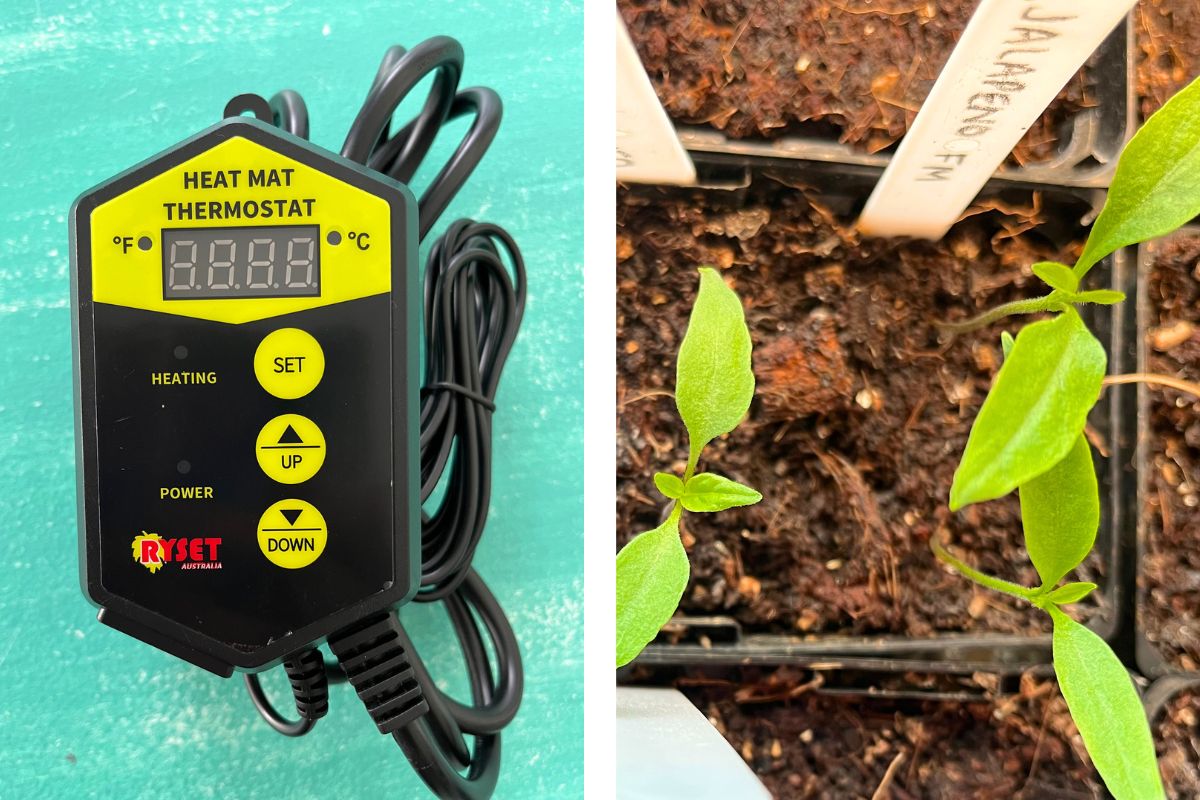
Thermostat
A thermostat is a device used with heat mats that allows control over the specific temperature desired. A heat mat on its own has no way of knowing how warm the mix already is, so in a warm room it can push the temperature higher than you want. A thermostat gives you control, allowing you to set an exact figure. Most growers manage without one, but it's worth considering if you're germinating something fussy. For example, chilli growers may like to have much more control over the temperatures of their heat mat as different varieties germinate at different temperatures. Mild chillies will happily germinate at 20-25°C, while superhot varieties such as Carolina Reaper germinate faster between 25-30°C.
Heat Mat Safety Precautions
As with all electrical devices, it is important to buy heat mats from a reliable supplier and always follow the instructions that come with the mat.
Heat mats and water are used together by design, so a few precautions are worth the effort. Keep the plug, cord and any join well clear of where you water, and check the cord for damage before each season. Use a solid-based tray under your pots so drainage water is caught rather than pooling on the mat itself, and wipe up spills promptly.
Place the mat on a flat, heat-tolerant surface - not on carpet, and not on soft furnishings. Don't cover the mat with towels, cloth or insulation to "boost" the heat, and don't fold or roll it while it's switched on. Always ensure the mat and cord are out of reach of children and animals, and switch it off at the wall when you're not using it.
Browse Our Seed Raising Supplies Here
.jpg)
.jpg)
Article & Photographs by Stephanie Hall-Richards