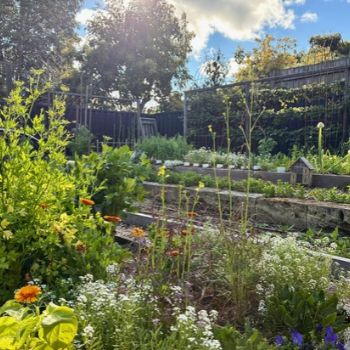

Every year, somewhere around the middle of winter I get what I call the winter garden blues.
Living in Melbourne there comes a point where grey days, bare branches and muddy garden beds start to feel a little never ending. The garden that only a few months earlier was overflowing with flowers suddenly feels very quiet.
And then of course, I open social media…
Someone, somewhere is always in summer. Their garden is overflowing with dahlias, cosmos and sunflowers. Everything looks green, colourful and abundant. Meanwhile I’m outside in a puffer jacket staring at a patch of wet soil.
But I'm slowly learning not to wish winter away.
I am trying to appreciate the seasons of my garden for what they are. I have realised that winter has its own kind of beauty. It’s quieter and slower but maybe that’s exactly what the garden, and sometimes the gardener needs.
.jpg)
Finding Peace In A Quieter Garden
I think when you love gardening it can be really easy to measure how good the garden is by how much is flowering. When everything dies back or disappears underground, it can almost feel like there is nothing happening anymore. But the more I learn about plants and gardening, the more I realise that isn't really true.
Winter is still part of the growing cycle. Some plants are resting, others are putting down roots, and bulbs are sitting beneath the soil getting ready for their moment. Even when there isn't much to see above ground, the garden is still changing. And there are actually some really beautiful things about having a quieter garden. You start noticing things you probably wouldn't pay much attention to in summer – the shape of bare trees, little shoots appearing through the soil, the first buds starting to swell and the few flowers that do brave the cold.
So this winter I'm trying something different. Instead of constantly thinking about how I want the garden to look in spring, I'm trying to enjoy what's happening in it now – while still allowing myself to get very excited about everything that's to come.
The garden gets to rest and so do we.
.jpg)
Spring and summer can actually be incredibly busy in the garden.
There’s watering, deadheading, feeding, sowing, staking, harvesting and constantly noticing another job that needs doing. Winter takes that pressure away. Many plants are dormant. Growth slows, Some completely disappear underground. The garden is resting and preparing itself for another season.
I’ve started looking at winter as permission for me to slow down too.
I don’t have to be outside achieving something every weekend. Sometimes enjoying the garden in winter means making a cup of tea, walking around for ten minutes and noticing what’s changed since last week. Because when you actually start looking, winter isn’t as lifeless as it first appears.
Look For Bits Of Colour
I think one of the best ways to get through the winter garden blues is to make sure there are a few things in the garden that you genuinely look forward to.
For me, bulbs are a big part of that.
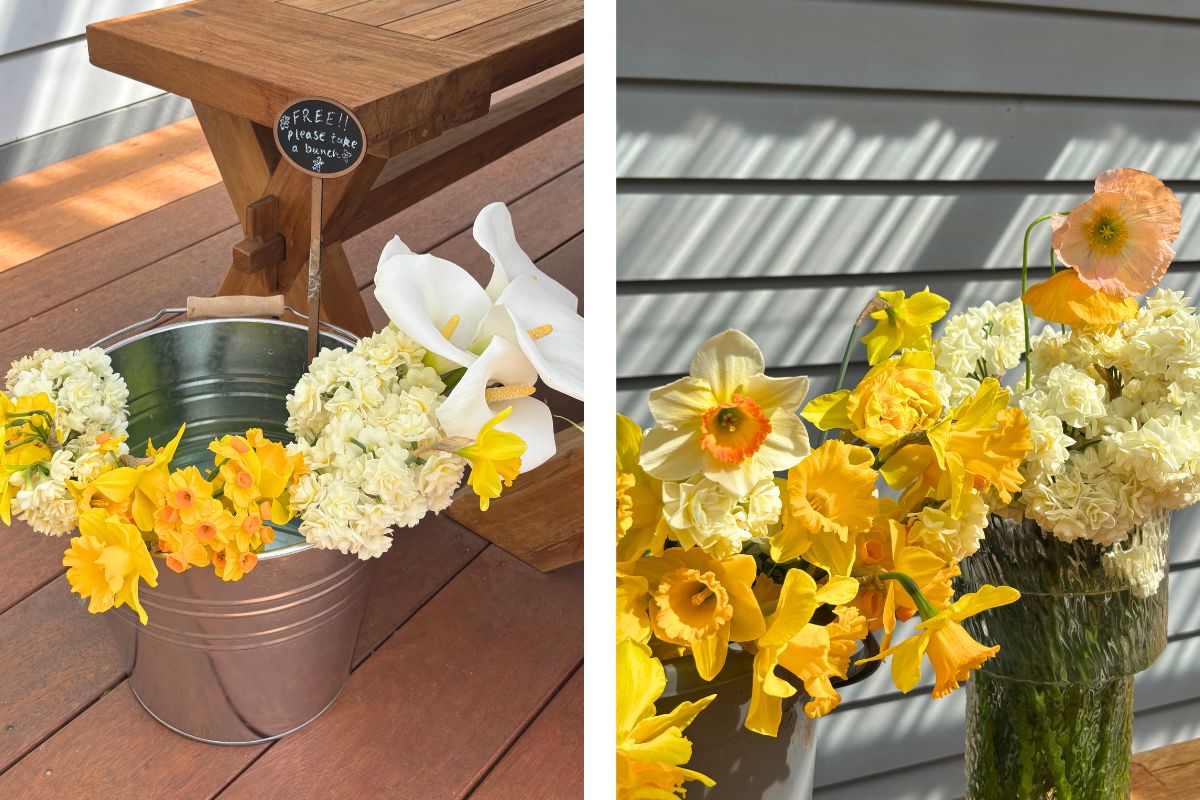
There is something ridiculously exciting about spotting the first daffodil or jonquil emerging from the soil when almost everything else is asleep. Depending on the variety and where you live, some will start flowering from late winter, giving you that first little hint that spring isn't too far away.
Hellebores are another winter favourite. Their beautiful flowers appear when there isn't much else flowering and they suit that slightly wild, romantic winter garden perfectly. They're especially lovely planted underneath deciduous trees, where they can bring some life to an otherwise bare part of the garden.
.jpg)
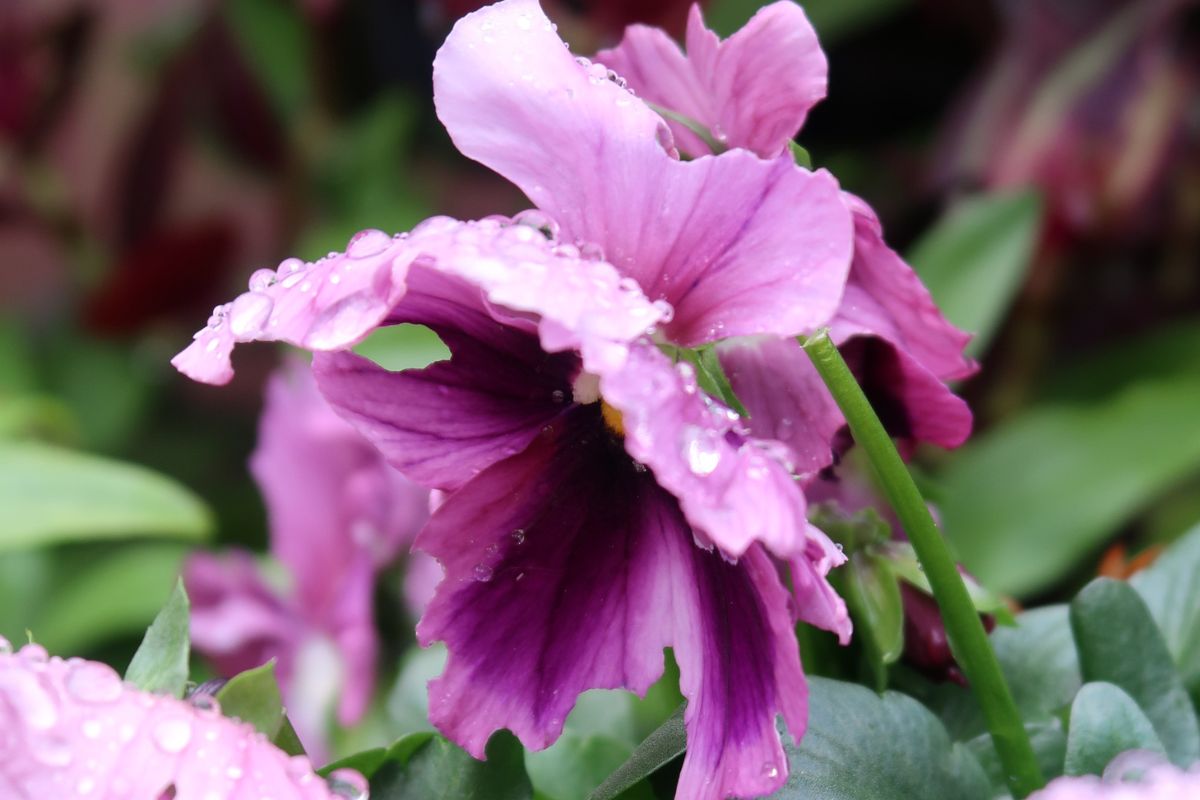
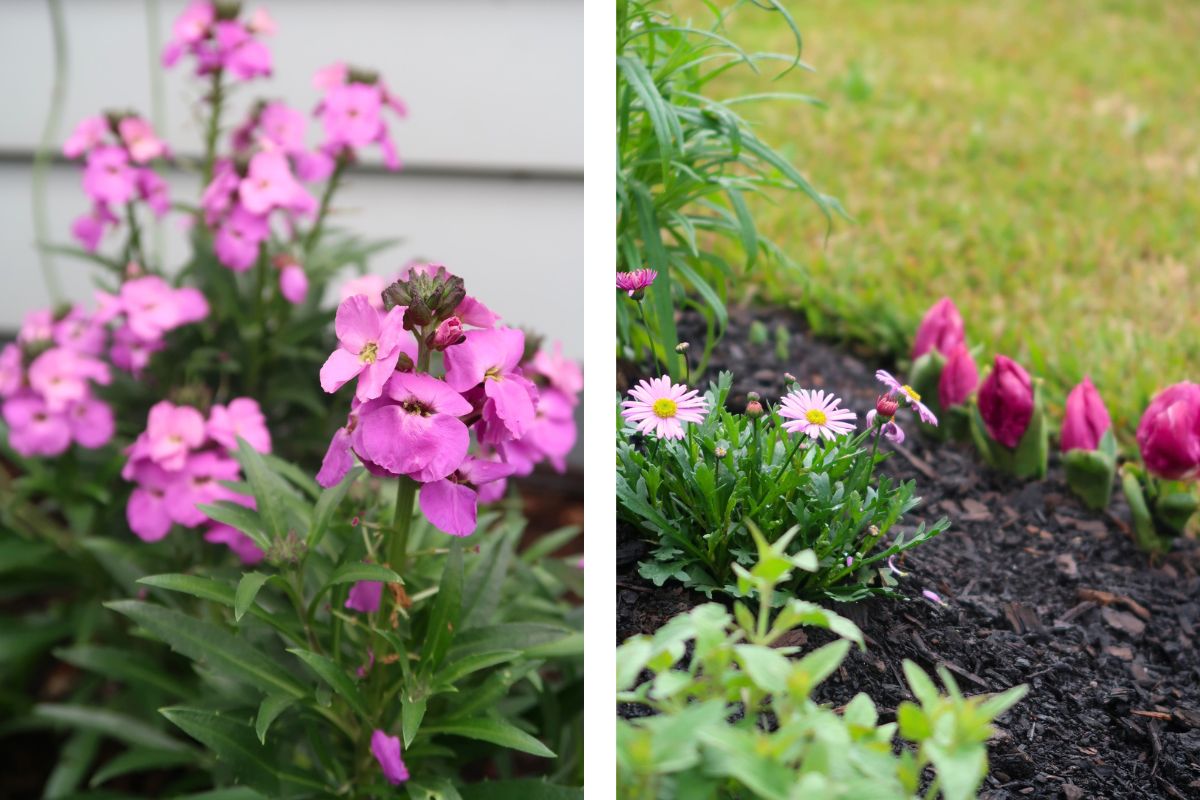
There are actually quite a few ways to add colour through the colder months. Pansies and violas are an easy one and can be planted into pots, along pathways or into little gaps in garden beds. Cyclamen can also bring beautiful colour to sheltered areas, while winter-flowering shrubs can give you flowers on a much larger scale.
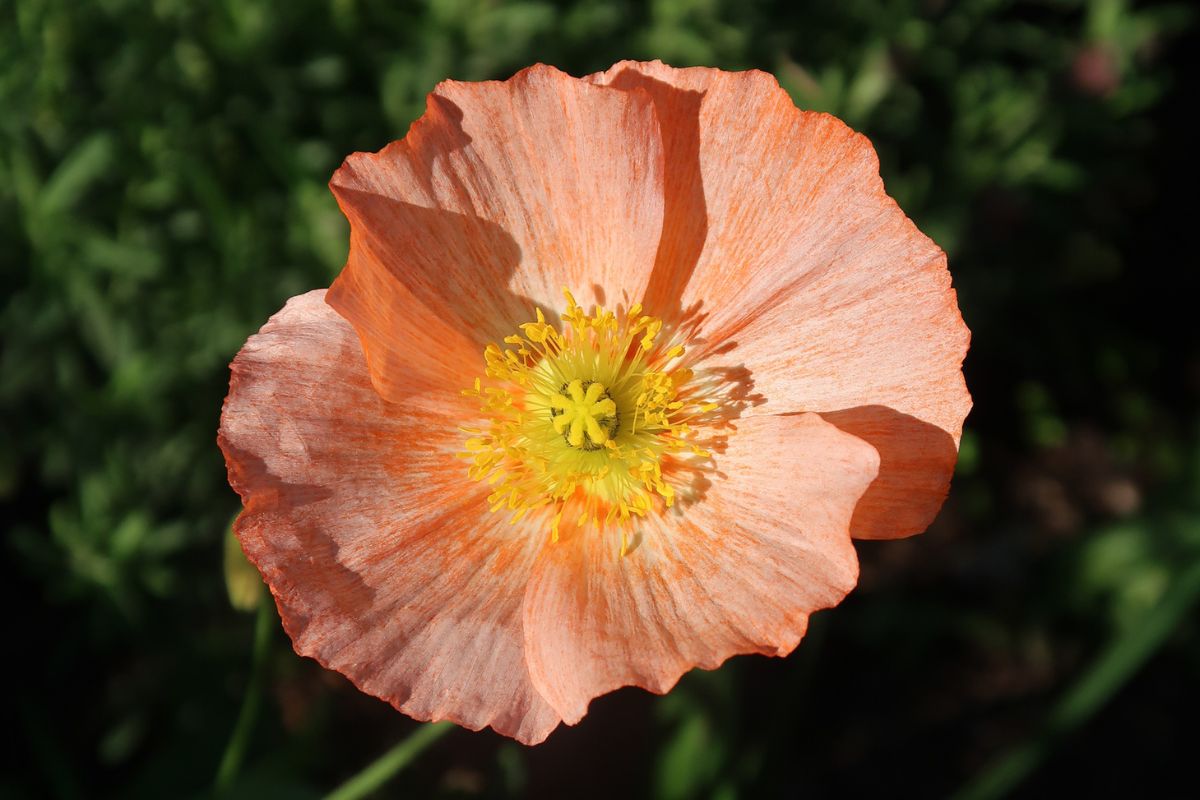
Poppies are another favourite of mine. In cooler climates you can often find young poppy seedlings at nurseries through the cooler months and get them established in the garden. Iceland poppies are particularly good for colour, with their delicate flowers appearing from late winter and continuing into spring. They're such a cheerful flower to have when the rest of the garden is only just beginning to wake up.
.jpg)
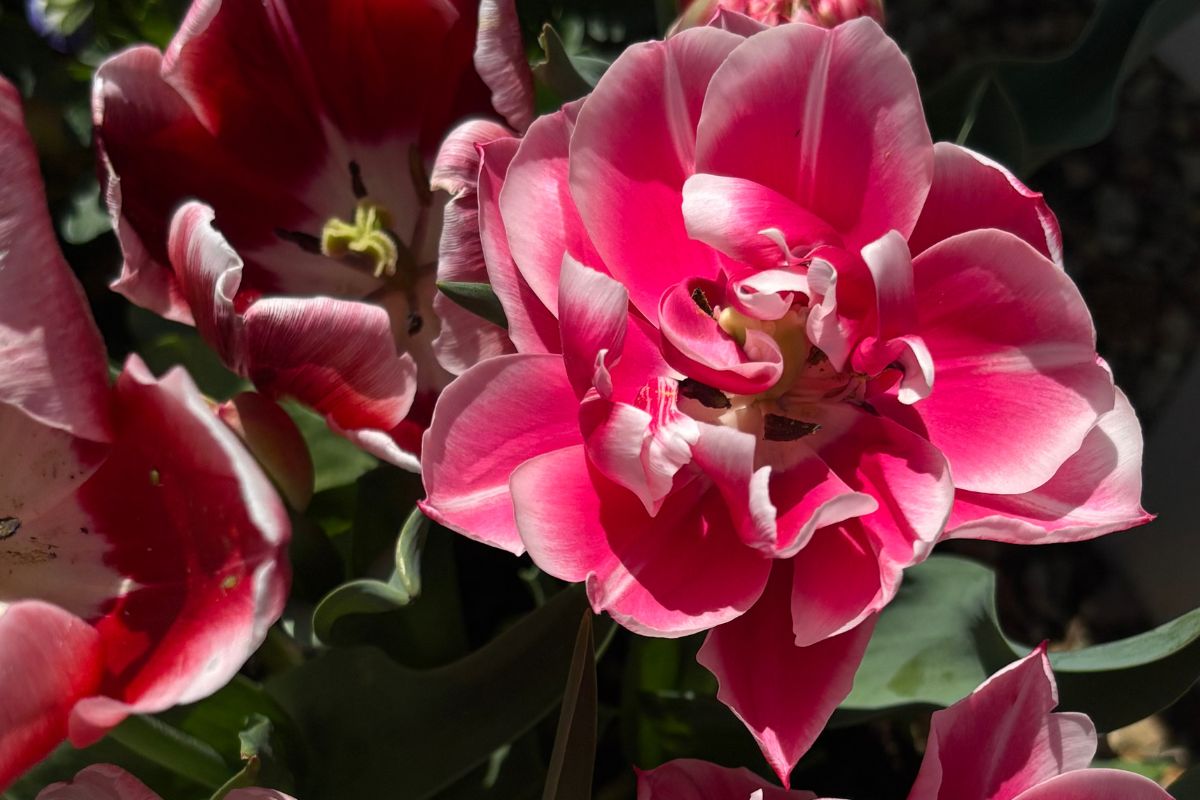
Winter is also a time to think about the colour that's coming next. Plenty of bulbs and corms can be planted in the cooler months, for those beautiful, early spring flowers. Depending on your climate, winter can also be a good time to establish flowers such as foxgloves and sweet peas. They're not necessarily giving you instant colour, but watching them grow gives you something else to look forward to.
And it really doesn't have to be anything elaborate.
A pot filled with pansies or violas near the front door or on your back decking area can provide weeks of colour. Even one little pocket of flowers can make the garden feel completely different on a grey winter morning.
I think that's what I'm learning with winter gardening. You don't necessarily need the abundance of summer. Sometimes one hellebore flowering, a handful of daffodils or the first poppy opening is enough to get you excited about the garden again.
.jpg)
Don’t Forget The Bigger Plants
When we think about winter colour, it’s very easy to immediately think about bulbs and little annual flowers but some of the most beautiful winter moments actually can come from shrubs and trees.
Camellias are the perfect example. Their glossy, evergreen foliage gives the garden some much needed green through winter and the flowers appear when so many other plants are dormant. Depending on the variety and climate, Camellias can flower from autumn right through winter into spring.
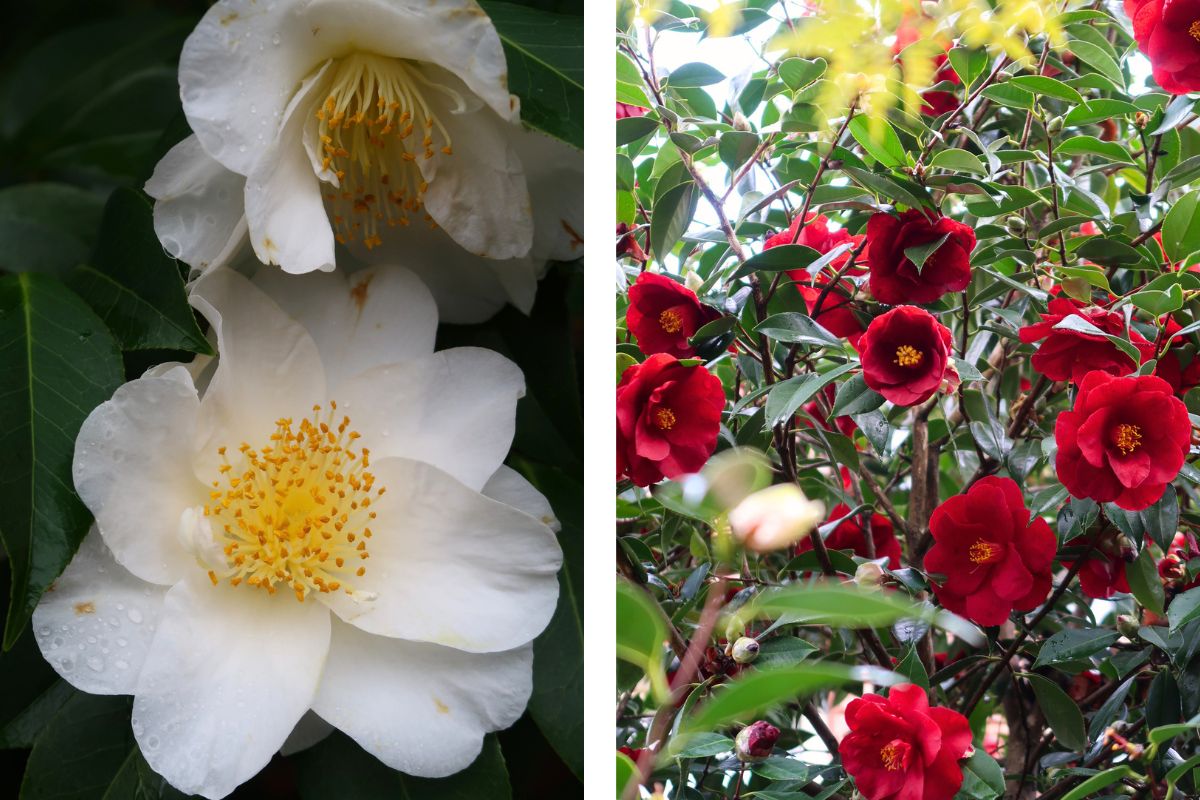
They are a great reminder that winter interest does’t always need to come from planting dozens of little flowering plants. One established shrub can become a feature of the garden for years.
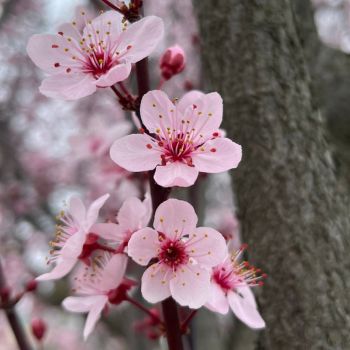
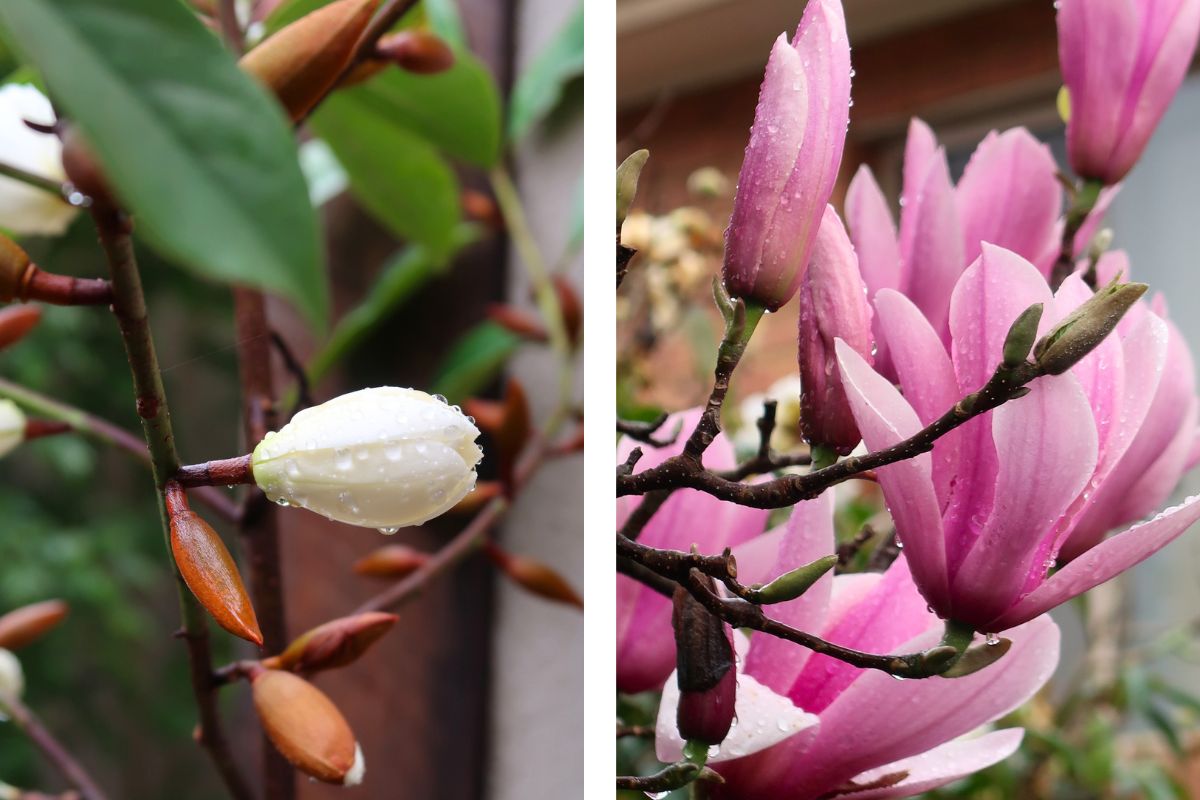
Then there are magnolias. I absolutely love that stage where a deciduous magnolia is completely bare except for those fuzzy flower buds sitting along the branches, and when the first flowers open they completely transform a garden before the leaves have even returned.
Plant Something To Look Forward To
One thing that really helps me enjoy winter is anticipation. Instead of looking around and thinking, there’s noting happening? I try and think about everything that’s quietly getting ready.
Ranunculus are a perfect example.
Their strange little spidery corms don’t look very impressive when you first get them but once planted they begin establishing and eventually send up their fresh green growth. Watching that foliage through the cooler months is exciting because you know what’s coming. Depending on where you live and when you plants, flowering will generally arrive as conditions begin warming in spring. In cooler climates that means winter can be the reason of building roots and foliage before the real show begins.
Let Winter Look Like Winter
This is something I’ve really had to learn.
Not everything needs to be green. Not everything needs to be flowering. Not everything that looks brown needs to immediately be chopped down.
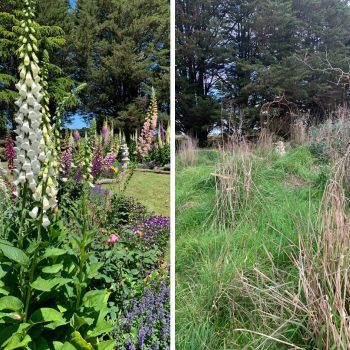
The idea of not being too quick to tidy everything away. Leaving spent flower heads, stems and grasses through winter doesn’t just give the garden texture and structure, it can also create important little habitats for insects and other wildlife. It’s made me look at my own garden differently. Instead of seeing a brown perennial and immediately thinking it needs to be cut back, I’m learning to think about what it might ve doing for the garden by simply being left alone for a little longer.
I also really love the naturalistic look this creates. There's something beautiful about letting a garden show its seasons rather than trying to keep it looking perfectly neat all year round. Dried seed heads mixed through grasses and bare branches have their own kind of beauty, and on a frosty winter morning they can look completely different again. Of course, there will always be things that need pruning, cutting back or tidying at the right time. But I'm learning that a winter garden doesn't need to look like an empty, freshly cleared garden bed.
Sometimes leaving things standing is part of the beauty of it and it gives the little creatures we share our gardens with somewhere to spend winter too.
.jpg)
Start Planning What You Will Grow From Seed
Seeds are basically little packets of optimism.
You can sit inside on a freezing Melbourne night looking at a packet of cosmos seeds and imagine a completely different garden a few months from now. Winter is a great time to take stock of the seeds you already have, work out what you'd like to grow and start making a rough plan for the warmer months. Think about where plants will eventually go rather than just buying every beautiful seed packet you see – although I am definitely still guilty of that.
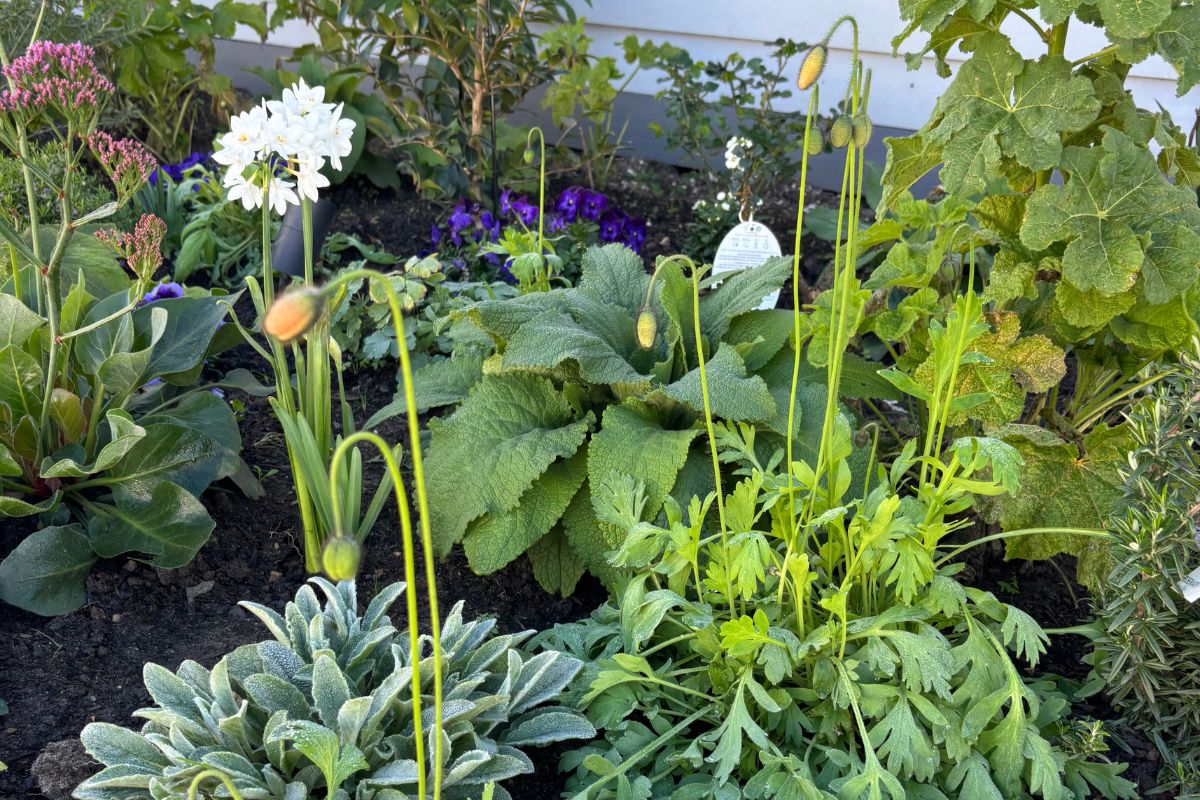
Consider Height. Think about flowering times. Look for gaps in your existing planting. Think about whether you'd like flowers for cutting, pollinators, pots or simply filling empty spaces.
Resting doesn't mean completely abandoning the garden until September. Having a few small jobs to potter away at is actually one of the things that gets me through winter. It keeps me connected to the garden without the constant workload that comes with the warmer months.
Give Yourself A Few Little Jobs
- Weed garden beds while growth is slower.
- Add compost and organic matter where your soil needs it.
- Plant bare-root roses and suitable deciduous trees and shrubs.
- Prune roses and other plants at the appropriate time.
- Plant bulbs and ranunculus at the appropriate time for your climate.
- Move or divide suitable dormant perennials.
- Clean, sharpen and organise garden tools.
- Check stakes and supports.
- Tidy pots and growing areas.
- Take photos and make notes about areas you'd like to change.
- Start choosing seeds for the seasons ahead.
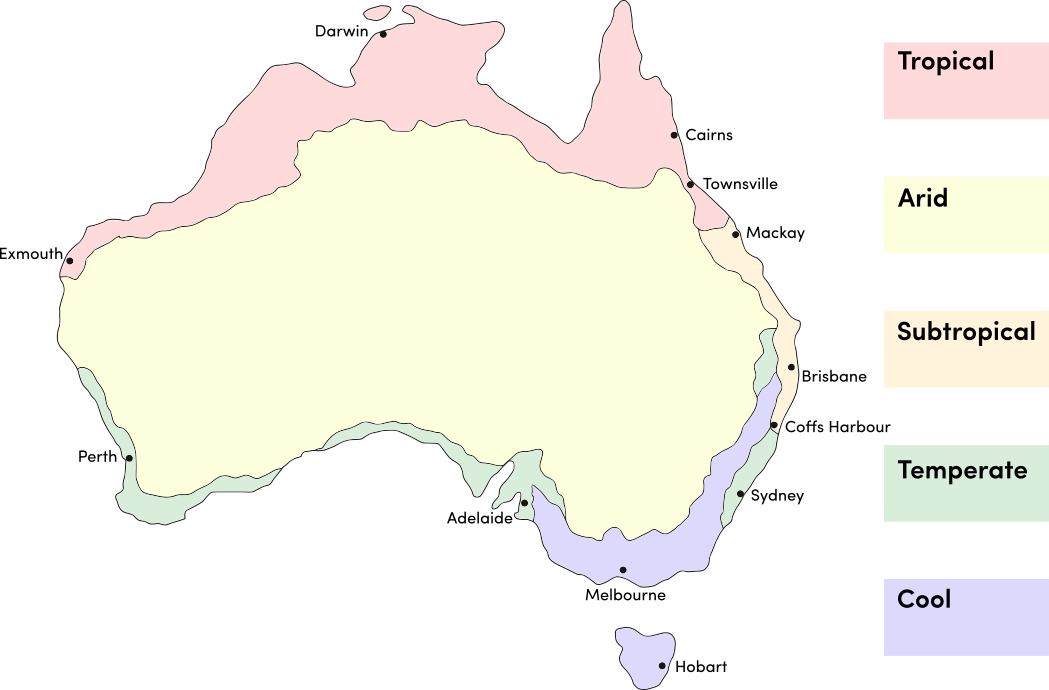
What you do will obviously depend on where you live. Winter in Melbourne is very different from winter in tropical Queensland, so it's always worth considering your own climate and local conditions before sowing, planting or pruning.
But it doesn't need to become a huge weekend project either. Sometimes I'll head outside intending to do one little job and end up wandering around looking for new shoots, checking my bulbs and imagining where everything will be flowering in a couple of months.
That's enough.
Don’t compare your winter garden to someone else’s summer. This is probably the reminder I need the most.
Social media means we can look at beautiful gardens anywhere in the world at any time. It's wonderful for inspiration but it can completely distort what we think our own garden should look like. You might be sitting through weeks of Melbourne rain, while someone in Europe or America is posting the absolute peak of their summer garden.
Of course yours looks different, It's supposed to.
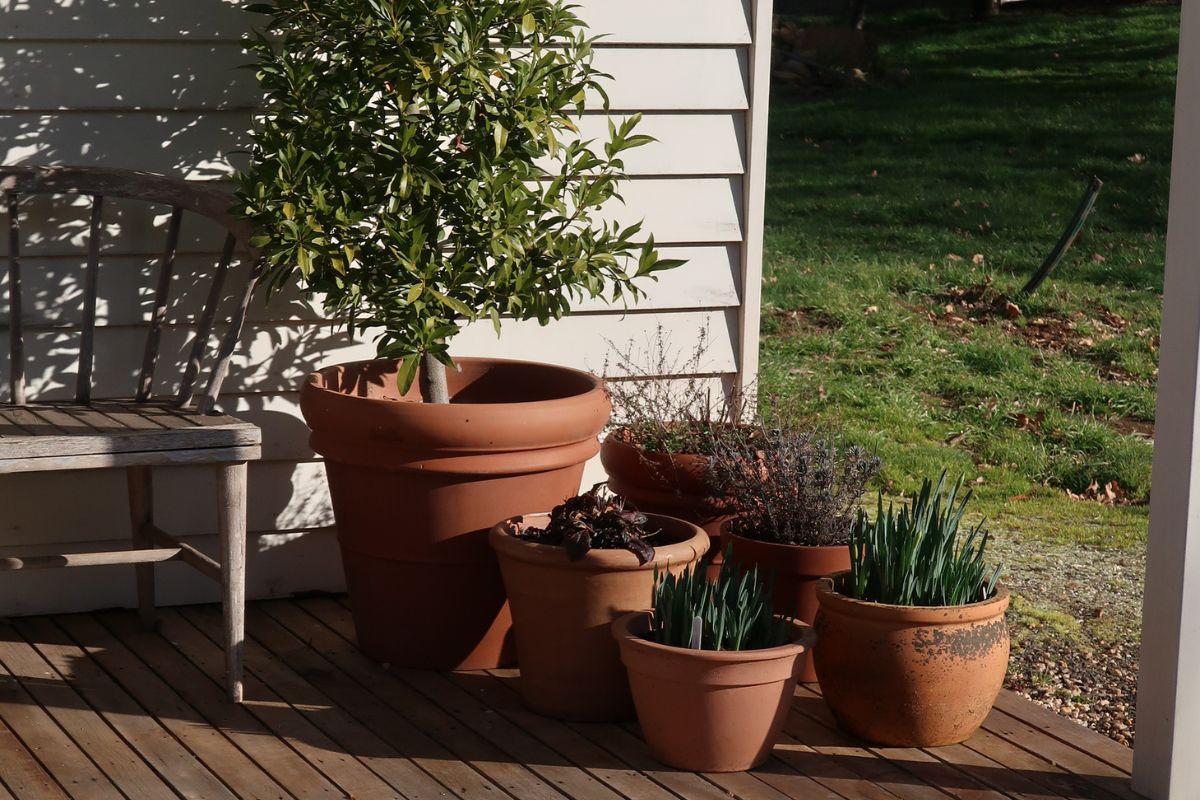
Finding beauty in every season
Even locally, gardens are going to behave differently depending on elevation, frost, rainfall, soil, aspect and individual microclimates. I've started trying to use beautiful garden photos as inspiration rather than a measuring stick.
Instead of thinking, why doesn't my garden look like that? I can think, what do I actually like about that?
Maybe it's the way they've repeated one flower.
Maybe it's the height.
Maybe it's the colours.
Maybe it's how full the garden feels.
Those ideas can go into my spring planning without making me hate what my garden looks like right now. Find winter inspiration around you. You don't have to wait until spring or summer to visit beautiful gardens either.
I've actually found visiting gardens in winter really inspiring because you notice completely different things. Without all the flowers and foliage taking over, you can see the structure of the garden. The shapes of trees, pathways, hedges, grasses, evergreen plants and all the little details that might get lost during the warmer months.
Instead of only looking at what was flowering, I found myself noticing how the gardens still felt beautiful without an abundance of colour. I was looking at the way plants had been layered, what had been left standing, the shapes of bare trees and what was giving the garden structure through winter. I came home from both visits with ideas for my own garden.
So don't feel like garden visiting is something you have to save for spring. Rug up, grab a coffee and go and see what other gardens are doing in winter. You might actually notice more than you expect.
.jpg)
I think the biggest thing I'm learning is that being a gardener means learning to appreciate the garden in all of its seasons, not just when it's at its fullest.
It's easy to love a garden in spring and summer when there is colour everywhere and something new seems to flower every day. Winter asks us to look a little closer and appreciate things differently. I'm sure I'll always get the winter garden blues at some point and I'll definitely always be excited for spring. But I'm trying to stop treating winter as something I just need to get through.
There is something really nice about allowing the garden to slow down and simply enjoying it for what it is at that moment.
Maybe that's one of the best things about having a garden. Just when you start missing what it used to be, the season begins to change and you get to fall in love with it all over again.
Article & Photographs by Emily Todd
.jpg)
.jpg)