
I’m always looking for ways to make gardening a little simpler and here’s one job I don’t do... I don’t harden off my seedlings.
You might have heard about hardening off from another gardener or while looking up how to grow something. It usually means giving seedlings a little time outside each day, then gradually increasing that time before planting them into the garden.
I understand the thinking behind it. A seedling that’s spent its life warm and protected isn’t going to appreciate suddenly finding itself in blazing sun, a cold storm or strong winds. But, I’ve never followed a hardening off routine.
Instead, I try to make the move into the garden as gentle as I can. For me, that comes down to watching the weather, getting the moisture right and giving seedlings a little extra protection if they need it.
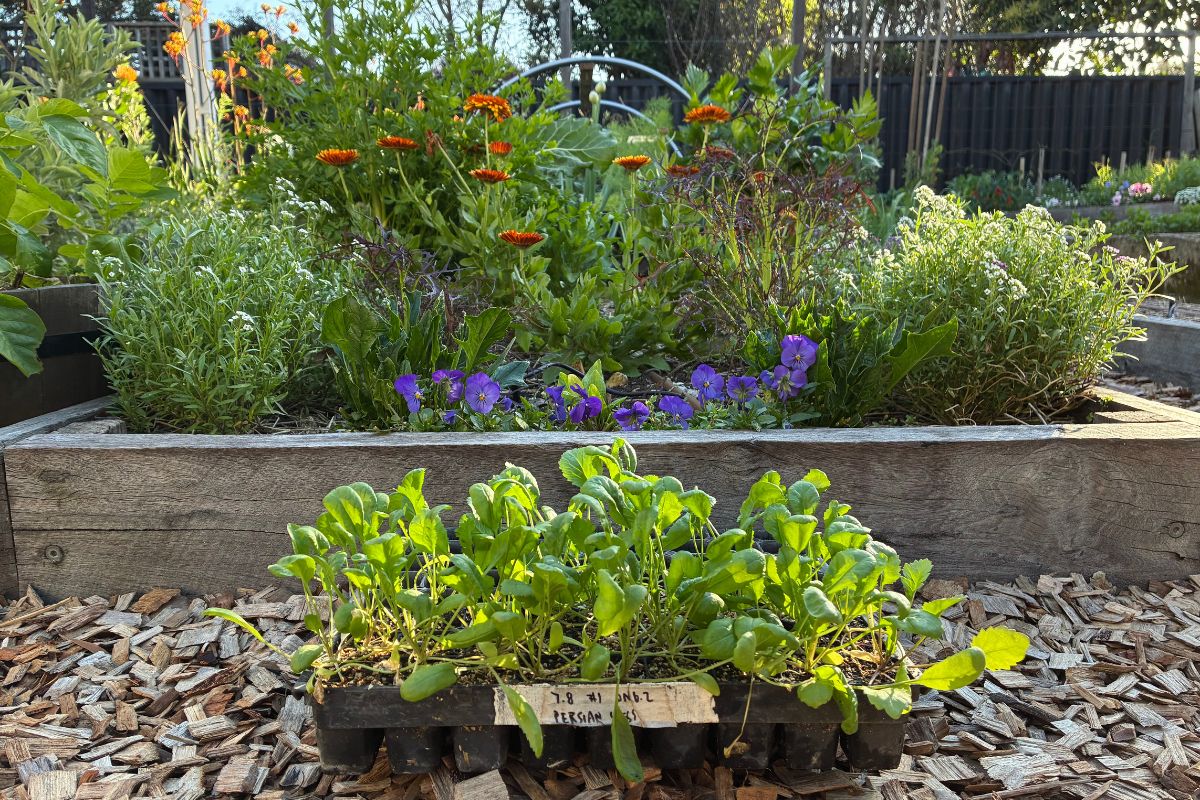 Healthy seedlings ready to make the move into the garden.
Before They Go Into The Garden
Most of the seedlings I grow myself start life indoors under grow lights. I work full time and keeping them inside makes it much easier to manage their moisture. I’m not at home to rescue a tiny seedling if a hot or windy day suddenly dries out its little pot.
I also buy seedlings from time to time so not everything I plant has been raised the same way.
Either way, I don’t have a separate hardening off stage. When they’re ready to plant, I plant them. The important bit for me is how I do that.
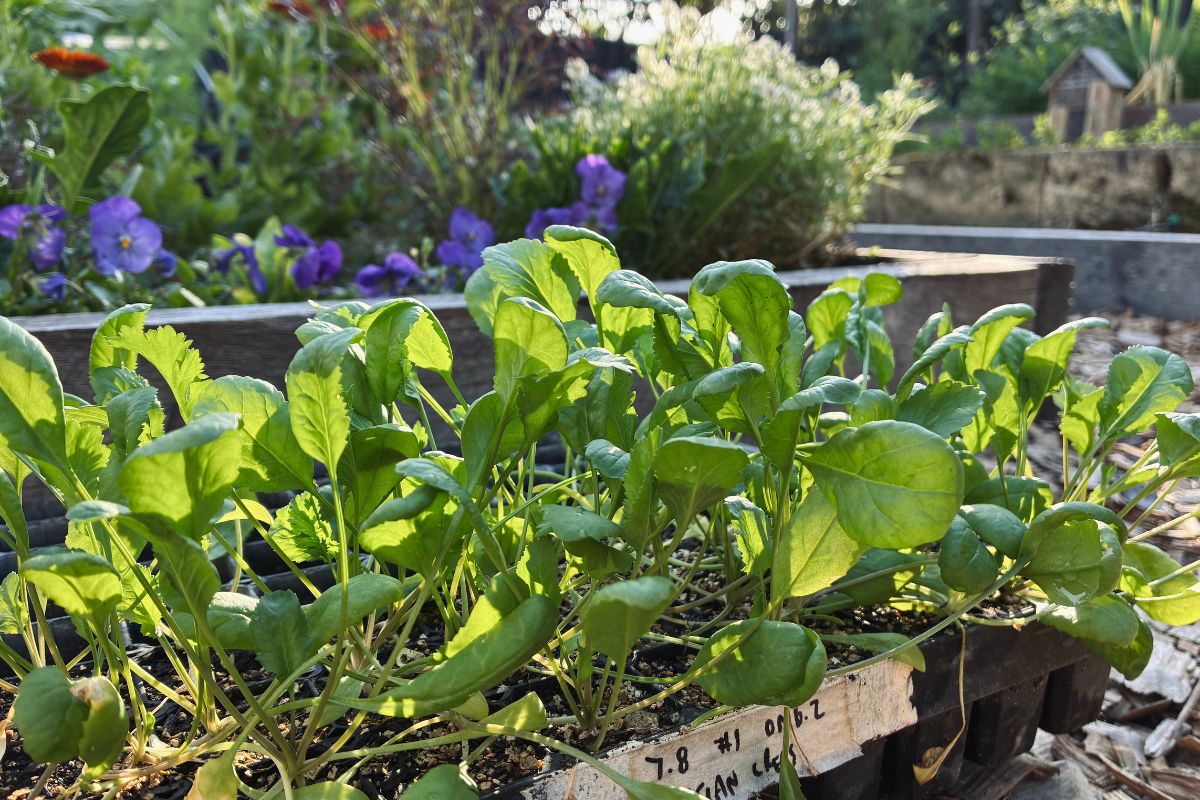 Healthy seedlings before planting
I Let The Weather Help Me
If I can choose a mild, cloudy day to plant, I will. A little drizzle can be lovely too. Basically, I’m looking for a day without extremes.
Of course, the weather doesn’t always cooperate. In summer, waiting for a cool cloudy day might mean waiting a very long time. If it’s hot, I’ll plant later in the afternoon. That gives the seedlings the evening and night to settle in before they face a full day of sun.
In hot weather, I prefer planting later in the day so seedlings have the cooler evening and night to settle in. If the forecast looks particularly cold, wet or wild, I’ll wait if I can. It’s less about finding the perfect day and more about avoiding the worst ones.
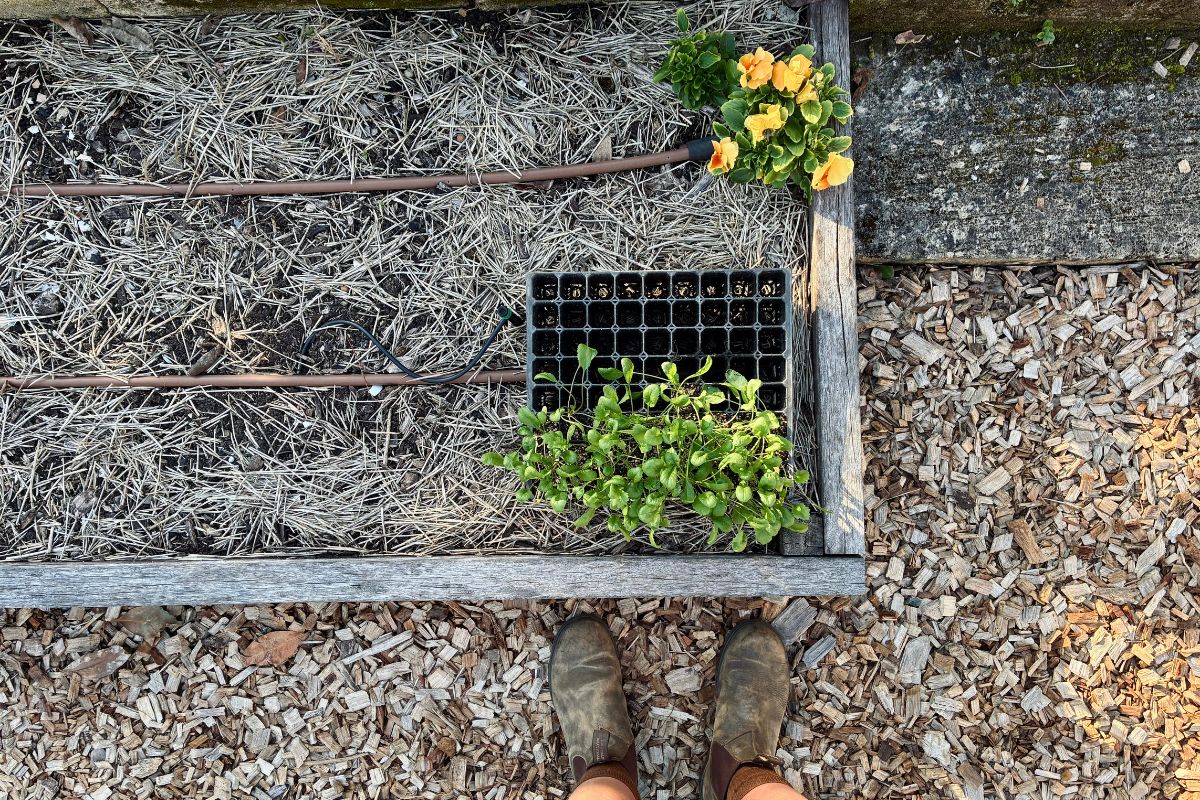 Seedlings laid out and ready to plant
Start With The Right Moisture
I don’t like planting a thirsty seedling, but I don’t want the soil too wet either.
Before planting, I want the root ball nicely moist. I use a simple root dip before the seedling goes into the ground and make sure there’s enough moisture in the surrounding soil.
For the first little while, I pay more attention to moisture than I would with an established plant. The roots are still sitting in a fairly small pocket of soil and haven’t spread out in search of water yet.
That doesn’t mean constantly watering them. Wilting doesn’t automatically mean a plant needs another drink, so check the soil first rather than watering on autopilot.
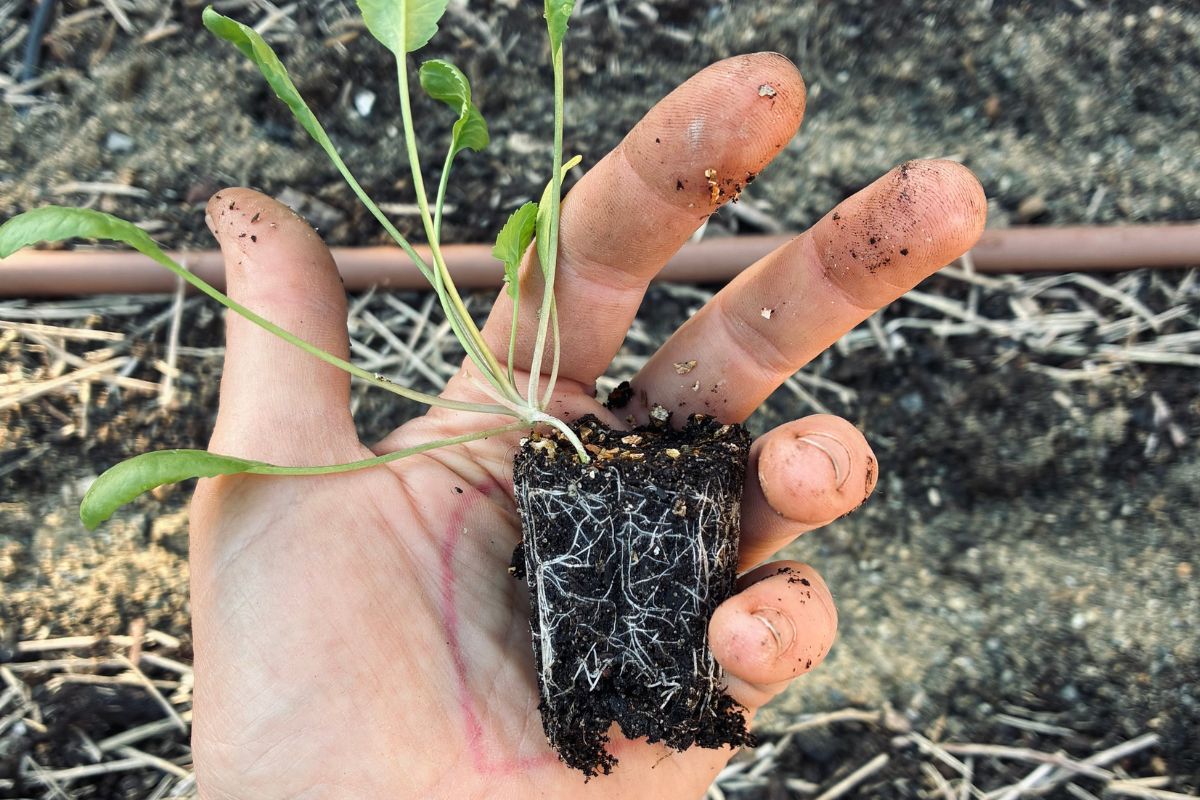 A healthy root system ready for planting
Don’t Panic If They Flop
Even when you’ve done everything right, seedlings can look a little sorry for themselves after transplanting.
They’ve just come out of their pots, had their roots handled and been moved into a completely new environment. A bit of drooping that afternoon isn’t something I worry about too much. They might bounce back the following morning, or take a day or two to find their feet.
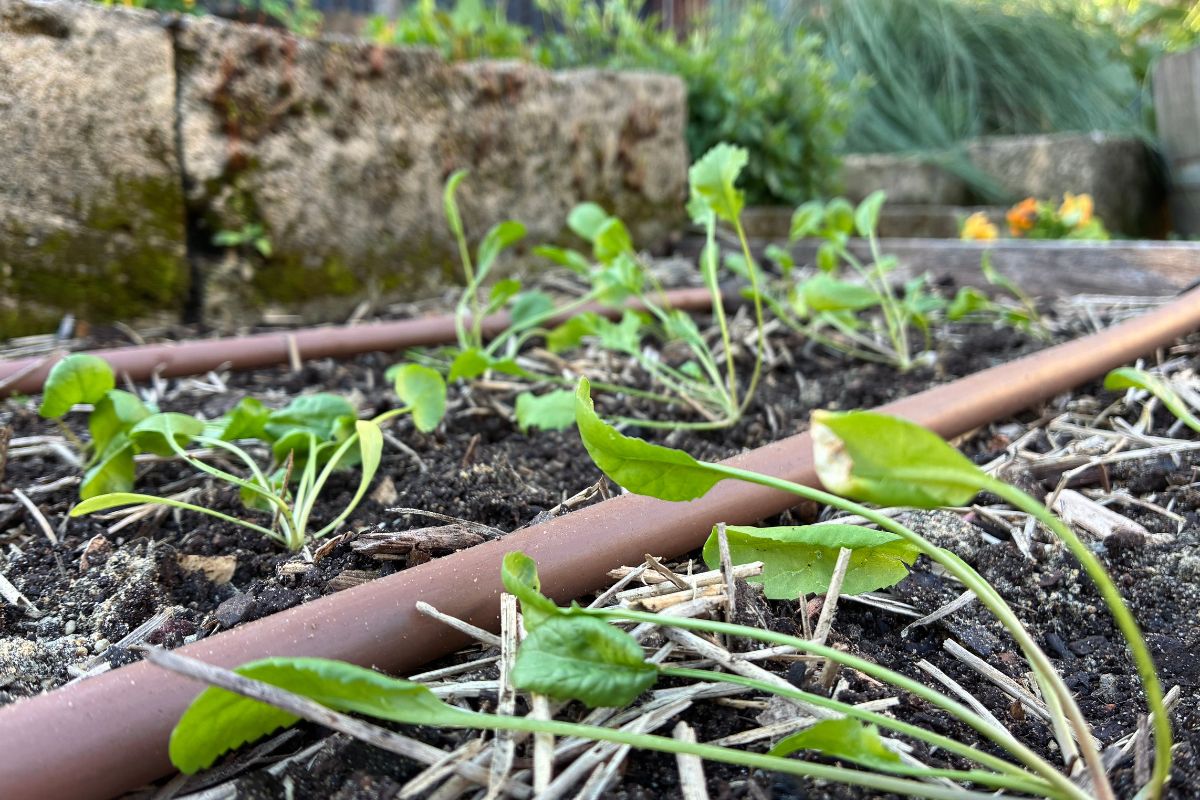 Freshly transplanted seedlings can look a little worse for wear, some temporary drooping isn't necessarily cause for concern
If a few days have passed and they’re still not starting to perk up, that’s when I take a closer look. Check the soil moisture and think about how much sun or wind they’ve been exposed to. Before reaching for the watering can, stick a finger in the soil. A wilted plant isn’t always a dry plant.
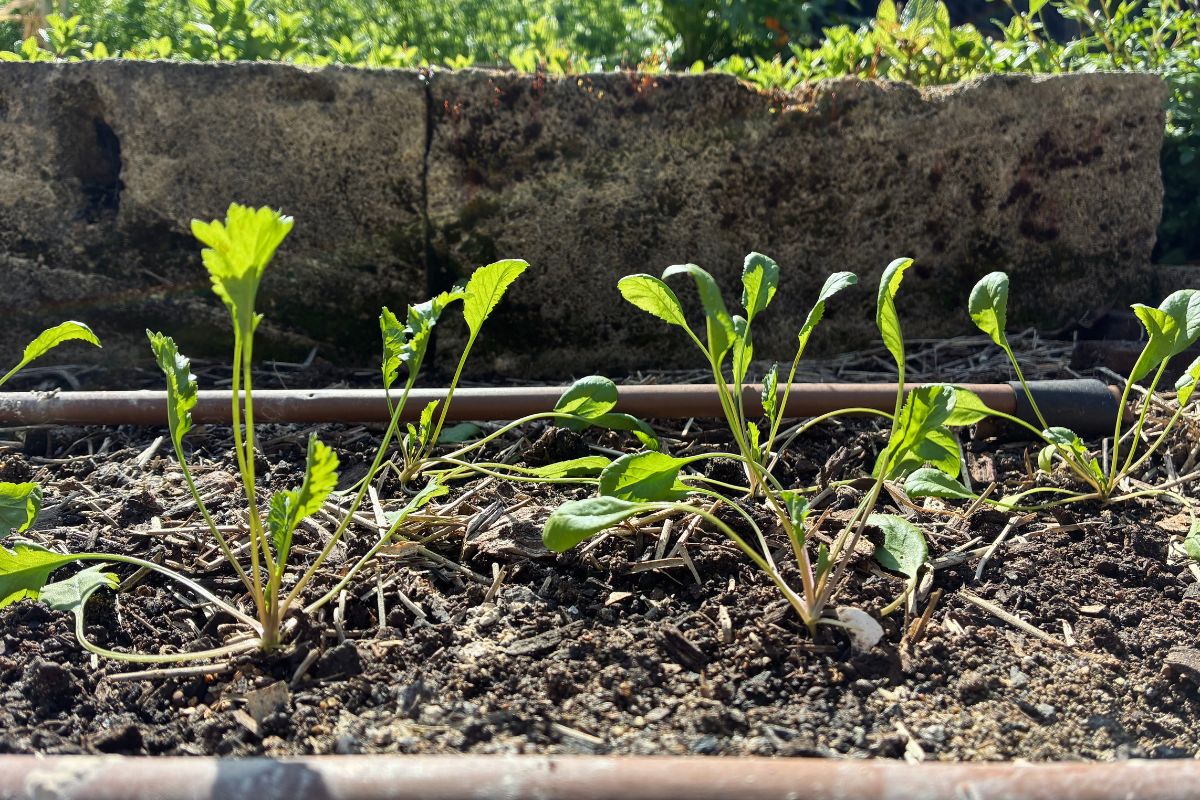 The same seedlings once they've had a little time to settle in
If Conditions Are Rough, Give Them A Bit Of Help
My backyard is fairly protected from strong winds. If yours isn’t, a temporary windbreak can give young seedlings some shelter while they settle in.
Heat and sun are usually the bigger considerations for me. If I have to plant during hot weather, some temporary shade during the harshest part of the day can take the edge off.
Something I didn’t know when I first started gardening was that shade cloth comes in different percentages. For young vegetable seedlings, I like something around 30% shade rather than a really heavy shade cloth. You’re trying to soften the intensity of the sun, not block it out altogether.
They still need plenty of light and too much shade for too long can leave you with stretched growth. Rather than deciding beforehand how long the cover should stay on, I watch the plants. Once they’re standing happily on their own and coping with the conditions, the extra protection can come off.
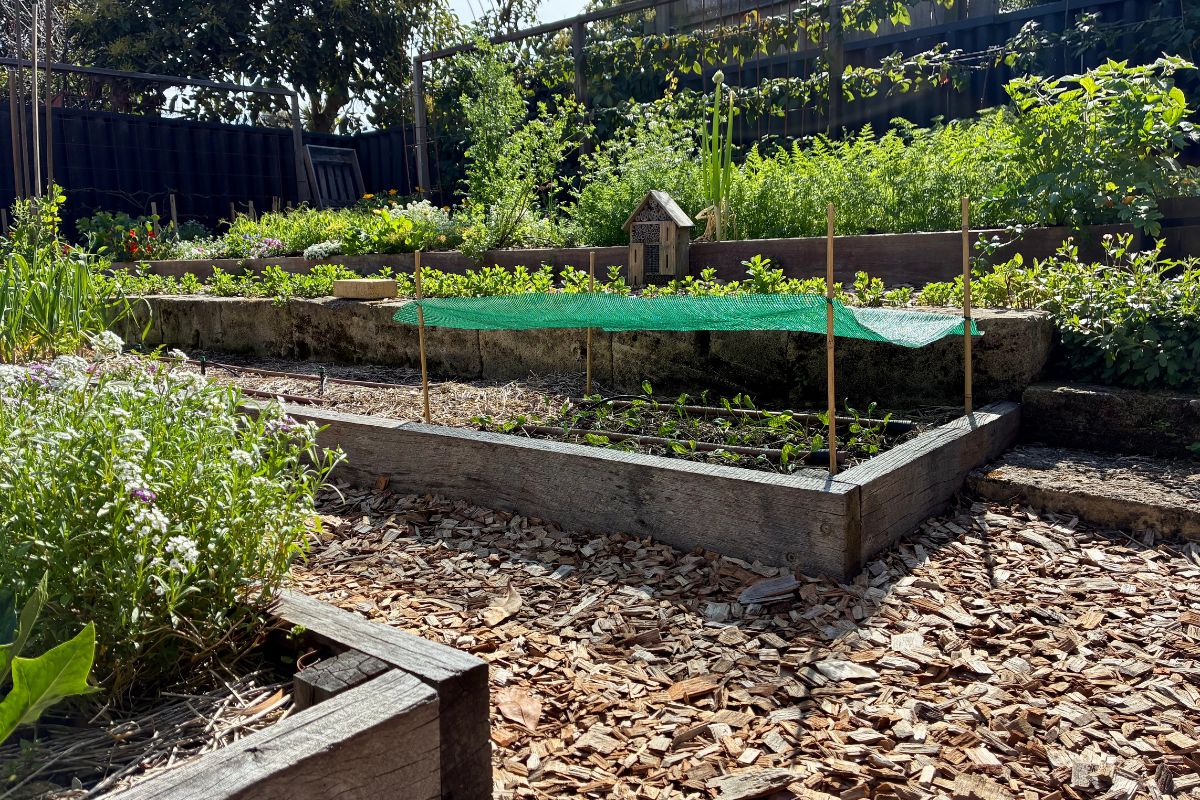 A light 30% shade cloth can soften harsh sun without shutting out too much light while seedlings settle in
Mostly, I Just Watch Them
There’s a rule for just about everything in gardening, but your plants are usually pretty good at telling you what they need.
The more you grow, the more you notice these little things. You start to recognise the difference between a plant having a slightly rough afternoon and one that genuinely needs your help.
There’s another nice side to slowing down enough to really look. You notice everything else happening around you too - a new flower opening, something almost ready to harvest, or simply how lovely the garden looks that day.
We spend plenty of time working in our gardens. Don’t forget to step back every now and then and enjoy them too.
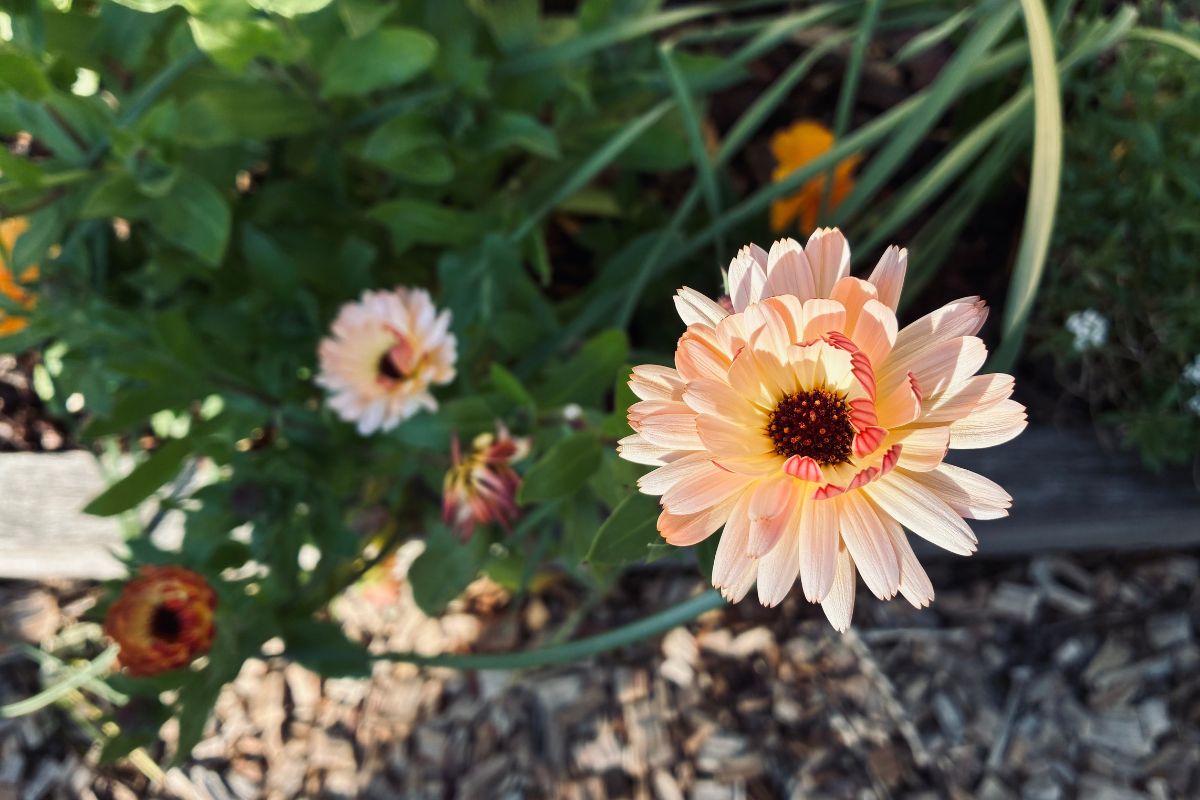
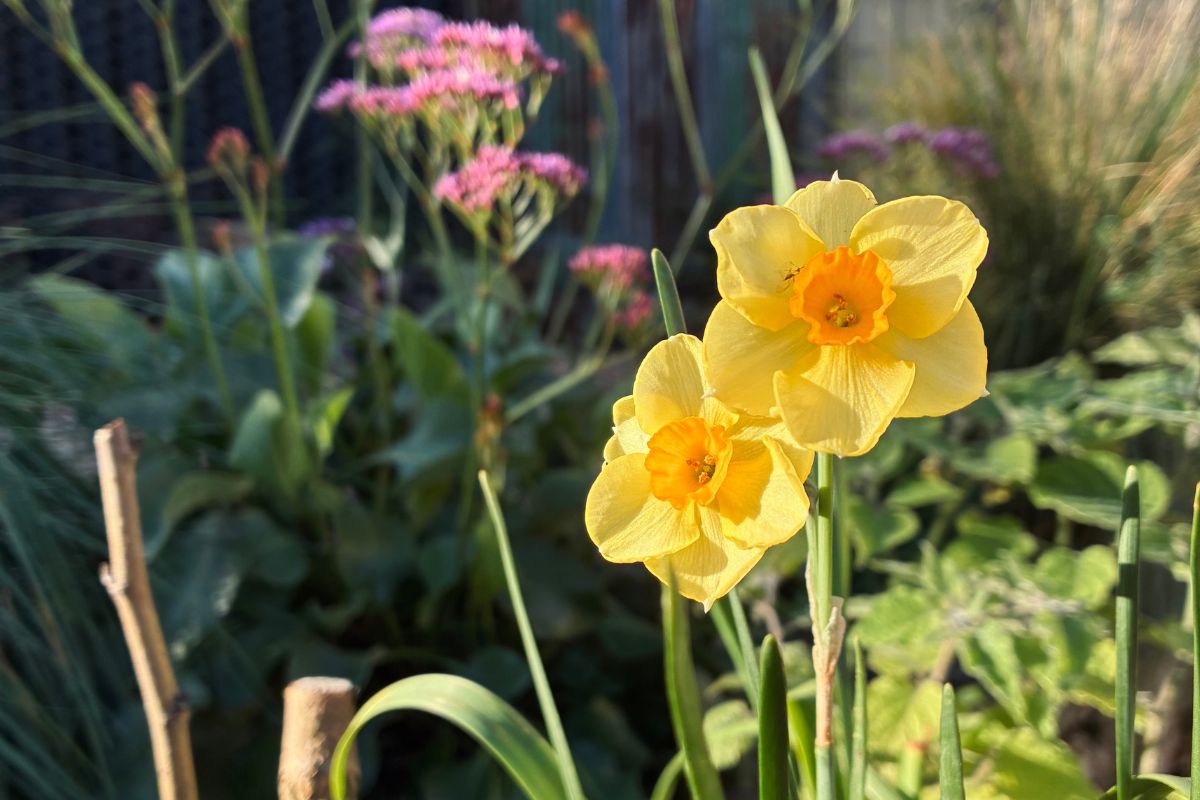 It’s worth stopping long enough to notice the little things
So, Should You Stop Hardening Off Too?
There’s more than one right way to get a seedling safely into the garden. If you have the time to harden yours off gradually, that’s a lovely gentle way to introduce them to life outside.
But if like me you’re short on time, you might find there’s another way that fits more easily into your life.
Mine go from growing indoors under lights to being planted outside without a traditional hardening off period. What I don’t do is take a soft little seedling from inside, plant it into the garden at midday on a 35°C day and hope for the best.
I pay attention to what it’s going into: the weather, the moisture and whether it might need a little protection while it settles in.
I’m always looking for ways to simplify how I grow and make gardening fit around the rest of my life. If I can remove a job without making things harder for my plants, I will.
Hardening off happens to be one of those jobs I can happily live without.
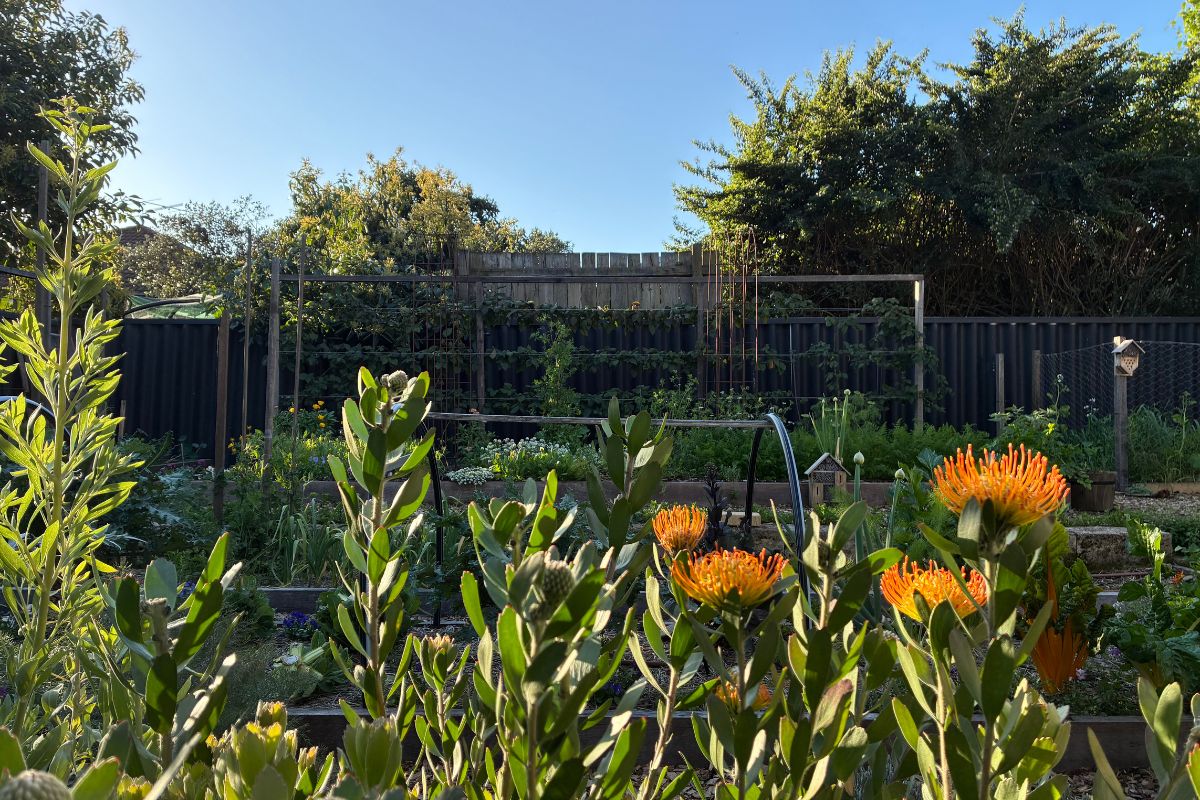
Article & Photographs by Bec Davie