
Freshly picked salad leaves are hard to beat. They're handy to have growing outside the kitchen, don't need much space and, with the right varieties, can provide plenty of pickings throughout the year.
While lettuce might be the obvious choice, there are other leafy greens worth making room for. Some have a stronger flavour, some cope better with the heat and others keep producing new leaves each time you harvest.
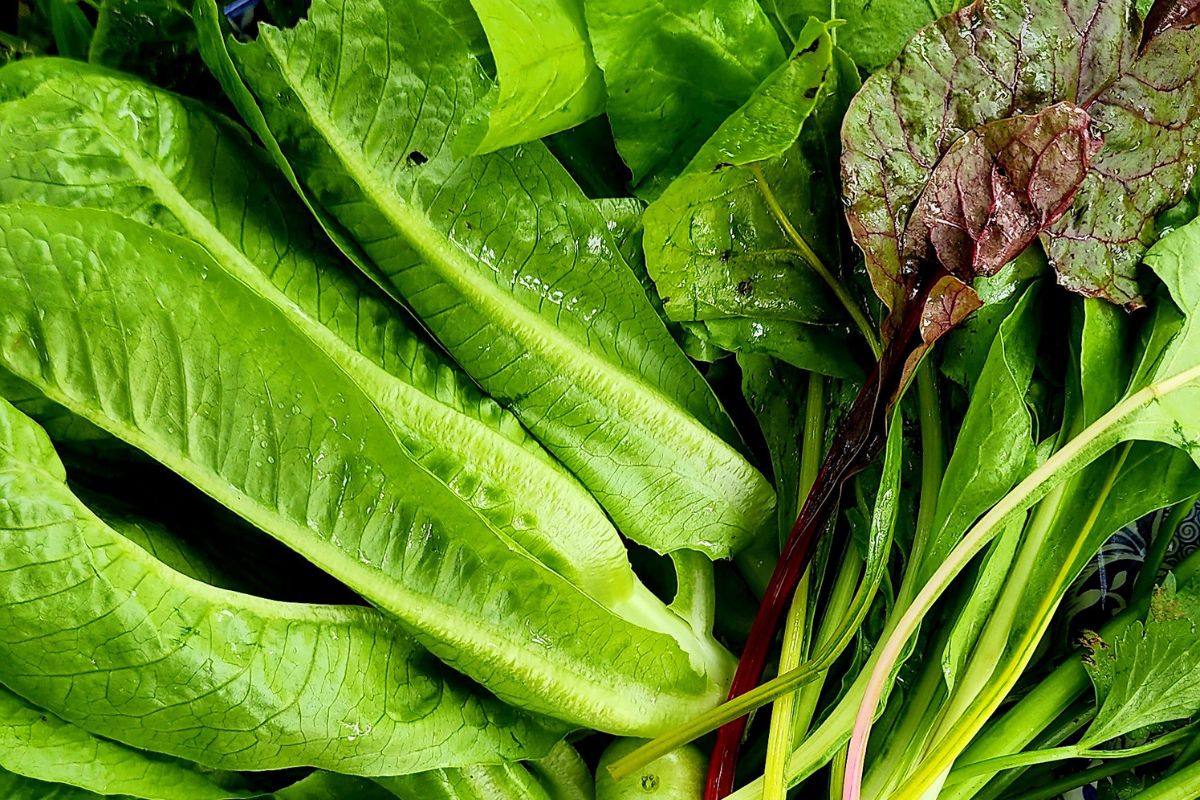
Curly Kale
Curly Kale is easy to spot, with its bright green, frilly leaves. It's a member of the cabbage family and a good option for gardeners who prefer picking a few leaves rather than harvesting the whole plant.
New growth continues to appear at the top as the lower leaves are picked, allowing several harvests.
Getting Started
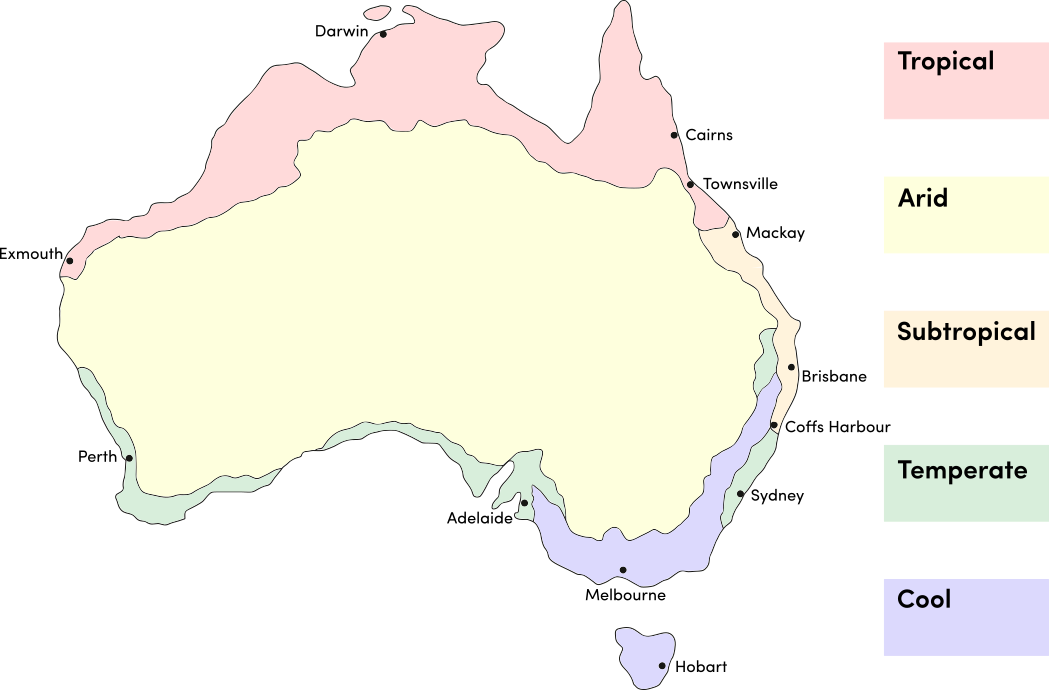
- When to plant: Autumn is ideal in subtropical areas, while spring planting suits cooler regions.
- Where to plant: Full sun, with afternoon shade in warmer climates.
- Soil: Work compost or well-rotted manure into well-drained soil.
- Spacing: Leave around 30–45cm between seedlings.
- Watering: Water regularly and mulch to retain moisture.
- Growing in pots: Use a container approximately 35–45cm wide and deep, with drainage holes.
Kale is a hungry plant, particularly when you're harvesting regularly. An occasional feed with a fertiliser suitable for leafy vegetables will help maintain growth.
Picking Your Kale
Once the leaves are a reasonable size, start picking the larger ones from the bottom, leaving younger leaves to develop.
Avoid removing too many at once. Leave at least four or five healthy leaves so the plant can continue growing.
In The Kitchen
Young curly kale leaves can be eaten raw, although they're nicer finely sliced. For salads, remove the thick stems and massage the leaves with a little olive oil to soften them.
Larger leaves are good sautéed with garlic, added to soups or baked into kale chips.
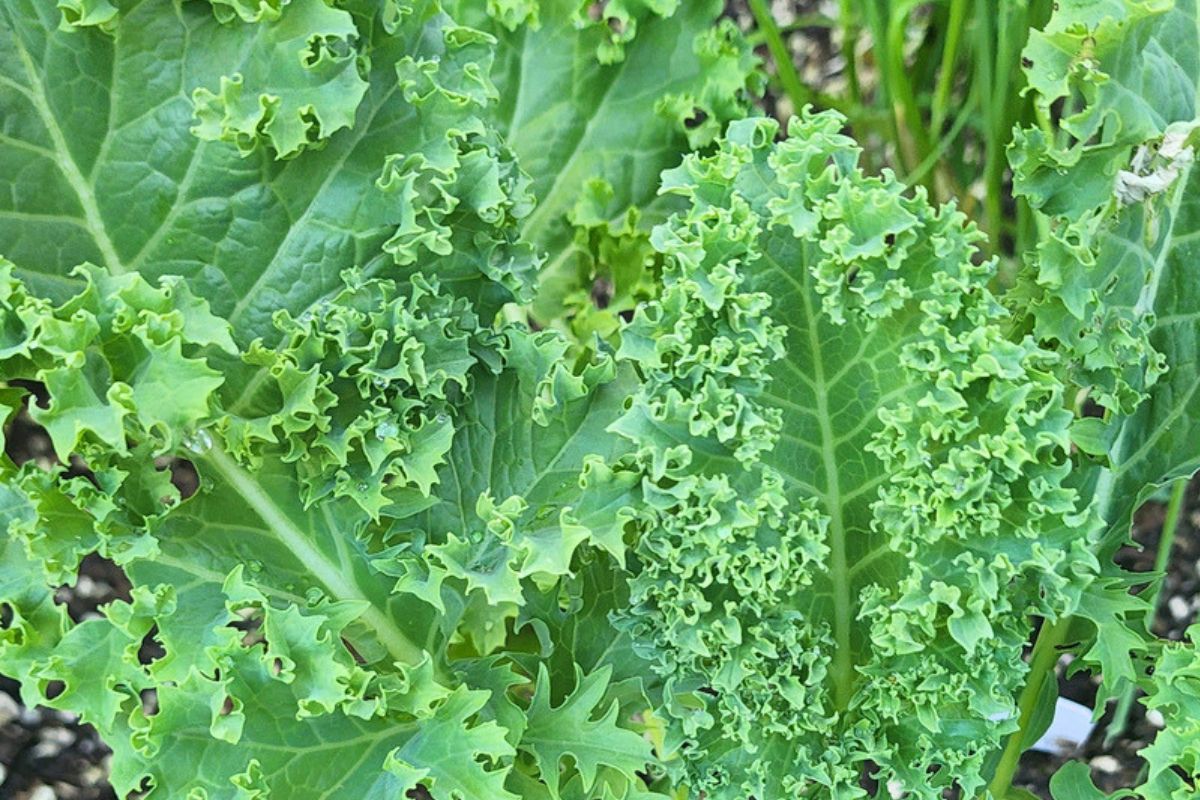
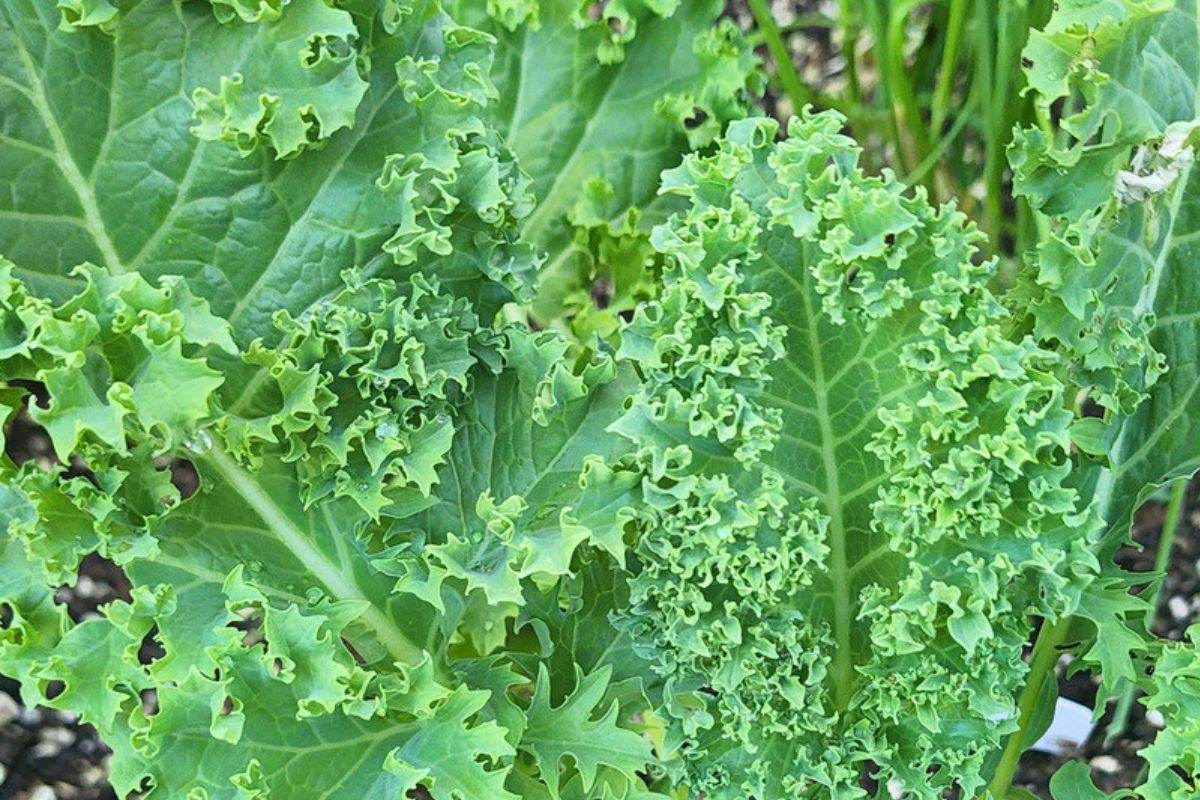
Tuscan Kale
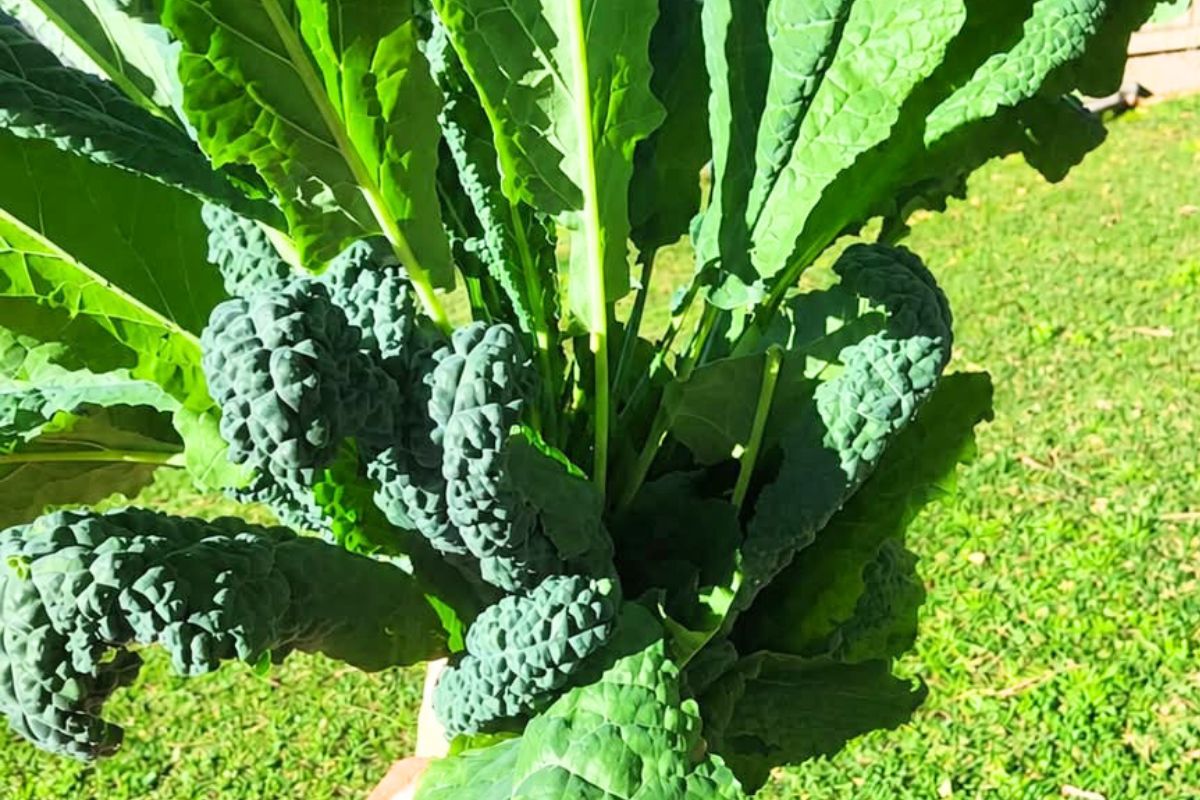
Tuscan Kale looks quite different from curly kale. Its long, narrow leaves are dark green with a heavily wrinkled surface.
Commonly used in Italian cooking, it has a mild, earthy flavour. The plant grows upright, gradually becoming taller as the lower leaves are harvested.
Getting Started
Tuscan kale has similar growing requirements to curly kale, although its long leaves benefit from extra space.
- When to plant: Autumn and winter in subtropical areas, or spring in cooler climates.
- Where to plant: Full sun during mild weather, with afternoon shade in warmer regions.
- Soil: Fertile, well-drained soil enriched with compost.
- Spacing: Allow around 30–45cm between plants.
- Watering: Keep the soil moist, especially while seedlings establish.
- Feeding: Apply a fertiliser suitable for leafy vegetables during active growth.
Tuscan kale can be grown from seed or purchased as seedlings.
Picking Your Kale
Harvest the oldest leaves from the bottom, leaving the central growing tip untouched. Remove yellowing or damaged leaves as they appear.
Troubleshooting: What's Eating Your Kale?
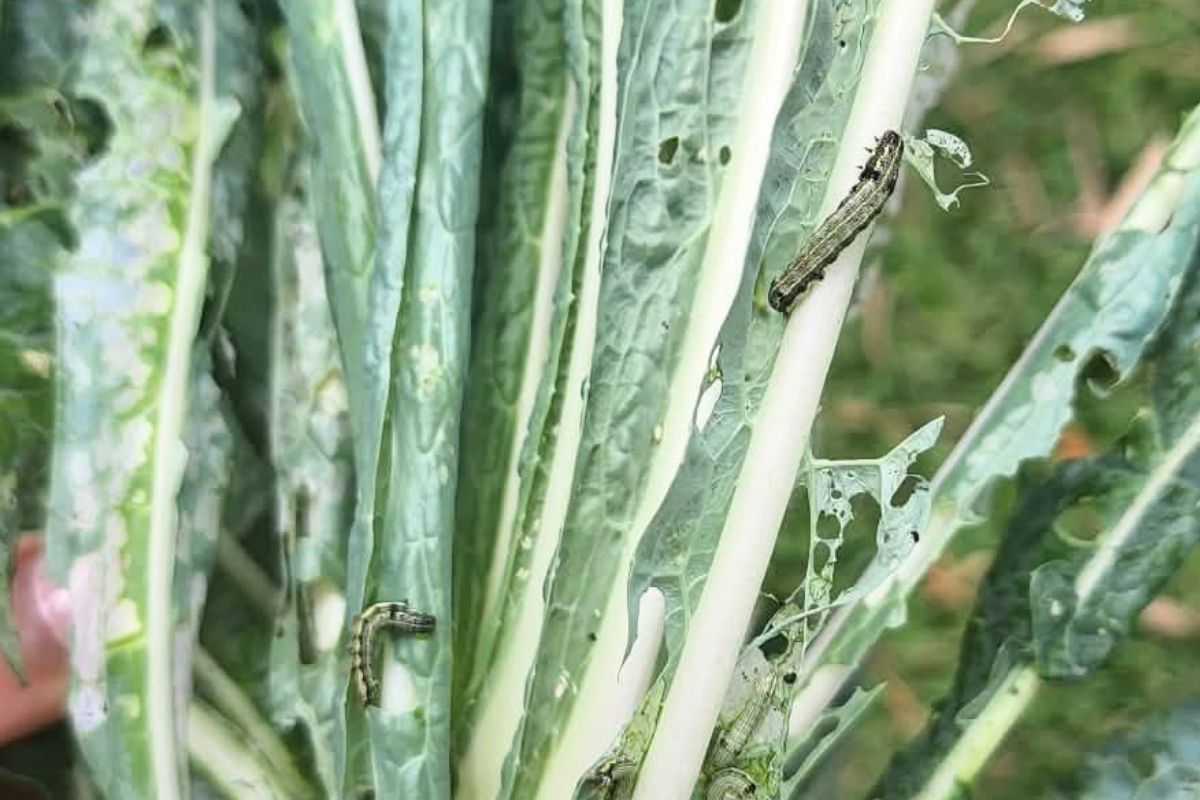
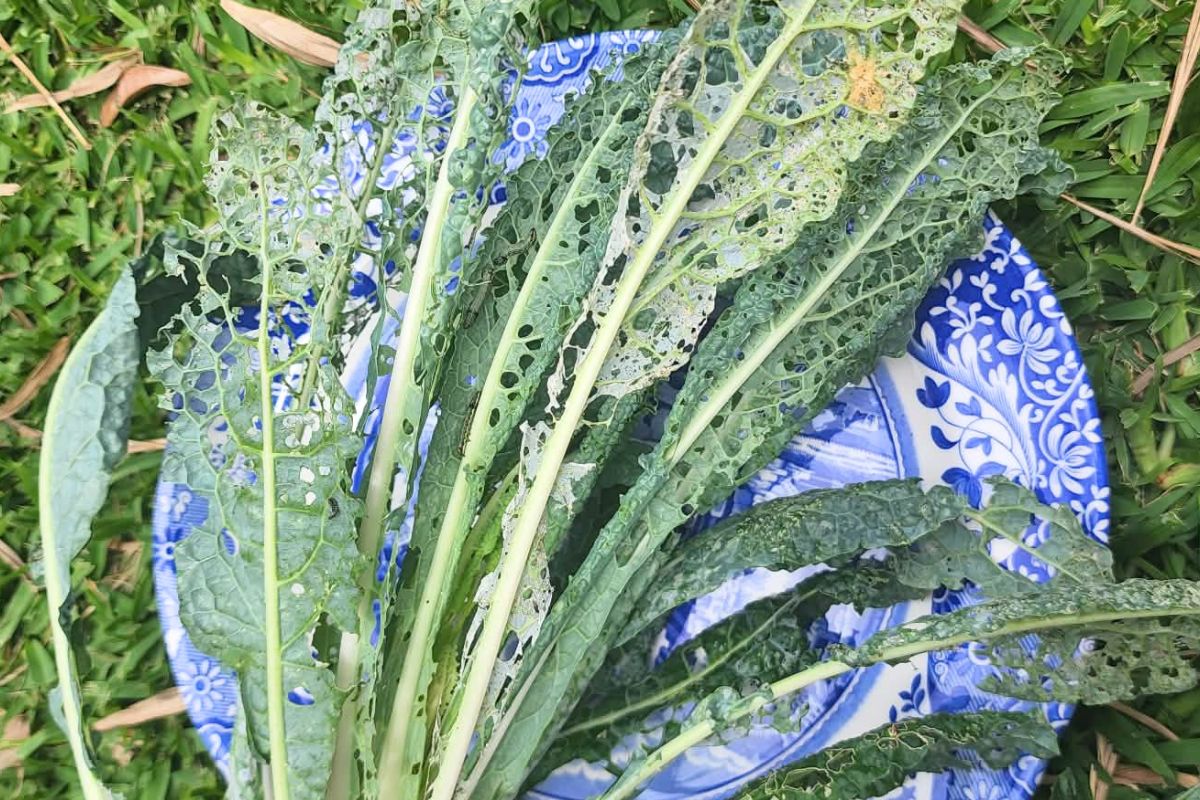
If your kale leaves are full of holes or stripped back to their veins, caterpillars could be responsible. Both butterflies and moths lay eggs on kale, and their caterpillars can cause considerable damage.
Check underneath the leaves and along the central ribs, where caterpillars can be difficult to spot.
- Remove caterpillars by hand: Pick off any you find and check nearby leaves.
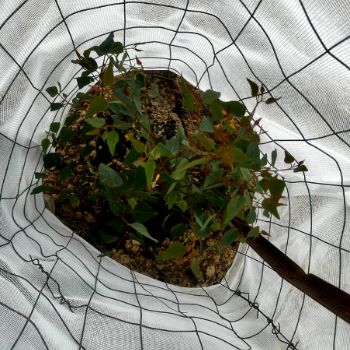
- Protect your plants: Fine insect netting can prevent butterflies and moths from laying eggs.
- Check for eggs: Inspect the undersides of leaves and remove any you find.
- Remove badly damaged leaves: Cut away damaged foliage, leaving enough healthy leaves for recovery.
A few holes aren't necessarily a problem, but regular checks can prevent caterpillars from eating through an entire crop.
In The Kitchen
Tuscan kale is particularly good sautéed with olive oil and garlic, stirred through pasta or added to minestrone.
For salads, choose smaller leaves or finely shred larger ones after removing their thick central ribs.
Brazilian Spinach
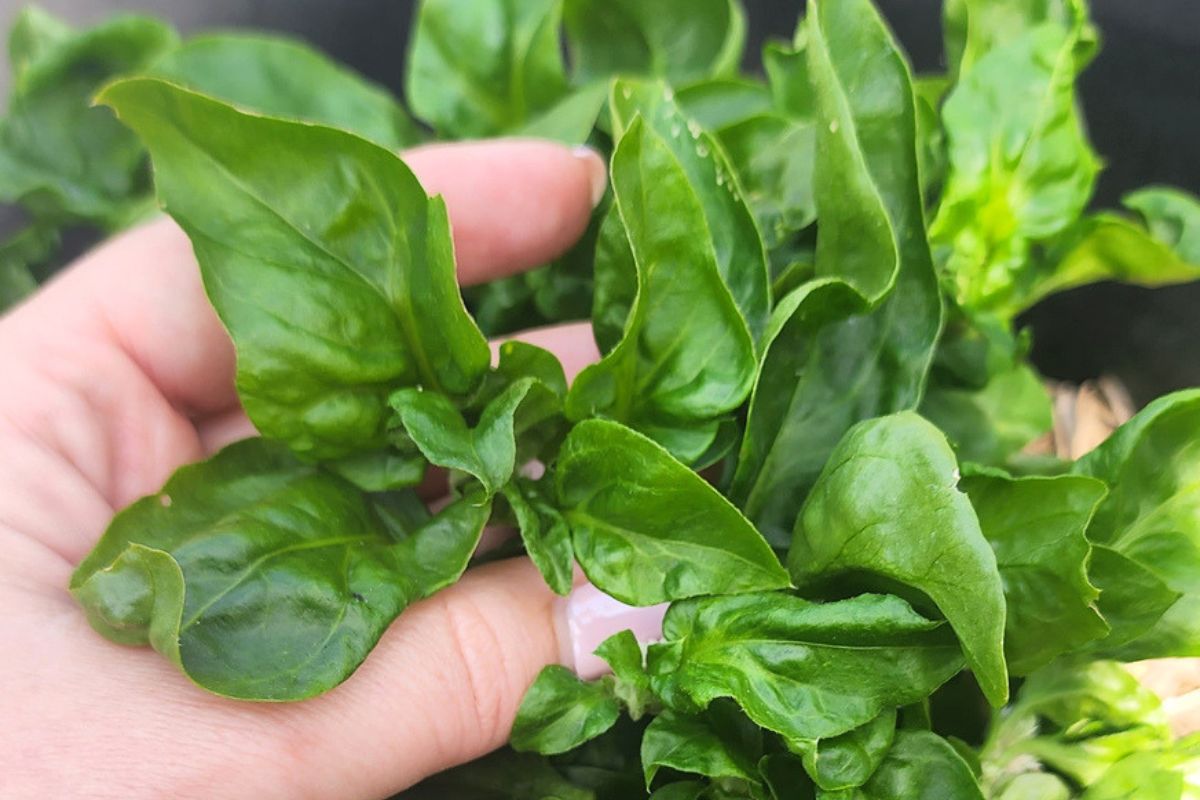
If you've struggled to grow traditional Spinach during summer, Brazilian spinach is worth trying.
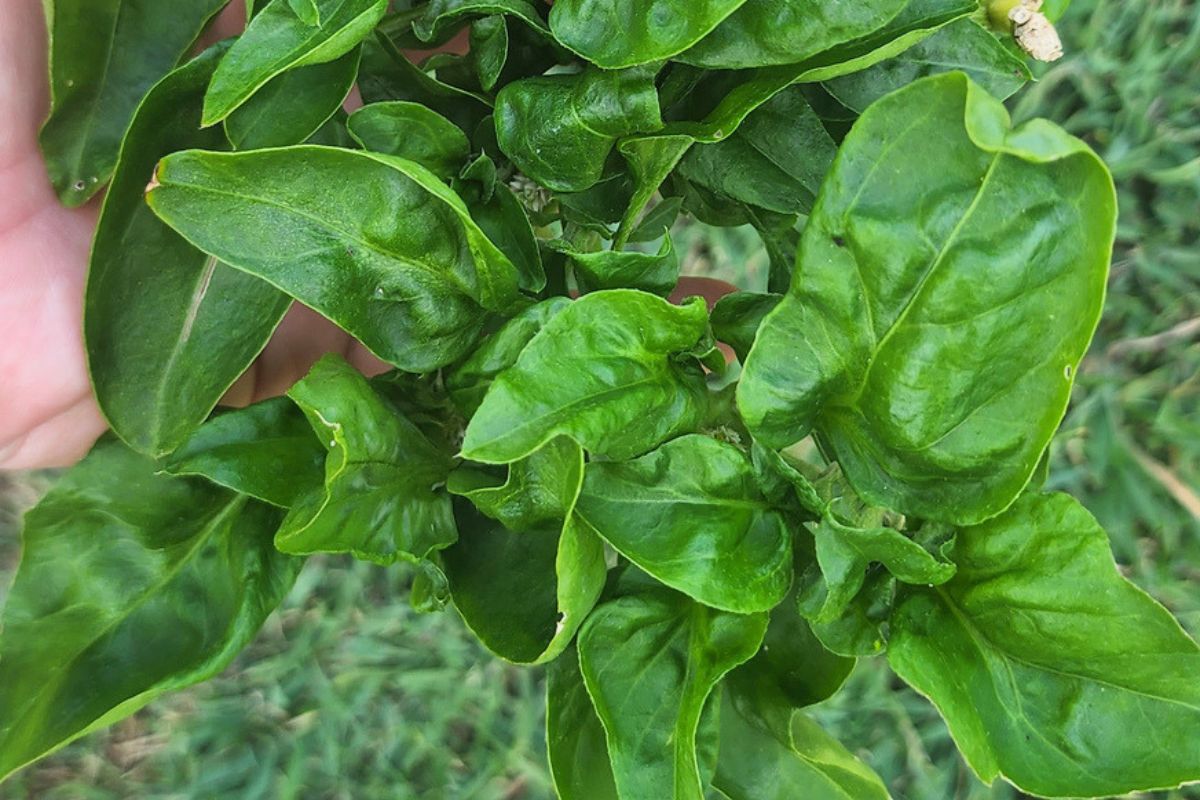
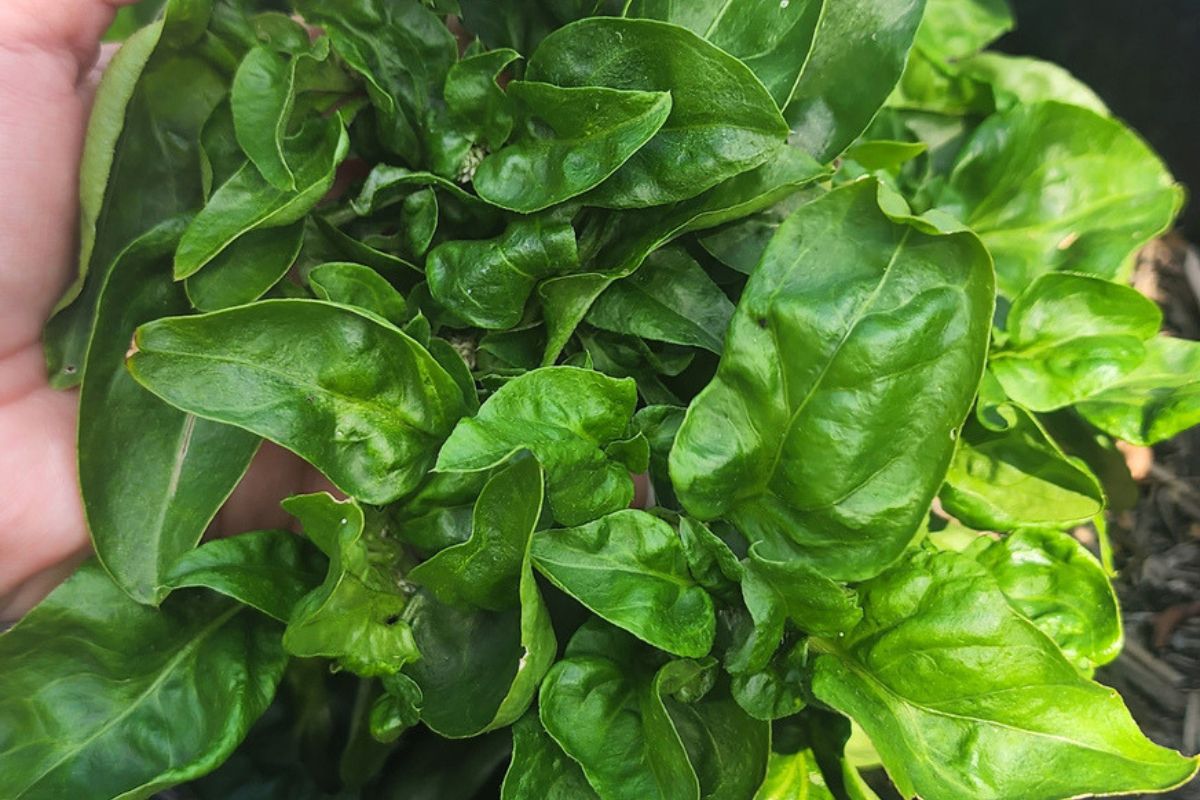
This low-growing plant has rounded, thick, slightly crinkled leaves with a satisfying crunch. It thrives in warm, humid conditions that cause many other leafy vegetables to struggle.
Getting Started
Brazilian spinach is usually grown from cuttings rather than seeds.
- When to plant: Spring and summer in subtropical areas.
- Where to plant: Partial shade, preferably with morning sun.
- Soil: Fertile, well-drained soil.
- Spacing: Leave around 60cm between plants.
- Watering: Water during dry weather, but avoid waterlogged soil.
- Frost: Protect plants from frost in cooler regions.
To grow a new plant, take a healthy stem cutting approximately 15–20cm long. Remove the lower leaves and insert the bare stem into moist soil, burying several leaf joints.
Keep the soil damp until new growth appears.
Picking Your Spinach
Once established, Brazilian spinach can be harvested regularly. Snip off tender stems and leaves as needed, leaving enough foliage for the plant to recover.
In The Kitchen
It's generally recommended to cook the leaves rather than eat them raw. Boiling the leaves and discarding the water can help reduce their oxalate content.
The leaves can also be steamed or added to stir-fries, soups and omelettes. They're a handy substitute for traditional spinach during warmer months.
Cos Lettuce
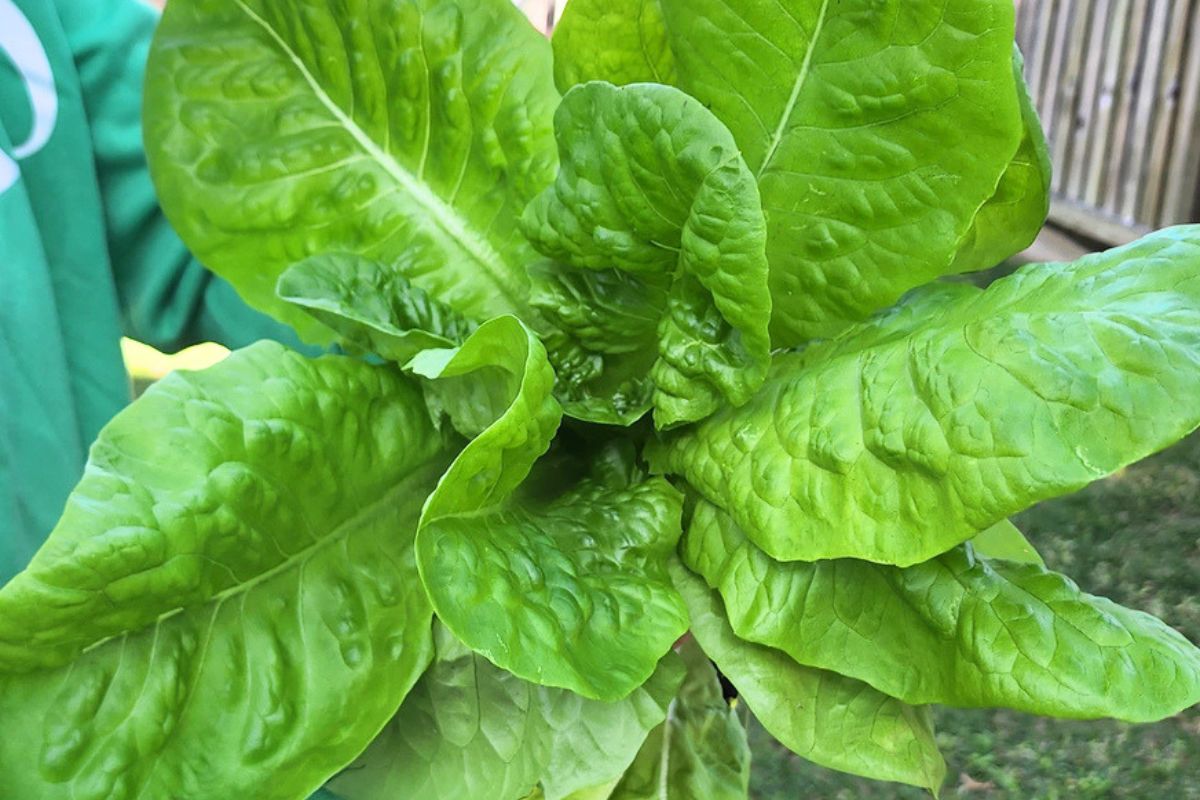
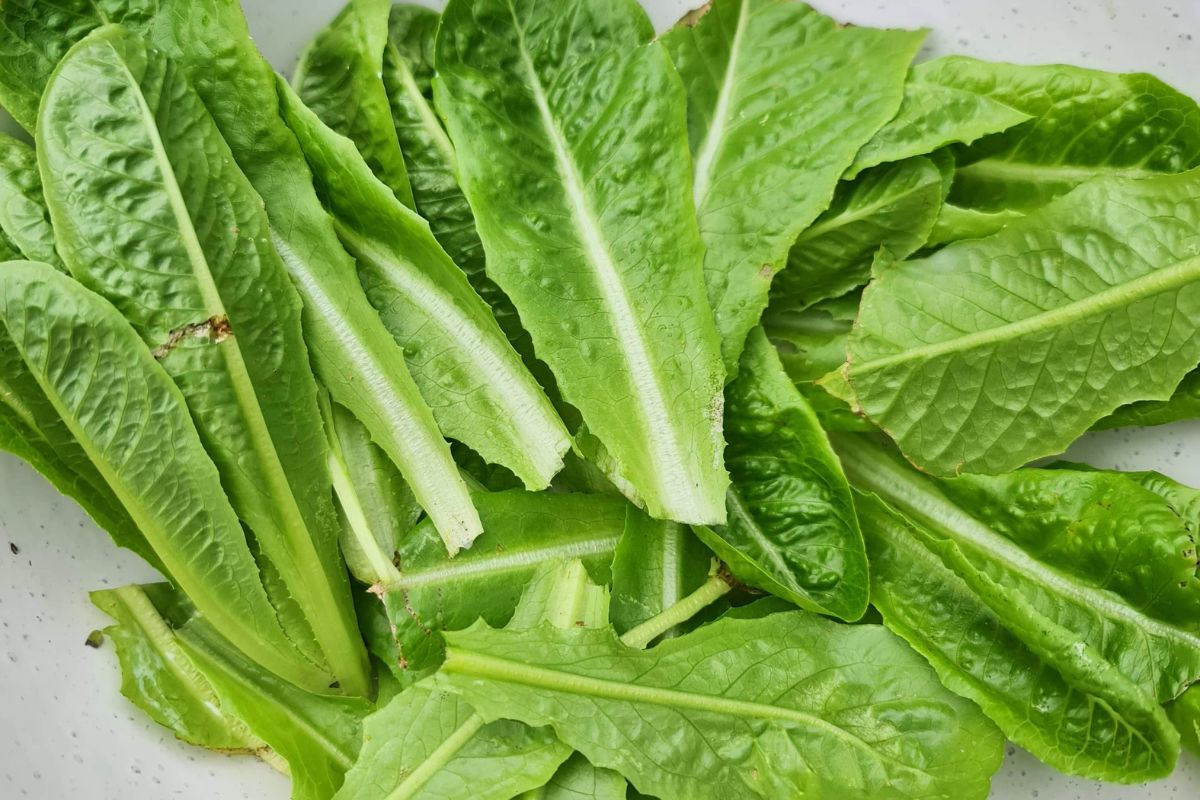
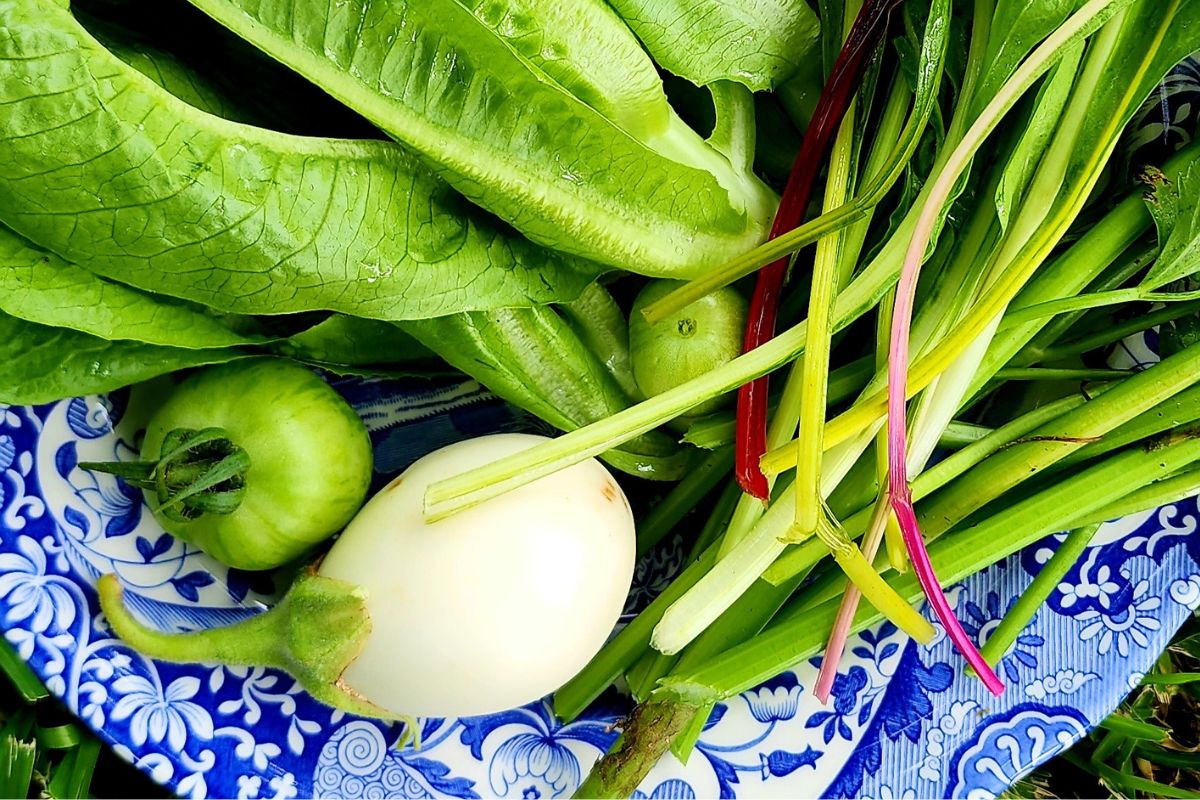
Cos Lettuce is always handy to have growing. Its long, crisp leaves are perfect for salads, sandwiches and wraps, and you can pick a few without pulling out the whole plant.
Getting Started
Lettuce prefers mild weather, although some cos varieties tolerate heat better than others.
- When to plant: Autumn to spring in subtropical areas. Spring and summer suit cooler climates, depending on the variety.
- Where to plant: Full sun during cooler weather or afternoon shade in summer.
- Soil: Fertile, well-drained soil enriched with compost.
- Spacing: Allow around 15–30cm between plants, depending on the variety.
- Watering: Keep the soil consistently moist. Lettuce has shallow roots and dries out quickly.
- Growing in pots: Use a wide container or trough with good drainage.
If planting during warmer weather, look for heat-tolerant varieties and check the recommended growing season on the seed packet.
One common problem is bolting, when the plant produces a flower stalk instead of concentrating on leaf growth. Heat and other stresses can trigger this, often leaving the lettuce tasting bitter.
Regular watering and afternoon shade can help delay bolting.
Picking Your Lettuce
Cos lettuce offers two harvesting options:
- Pick as you go: Remove larger outer leaves, allowing the centre to keep growing.
- Harvest the whole head: Wait until the lettuce has developed a good-sized head, then cut it at the base.
For a steady supply, sow a few seeds every two or three weeks during the growing season. This way, you won't end up with ten lettuces ready to eat on the same day.
In The Kitchen
Cos is the traditional lettuce used in Caesar salads, but it's equally good in sandwiches and wraps.
Its larger leaves are sturdy enough to hold fillings, making them a handy alternative to bread or tortillas.
Red-Veined Sorrel
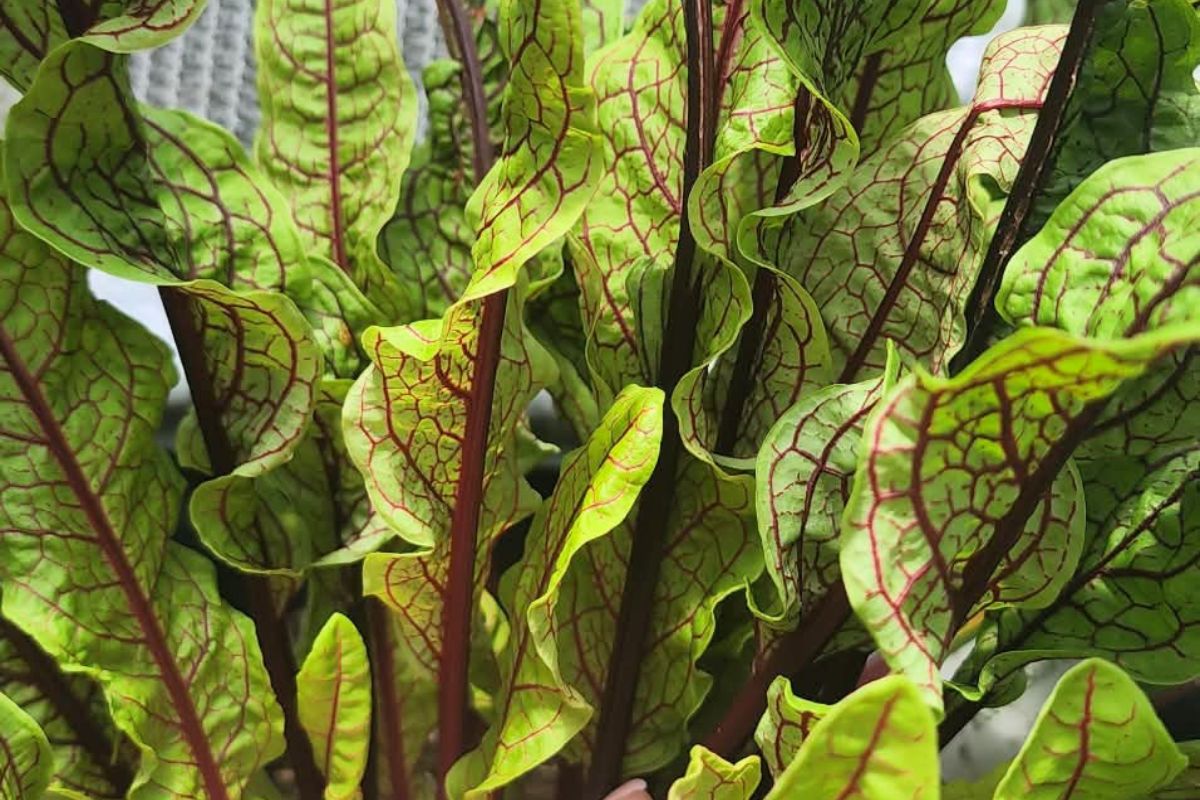
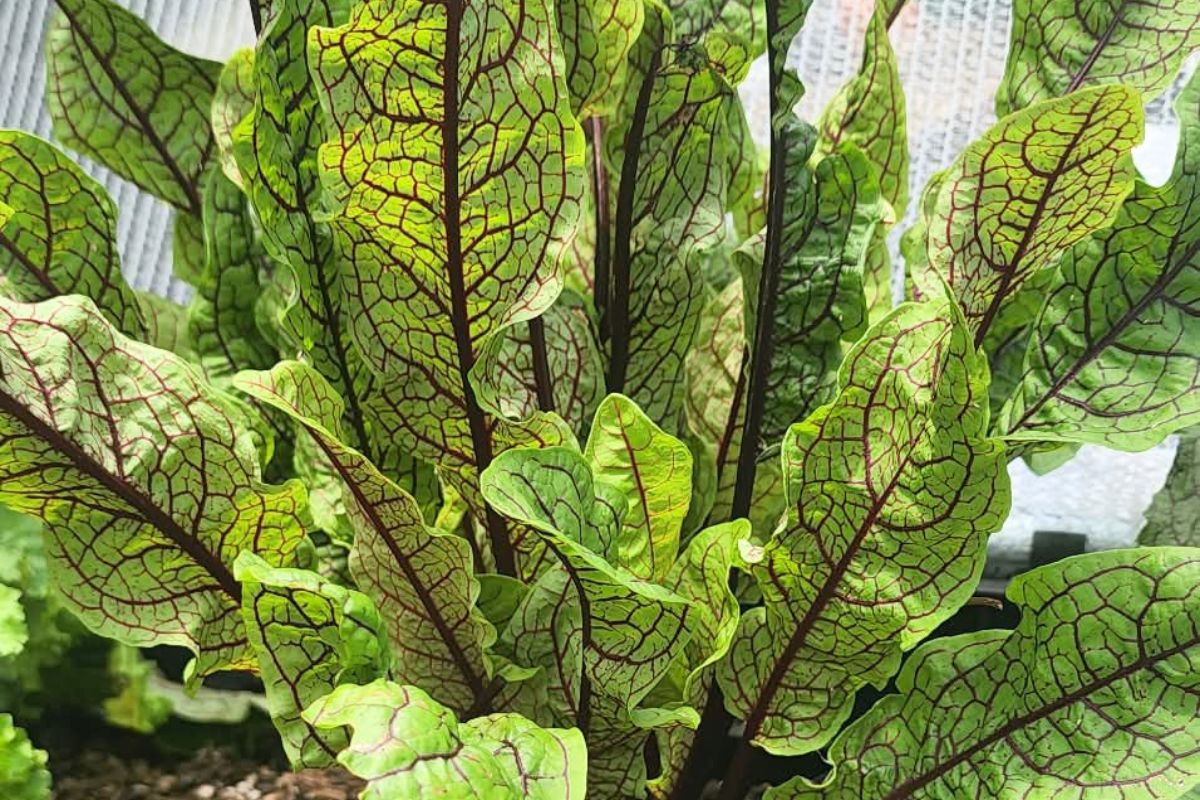
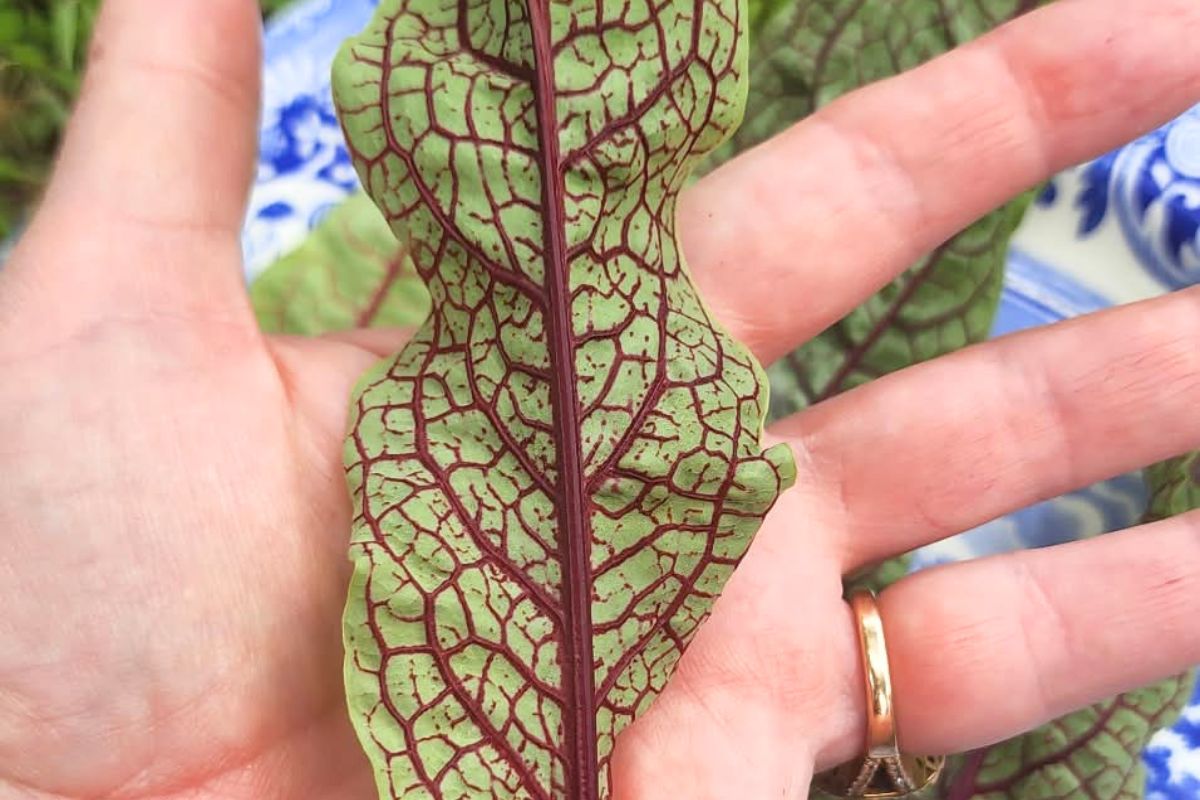
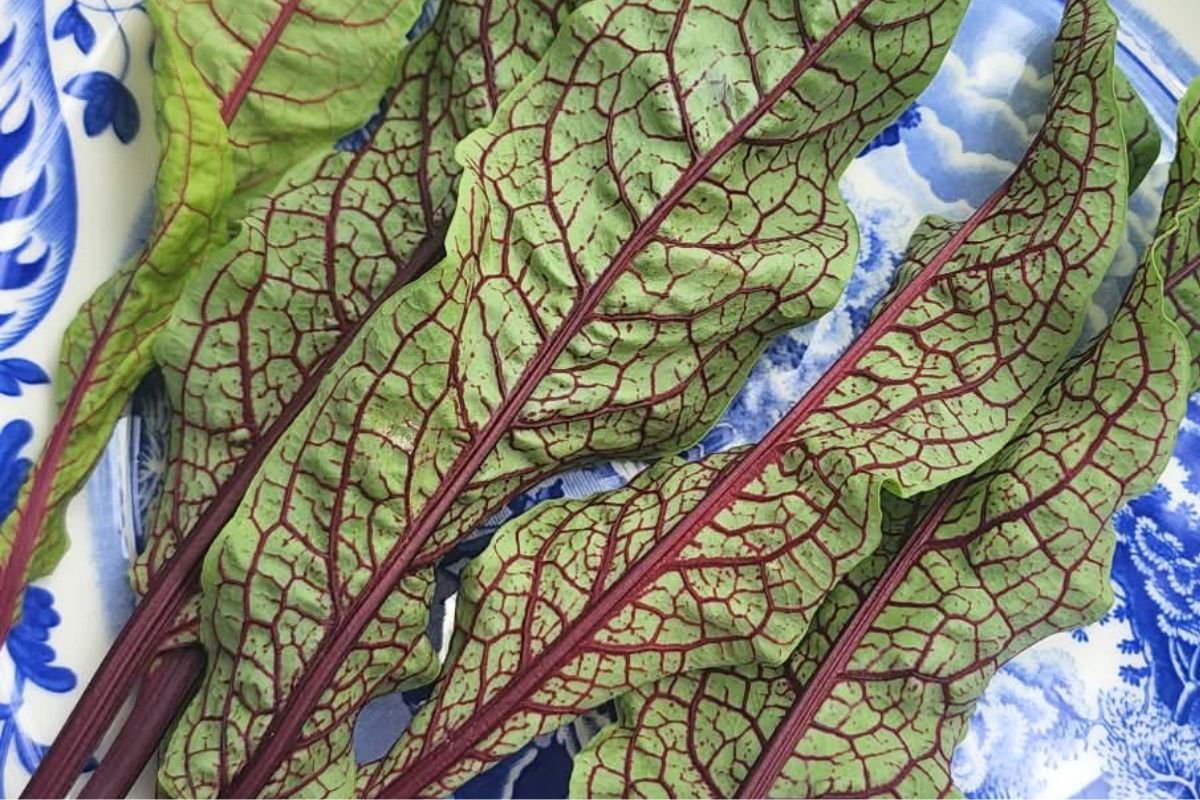
Red-Veined Sorrel is worth growing for its looks alone. Its green leaves are marked with deep red veins, making it an attractive addition to pots, vegetable beds and ornamental gardens.
But it's not just decorative. The leaves have a sharp, lemony flavour that can give an ordinary salad a lift.
Getting Started
Red-veined sorrel is a perennial and can continue growing for several seasons when conditions suit it.
- When to plant: Autumn to early spring in subtropical areas. Spring suits cooler climates.
- Where to plant: Full sun in mild weather, with afternoon shade during hot summers.
- Soil: Fertile, well-drained soil enriched with compost.
- Spacing: Leave approximately 20–30cm between plants.
- Watering: Keep the soil moist, especially while plants establish.
- Growing in pots: A container around 30cm wide is suitable.
Sorrel can be grown from seed. Sow shallowly, cover lightly with soil and water gently until seedlings appear.
If growing in a pot, move it into a cooler position during particularly hot weather.
Picking Your Sorrel
Younger leaves are generally the nicest to eat. Older leaves develop a stronger flavour and tougher texture.
Pick small leaves as needed, cutting near the base without damaging new growth.
In The Kitchen
Red-veined sorrel is best used fresh, where its colour and flavour can be appreciated.
Scatter a few leaves through salads, add them to sandwiches or use them as a garnish. Its lemony taste works particularly well alongside milder greens such as cos lettuce.
Keep the Salad Bowl Growing
You don't need to plant all five varieties at once. Start with what suits your climate and available space.
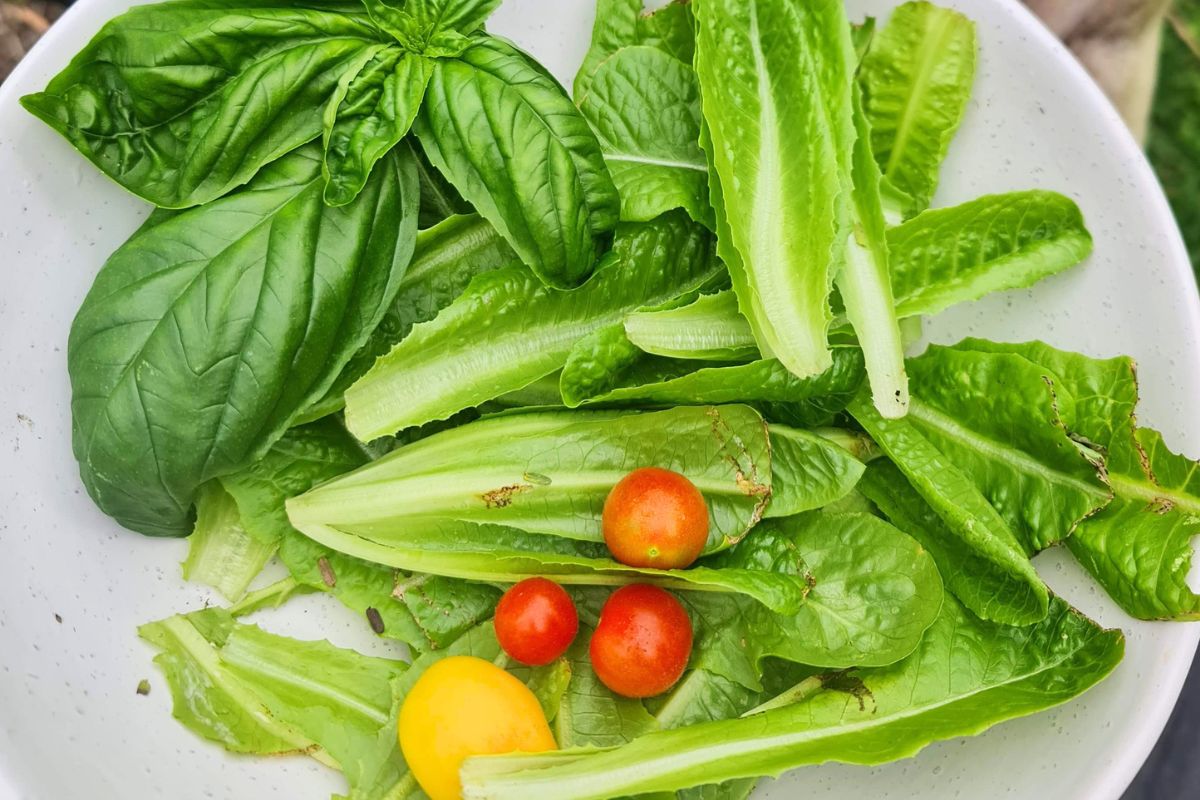
Curly and Tuscan kale are good choices for cooler weather, while Brazilian spinach comes into its own during warmer months. Cos lettuce is a familiar favourite, and red-veined sorrel offers something different.
Even a few well-placed pots can provide fresh leaves when you need them.
Article & Photographs by Julia Lewis