
Herbs tend to live in the savoury part of the kitchen. We sprinkle them over roast potatoes, stir them through soups and tuck them under the chicken, but they don’t often make it into the biscuit tin.
This rosemary, thyme and lemon shortbread recipe is a simple way to change that. It takes a traditional buttery biscuit and adds fresh herbs and a little lemon zest for something slightly different. It’s also a good excuse to head into the garden and make use of two herbs that many of us already have growing at home.
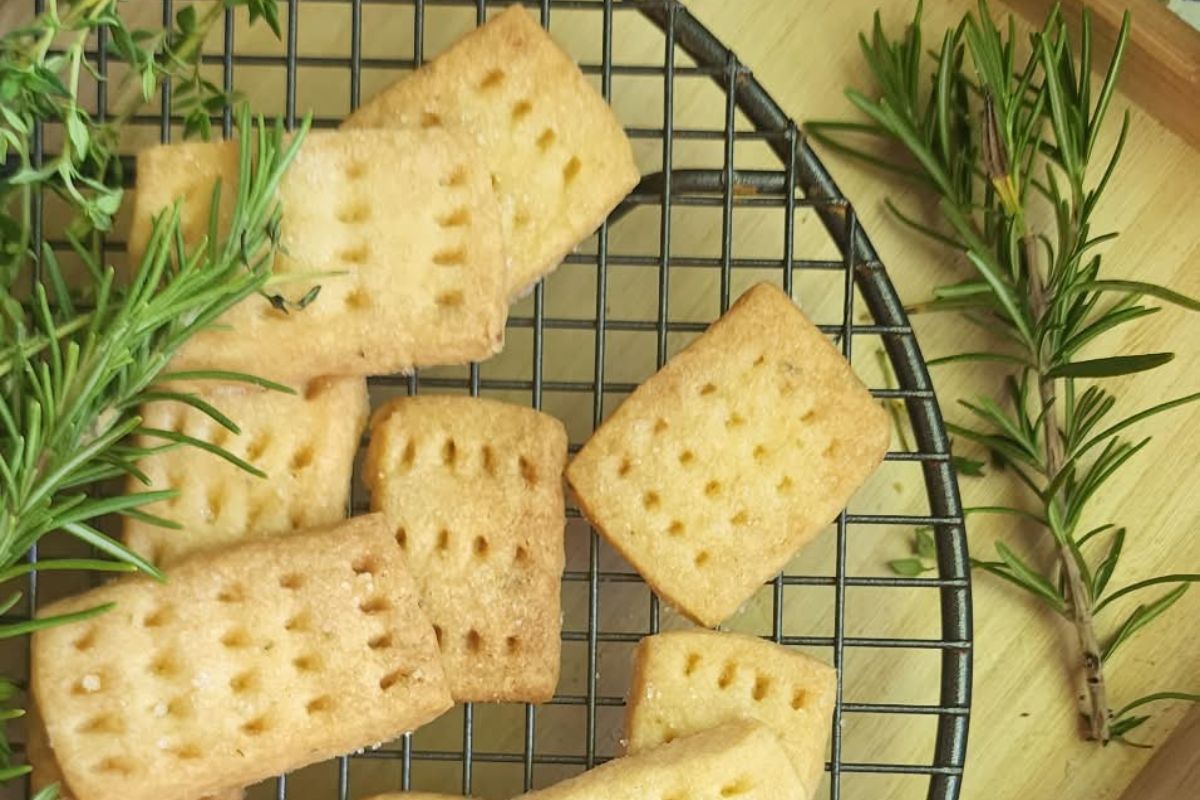
Why Rosemary and Thyme?
Rosemary and thyme are two popular herbs in home gardens, largely because they’re hardy, useful in cooking and relatively easy to grow.
Rosemary has a strong, pine-like flavour, so a little goes a long way. Thyme is softer and earthier. Together, they add a savoury note that works surprisingly well with the sweetness of shortbread. A little lemon zest mixed into the butter and sugar helps balance the flavours without making the biscuits overly citrusy.
The trick is getting the quantities right. Too much rosemary can overpower the other ingredients and make the biscuits bitter, while too much thyme can make them more savoury than intended.
Shortbread is a good place to experiment because its simple ingredients allow the herbs to come through.
Picking Herbs From The Garden
If you’re growing rosemary and thyme at home, you only need a small amount of each for this recipe.
Choose healthy, young sprigs and give them a gentle rinse if needed. Pat them thoroughly dry before chopping, as excess water can affect the dough.
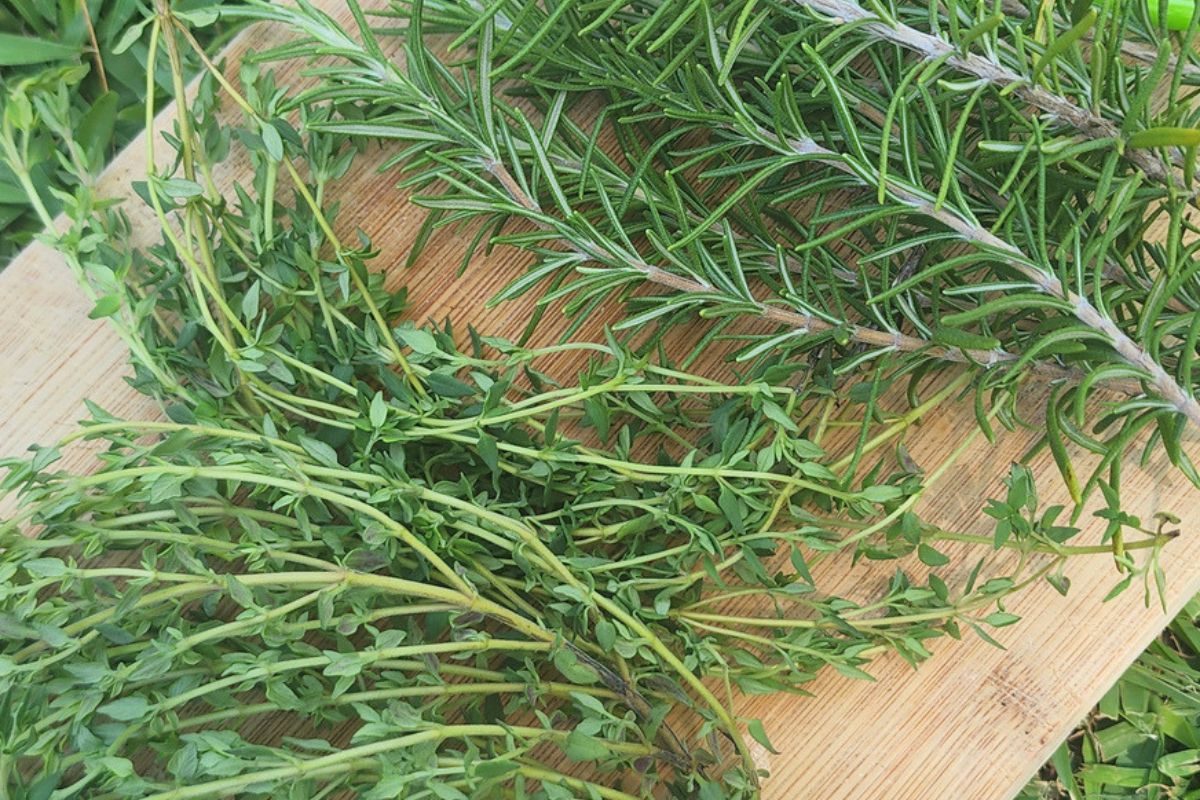
For rosemary, strip the narrow leaves from the woody stems and chop them finely. Rosemary leaves can be quite tough, and nobody wants to bite into a large piece in an otherwise delicate biscuit.
With thyme, simply run your fingers along the stems to remove the tiny leaves. Tender young stems can sometimes be used in cooking, but for shortbread, it’s best to stick with the leaves.
There’s no need to harvest large quantities. Half a teaspoon each of rosemary and thyme is enough for this small batch.
Before You Start
There are a few things worth knowing before making shortbread.
- Use fresh herbs: Fresh rosemary and thyme provide a fragrant flavour. Dried herbs can be more concentrated, so they aren’t necessarily a direct substitute.
- Use lemon zest, not juice: The zest provides citrus flavour without adding unnecessary liquid to the mixture.
- Keep the dough cold: Chilling helps the biscuits maintain their shape while baking.
- Don’t overwork the dough: Mix only until everything comes together. Too much handling can make shortbread less tender.
Another important consideration is the butter. It should be soft enough to mix easily with the sugar but not melted.
Homemade Rosemary, Thyme and Lemon Shortbread
Prep: 15 minutes
Bake: 25-35 minutes
Makes: Approximately 15 biscuits
Ingredients
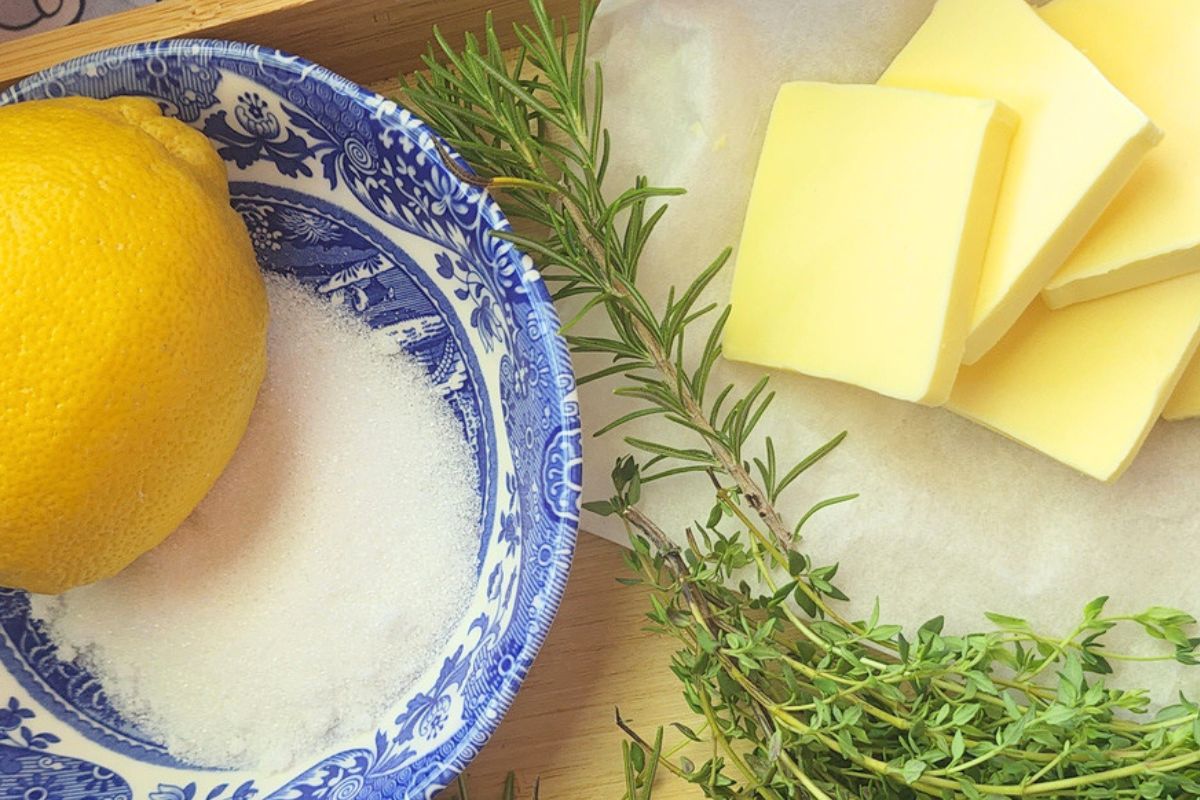
- 115g unsalted butter, cold but slightly softened
- 50g white sugar, plus extra for sprinkling
- ½ teaspoon finely chopped fresh rosemary
- ½ teaspoon finely chopped fresh thyme leaves
- Finely grated zest of ½ lemon
- ¼ teaspoon fine salt
- ¼ teaspoon vanilla extract
- 140g plain flour
Method
- Preheat the oven to 150°C conventional (130°C fan-forced). Line a baking tray with baking paper.
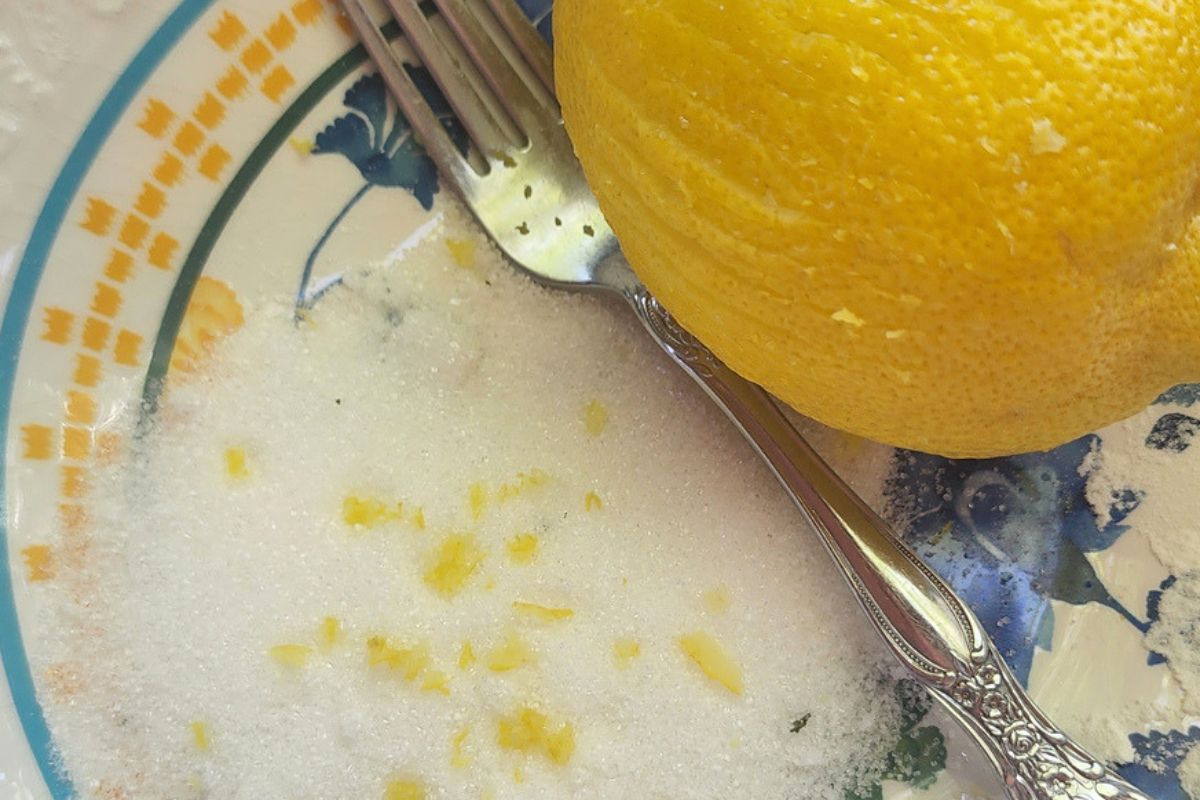
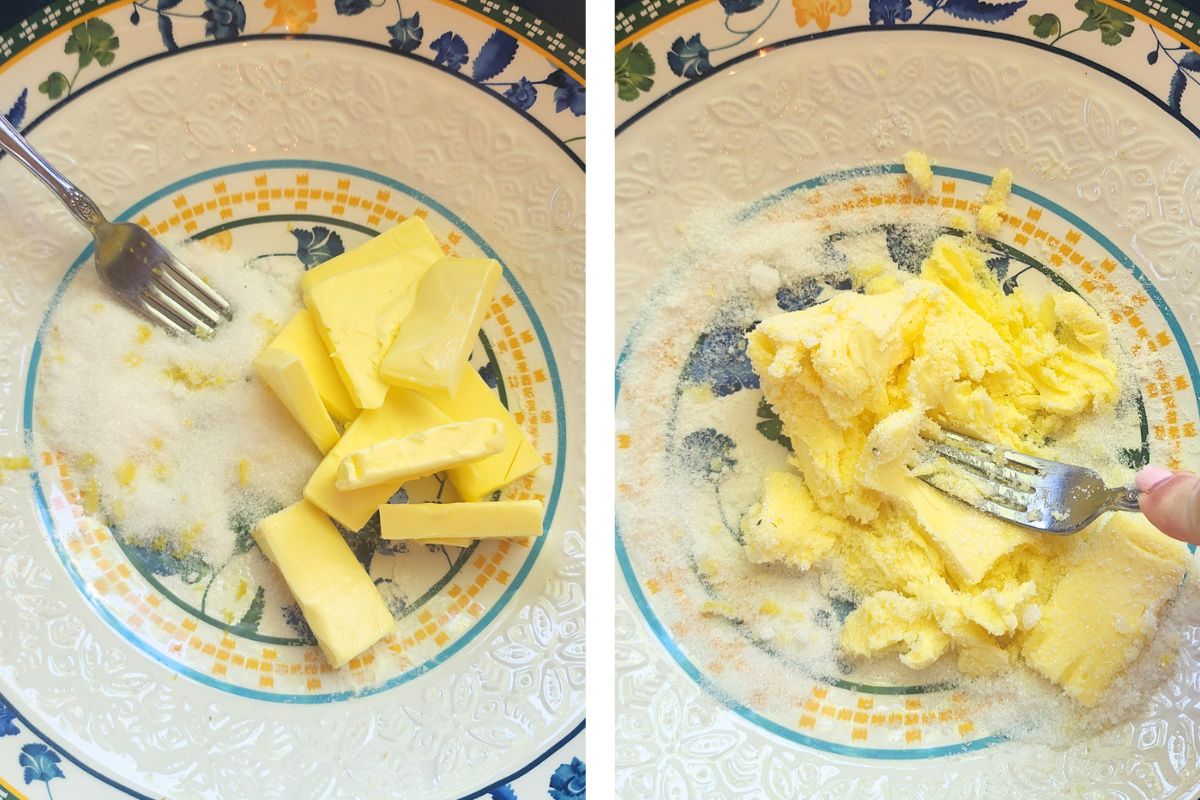
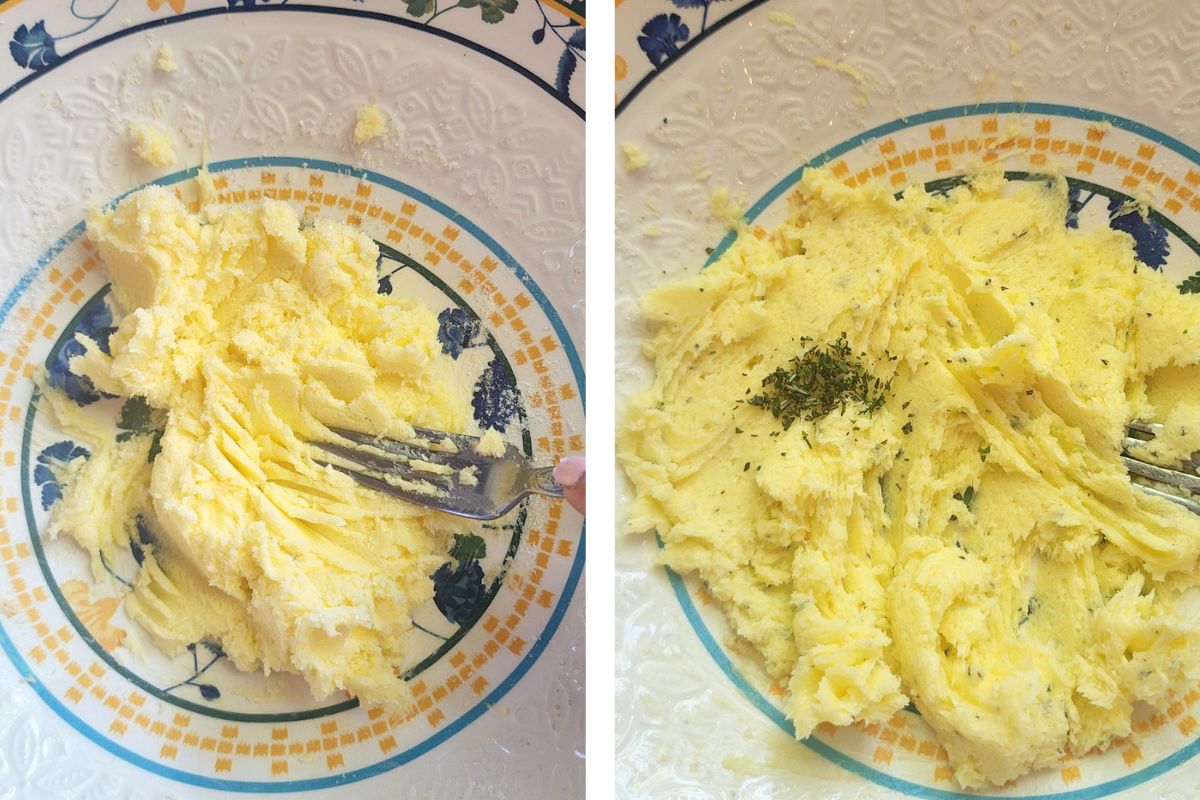
- Combine the butter, sugar and lemon zest in a mixing bowl, and mix until smooth and well combined.
- Add the rosemary, thyme, salt and vanilla extract and mix until roughly combined.
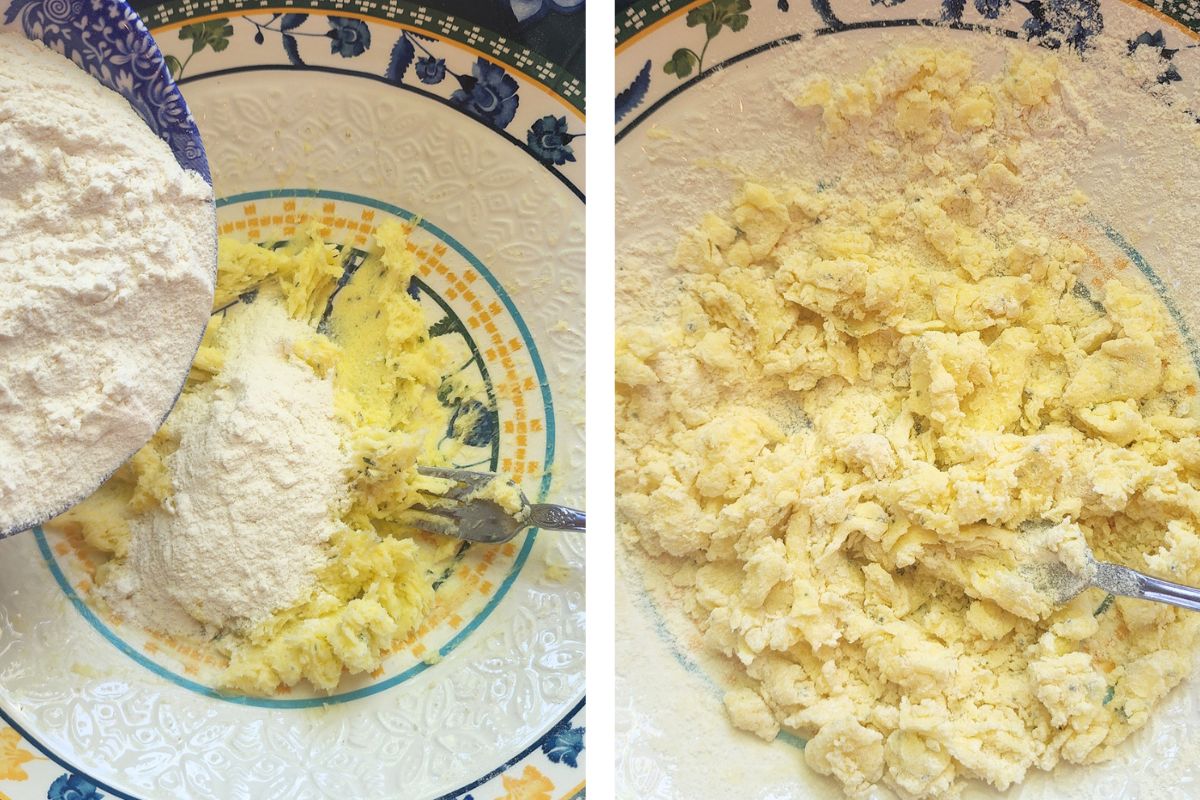
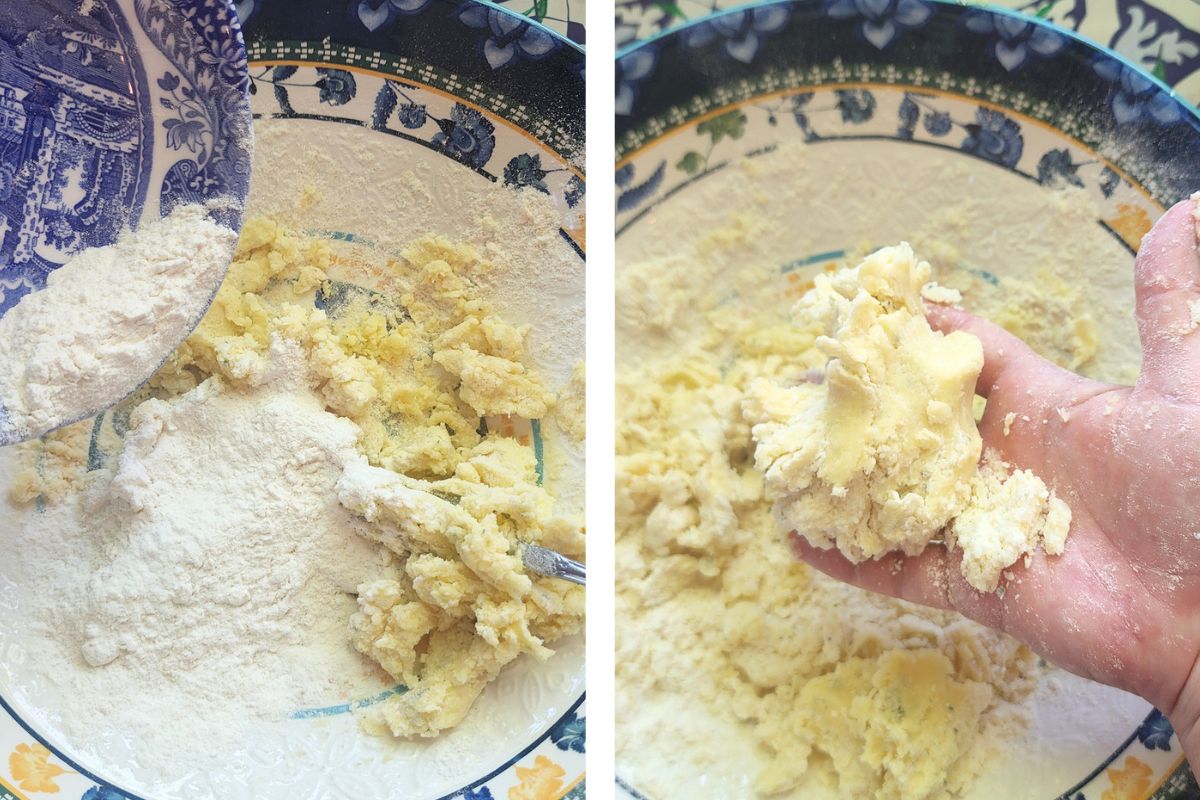
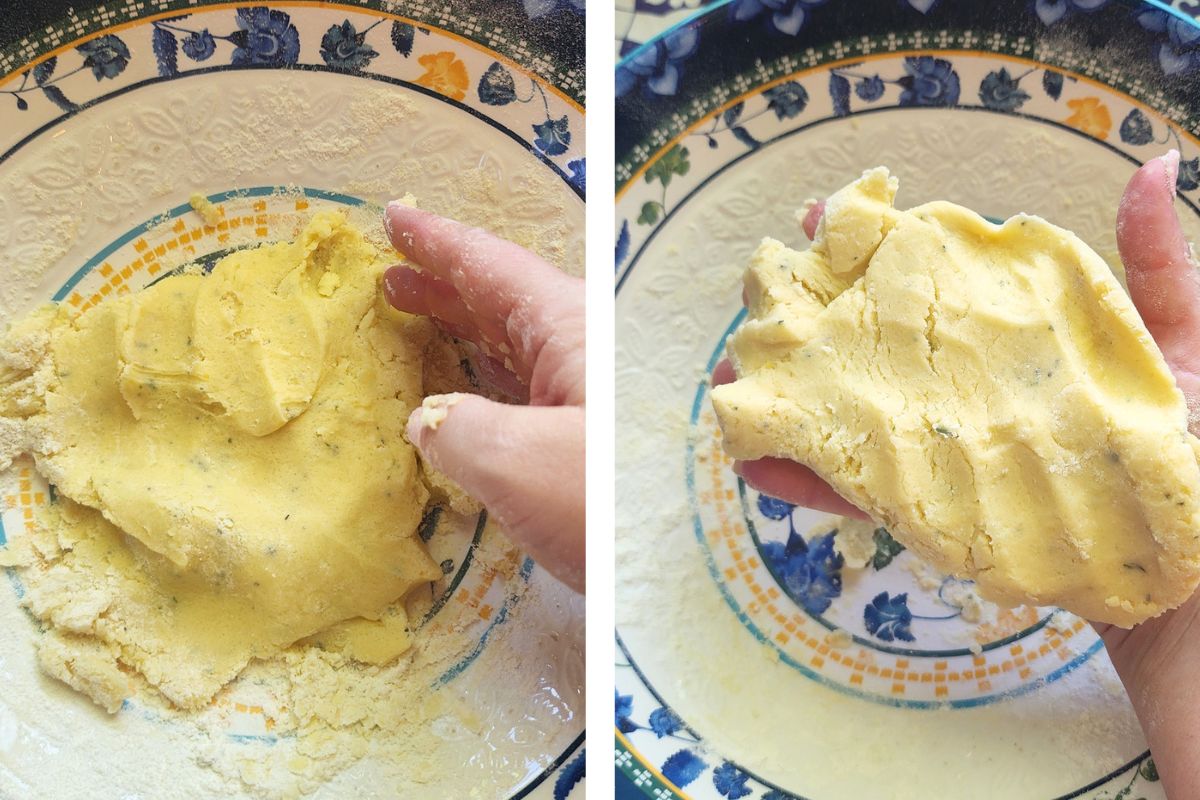
- Gradually work in the flour until the mixture resembles coarse crumbs. Using your hands, gently press everything together to form a dough.
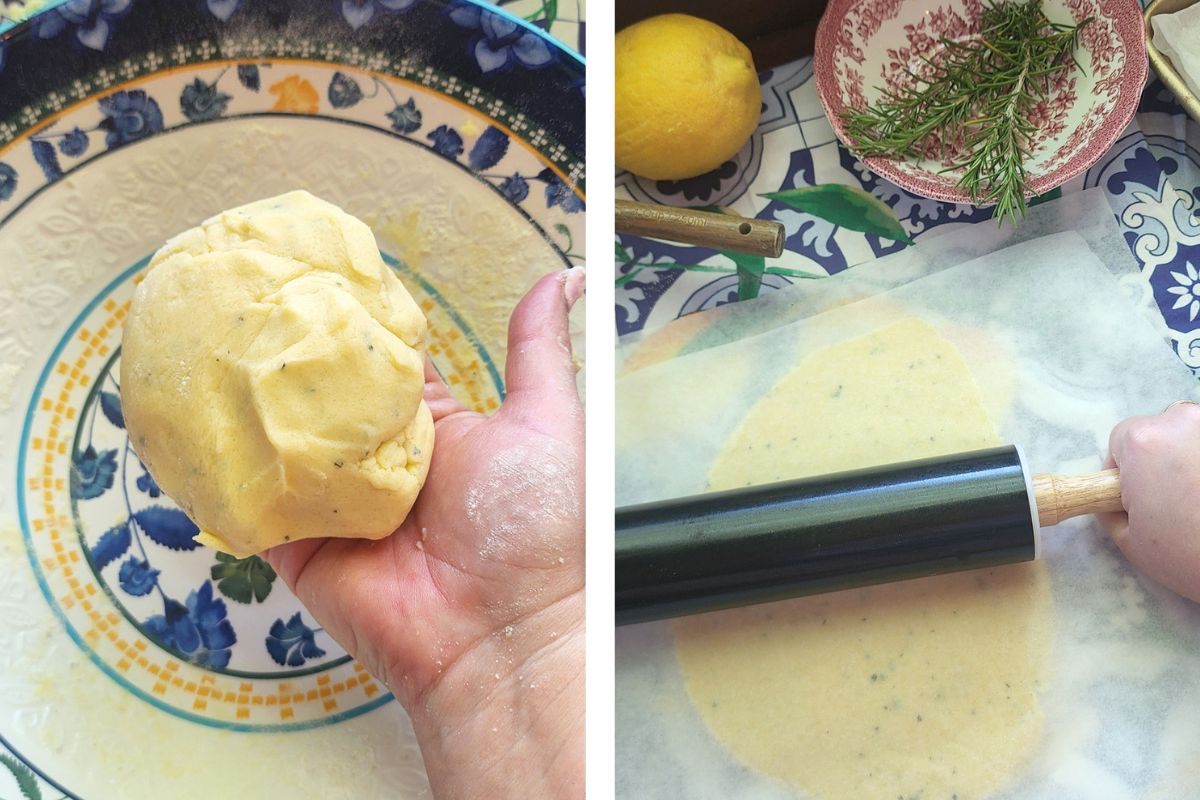
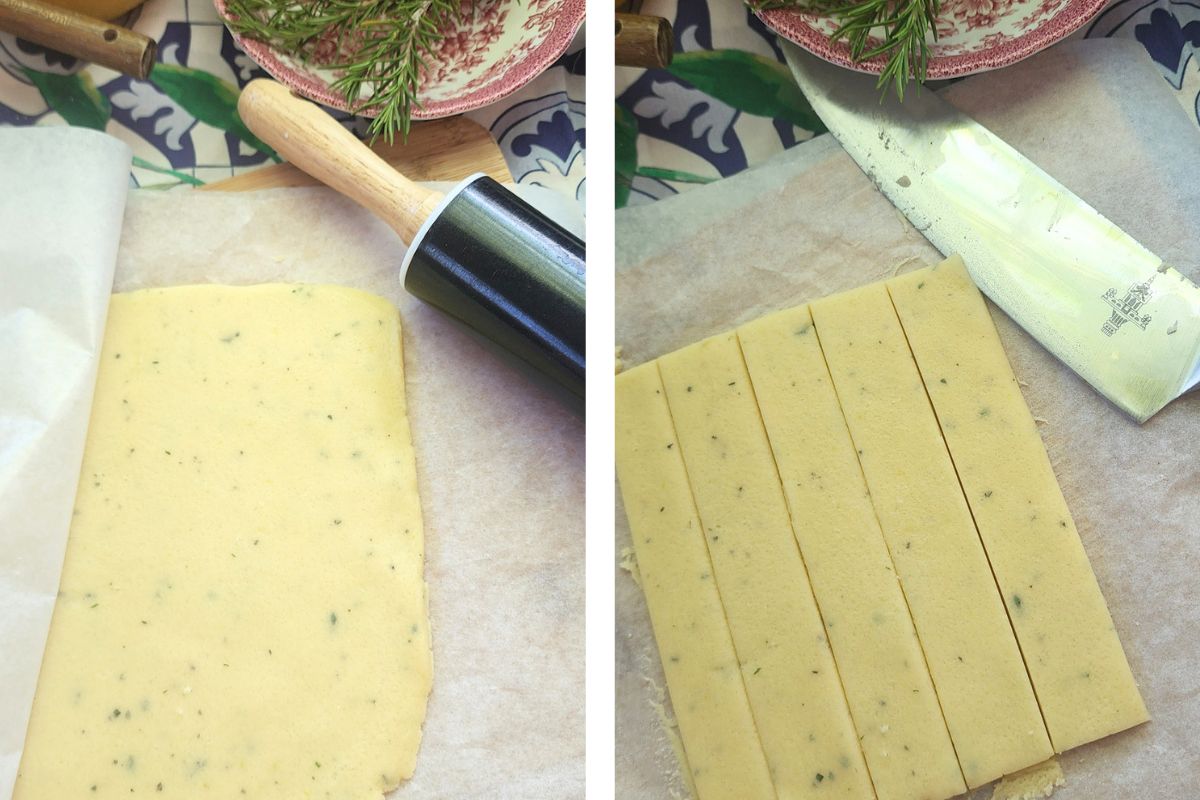
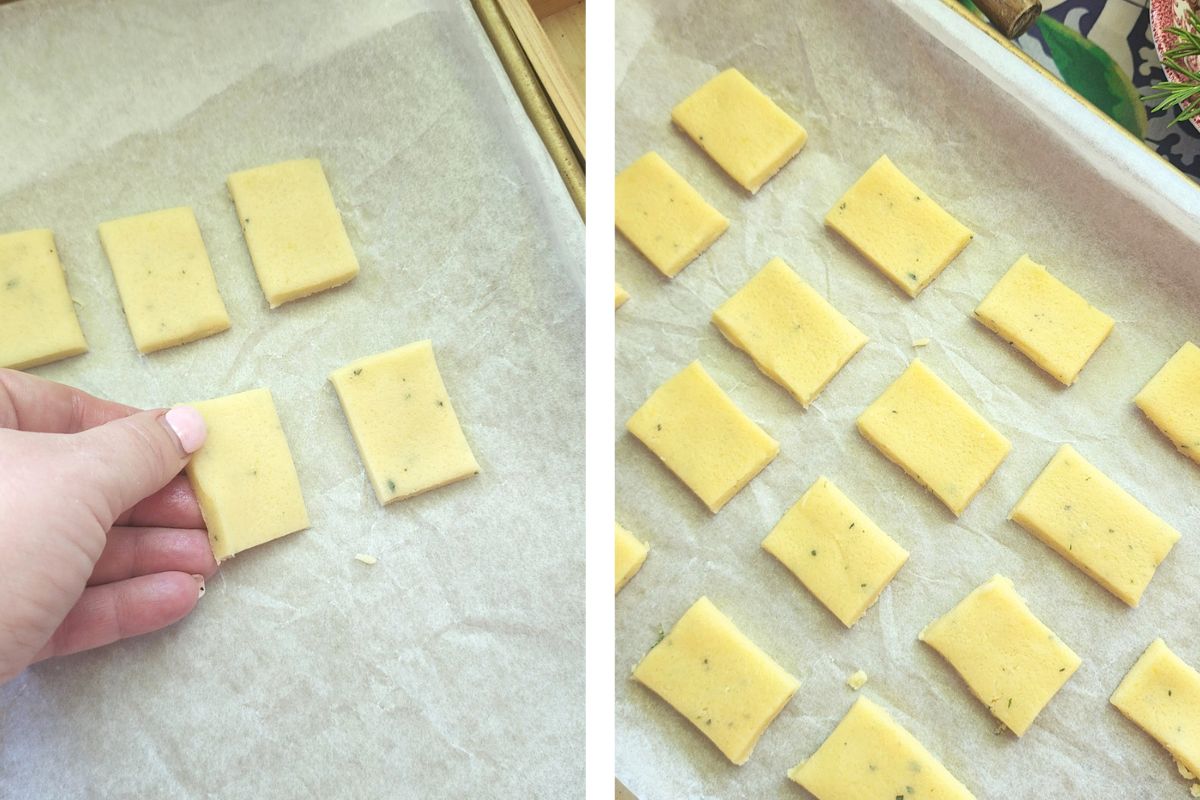
- Place the dough between two sheets of baking paper and roll to approximately 6mm thick. If your kitchen is hot and the dough feels too soft to work with, place it in the fridge for 5-10 minutes to firm up.
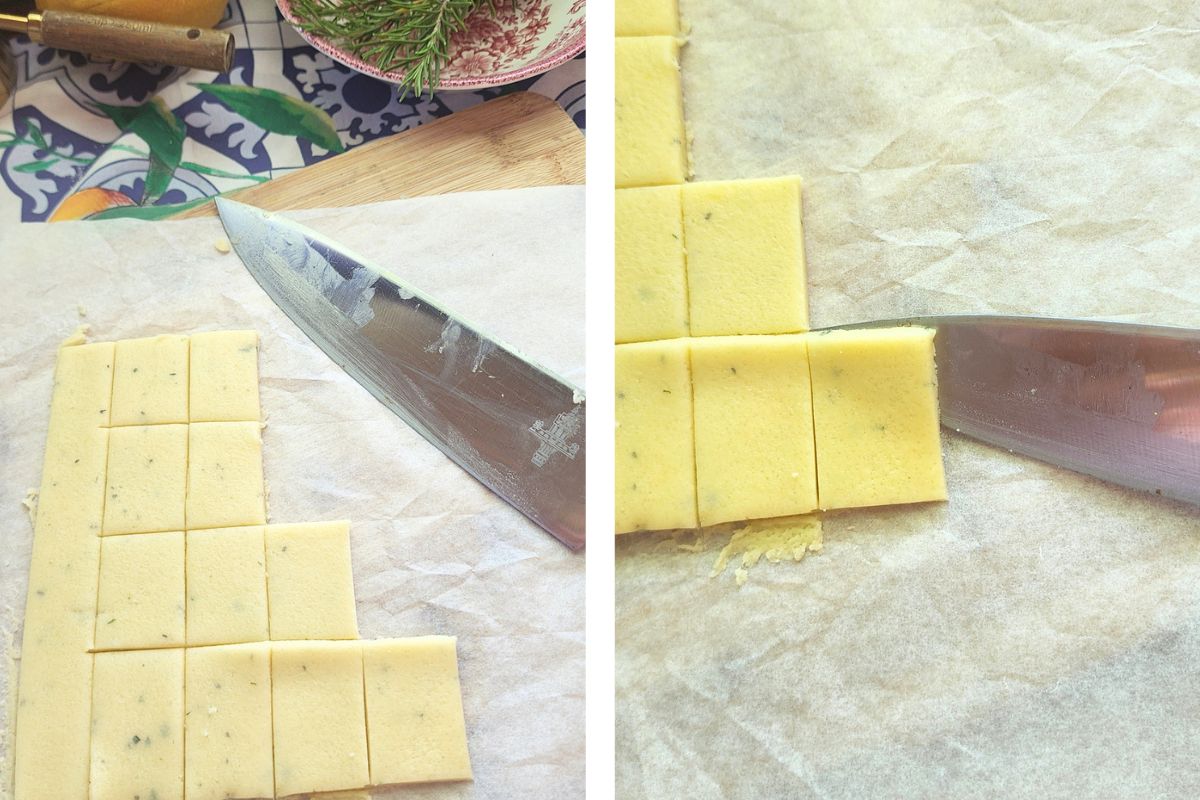
- Cut the dough into your preferred shapes and arrange on the prepared baking tray.
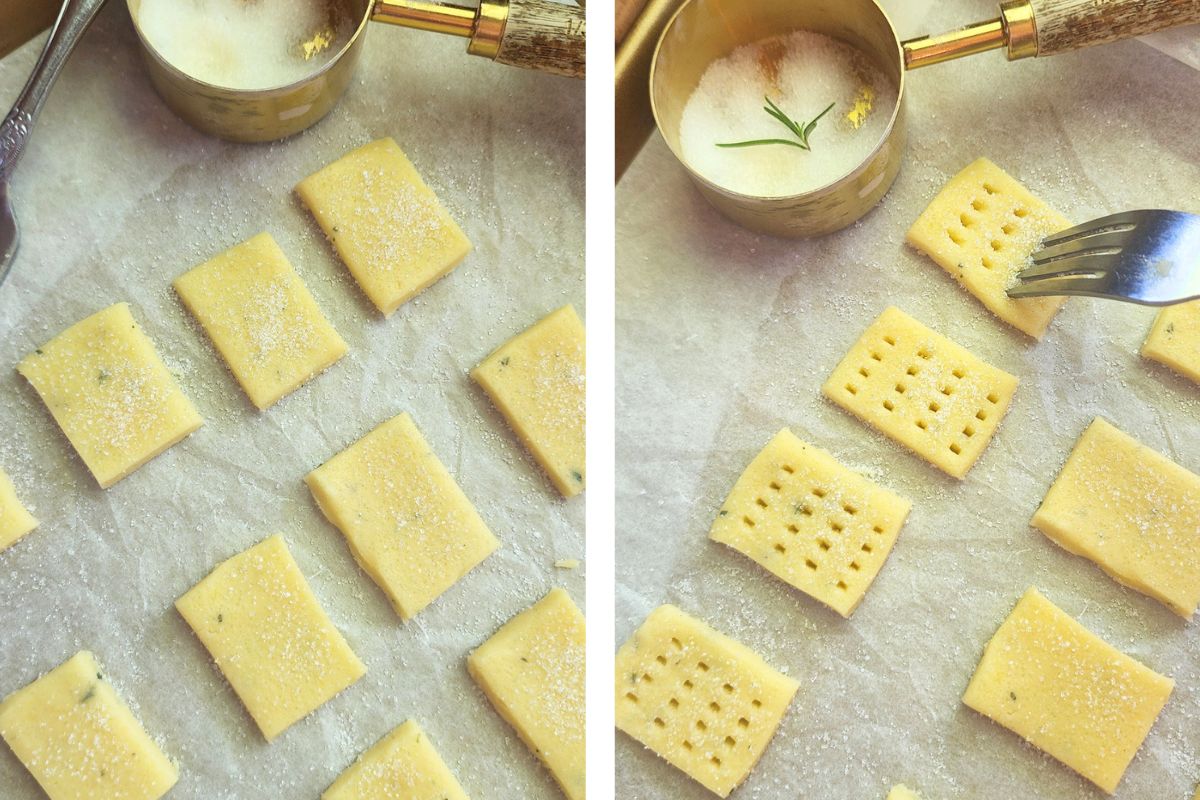
- Prick each biscuit several times with a fork and sprinkle with a little white sugar.
- Bake for approximately 25-35 minutes, checking from 20 minutes. Remove when the edges are lightly golden.
- Leave on the baking tray for 10 minutes before transferring to a wire rack to cool completely.
How to Tell When Shortbread Is Ready
Unlike many other biscuits, shortbread doesn’t need to turn golden brown all over.
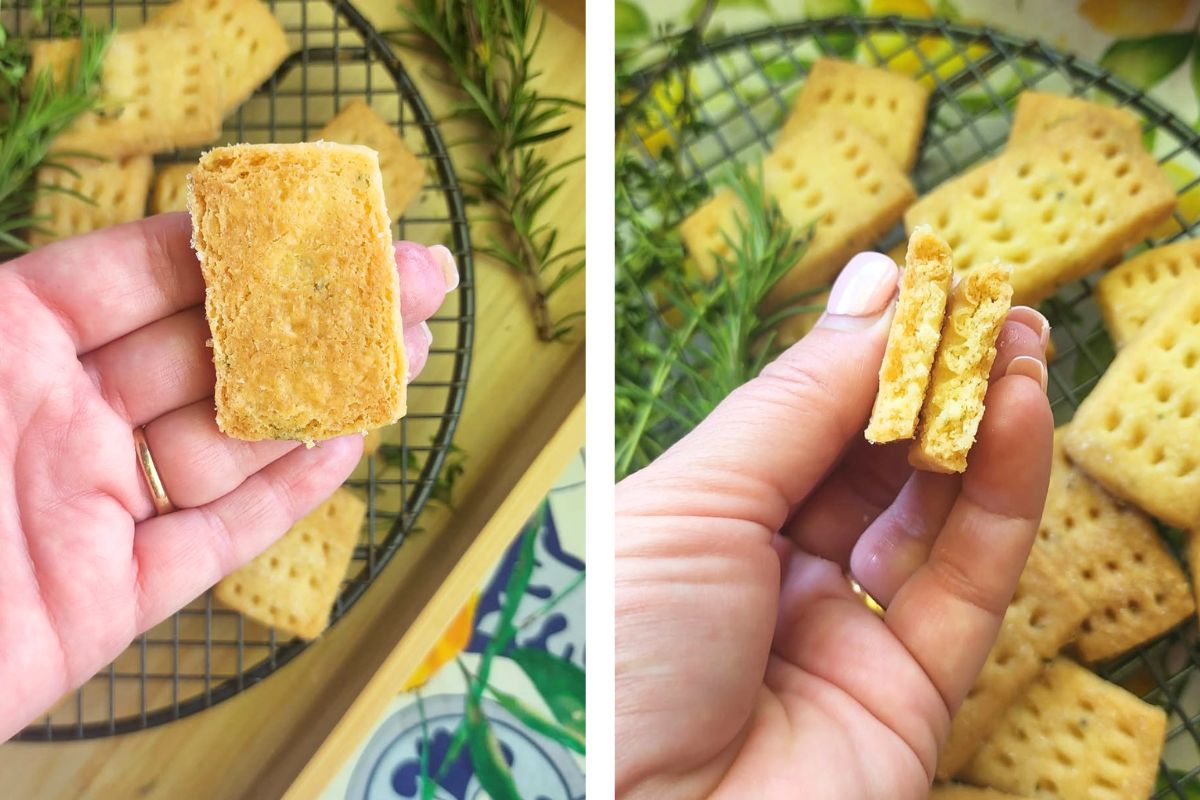
Look for lightly coloured edges and a surface that appears dry and set. The centres may still feel slightly soft when first removed from the oven, but they will firm up as the biscuits cool.
The thickness of your biscuits will also affect the baking time. Thin biscuits will cook faster, while thicker pieces may need a little longer.
Serving Your Rosemary And Thyme Shortbread
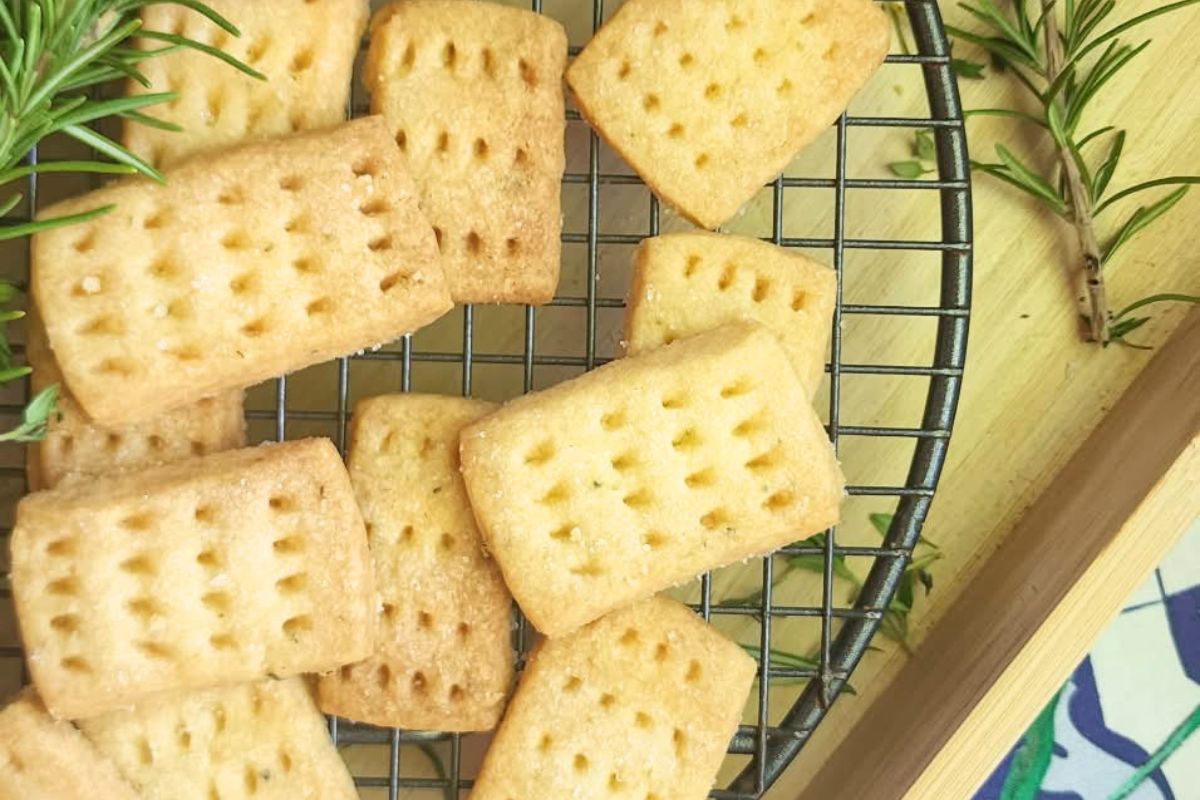
These biscuits are lovely with a cup of tea or coffee, particularly when you want something that isn’t overly sweet.
The herbs also make them an interesting addition to a cheese board. Try serving them alongside a mild, creamy cheese, where the rosemary and thyme can complement the savoury flavours.
For homemade gifts, allow the biscuits to cool completely before packaging them. A small tin or jar lined with baking paper makes a simple presentation, particularly around Christmas.
Storing And Variations
Once completely cooled, store the shortbread in an airtight container at room temperature for up to one week. Keep it somewhere cool and dry to help maintain its crisp texture.
If you’d like to experiment with other herbs from the garden, lemon thyme is a great alternative. It has a gentle citrus aroma that would work well in place of regular thyme.
You can also adjust the lemon zest depending on your preference. A little extra will give the biscuits a more noticeable citrus flavour.
Final Thoughts
Cooking with herbs doesn’t have to stop at dinner. Rosemary and thyme might not be the first ingredients that come to mind when baking biscuits, but they’re worth trying.
With just a few sprigs from the garden, you can give a familiar shortbread recipe a different flavour and find another use for herbs that might otherwise be reserved for savoury meals.
Article & Photographs by Julia Lewis