
Making your own in-ground worm farm is a fun and creative way to compost your organic scraps directly in your garden beds. Not only do they save space by eliminating the need for bulky, stand-alone worm bins, but they also bring a beautiful, earthy texture into your garden and make fantastic, natural fertilising stations for your plants.
What You'll Need
To make your very own in-ground worm farm, you will need the following supplies:
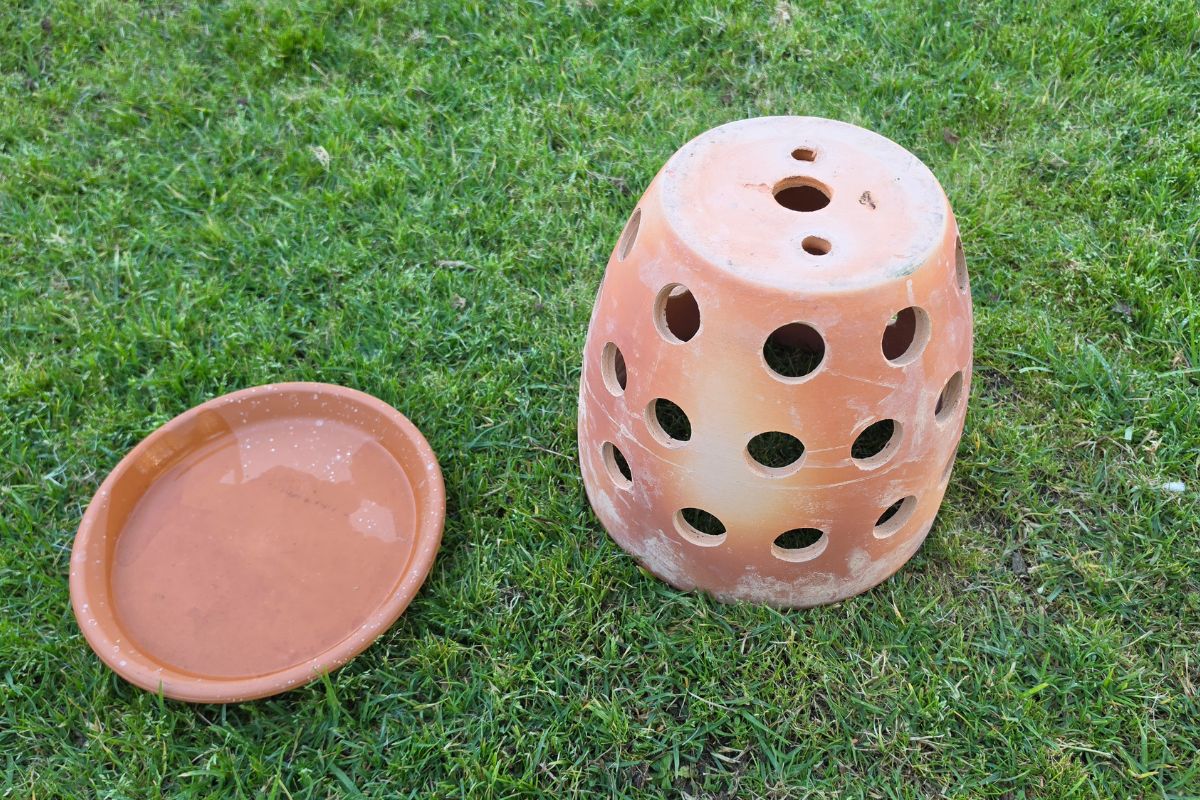
- A simple terracotta pot
- A matching terracotta saucer
- A drill with a diamond hole saw blade
- A piece of sponge and water
- Compostable material (like food scraps and dried leaves)
- Composting worms
- A few small rocks or pebbles
Preparing Your Pot
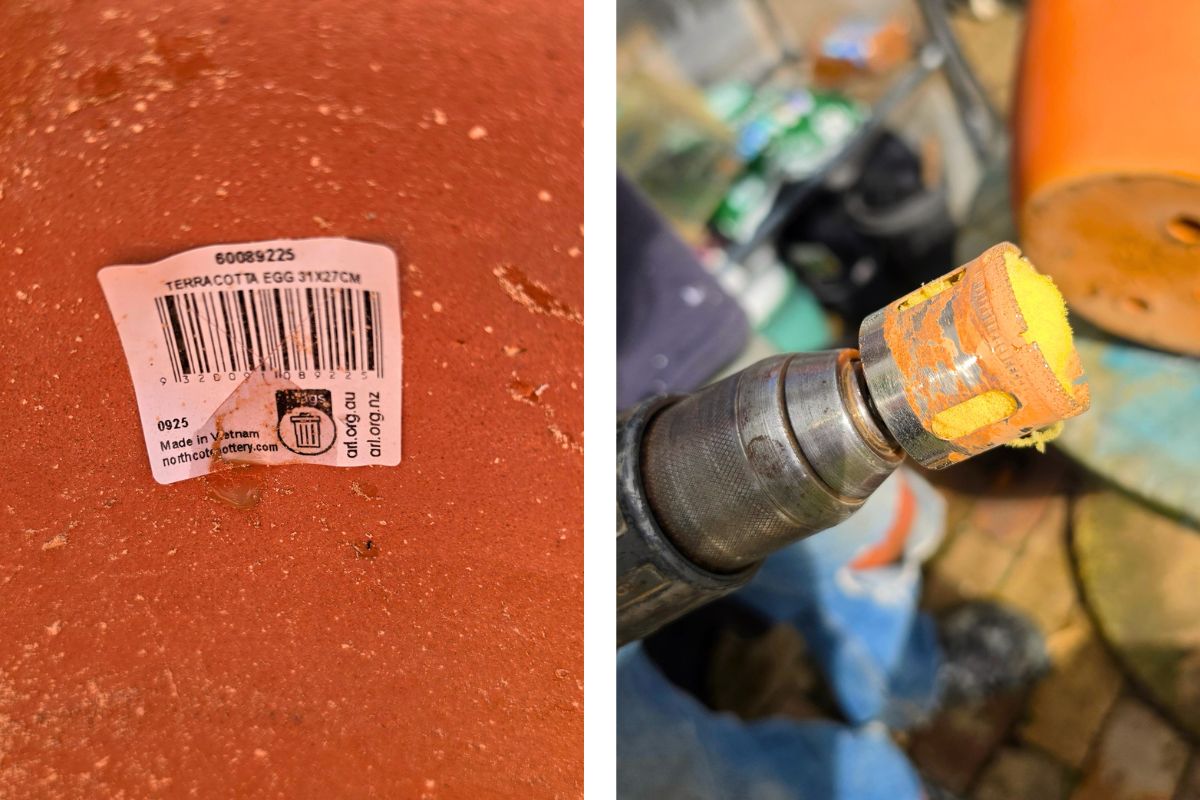
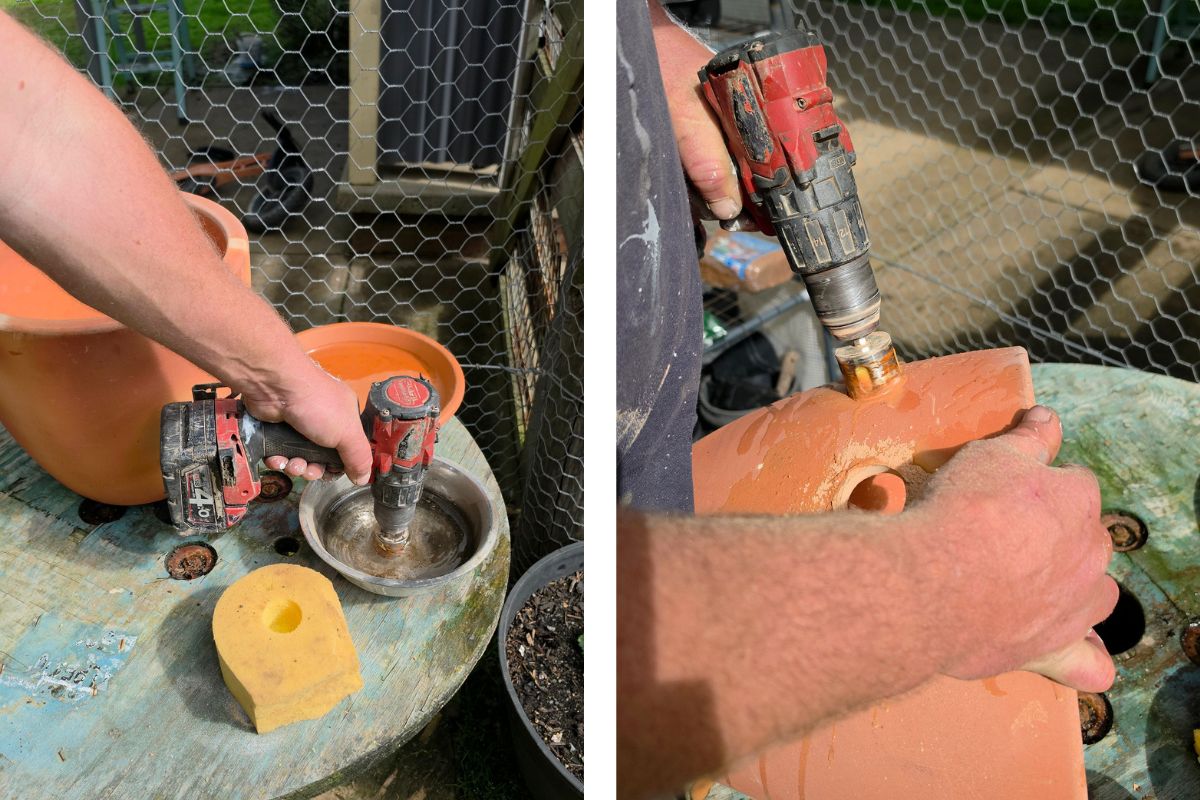
First, you'll need a drill equipped with a diamond hole saw blade. Take your piece of sponge and dip it in water. You are going to want to keep that sponge nice and wet while holding it against the pot during drilling. This helps keep the blade cool and prevents the clay from cracking under the heat.
Drilling The Holes
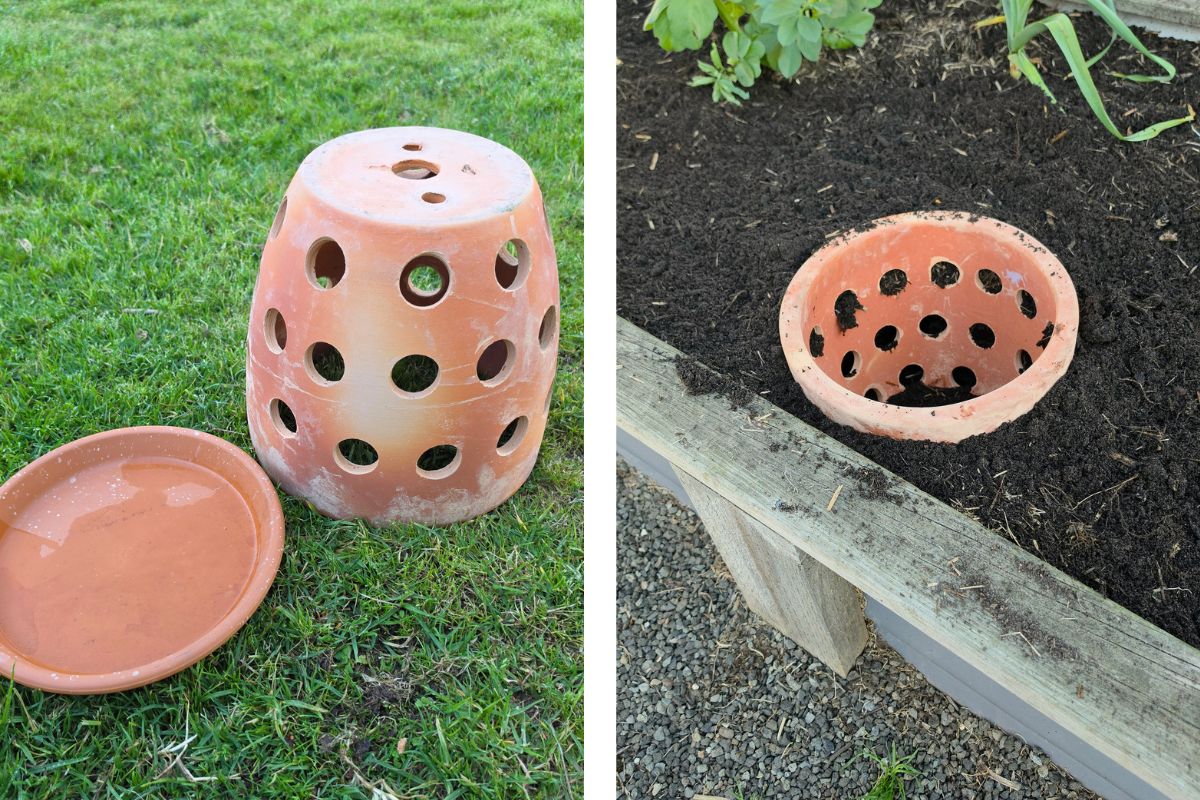
Start drilling on an angle to score the clay, and then slowly bring the drill upright to finish the cut. Take your time with this step, and don't push too hard—let the drill do the work for you! Continue making holes all over the pot, keeping them a few centimetres apart. Don't put the holes too close together, as you don't want the terracotta to crack.
Installing In The Garden
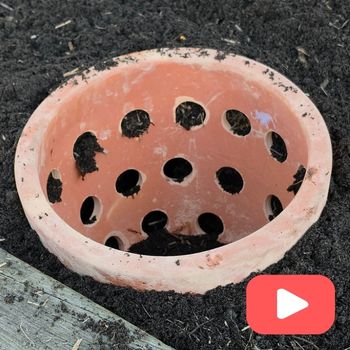
When you are done drilling, your pot will resemble a piece of Swiss cheese. Now it's time to dig a hole in your garden bed. Place your drilled pot into the hole and backfill the dirt around the outside of the pot to secure it firmly in the ground.
Adding The Worms
Now it's time to add a small amount of compostable material and your worms directly into the bottom of the pot. Give the inside a light spray of water to make sure you keep the environment nice and moist for them.
Creating A Bee-Friendly Watering Station
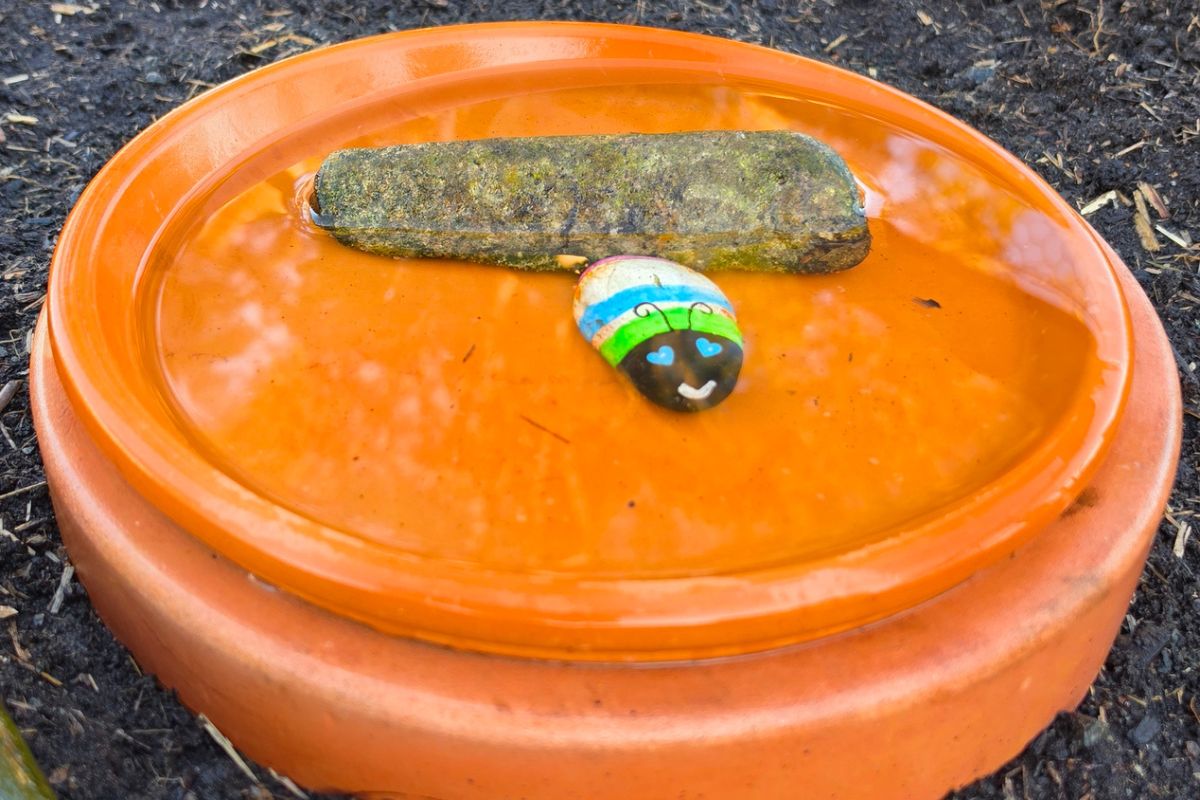
Add your terracotta saucer on top to act as a protective lid for the worms. Fill that saucer with water, and then add your small rocks in there. By doing this, you also have a beautiful, bee-friendly watering station to support the beneficial pollinators in your garden!
This simple technique can be adapted for a wide variety of garden spaces, allowing you to create an effective, natural ecosystem right in your veggie patch.
Have you decided which garden bed you are going to put your worm farm in first?
Learn more about in-ground composting here.
Video & Photography by Joy McDonald