
For most Australian gardeners, growing storage crops isn’t a huge priority. In many parts of the country, food is grown year-round, so gardeners simply eat tomatoes and eggplants in summer and leafy greens, brassicas and carrots in winter. Fresh produce is easily transported between the states, so there is always an abundance available in the supermarket. For these reasons having a cellar or pantry full of storage vegetables isn’t as necessary as it is in some parts of the world.
Due to a common culture of buying fresh food as and when needed, many gardeners don’t realise how easy it is to store the vegetables they grow. There is, however, a great satisfaction in harvesting a winter’s worth of your favourite vegetables and being able to ‘shop’ your own pantry, during the cooler months. With a little care and know-how these are five of the best and easiest crops to store:
Sweet Potato
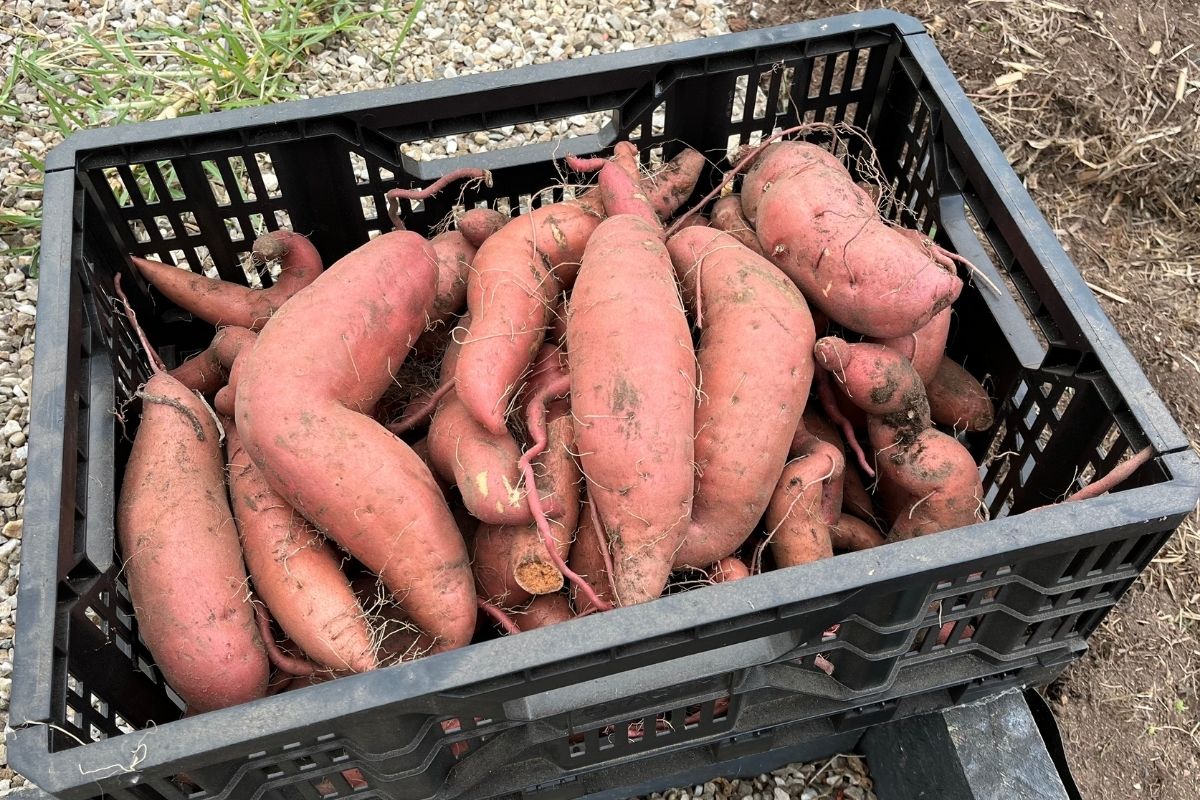
Sweet Potatoes are a versatile and delicious crop that is incredibly easy to grow and store. The plants thrive in the warmest parts of Australia but they grow successfully in any climate that has a frost free period of 4 or more months. Before planting sweet potatoes, ensure the soil is well draining and enriched with plenty of organic material. If the preparation is done well, care is minimal. They won’t need extra fertilising and watering is only necessary if the top 5cm of soil becomes dry. Although there may be issues for plants if the soil is too damp, they’re relatively free of pest problems. Generally harvesting occurs at once, about 120 days after planting, when the leaves of the plant begin to yellow. Once harvested, cure sweet potatoes by placing them in a warm, dry place for 10-14 days. After that, they can be stored in a cool, dark, well-ventilated area for over 6 months.
Pumpkins
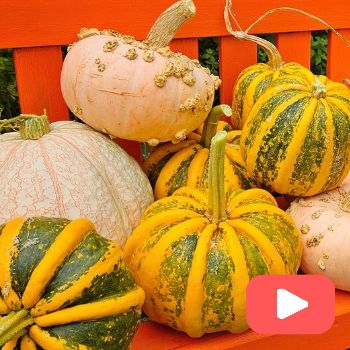
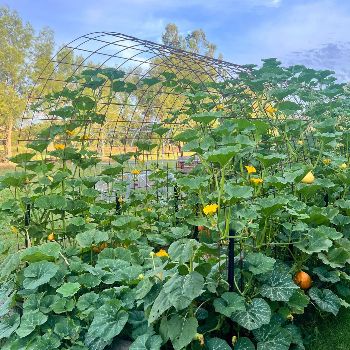
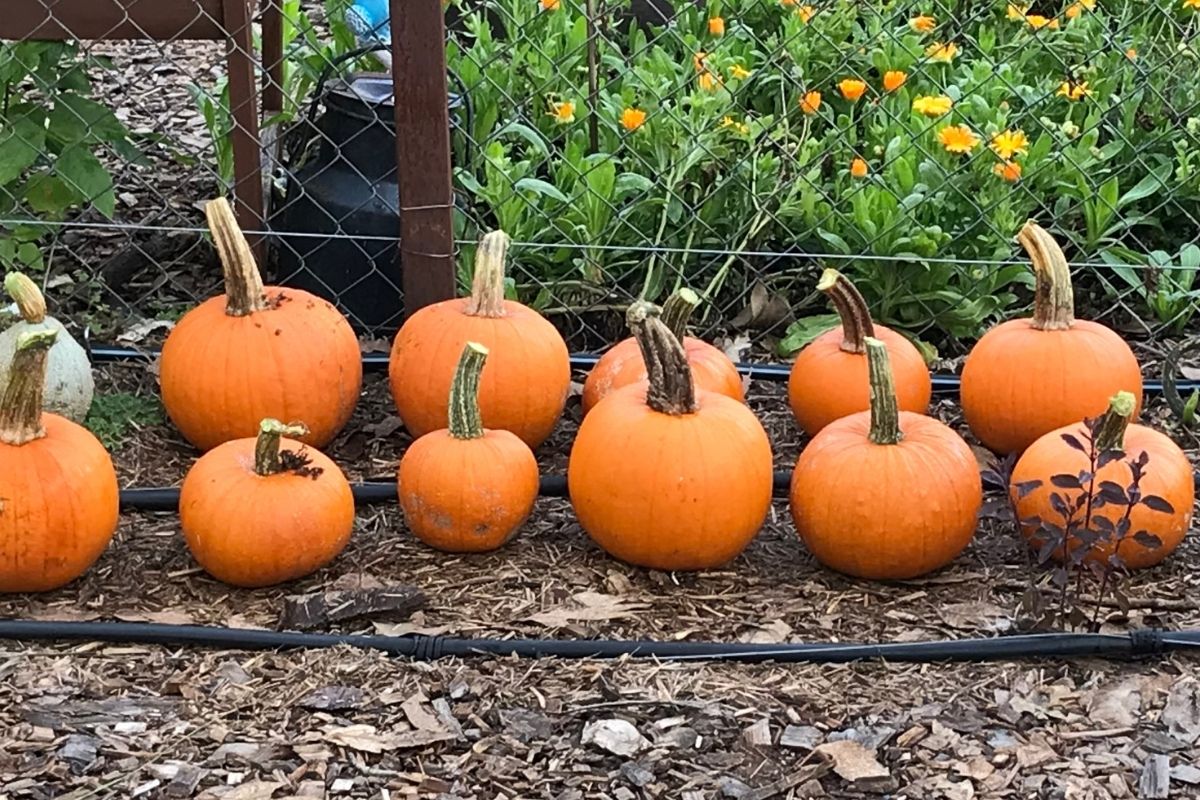
Pumpkins are a kitchen staple in Australia and a backyard favourite for gardeners, but they are not always stored for winter months. Often Aussie gardeners will keep one or two of the pumpkins they grow and give the rest away, because they don’t realise they store so well. Pumpkins for storage must be fully ripe and should be harvested when the stem is tough and woody. To harvest them correctly, cut them from the vine leaving at least 5 cm of the stem attached to the fruit. Never pick up a pumpkin by the stem as it may disconnect and cause the pumpkin to rot. To cure them for storage simply place the pumpkins in a single layer, not touching, in an airy location that is out of direct sunlight and frost free (perhaps a veranda or open shed) for a week, to harden the skin. After that they can be stored in a cool, dark, well-ventilated area for up to 6 months. Rotate and check your pumpkins regularly for any signs of decay.
Once cut open pumpkin must be stored in the fridge and consumed within a number of days. To get more life out of the larger pumpkin varieties, like Queensland Blue, simply roast the whole pumpkin and freeze any of the unused flesh in suitable containers, to add to soup another week. To avoid this issue altogether consider growing a smaller variety of pumpkin like Small Sugar.
Garlic
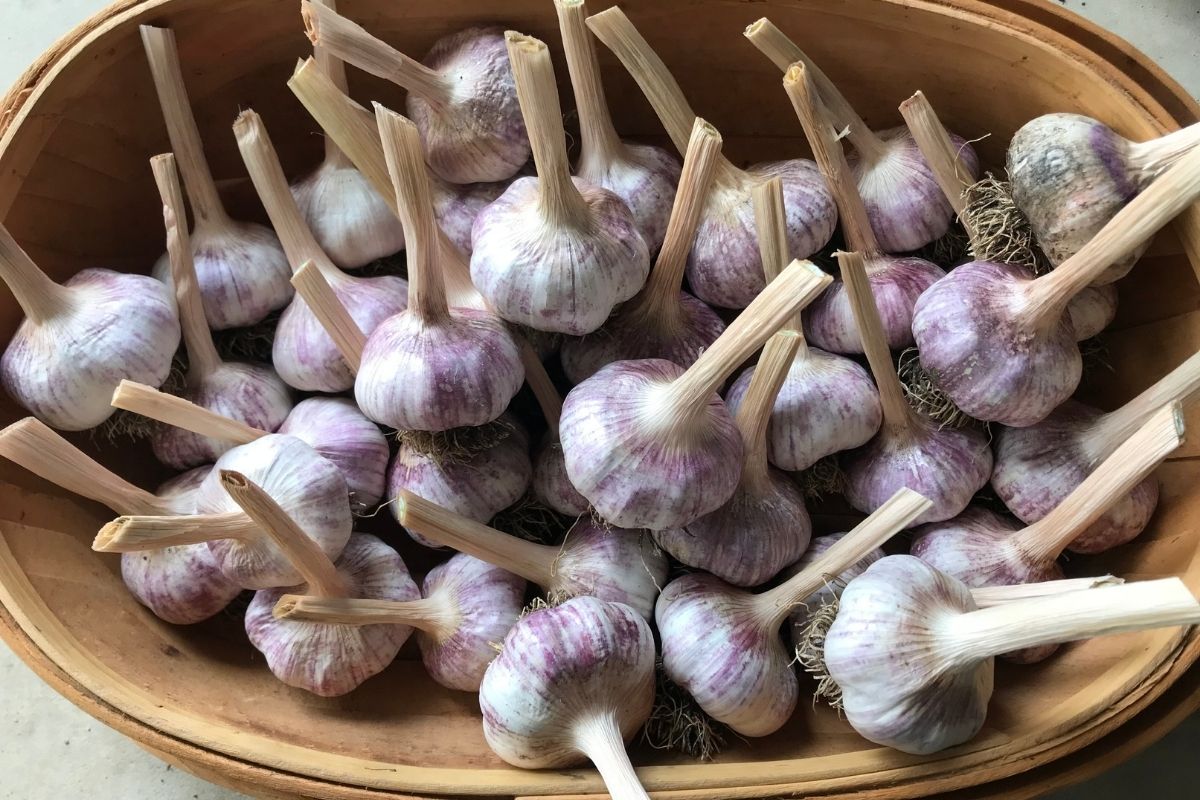
For most Australians, Garlic is an essential ingredient added to meals on a daily basis. Thankfully, it is easy to grow, store and even become self sufficient in garlic. Generally cloves are planted, in autumn, about 12-15cm apart, which means that up to 100 bulbs can be grown in a 1.2m² garden. Once planted care is minimal: water only if the top 5 cm of soil becomes dry. If garden beds were prepared well, no extra fertilising is needed. About 7-8 months after planting, when the outer leaves of the plant begin to dry, the garlic is ready to harvest. To cure garlic for storage simply hang it in a dry, warm, airy location for 3 weeks before trimming and/or braiding for storage. In the right conditions some varieties of garlic, like Rojo de Castro, can store up to 12 months. If bulbs are well formed, and free of any signs of disease, they can be kept for planting next autumn.
One notable challenge to growing garlic is the long growing season, however, this can be mitigated by choosing an early maturing cultivar. Varieties like Flinders Island Purple and Tasmanian Purple are generally harvested in late October-November allowing for smooth rotation into summer crops like tomatoes.
Onions, Shallots and Egyptian Walking Onions
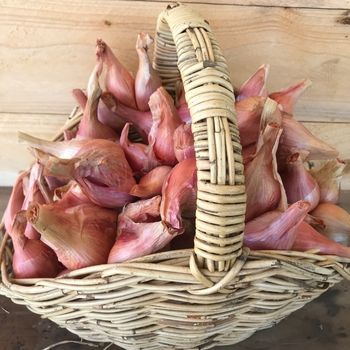
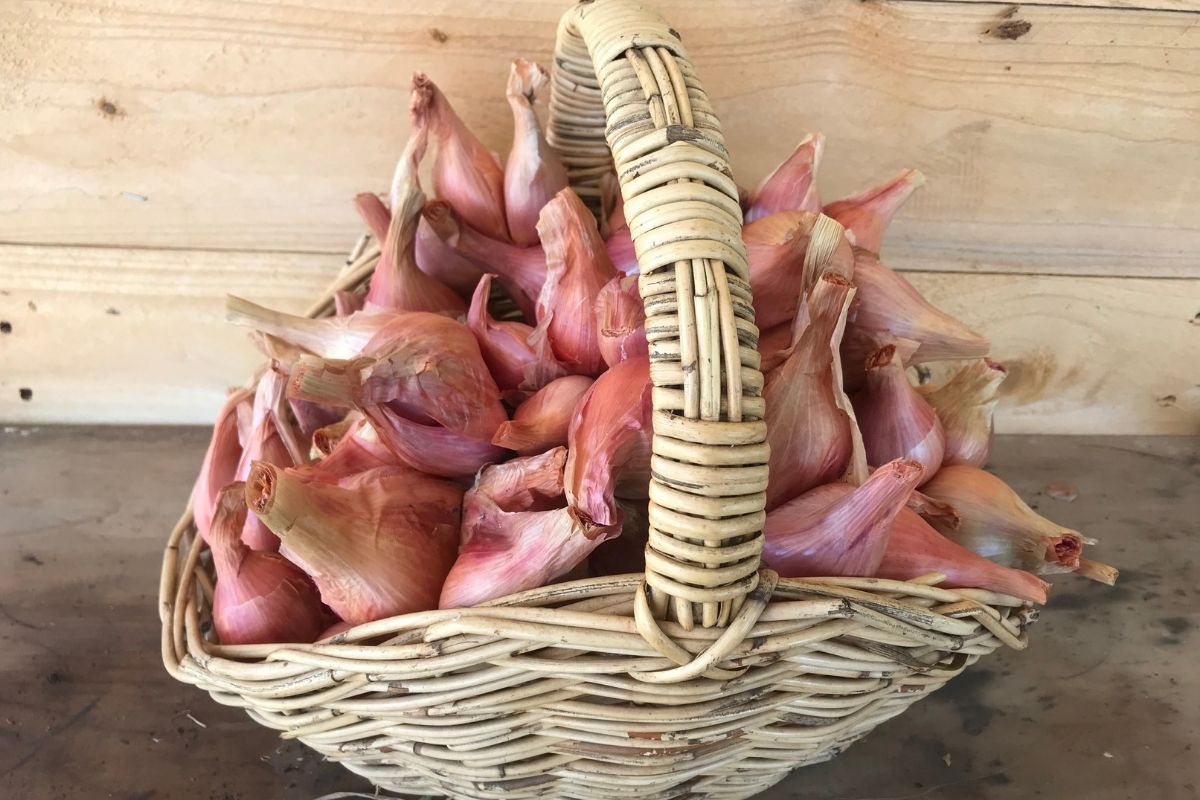
Onions are seldom a top priority for gardeners because they have a long growing season, are cheap to buy and take up a significant amount of room in the garden per bulb. This is a shame because they consistently rank as one of the most used vegetables in Australia and, therefore, would have the potential to provide daily satisfaction if homegrown. To overcome the issues associated with regular onions many gardeners like to grow multiplying onions like shallots and Egyptian walking onions. Multiplying onions tend to have a mild, sweet flavour and, if available in the supermarkets, are more expensive than regular onions. They tend to be easier to grow than regular onions and produce up to 10 bulbs per plant, making them more space efficient.
Regardless of the type of onion or multiplying onion you grow they are very easy to store. Carefully harvest them when the foliage begins to flop over and turn yellow then either hang or lay them on racks in an airy location out of direct sunlight for a few weeks. Once the foliage dries and becomes papery the onions can be trimmed and stored in a well ventilated, dark area for 6 months or longer.
Potato
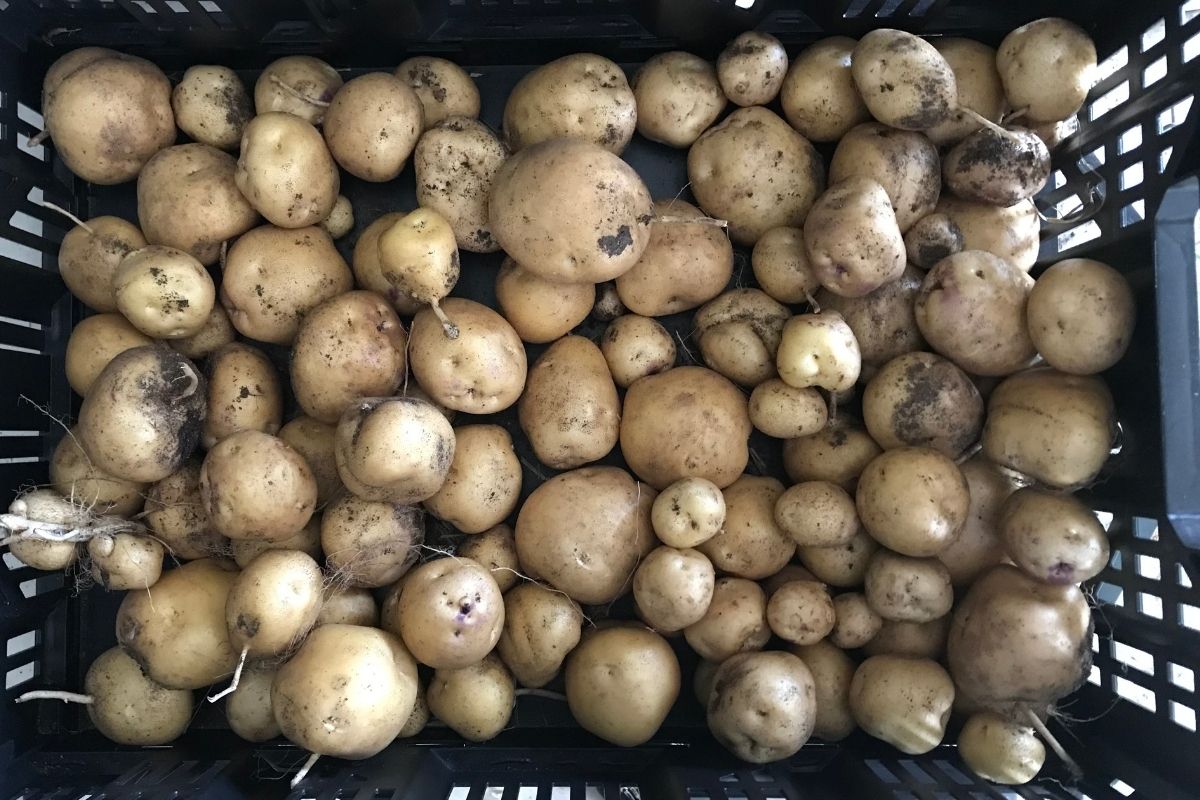
Potatoes are one of the most frequently purchased vegetables in Australia and a favourite for many gardeners. The varieties available for growing are vast compared to those available at the shops, with assorted colours and textures suited to a range of culinary uses, but they are also easy to grow. Although traditionally grown in the ground, potatoes can also be grown in grow bags and large pots making them the perfect storage crop for gardens of every size. Like many other storage crops they won’t require extra fertilisation if the soil was prepared well with compost and some blood and bone before planting. They will need some watering to avoid the soil drying out completely but shouldn’t be overwatered. Given the quantity of potatoes most Australians use, growing a winter’s worth would be quite a challenge, but it’s well worth knowing how to cure and store them so you can get the best of the harvest, no matter how big. In summer or autumn, once the potatoes have flowered and the foliage has died back, harvest them carefully and lay them flat to dry completely for a few hours. Dust off any major debris and store in a cool location with no sunlight, where they will keep well for several months.
Article & Photography by Stephanie Hall-Richards