
Why Do Gardeners Keep Records?
Becoming a brilliant gardener takes years, if not decades, of practice. It involves trying new things, doing experiments, and constantly looking for details and patterns in nature. In any given season a gardener will make hundreds of observations and decisions and perform multiple tasks. To learn from these experiences however, the gardener must be able to remember the actions and outcomes in different situations. No one can recall everything they have done throughout their gardening years which is why it is essential for gardeners to keep records from the very beginning of their gardening journey. Keeping records allows the gardener to learn from their own experiences, gaining knowledge specific to their micro-climate. Turning record-keeping into a habit can help prevent the gardener from making the same mistake twice and give them the best chance to replicate or improve upon the things that worked well.
The Different Ways To Keep Records
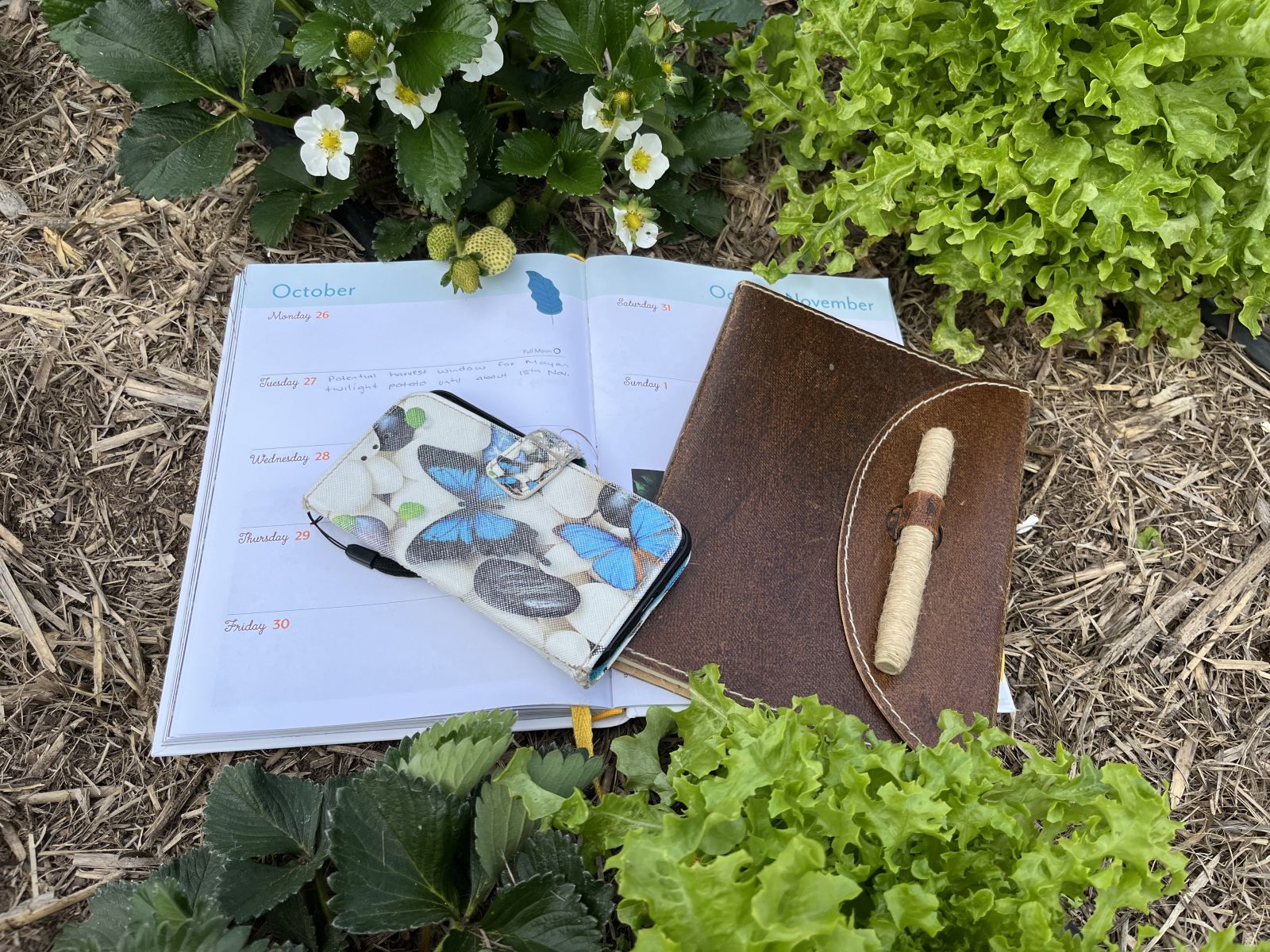
There are endless ways to keep garden records. The most important thing, though, is that the gardener chooses a method which will work the best for them. These are some common formats used by gardeners:
- ‘Fill in the blank’ diaries or journals: These have prompts specifically relating to the garden like ‘seeds sown’, ‘vegetables harvested’ or ‘weather’. They may also have dated sections and space for drawing garden plans. These are great for beginner gardeners as they can serve as inspiration and remind them to keep records of things regarded as important by a collective of experienced gardeners.
- Standard diaries or year planners: These can be used in much the same way but the gardener can record observations about what has interested them, or what they have done each day of the year. Diaries and planners come in various sizes and layouts giving the gardener more freedom over their note taking. These diaries may be less restrictive as they don’t oblige the gardener to write about things that might not be important to them.
- Notebooks, graph and grid books: These can provide a much more flexible way of note keeping which may make it feel less like a task and more like a tool. Using standard notebooks allows the gardener to make their own headings and take notes on whatever interests them, whenever it interests them. There are several different layouts including exercise books with mixes of lined pages, grids and blank pages which are handy for those who like a combination of writing and drawing. These books are readily available and affordable.
- Digital garden journals, calendars, and notes apps: These can come in all the same formats as the options mentioned above with plenty of other added features. These can be the most practical resource for gardeners who often carry their mobile phone with them into the garden (No pen or paper needed!).
- Photos: Easy to take on a phone and are a very useful way to keep records. It only takes a second to capture everything the gardener is observing in real time. The gardener may choose to write about the image in a diary or notebook later.
Whichever method or methods you choose to use, these are the 5 things every gardener should keep a record of.
Frost Dates
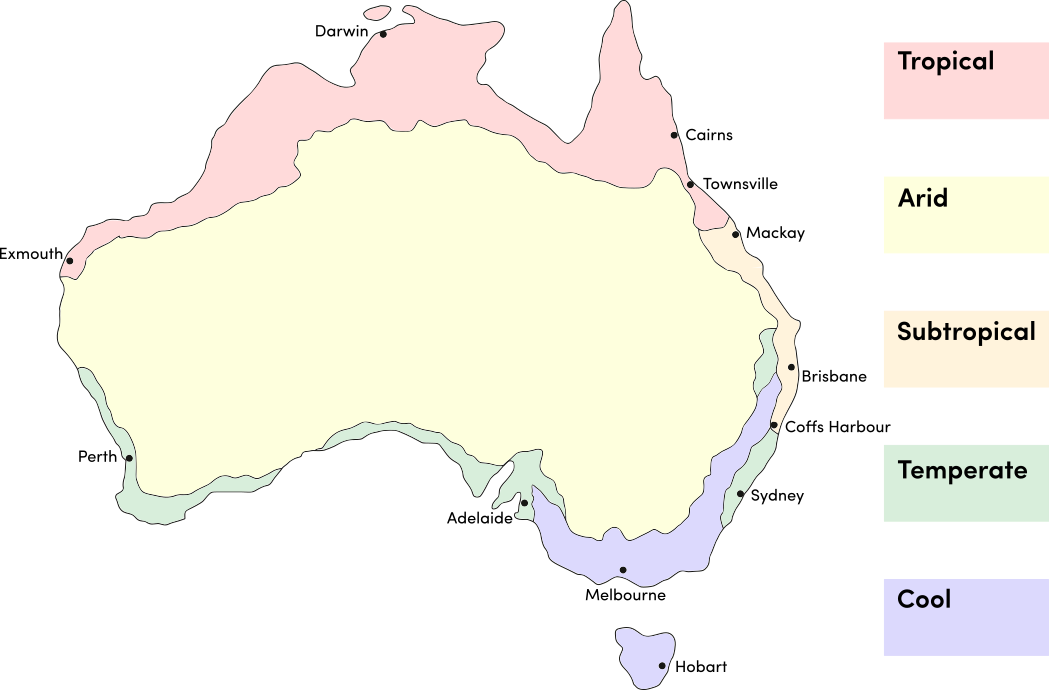
The first and last frost each year are major events that distinguish when a gardener can transition from tender warm-season crops to hardy cool-season crops and vice versa. Being able to predict the dates of these frosts is critical in preventing plant damage or loss. Gardeners often share local knowledge so beginners can have a rough idea of when the frosts will occur; but the reality is that each micro-climate experiences frosts at slightly different times. Landscape features alter heat retention and change how cold air moves around a property. For example: the elevation of a garden, barriers like walls and hedging, shade, and proximity to bodies of water, like creeks, can result in a garden experiencing frosts earlier or later than a neighbour just down the road. By recording the first and last frost dates each year you can eventually identify the likely frost window for your own specific location and react accordingly.
Sowing And Planting Dates
Keeping a record of when seeds or seedlings were planted can help a gardener to pinpoint the best planting times for their specific microclimate and enable them to plan for future years more precisely. Seed packets and plant labels have general advice on the best time to sow seeds and transplant seedlings, but they cannot account for every regional and landscaping difference in every garden. By collecting information of sowing and planting dates in your specific garden, year-after-year, you can figure out which times produced the best results. Keeping track of sowing and planting dates may also help you avoid making mistakes, like planting tomatoes before the last frost date, in future years.
Plant Location (AKA What’s Planted Where?)
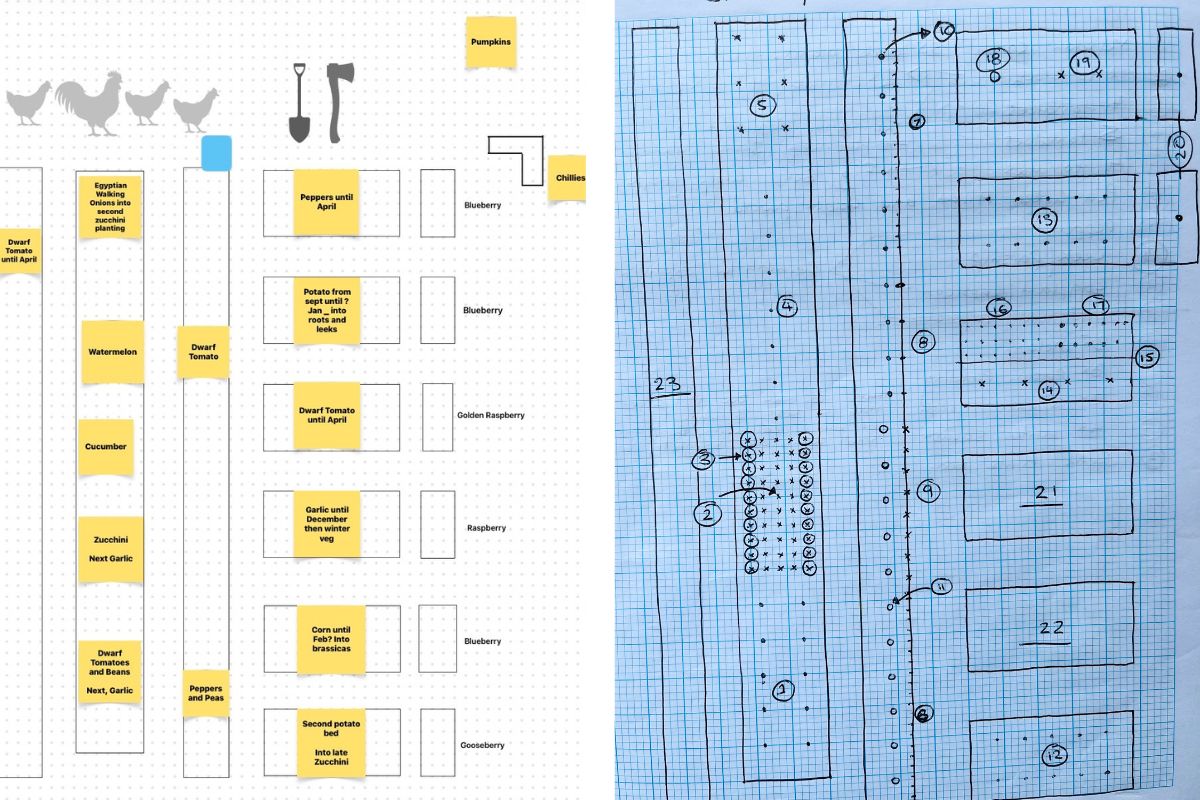
Keeping a record of plant location helps gardeners to avoid forgetting where seeds or bulbs were planted, accidentally digging up dormant perennials or losing track of different varieties of the same plant. Gardeners will often stake physical plant labels next to plants or seeds to help with identification but over time some labels may fade, get lost or be pulled out by curious cockatoos and magpies. It can be useful to take a photo of the plant location, with the tag visible, just in case it does get damaged or lost. Keeping a sketch, picture, or description of plant locations year after year offers the best opportunity for improvement as a gardener. Tracking plant locations over time enables you to plan for crop rotation and break disease and pest cycles by growing plants from the same family in distinct locations each year.
Harvest Dates And Information
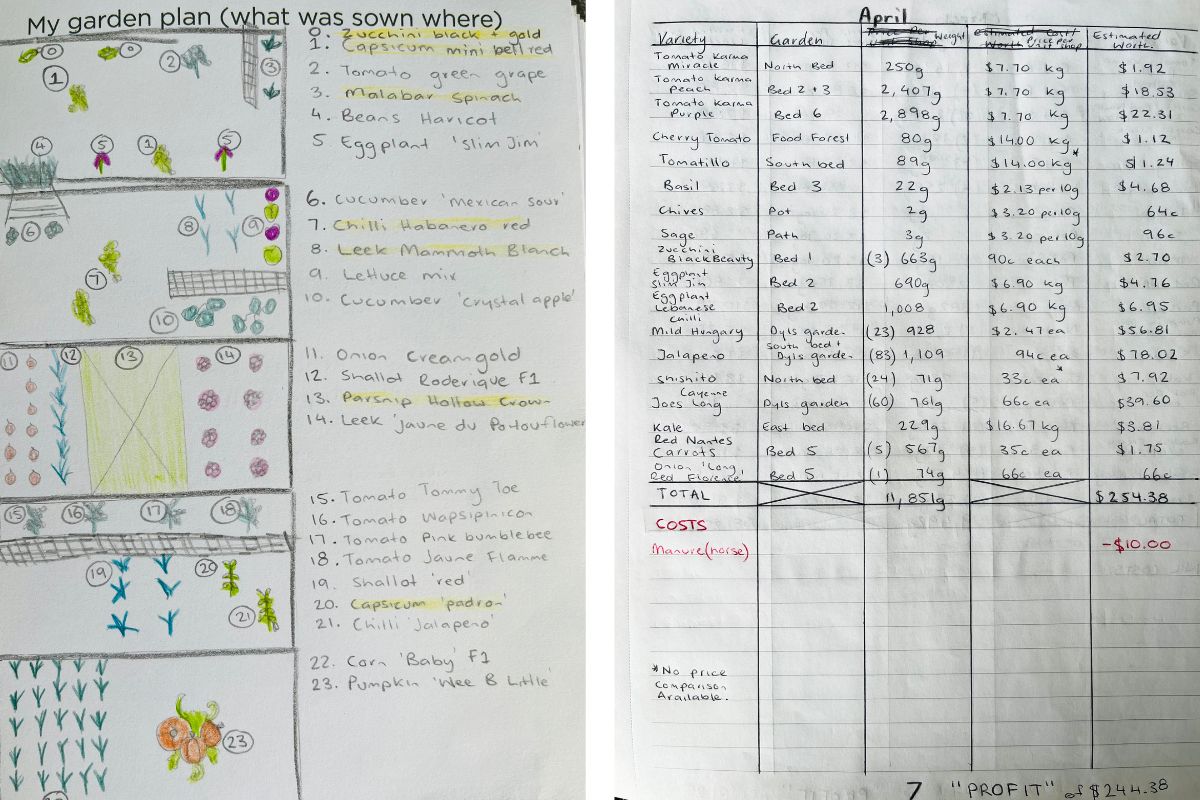
Keeping a record of harvests can provide gardeners with a wealth of information about what is most important to them. This information could help a gardener refine planting and sowing times, plan for meals and preserving and offer an opportunity to evaluate the cost effectiveness of gardening. Just like sowing dates, harvest dates are very important. Tracking when harvests are successful or when problems occur can help you establish whether you need to plant things earlier or later in the year or if your sowing time was correct. If you like to cook or preserve your produce, keeping track of when vegetables are harvested can help you plan and to have preserving tools ready at the right time each year. Many gardeners will keep a precise record of harvest dates and weights, over time, either for interest sake or to calculate the retail value of the harvest.
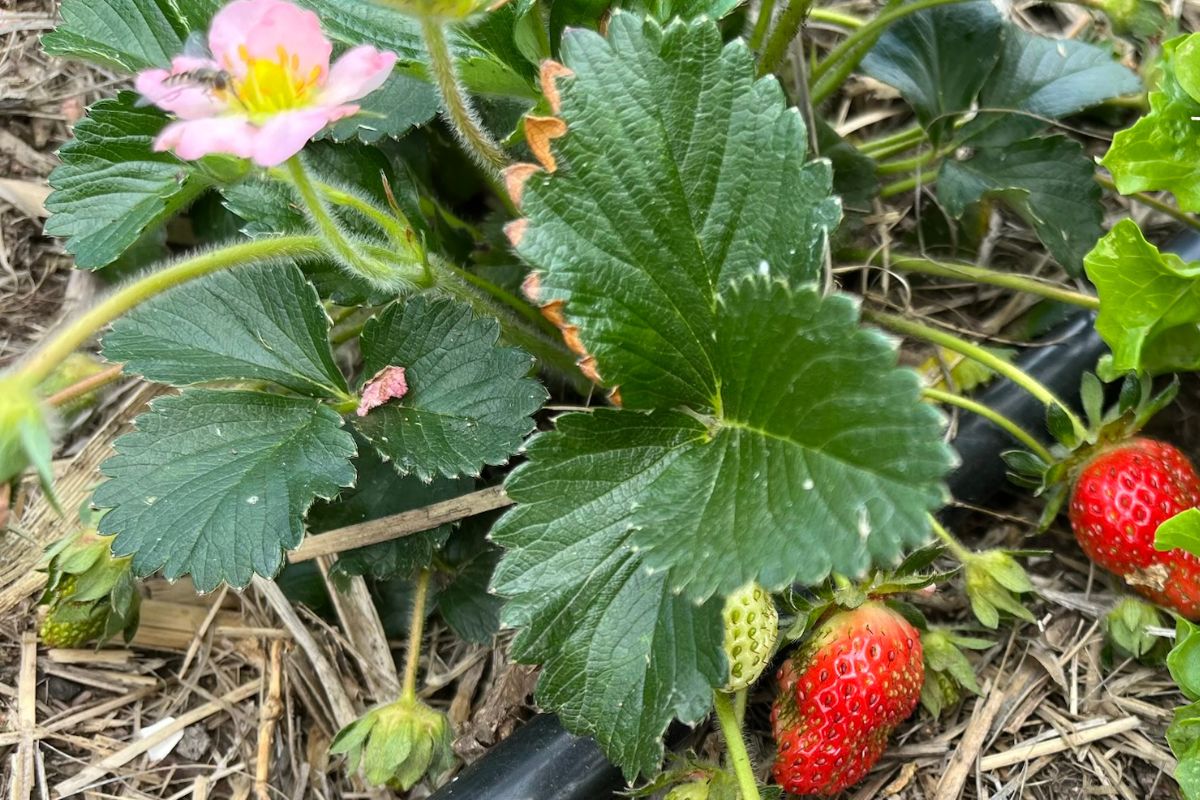 The first strawberries are ripening and the pollinators are busy - October 2026
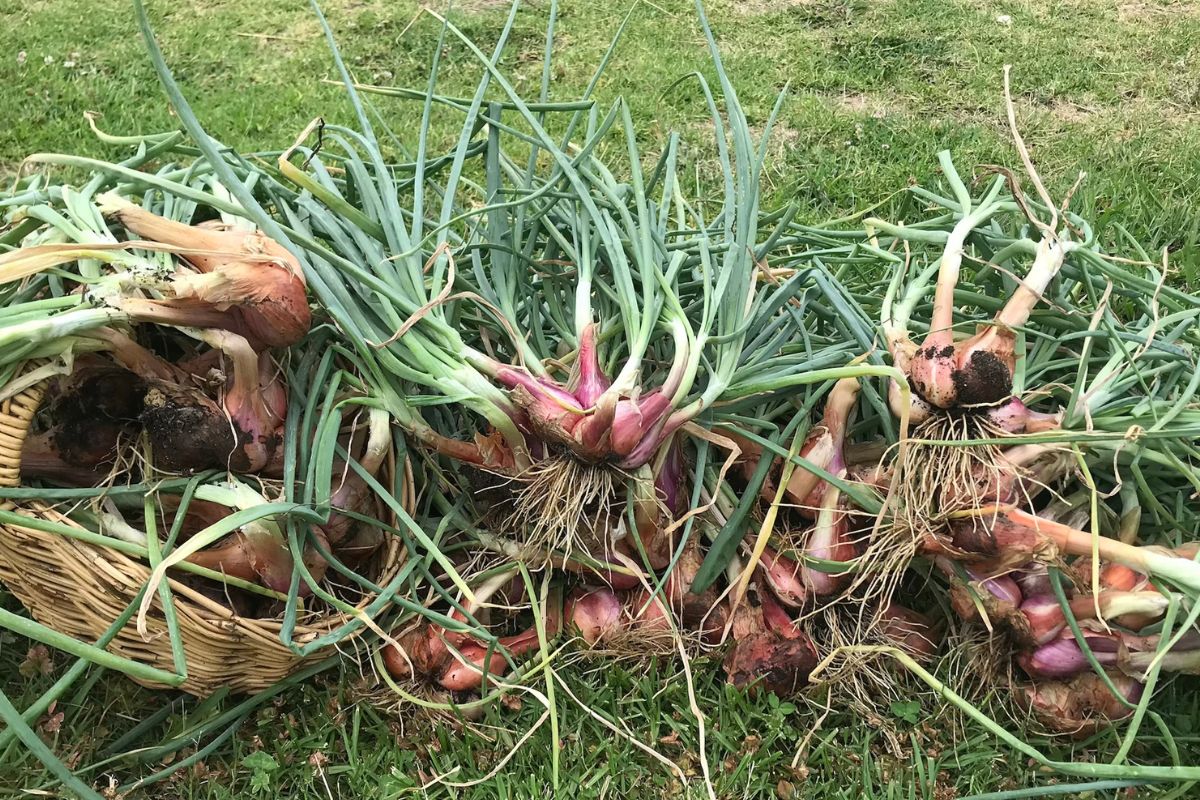 Large Harvest of Egyptian Walking Onions - 26 Jan 2024
General Observations And Activities
There are always hundreds of things occurring in the garden and it’s a great idea for gardeners to record anything that interests them, any actions they take and the outcomes they observe, to help them notice patterns that occur each year. Having records about rain, fertilisers used, pests, pest treatments or observations of nature’s reactions to pests, plant growth, how different varieties look or taste and anything else you see will provide you with answers to the questions you haven’t even thought of yet!
Article & Photographs by Stephanie Hall-Richards