
Subtropical gardens can be tough on flowering plants. Hot sun, humid summers, heavy rain and dry spells quickly separate the hardy performers from the fussy ones. Fortunately, some flowers thrive with little attention, while others are particularly good at attracting pollinators. Bees and butterflies help pollinate flowering plants, while other beneficial insects, such as ladybirds, can help control common garden pests.
Salvias, petunias, nasturtiums, vincas, angelonia and pentas have all earned a place on our list. These six flowers have proven to be some of the most forgiving plants we've grown, provided they're planted in the right conditions. Here’s what we’ve learnt about growing them.
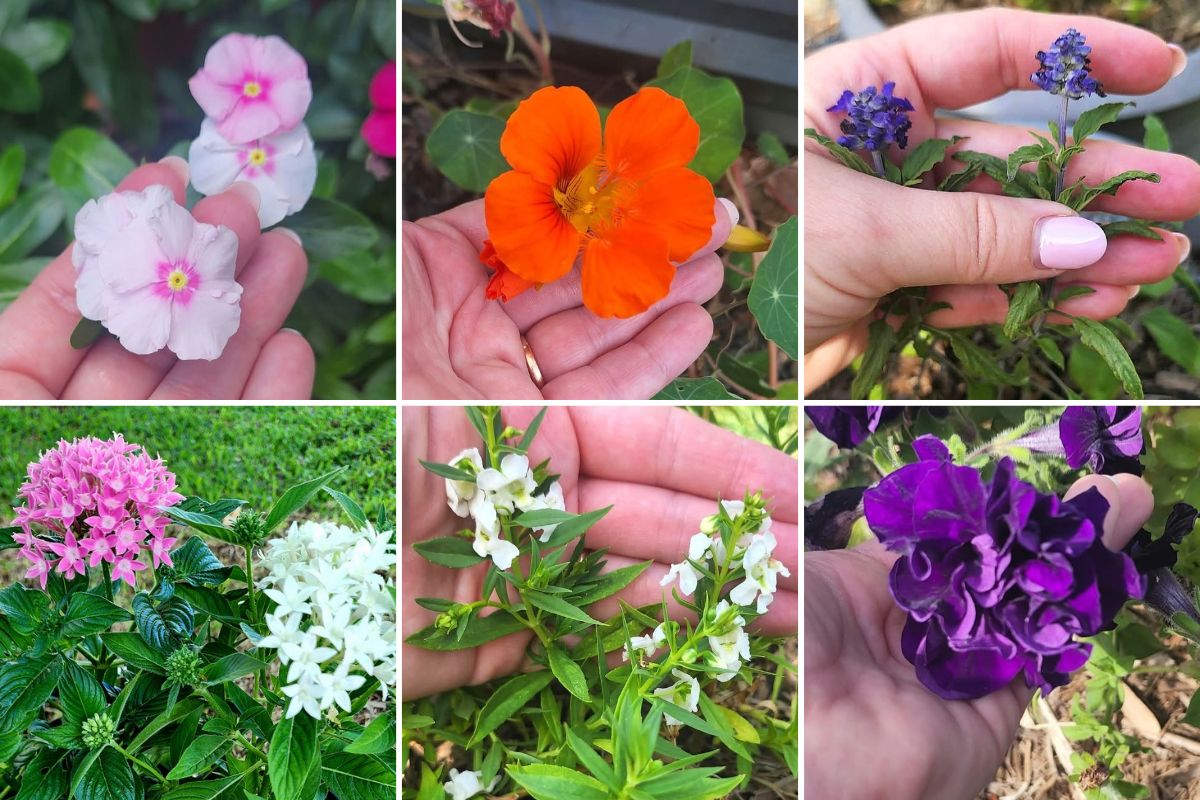
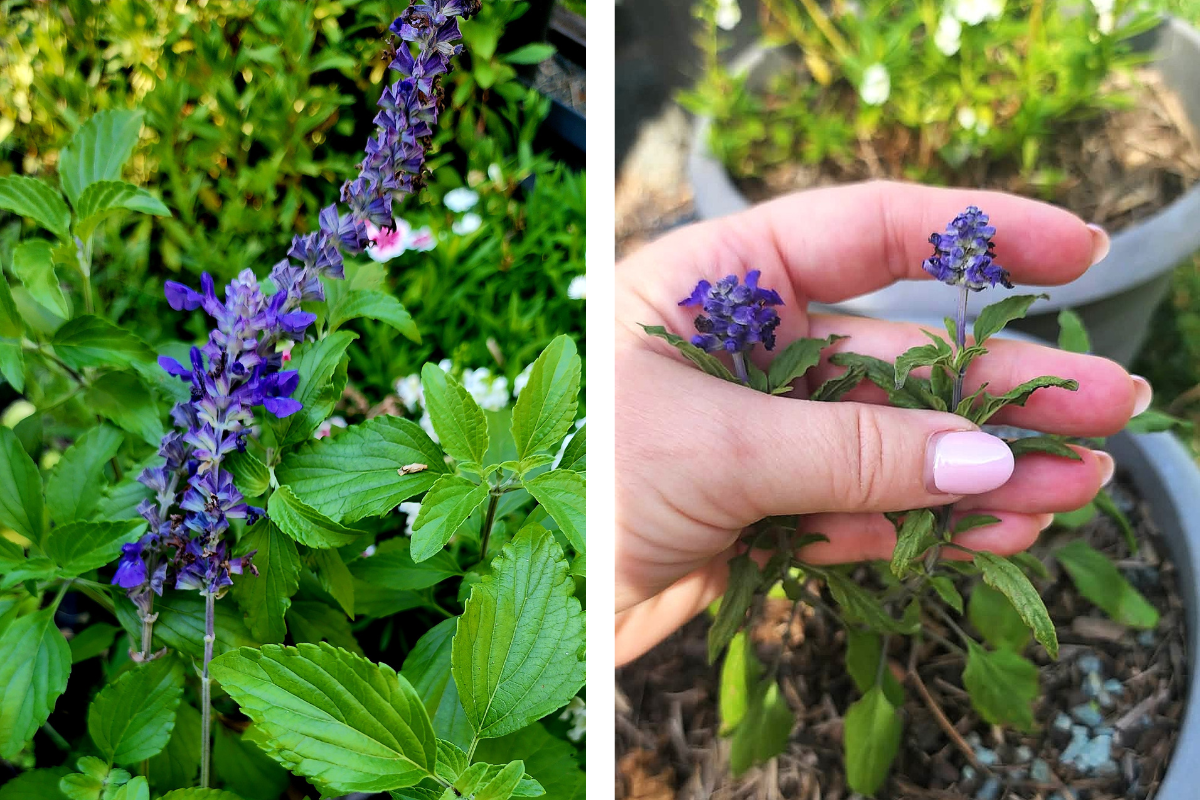
Salvias
Salvias are an excellent choice for attracting bees and butterflies. Their upright flower spikes also provide height amongst lower-growing flowers.
Colours: Purple, blue, pink, red and white.
Why grow them: Many salvias flower for extended periods, providing nectar for visiting pollinators. Bees are particularly fond of salvia varieties, while some also attract butterflies.
Having plenty of pollinators visiting your garden can improve pollination of crops such as zucchini, pumpkins and cucumbers. Planting salvias near vegetable beds may encourage more pollinator activity around these crops, although different species attract different insects.
Care: Most ornamental salvias prefer full sun and well-draining soil. Water regularly while they're establishing and during extended dry periods.
Don't be afraid to give them a haircut. Removing finished flower spikes encourages further flowering in many varieties, while cutting back leggy growth helps keep plants compact.
Many established perennial salvias respond well to a more substantial prune during active growth, although this depends on the variety. Avoid cutting into old, leafless wood unless the variety is known to recover well.
Petunias
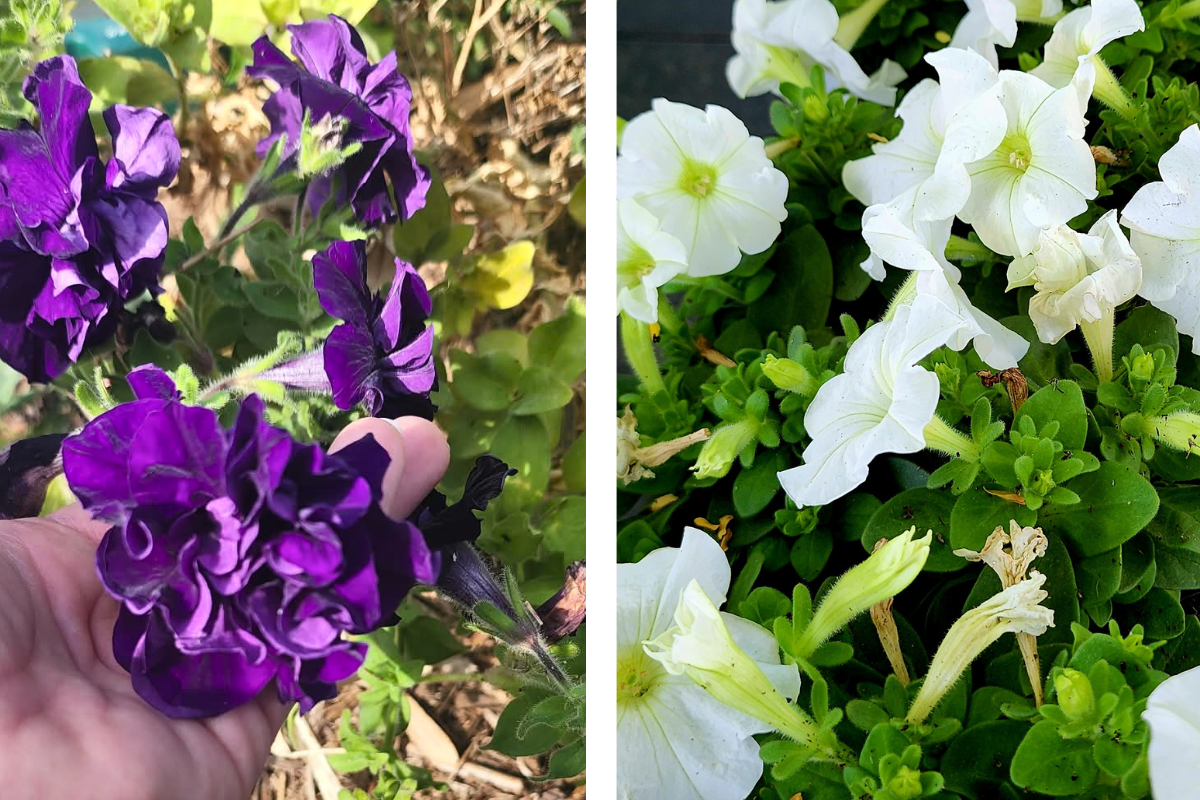
Petunias might look delicate, but they can be surprisingly tough when grown in the right conditions. Depending on the variety, they form compact mounds or trail over the sides of pots and hanging baskets.
Colours: Pink, purple, red and white, as well as striped, speckled and multicoloured varieties.
Why grow them: Petunias are hard to beat when you want plenty of flowers without waiting months for plants to fill out.
Petunias can attract visiting pollinators, including some bees and moths, although certain varieties are more appealing to insects than others. Single-flowered varieties are often more accessible to pollinators than heavily doubled flowers, which can make nectar and pollen harder to reach.
Care: Petunias need plenty of sunlight, regular watering and good drainage. Pots and hanging baskets dry out quickly, so check the soil frequently during hot weather.
Although petunias tolerate warmth, prolonged humidity and heavy summer rain can cause problems. In subtropical gardens, they often perform best during the milder months or somewhere sheltered from excessive rain.
When stems become long and straggly, cut them back to encourage fresh, bushier growth. Pot-grown petunias can also benefit from regular feeding with a flowering-plant fertiliser.
Nasturtiums
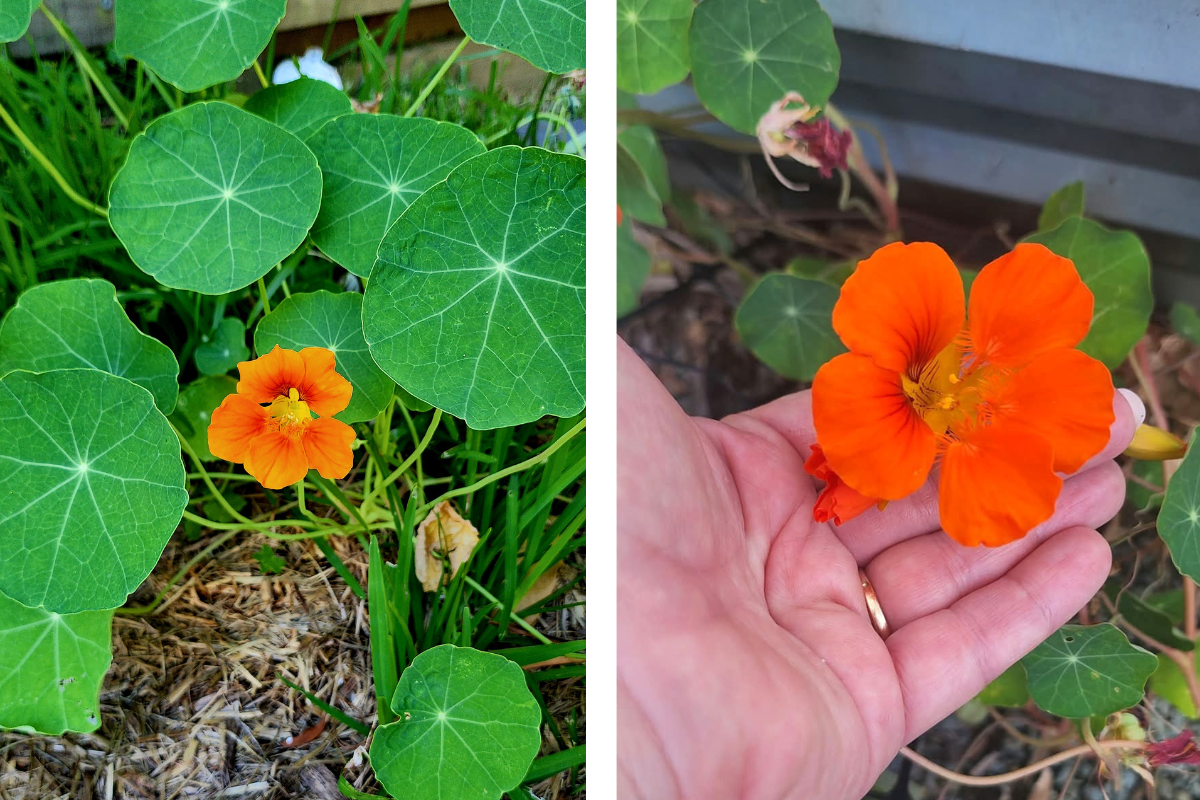
Nasturtiums are one of the most useful flowers to grow around a vegetable garden. Their distinctive round leaves are accompanied by bright flowers, and trailing varieties can tumble over the edges of raised beds and pots.
Colours: Most commonly yellow, orange and red.
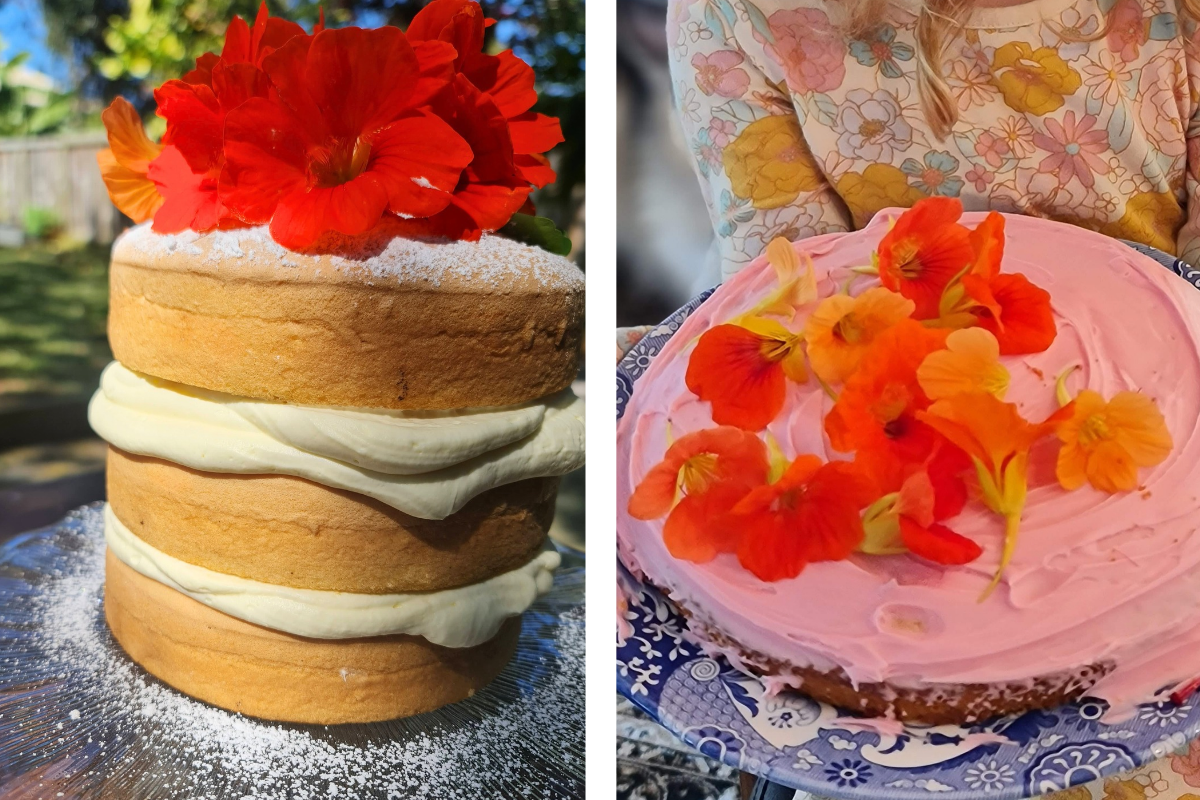
Why grow them: Nasturtiums are edible. Both the flowers and leaves have a peppery flavour and can be added to salads, cakes and other dishes that need a little flair. Just make sure they're correctly identified and haven't been treated with pesticides.
Their flowers also attract pollinators. Nasturtiums are sometimes grown as companion plants because they attract aphids, which may help draw some pests away from nearby vegetables.
Aphid colonies can also attract beneficial predators such as ladybirds, which feed on these pests. However, nasturtiums aren't a guaranteed pest-control solution, and infestations still need monitoring. Check plants regularly, as large aphid infestations may spread to nearby vegetables if left unmanaged.
Care: Grow nasturtiums in a sunny position with well-draining soil. They don't need particularly rich soil, and excessive fertiliser can encourage leaves rather than flowers.
Nasturtiums often perform best during the cooler months in subtropical gardens and may struggle with intense summer heat.
Water as needed, remove spent blooms and trim trailing stems to control their spread. Avoid severely cutting back plants that are already struggling with heat or nearing the end of their season.
Vincas
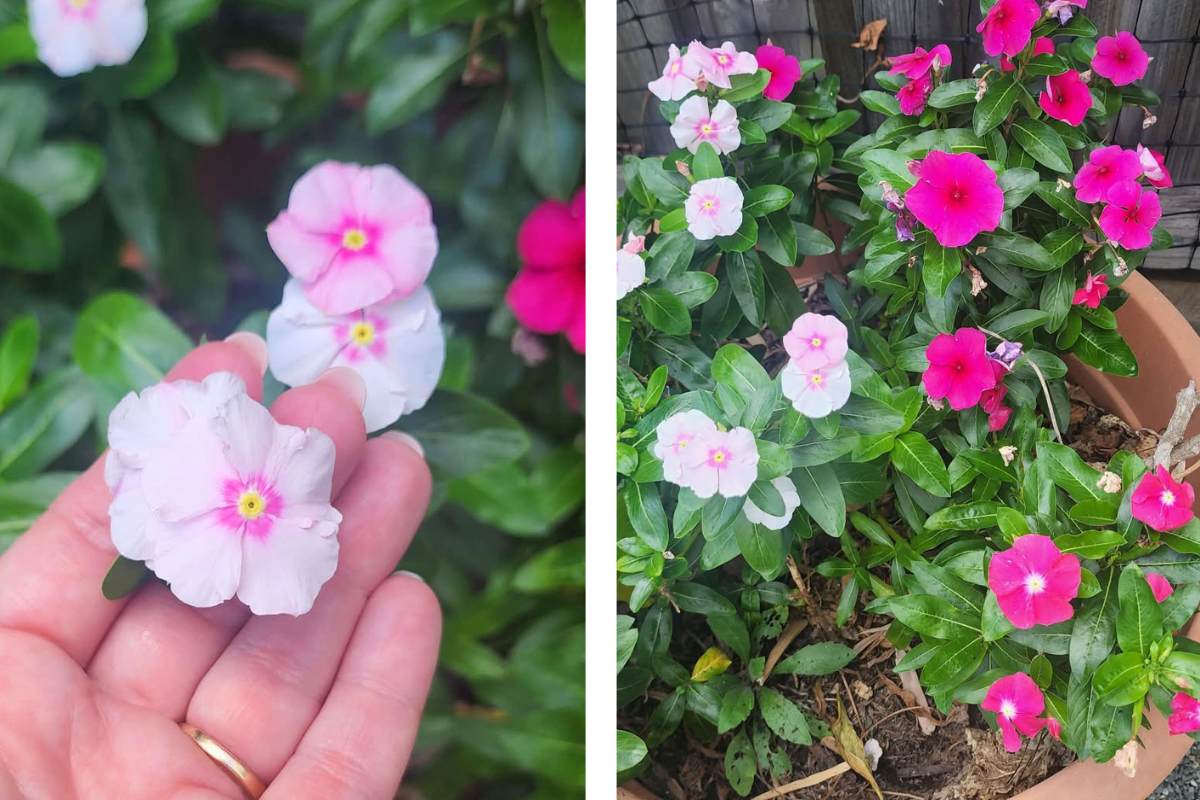
Vincas are remarkably hardy plants and one of our favourite choices for reliable colour during the warmer months. Annual vincas (Catharanthus roseus), also known as Madagascar periwinkles, produce simple flowers above glossy green foliage.
Colours: White, pink, red and purple, including varieties with contrasting centres.
Why grow them: Vincas love the heat. Once established, they tolerate short periods of dry weather and generally need very little attention, provided they have plenty of sunlight and good drainage. They're useful in garden beds, borders and pots, particularly in sunny positions.
Vinca flowers may attract occasional nectar-feeding insects, although other flowers, such as salvias and pentas, are more commonly recommended for pollinator gardens. Their main appeal is their ability to keep flowering through hot weather.
Care: Plant vincas in full sun with well-draining soil. They're sensitive to waterlogged conditions, so avoid overwatering and allow the top layer of soil to dry slightly between waterings.
For pots, use a premium potting mix. A little perlite can help improve drainage if the mix retains too much moisture.
Vincas generally don't need deadheading because spent flowers drop naturally. Lightly trim plants if they become leggy.
Angelonia
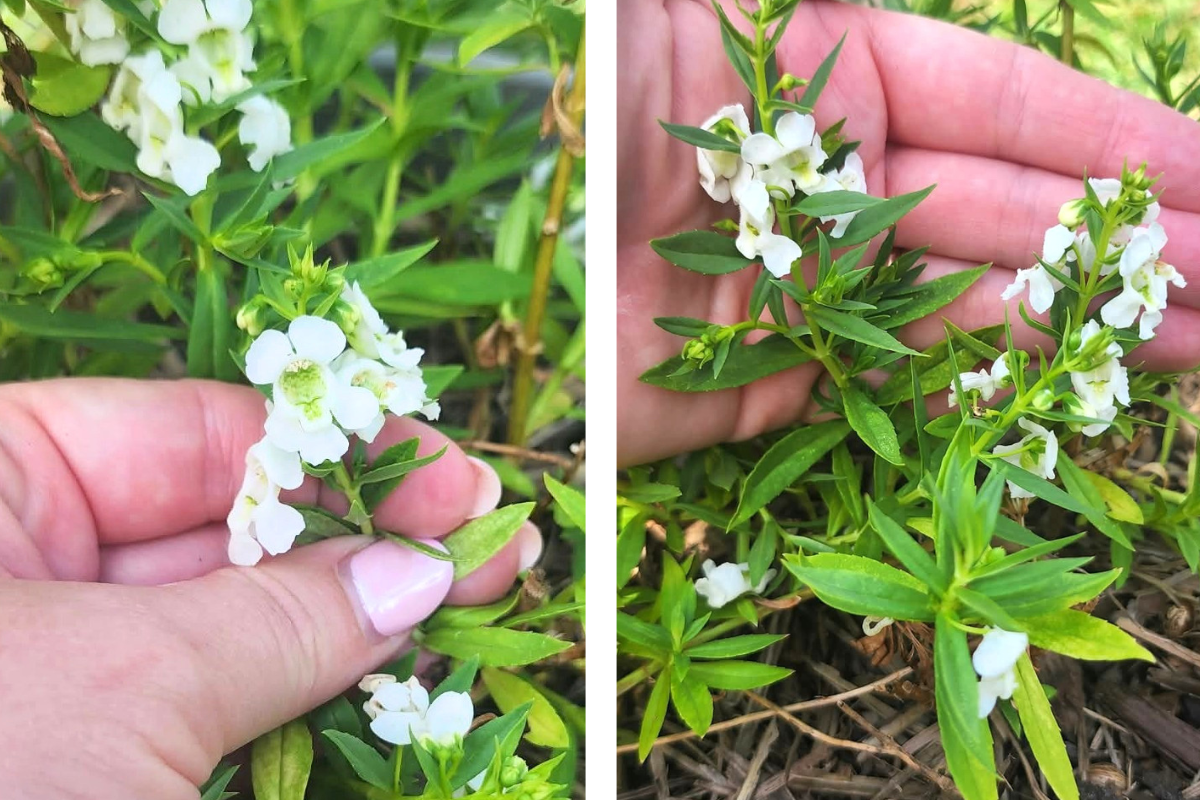
Angelonia, also known as summer snapdragon, produces upright spikes of flowers and performs particularly well in warm weather.
Colours: Purple, pink, white and blue-violet.
Why grow it: Angelonia handles heat well and can continue flowering when more delicate plants are looking tired.
Angelonia flowers may attract visiting bees, although the insects they attract will vary depending on the variety and location. Their extended flowering period also adds colour throughout the warmer months.
Its upright growth also makes it useful in pots, borders and mixed flower beds.
Care: Choose a sunny position with well-draining soil. Water regularly while the plant establishes and during extended dry periods, but avoid keeping the roots constantly wet.
Trim finished flower stems and leggy growth to encourage fresh shoots. Healthy, established angelonia plants may also benefit from a more substantial cutback during active growth, provided enough green growth remains.
Pentas
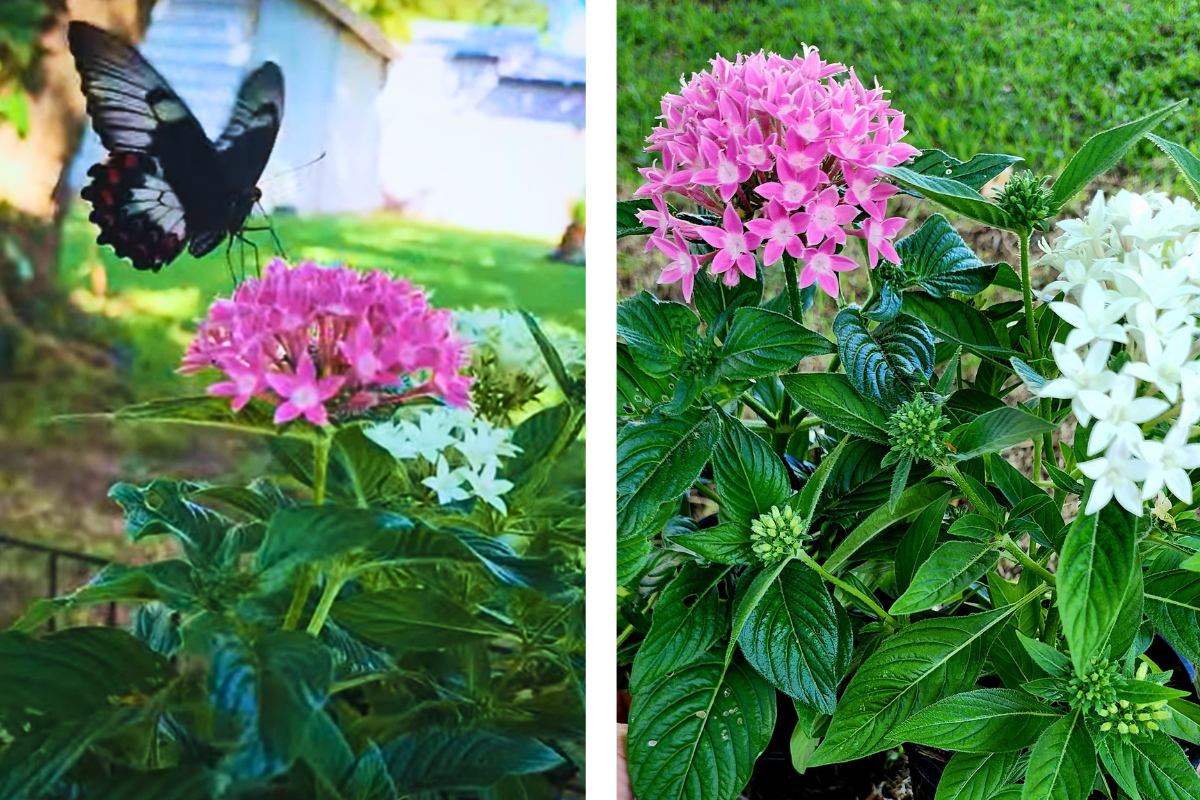
Pentas produce clusters of small, star-shaped flowers and are one of our top choices for attracting butterflies.
Colours: Pink, red, lavender and white.
Why grow them: Pentas are well suited to warm, subtropical gardens. Their nectar-rich flowers attract butterflies and other pollinators, making them especially useful in gardens where insect activity is a priority.
Because established plants can flower over long periods, they provide a relatively consistent nectar source.
They work well in garden beds and larger pots, with compact varieties available for smaller spaces.
Care: Plant pentas in a sunny position with well-draining soil. Water regularly while establishing and during extended dry weather, but avoid waterlogged conditions.
Remove old flower clusters and trim back long stems to encourage bushier growth. Established pentas can often tolerate a more substantial prune during warm weather, although excessive pruning may temporarily reduce flowering.
What Your Flowers Need to Thrive
A few basics can help flowering plants thrive:
- Potting mix: Choose a premium mix for containers.
- Mushroom compost: Can help improve garden soil when used in moderation, although it may not suit every plant or soil type.
- Perlite: Improves aeration and drainage in potting mixes.
- Sugar cane mulch: Helps retain moisture and regulate soil temperature. Keep it away from stems.
- Fertiliser: Feed container-grown flowers when needed, but avoid overfeeding vincas and nasturtiums.
- Water: Ensure good drainage and water regularly while plants establish.
Don't Be Afraid to Cut Your Flowers Back
Knowing when to prune can make a remarkable difference to flowering plants.
Removing spent flowers, known as deadheading, encourages some plants to keep blooming rather than producing seeds. Cutting back leggy stems can also promote bushier growth and another flush of flowers.
Petunias can benefit from having long stems shortened by one-third to one-half. Salvias, pentas and angelonia also respond well to pruning during active growth.
Nasturtiums generally need only spent flowers and excessive growth removed, while vincas are self-cleaning and rarely need more than a light trim.
Use clean, sharp secateurs and avoid severe pruning during extreme weather.
If you're gardening for pollinators, stagger your pruning rather than removing every flower at once. This helps maintain a nectar supply while plants recover.
Flowers That Earn Their Place
A colourful garden can offer more than something nice to look at.
Growing a mixture of flowers can provide food for bees, butterflies and other beneficial insects while encouraging pollination around vegetables and fruit trees.
Not every variety performs year-round, so choose plants suited to your conditions and include different flowering species, including suitable natives.
Keep them watered while establishing, prune when needed and enjoy the extra activity they bring to your garden.
Article & Photographs by Julia Lewis