
Did you know our flowers aren't just a beautiful pop of colour? (Although I'm tempted to believe they could be!) Yes, they fill our homes with colour, give us something to look forward to, and bring a burst of joy as we watch the seasons change in the garden. There is nothing truly more pleasing to a gardener's eye than seeing that first sprout and watching the journey unfold.
You may see a flower in all its beauty, but behind the scenes - in ways we don't even see - our flowers are working hard for our ecosystems to survive.
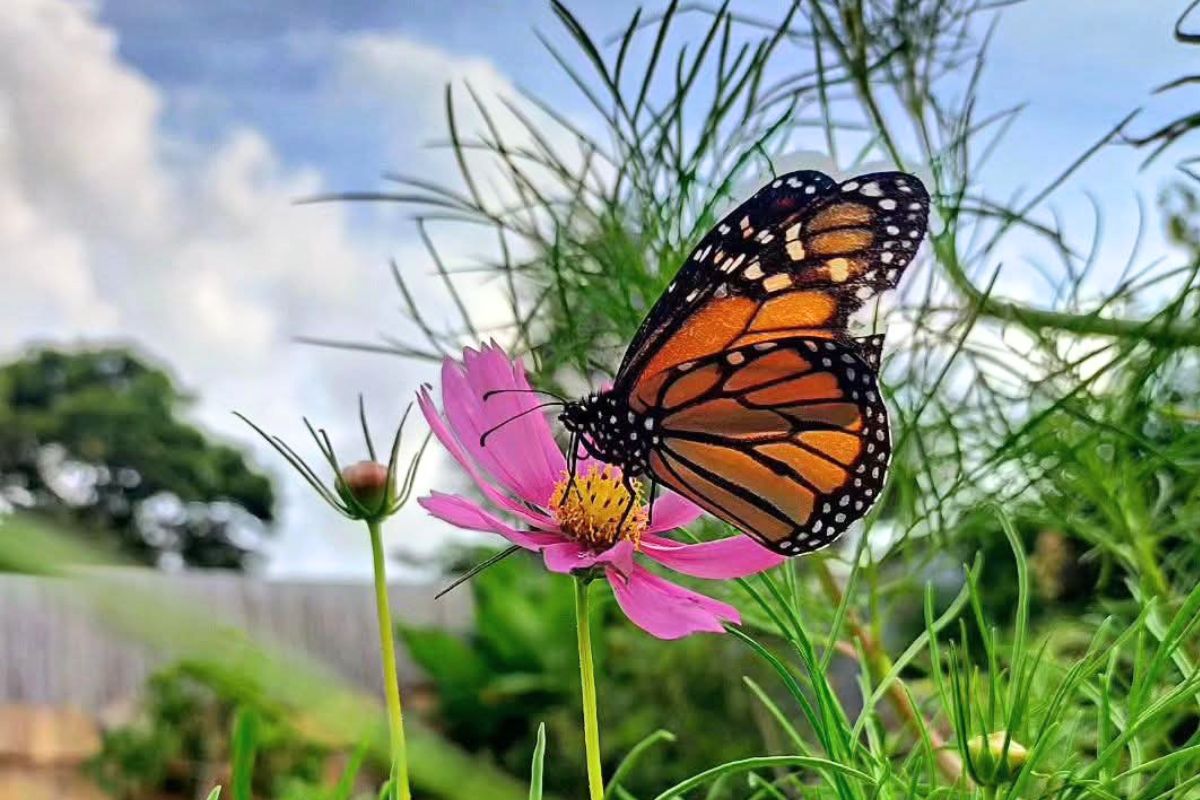
Pollinators such as bees, butterflies, moths, beetles and birds rely on our flowering gardens.
How and why?
Our flowers produce pollen and nectar, which are an integral part of a pollinator's diet. Pollen can be described as a powdery substance, while nectar is a sweet liquid.
So, what is the difference?
Pollen: Think of pollen like protein. Pollen is found on the male parts of a flower (the stamen). Insects brush against pollen, and the powder clings to their fur, hair, or legs. Honeybees (Apis mellifera) have what we call pollen baskets. Their hind legs have special structures called corbiculae, where they store up tiny grains of pollen before taking them back to their hive.
Nectar: is what our incredible pollinators use for energy. It is located at the base of a flower and is usually made to entice pollinators to visit. An easy way to picture this: have you ever seen a plant run or walk? I'd hope not! Flowers are rooted in place, they can't just hop off to swap genetic material, which is exactly why they rely on insects to move it for them. Nectar entices our pollinators to bury down into the flower. As they drink, they take the pollen, which will transfer to another flower when they visit. Clever, huh?!
Fun fact: Bees are one of the very few pollinators that collect pollen on purpose! Because pollen is a bee's primary food source, they collect it intentionally. Other insects accidentally collect it thanks to the tasty nectar they were enticed by; therefore, a lot of pollination happens by accident. Rather funny, but can you start to see now why flowers are important, and why they are so much more than a pretty face to look at?
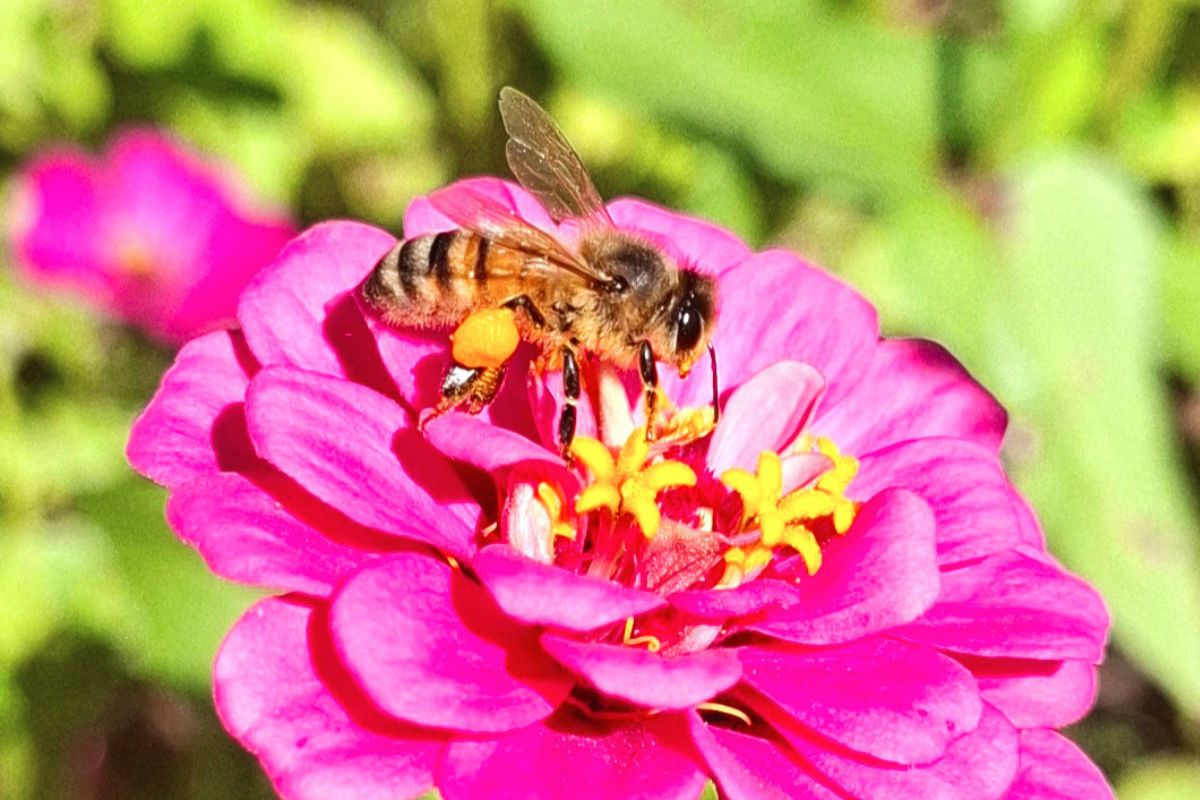 Can you spot this bee's pollen baskets?
We can see a cycle, and it looks like this
flower ➝ pollinator ➝ pollination ➝ fruit ➝ seed ➝ new plant
It is true, though, that some plants are self-pollinating and therefore don't need pollinators. The wind is also a clever source of pollination - corn is a vegetable that relies almost entirely on wind.
However, apples, cucumbers, zucchini and pumpkins (to name just a few) require pollination by pollinators. If they don't get the fertilisation they need, the plants will drop their flowers.
No fruit = no food. Our farms rely on pollination!
.jpg)
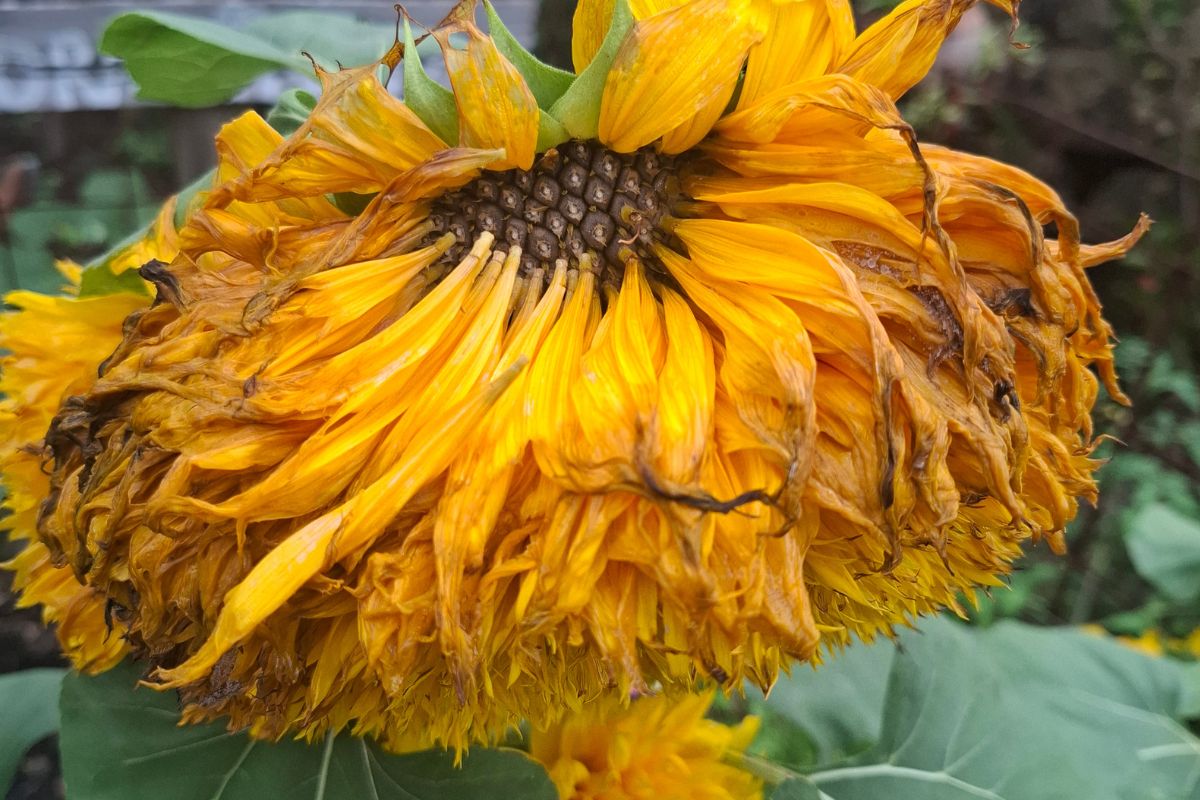
The sunflower is a prime example of pollination. Those seeds didn't just appear; once the flower had been pollinated and fertilised, it developed tiny seeds under the florets. Yes, it looks messy watching the petals drop, but my favourite thing to do now is wait. Once the petals have dropped, I'll cut the head, hang it up to dry, and harvest the seeds to replant - unless, of course, the birds find them first.
We can get so focused on harvesting our crops - or for me, a big bunch of beautiful blooms for my dining table that we forget those flowers came first, and our tiny pollinators play the big role in what happens next.
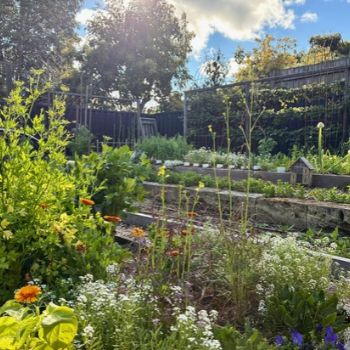
Creating a flower garden can support our pollinators, whether it provides a food source or shelter.
Have you ever seen a carpenter bee resting in the face of a poppy flower? It's a pretty special moment to witness, and another reminder of why a flower garden is more than colour or a food source: it's a habitat. It's a place to stop and rest, regain energy, or finish a lifecycle - like a butterfly emerging from her cocoon on a citrus tree.
So, where should you begin in creating a flower garden?
Great question! You don't need a big space to plant!
- Start small: Take a look around. Let's not focus on an overnight achievement. Do you have flowers already in bloom? Did you know pollinators need flowers throughout different seasons? Not everything flowers at once, so even planting a variety can make a huge difference.
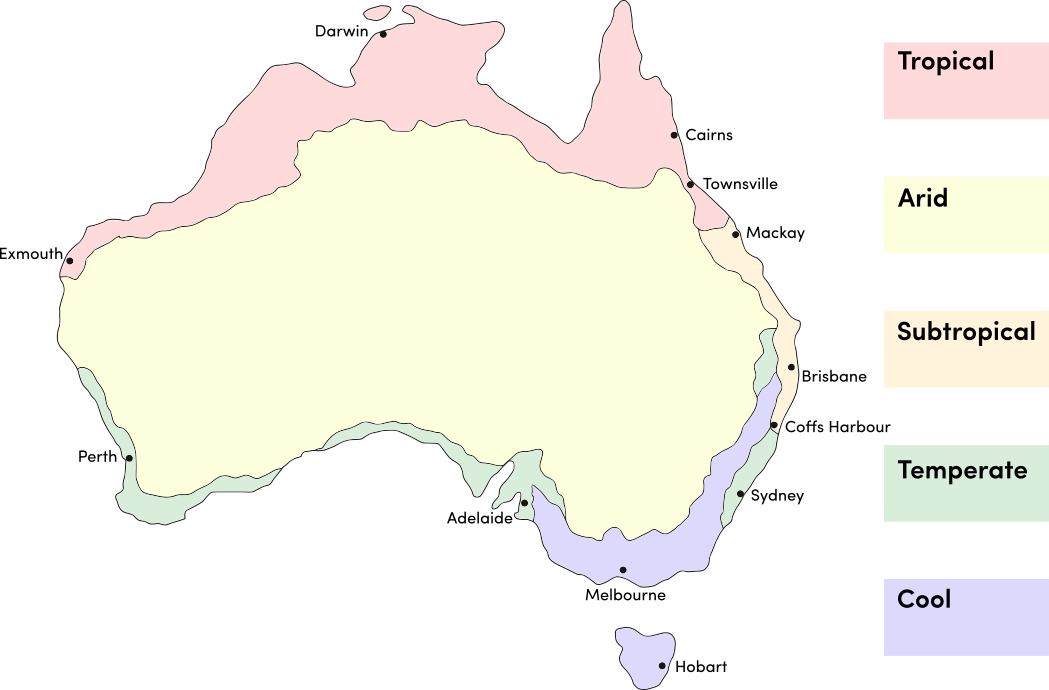
- Do your research: Find out what will grow in your climate and when to plant it. You can use the search filters on this site to select your region, climate and what you're looking at growing to find the right seeds. Don't just buy a flower because it looks pretty. Look at its sunlight, soil, and watering needs compared to what your garden offers.
- Leave the dry flowers: If you have flowers already, don't be afraid to leave them to dry up. This is a natural part of gardening and could start the cycle again for our pollinators. I personally love leaving zinnia flowers over spring and summer as they will keep reseeding.
- Mix it up: Choose different flower shapes and colours. What attracts bees may not necessarily attract birds. Bees love purples and blues, but what other colours bring in pollinators? Get learning! Remember, you can mix vegetables, herbs, and flowers to create a diverse garden.
- Embrace trial and error: Don't be afraid to make mistakes. Gardening is all trial and error, alongside a dash of science and a smidge of patience. What works one year may not work another.
- Enjoy the process: Lastly, don't forget to enjoy your garden. It doesn't need to be Pinterest-worthy to be enjoyed. Let the herbs go to seed, or leave a patch of weeds for the bees. Watch the pollinators that visit, and take time to appreciate them by photographing or journaling. If you have children, involve them by having them draw or count what they see!
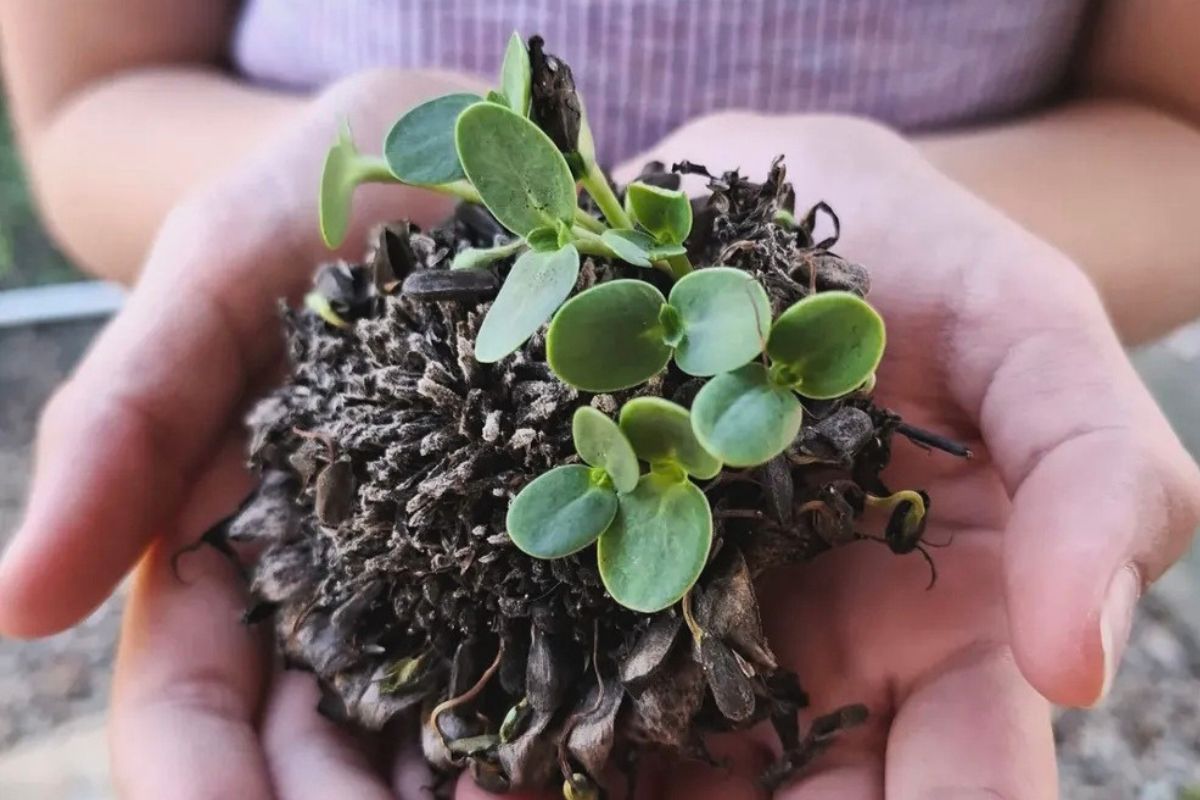
Be it a vegetable garden, a flower garden, a balcony garden, or a few small pot plants—start small, start somewhere. Next time you see a flower in bloom, remember it isn't just a pretty face. Take time to not only stop and smell the roses, but look a little closer. That flower you planted could be providing food, genetics, or shelter for a little pollinator, and those pollinators make a big difference to our gardens.
Happy gardening!
Article & Photographs by Jess Kuronen