
The butterfly pea plant is known for its bright blue flowers, but they also hide a fun science trick. They contain anthocyanins, which change colour when exposed to acids or alkalis. Crushing these flowers with water creates a natural dark blue watercolour and when you add simple ingredients like lemon juice or bicarb, the water magically transforms into a range of different colours.
Creating your own botanical paint requires just a few simple items, making it an excellent nature based play activity.
What you will Need
- Fresh or dried butterfly pea flowers
- A mortar and pestle (or a bowl and a spoon)
- Water and watercolour paper (normal paper is fine too)
- Paintbrushes, fingers, cotton buds or natural tools like leaves and sticks
- Lemon or lime juice (for acidity)
- Bicarbonate of soda or "bicarb" (for alkalinity)
How to Make the Paint
Step 1- Crush the Flowers:
Begin by placing your butterfly pea flowers into the mortar and pestle and crush them until they are broken down into small pieces. If you don't have a mortar and pestle, a bowl and the back of a spoon work just as well.
Step 2- Extract the Colour:
Slowly mix a small amount of water into the crushed petals. The water will draw out the anthocyanin pigments leaving a deep blue colour. You can adjust the amount of water you add depending on how strong you want the colour to be.
Step 3- Start Painting:
Now you have a vibrant, natural blue watercolour, you can start creating! If you'd like to know how to change the colours, keep reading.
The Colour Changing Magic
Exploring pH:
Once you've created the blue watercolour, curiosity really takes over. Because the watercolour is a natural pH indicator, adding new substances will cause the colours to change right before your eyes. You can mix these additions directly into the paint palette, or paint over your existing blue artwork with lemon or bicarb mixed in water.
Creating Purple and Pink (Acidic):
Add a few drops of lemon or lime juice to your blue paint. The acidity alters the structure of the pigment molecules, triggering a dramatic colour transformation through purple and into soft pink tones.
Creating Teal and Blue-Green (Alkaline):
To see the opposite reaction, dissolve a tiny pinch of bicarbonate soda in a small amount of water first. Add this alkaline mixture drop by drop to the blue paint and watch as the colour shifts towards earthy blue-green and teal tones.
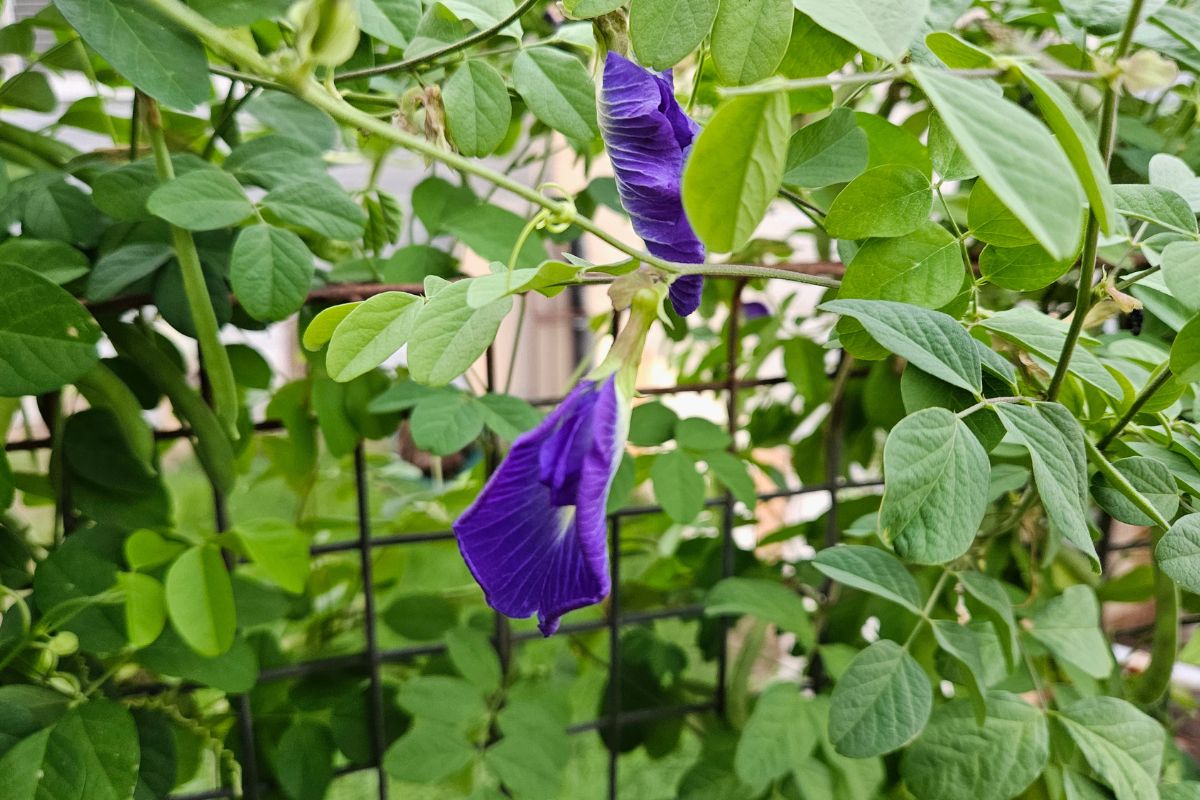 Blue Butterfly Pea flowers on the vine.
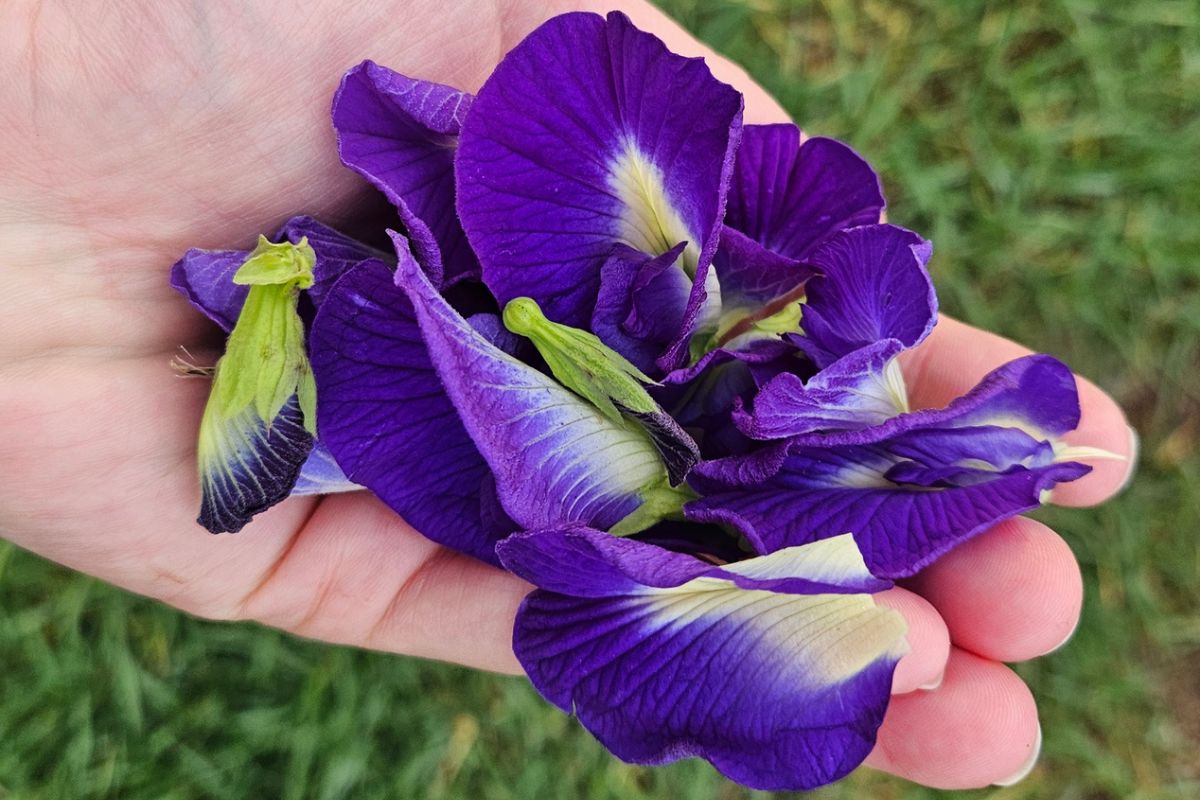 Pick some fresh flowers.
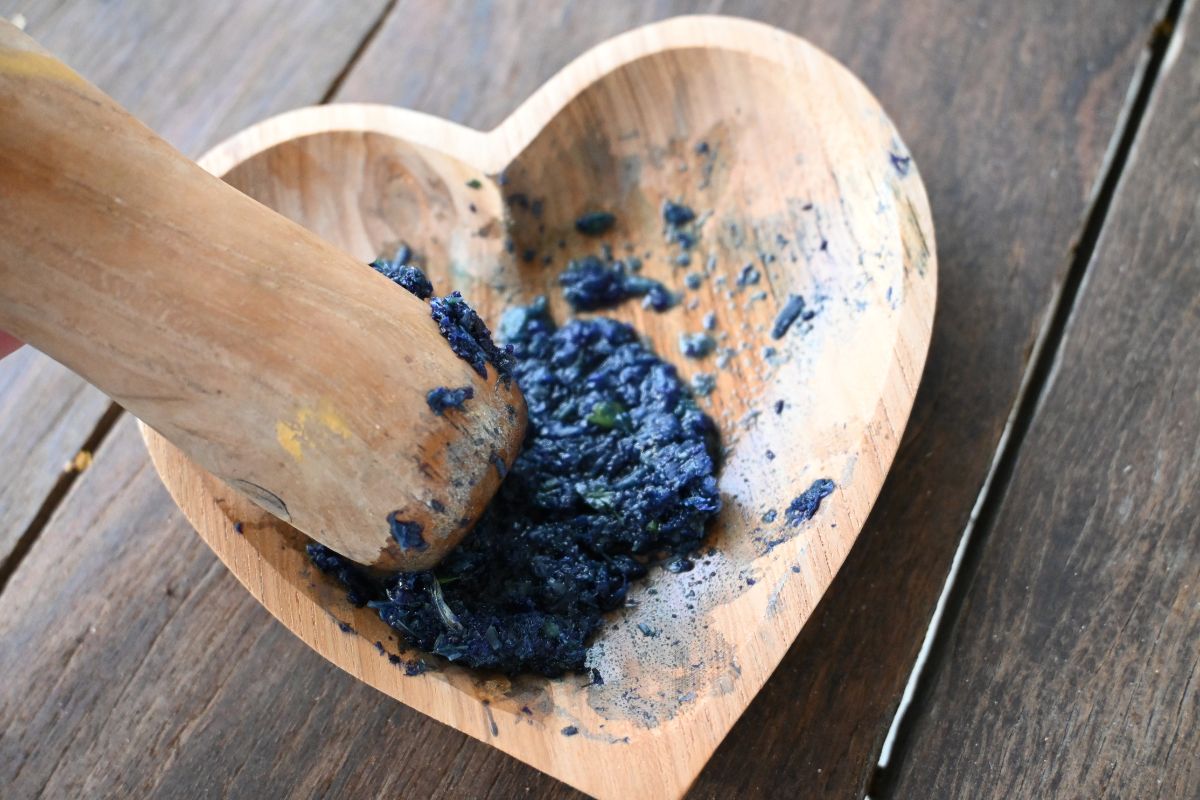 Crush the flowers well to form a paste.
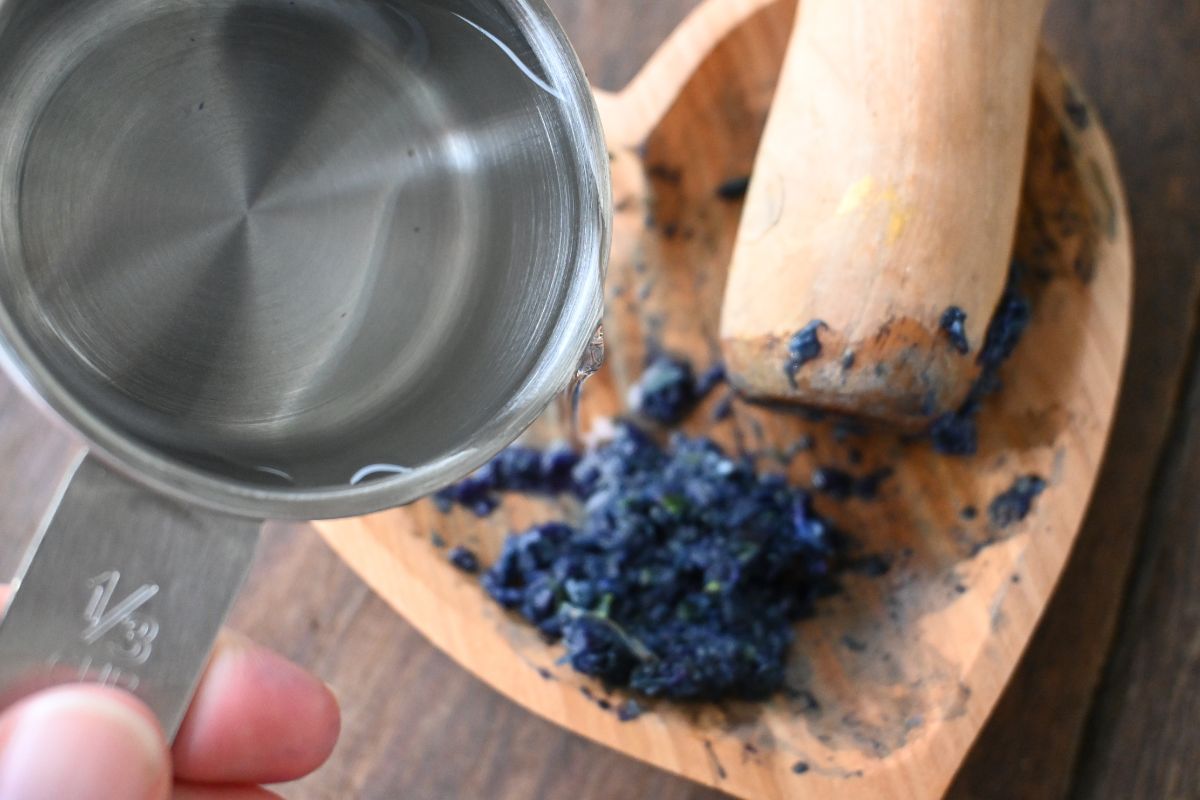 Add water to dilute the paste.
.jpg) Add an acid or alkali to each colour space to create different colours.
Add an acid or alkali to each colour space to create different colours.
.jpg) Examples of the colours you can create.
Examples of the colours you can create.
.jpg) Now it's time to start painting.
Now it's time to start painting.
Inspiration & Media from our customer Joy
 @our_joyful_home.