Climate Zones for Australian Gardeners
Knowing your climate zone will help you decide the best time to sow the vegetables, herbs and flowers you want to grow, and which varieties should perform well in your garden. Growing plants that are suited to your climate zone will usually give you the best results in your garden.
How to Use Climate Zones
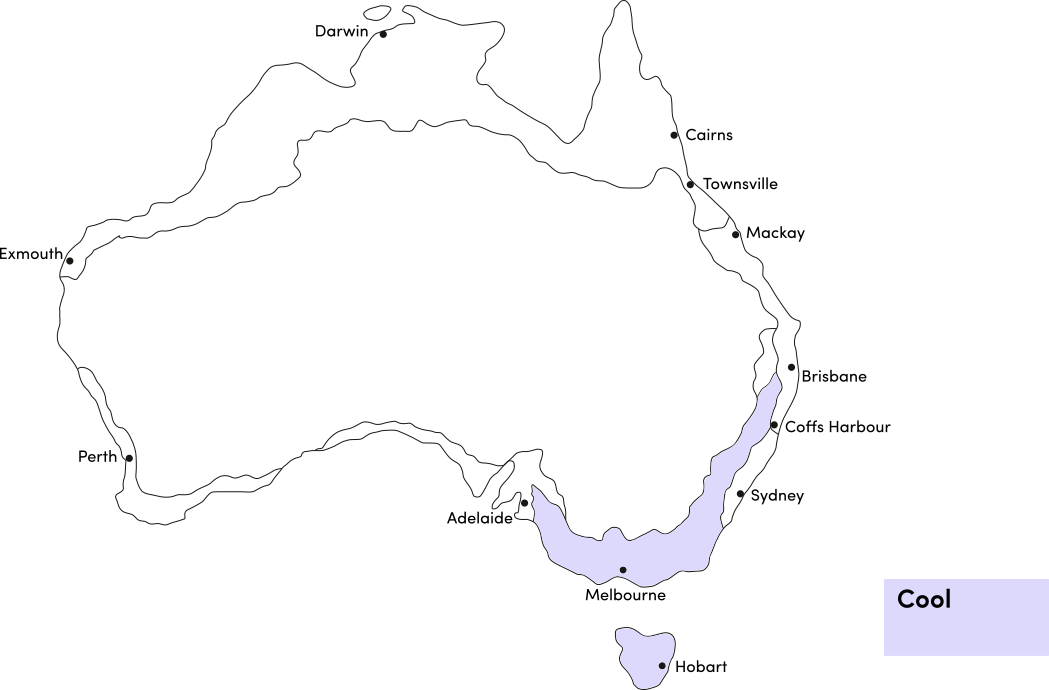
First, find your climate zone using the map or descriptions below. Next, refer to our sowing chart, which provides approximate sowing times for our most popular seeds for each climate zone.
While knowing your climate zone is helpful when planning your garden, there are many other factors that may affect how your plants grow, including unseasonal weather conditions, the specific microclimate of your garden and how you care for your plants. You know your garden better than us, so if a different climate zone seems to ‘fit’ your garden better, go ahead and use it as a guide.
Our climate zones cover huge areas of Australia, so we recommend gardeners also consider their local conditions when planning what and when to plant. For example, gardeners in alpine areas have shorter growing seasons than gardeners in cool coastal areas, even though both alpine and coastal areas are included in our ‘Cool Temperate’ climate zone. We recommend gardeners in cool regions look at the ‘days to maturity’ information provided for each variety and choose those that will mature in a short (6-12 week) growing season.
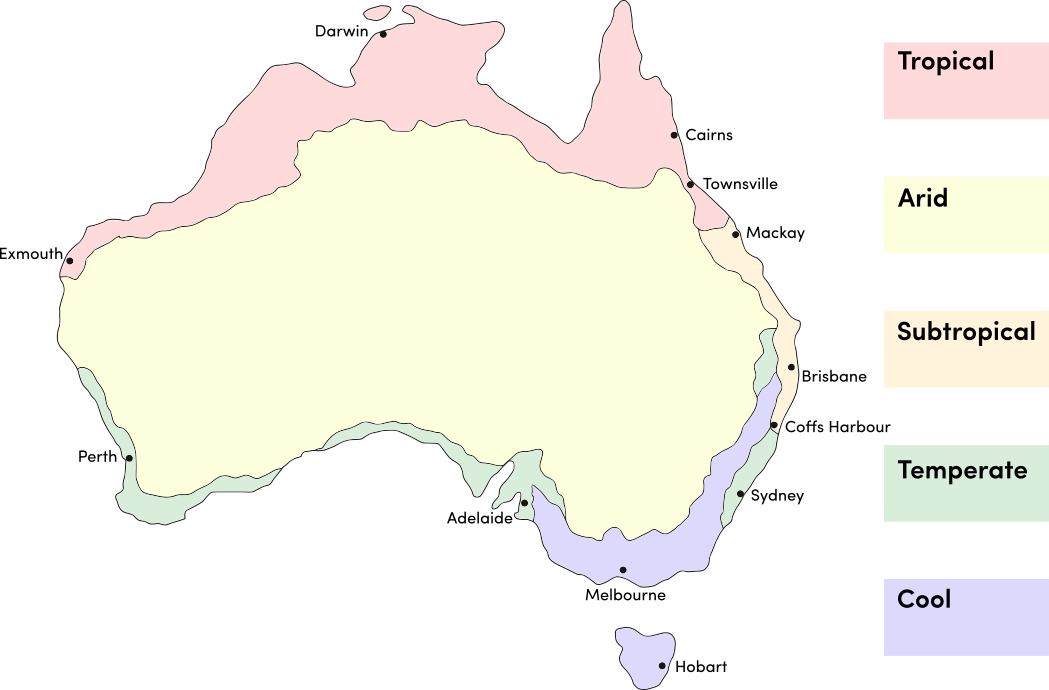
Tropical
- Includes: Darwin, Cairns, Townsville, Exmouth
- High humidity summers with most rainfall in summer and dry, warm winters. Includes northern Australia from Exmouth (WA) across to south of Townsville (Qld).
- Set as my climate
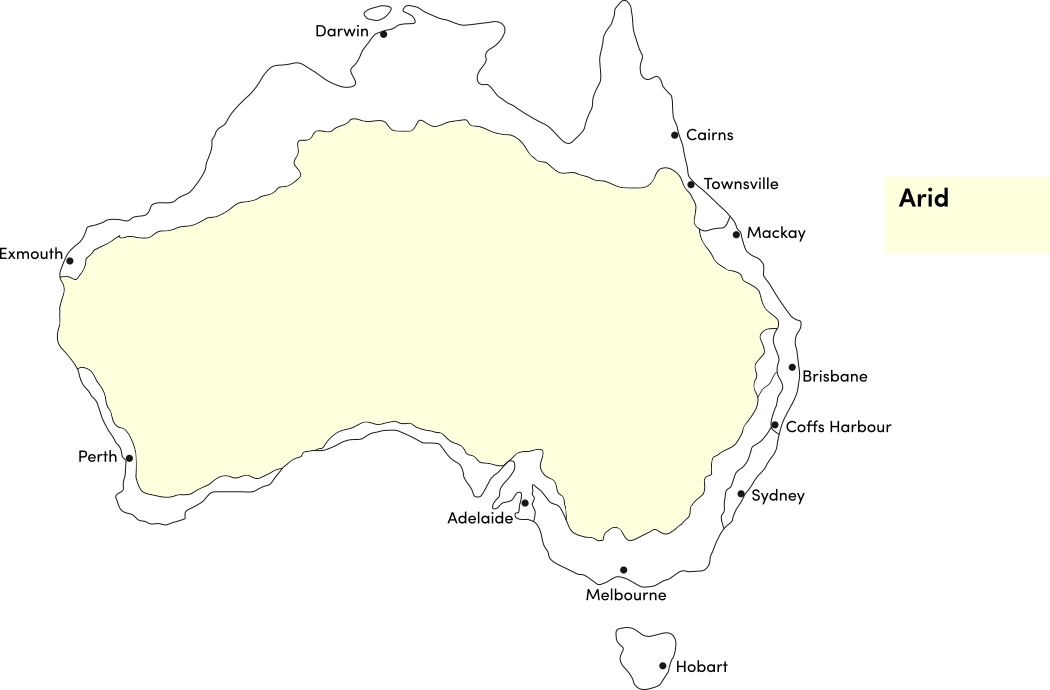
Arid
- Includes: Alice Springs, Mildura, Albury-Wodonga, Shepparton, Wagga Wagga, Dubbo
- Hot dry summers, winters can be warm or cool depending on the region. Includes a large area of central Australia from the WA coast to Charleville (Qld), Tamworth (NSW) and Albury-Wodonga (NSW/Vic).
- Set as my climate
Subtropical
- Includes: Brisbane, Bundaberg, Coffs Harbour, Gold Coast, Hervey Bay, Mackay, Rockhampton, Sunshine Coast
- Warm humid summers with high summer rainfall and mild winters. Includes coastal Queensland and northern NSW from north of Mackay to just south of Coffs Harbour.
- Set as my climate
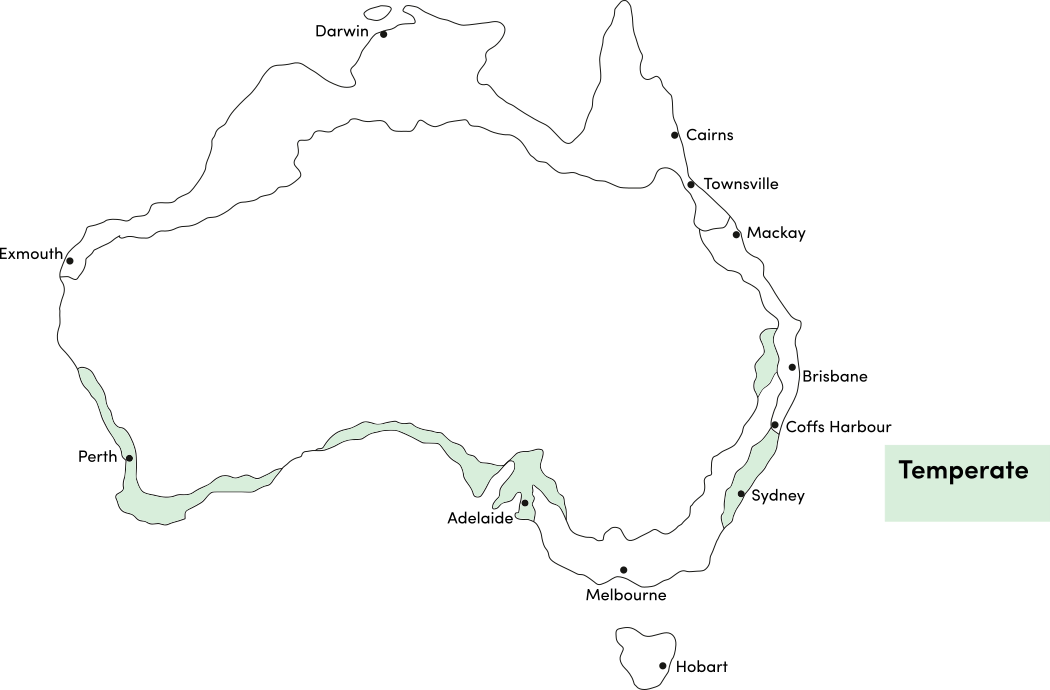
Temperate
- Includes: Sydney, Perth, Adelaide, Newcastle, Toowoomba, Central Coast NSW, Wollongong, Bunbury
- Moderate humidity and reliable rainfall, with four distinct seasons. Includes coastal areas from north of Port Macquarie to south of Woollongong in NSW, coastal SA and the southeastern coast of WA.
- Set as my climate
Cool Temperate
- Includes: Melbourne, Canberra, Hobart, Launceston, Ballarat, Bendigo, Geelong, Mt Gambier
- Low humidity with most rainfall in winter; hot dry summers and cold winters. Some regions will experience frosts and snow. Includes coastal areas of south-eastern Australia and alpine areas of Victoria, NSW and Tasmania.
- Set as my climate
Climate Zones FAQ
What if I can’t find my climate zone?
If you can’t locate your zone from looking at the map or the descriptions on this page, we suggest that you think of
an area that has a climate that’s similar to yours and use the zone for that area as a guide.
What if I live on the border of two zones?
If you live near the border between two zones we suggest you read the descriptions for both zones and decide which
best describes the climate where you live. Depending on the microclimate in your garden, you may be able to grow a
wider range of plants over a longer season than others in your zone. Lucky you!
What is a microclimate?
A microclimate is a small area where the temperature or humidity differs to the climate of the surrounding area. For
example, if you live in a climate zone where frosts are common but your garden is protected by buildings or large
trees, your garden may be frost-free. Similarly, if you live in a warm temperate zone but your garden is at a high
altitude your microclimate may have more in common with the cool temperate zone, so use this as a guide when
deciding which zone is relevant to you.
Can I grow varieties not listed for my climate zone?
While our climate zones and sowing chart will help you decide what is suitable to plant in your garden, they provide
general guidance only. We recommend you start by sowing seed that’s recommended for your climate zone; once you get
a few successes under your belt you can experiment with varieties in neighbouring zones and see how you go –
gardening is all about experimenting after all!

Seed Subscription: Vegetable, Temperate Climate, Summer 2025
Description
Seed Subscription: Vegetable, Temperate Climate, Summer 2025
Subscriptions are an excellent way to explore new seed varieties without having to spend time choosing the seeds yourself, and are perfect for busy gardeners, delivering seeds and all the information you need to plant them directly to your letterbox.
Each season we’ll choose a selection of seed varieties tailored to your climate, and send you the seeds plus a colour information sheet with photos, tips and sowing information - all you need to do is plant!
You are currently viewing a single season of seeds which can be purchased individually. To subscribe to a years worth of seeds click here.
Seeds included in this subscription:
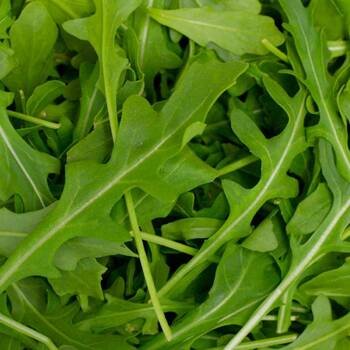
Rocket
Annual plant growing to 100cm. Has large, green, serrated leaves with a peppery taste. Mainly used in salads but can be cooked. Best when leaves are young and tender. Tolerates cold. Also known as Arugula and Roquette.
Sow direct or raise seedlings, 3mm. Germination 7-21 days @ 15-20°C.Annual. Rows 40cm, Height 100cm, Spacing 40cm. 60 days.
Best months in Temperate Climates: FEB MAR AUG SEP OCT NOV (Click for full sowing chart, grow guide and more)
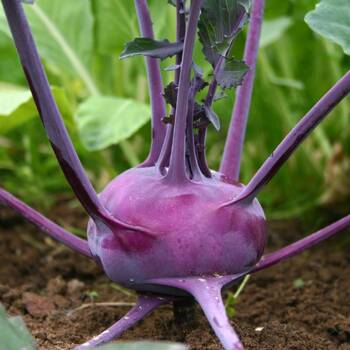
Kohlrabi- Purple Vienna
Purple skin with crisp white flesh; tender and sweet. Excellent flavour; can be eaten raw or cooked. Good in salads, soups and stews.
Sow direct, 5mm. Germination 3-10 days @ 16-27°C.Biennial (usually grown as an annual). Rows 40cm, Spacing 20cm. 55-75 days.
Best months in Temperate Climates: JAN FEB MAR APR AUG SEP OCT NOV DEC (Click for full sowing chart, grow guide and more)
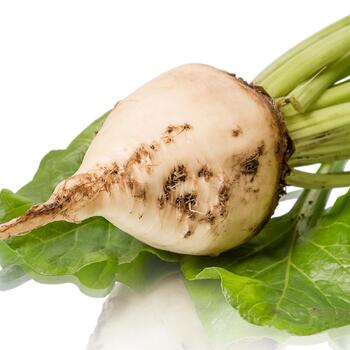
Beetroot- White
White skin with white flesh. Sweet flavour. Will not change the colour of other vegetables when cooked together like red beets. Good for boiling, pickling and baking.
Sow direct, 15mm. Germination 5-10 days @ 10-30°C.Biennial (usually grown as an annual). Rows 50cm, Spacing 10cm. 60 days.
Best months in Temperate Climates: JAN FEB MAR APR JUL AUG SEP OCT NOV DEC (Click for full sowing chart, grow guide and more)
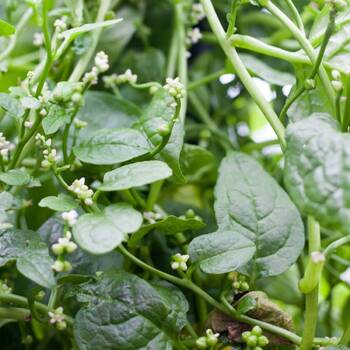
Malabar Spinach- Green
Malabar spinach, a frost-tender perennial vine, is grown as an annual in cooler climates. It has soft stems, succulent leaves, and is a vigorous climber. The leaves resemble true spinach and are used as a substitute in salads and as a leaf vegetable.
Sow direct, 10mm. Germination 10-21 days @ 24-30°C.Perennial (grown as an annual in cool climates). Spacing 20cm. 60-70 days.
Best months in Temperate Climates: JAN FEB SEP OCT NOV DEC (Click for full sowing chart, grow guide and more)
-
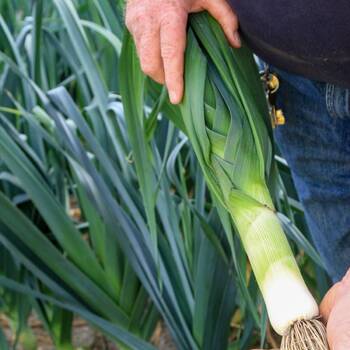
Leek- Elephant
Large leeks that can grow up to 10cm in diameter. Good flavour. Perfect for salads, stews, soups, stir-fries and steamed.
Sow direct or raise seedlings, 5mm. Germination 10-14 days @ 18-23°C.Biennial (usually grown as an annual). Rows 45cm, Spacing 12cm. 100 days.
Best months in Temperate Climates: JAN FEB MAR APR AUG SEP OCT NOV DEC (Click for full sowing chart, grow guide and more)
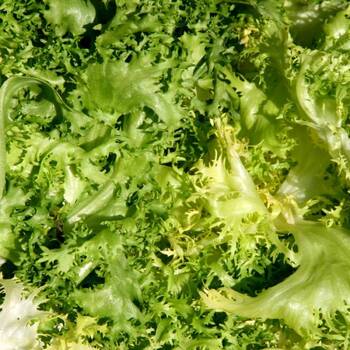
Endive- Green Curled Ruffec
Well know variety. Curled crispy dark green leaves. Resistant to cold very wet conditions. Commonly used raw as a salad green but can be eaten cooked in stir-fries, soups or stews.
Sow direct or raise seedlings, 5mm. Germination 4-7 days @ 15-18°C.Annual. Rows 50cm, Height 20cm, Spacing 30cm. 90 days.
Best months in Temperate Climates: FEB MAR APR AUG SEP OCT NOV (Click for full sowing chart, grow guide and more)
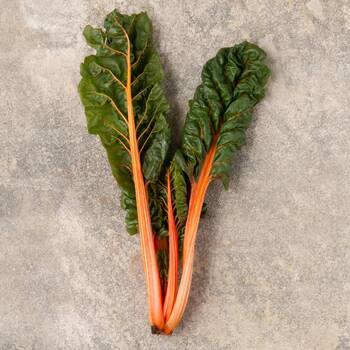
Silverbeet- Orange Fantasia
A biennial often grown annually, reaching 60cm. Bright orange stalks, veins, midribs, and shiny green leaves. Retains colour when cooked. Thick, tender stalks. Highly productive, good for baby leaves. Can be ornamental in mixed borders or beds.
Sow direct or raise seedlings, 15mm. Germination 5-10 days @ 10-30°C.Biennial. Rows 50cm, Spacing 30cm. 60 days (30 days for baby leaves).
Best months in Temperate Climates: JAN FEB MAR APR MAY SEP OCT NOV DEC (Click for full sowing chart, grow guide and more)
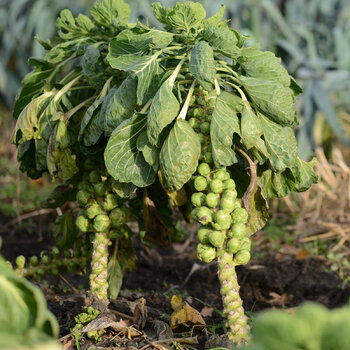
Brussels Sprouts- Catskill
Heirloom variety with large, firm, flavourful sprouts, tightly packed on sturdy stems. Harvest sprouts from the bottom of the stem upwards. Keep well watered through summer and pinch back growing tips in late summer to encourage upper sprouts to develop.
Sow direct or raise seedlings, 7mm. Germination 10-15 days @ 7-25°C.Biennial (usually grown as an annual). Rows 100cm, Height 80cm, Spacing 70cm. 85-120 days.
Best months in Temperate Climates: JAN FEB MAR APR DEC (Click for full sowing chart, grow guide and more)

Carrot- Samurai Red
Heirloom Japanese variety with long, tapering, rosy-red roots. Flavour is sweet, and texture is crisp and tender, with colour holding up during cooking. Roots can grow 25-28 cm in length.
Sow direct, 4mm. Germination 14-20 days @ 10-30°C.Biennial (usually grown as an annual). Rows 25cm, Height 15-20cm, Spacing 5cm. 70 days.
Best months in Temperate Climates: JAN FEB MAR APR AUG SEP OCT NOV DEC (Click for full sowing chart, grow guide and more)
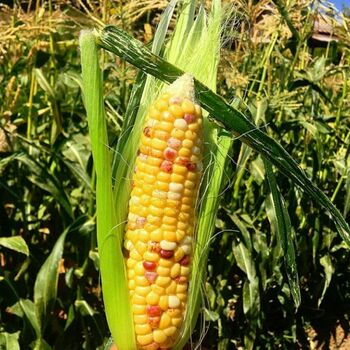
Corn, Sweet- Anasazi
Old multi-coloured American heirloom corn. Tall plants grow to 200cm, typically yielding 2 cobs each. Cobs are large and sweet. Kernels start yellow and white, but dry to a mix of yellow, white, blue, and red.
Sow direct, 20mm. Germination 5-14 days @ 16-35°C.Annual. Rows 75cm, Height 200cm, Spacing 30cm. 90 days.
Best months in Temperate Climates: JAN SEP OCT NOV DEC (Click for full sowing chart, grow guide and more)
Tips for gardening in summer:
- Watering: Learn when to water by using your index finger to check soil moisture. Scratch back a little of the surface soil and use your finger to see if soil is moist about 5cm below the surface; if it’s on the dry side, it’s time to water.
- Crop protection: As fruit and veggies develop they may need protection from burrowing insects, fruit fly, birds, possums or bats. Berries, fruit trees and soft fruit like tomatoes are especially at risk. Use insect exclusion netting, bird netting or fruit protection bags to protect crops. Ensure your netting is pegged or tied securely at the bottom to stop pests getting in.
- Pinch for More Flowers: Pinch the main stems of flowering plants to encourage strong growth, a bushier habit and more flowers. Once plants are 20-40cm tall and have several sets of leaves, use sharp, clean snips or secateurs to cut off the top 10cm or so of the main stem of the plant, making the cut just above a set of leaves. Flowers including aster, zinnia, chrysanthemum, calendula, marigold and dahlia will all benefit from pinching.
- Provide shade for sensitive plants: Use shade cloth or even old sheets to protect delicate seedlings and leafy greens from the harsh summer sun, especially during the hottest part of the day.
Pests and diseases to look out for in summer:
- Aphids: Small, sap-sucking insects that congregate on the new shoots or the underside of leaves. They can cause leaves to wilt or become discoloured, and also excrete honeydew which can attract ants and other insect pests. To manage aphids, remove them by spraying with a garden hose, apply a soap or alcohol spray, or encourage predatory insects to your garden.
- Whitefly: A sap-sucking insect related to aphids, whitefly are found in large numbers on the underside of leaves, and will swarm in clouds when disturbed. Plants may have yellowing leaves or may wilt, and growth will be slowed. Whitefly can be removed with a garden hose or sprayed with soap spray. Badly affected plants should be destroyed.
- Slugs and snails: These slimy pests love the humidity of summer nights and can decimate seedlings and tender young plants. They leave tell-tale silvery trails and irregular holes in leaves. To control them, try hand-picking them at night (with a torch) and disposing of them, creating barriers crushed eggshells around vulnerable plants, or using beer traps.
- Fungal diseases: The combination of warm temperatures and summer humidity can form the perfect conditions for fungal diseases to spread. Water plants in the morning at ground level, avoiding wetting foliage wherever possible. Prune off affected foliage, space plants to allow more airflow, and treat fungal outbreaks with homemade or purchased sprays.
Product code: SS_VEG_TEMP_SUM_2025
Contains
-
1 x Rocket (Eruca sativa)
Annual growing to 100cm. Large green serrated leaves with a rich peppery flavour. Most commonly used as a salad green but can also be cooked as a leaf vegetable. Leaves are best when they are young and tender. Tolerates cold weather. Also known as Arugula and Roquette.
Life Cycle: Hardy Annual
Plant Height: 100cm
Position: Part or full sun, well drained soil -
1 x Kohlrabi- Purple Vienna (Brassica oleracea var. gongylodes)
Purple skin with crisp white flesh; tender and sweet. Excellent flavour; can be eaten raw or cooked. Good in salads, soups and stews.
Life Cycle: Hardy Biennial (usually grown as an annual)
Plant Height:
Position: Full or part sun, moist soil -
1 x Beetroot- White (Beta vulgaris)
White skin with white flesh. Sweet flavour. Will not change the colour of other vegetables when cooked together like red beets. Good for boiling, pickling and baking.
Life Cycle: Hardy Biennial (usually grown as an annual)
Plant Height:
Position: Full sun, moist well drained soil -
1 x Malabar Spinach- Green (Basella alba)
Malabar spinach is a frost tender perennial vine grown as an annual in cooler climates. Plants have soft stems and almost-succulent leaves and are vigorous climbers. Leaves taste and resemble true spinach in appearance and are used as a substitute. They are used both as a salad green and as a leaf vegetable. Plants grow very quickly in warmer climates and can be used as a screening plant. Growth can be slow in cooler climates. Used to thicken soups and stews. Also known as Pui, vine spinach, climbing spinach, creeping spinach, red vine spinach, buffalo spinach, Indian spinach, Chinese spinach and Ceylon spinach.
Life Cycle: Frost tender Perennial (grown as an annual in cool climates)
Plant Height:
Position: Full sun, moist soil -
1 x Leek- Elephant (Allium porrum)
Large leeks that can grow up to 10cm in diameter. Good flavour. Perfect for salads, stews, soups, stir-fries and steamed.
Life Cycle: Hardy Biennial (usually grown as an annual)
Plant Height:
Position: Full sun, moist soil -
1 x Endive- Green Curled Ruffec (Cichorium endivia)
Well know variety. Curled crispy dark green leaves. Resistant to cold very wet conditions. Commonly used raw as a salad green but can be eaten cooked in stir-fries, soups or stews.
Life Cycle: Hardy Annual
Plant Height: 20cm
Position: Full sun, moist soil -
1 x Silverbeet- Orange Fantasia (Beta vulgaris)
Biennial normally grown as an annual, growing to 60cm. Light bright orange stalks, veins and midribs, shiny green crumpled leaves. Holds its colour well when cooked. Stalks are thick and tender. Very productive variety; good for baby leaves. Can also be grown as an ornamental in a mixed border or garden bed. Silver beet is also known as "Swiss Chard" and is often confused with "Spinach".
Life Cycle: Hardy Biennial
Plant Height:
Position: Full sun, moist well drained soil -
1 x Brussels Sprouts- Catskill (Brassica oleracea var. gemmifera)
Heirloom variety with large, firm, flavourful sprouts, tightly packed on sturdy stems. Harvest sprouts from the bottom of the stem upwards as they mature. Keep well watered through summer and pinch back growing tips in late summer to encourage upper sprouts to develop. Introduced by Arthur White of Arkport, New York, in 1941.
Life Cycle: Hardy Biennial (usually grown as an annual)
Plant Height: 80cm
Position: Full or part sun, moist well-drained soil -
1 x Carrot- Samurai Red (Daucus carota)
Heirloom Japanese variety with very long, tapering, rosy-red roots. Flavour is sweet, and texture is crisp and tender, with colour holding up during cooking. Roots can grow 25-28 cm in length.
Life Cycle: Half hardy Biennial (usually grown as an annual)
Plant Height: 15-20cm
Position: Full sun, moist well-drained soil -
1 x Corn, Sweet- Anasazi (Zea mays)
Very old multi-coloured American heirloom variety. Tall plants growing to 200cm that usually produce 2 cobs each. Cobs are of good size with sweet flavour. Corn kernels start off mostly yellow with some random white (best picked at this stage for eating) but if left to dry will change to varying and random mixes of yellow, white, blue and red kernels.
Life Cycle: Frost tender Annual
Plant Height: 200cm
Position: Full sun, moist soil
.png)

Shipping
We deliver Australia wide.
All orders are dispatched from our warehouse in Knoxfield, Victoria, Australia.
We do not deliver overseas.
Shipping cost is calculated using all the items in your shopping cart and your delivery postcode. The table below outlines the delivery options and costs.
Order dispatch time is currently 1-3 business days plus delivery time.
Please note we are unable to guarantee specific delivery dates or delivery timeframes, all delivery times are estimates only.
| Order contains: | Delivery options: | Delivery cost per order | |
|---|---|---|---|
| VIC, NSW, ACT, QLD, TAS, SA, NT | WA | ||
| Small seed packets ONLY - | Economy Delivery | $3.00 or FREE on orders over $25 | $5 |
| Parcel Delivery | Capped rate of $8.99 | ||
| Express Delivery | $15.00 | ||
|
BULK seed, garden supplies, tools, or accessories - |
Parcel Delivery |
Capped rate of $8.99 |
|
|
Express Delivery |
Starting from $15.00 (Calculated by weight) |
||
| Live Plants - | Live plants | Capped rate of $10.00 | |
*All orders sent to Western Australia are subject to mandatory inspection and fees by Quarantine WA. These fees are included in all shipping costs above.
**We will replace all orders that are lost or damaged in transit however we will not replace or refund orders simply because they were delivered later than estimated. Full details here.
Ratings & Reviews
Be The First To Review This Product!
Help other The Seed Collection Pty Ltd users shop smarter by writing reviews for products you have purchased.