
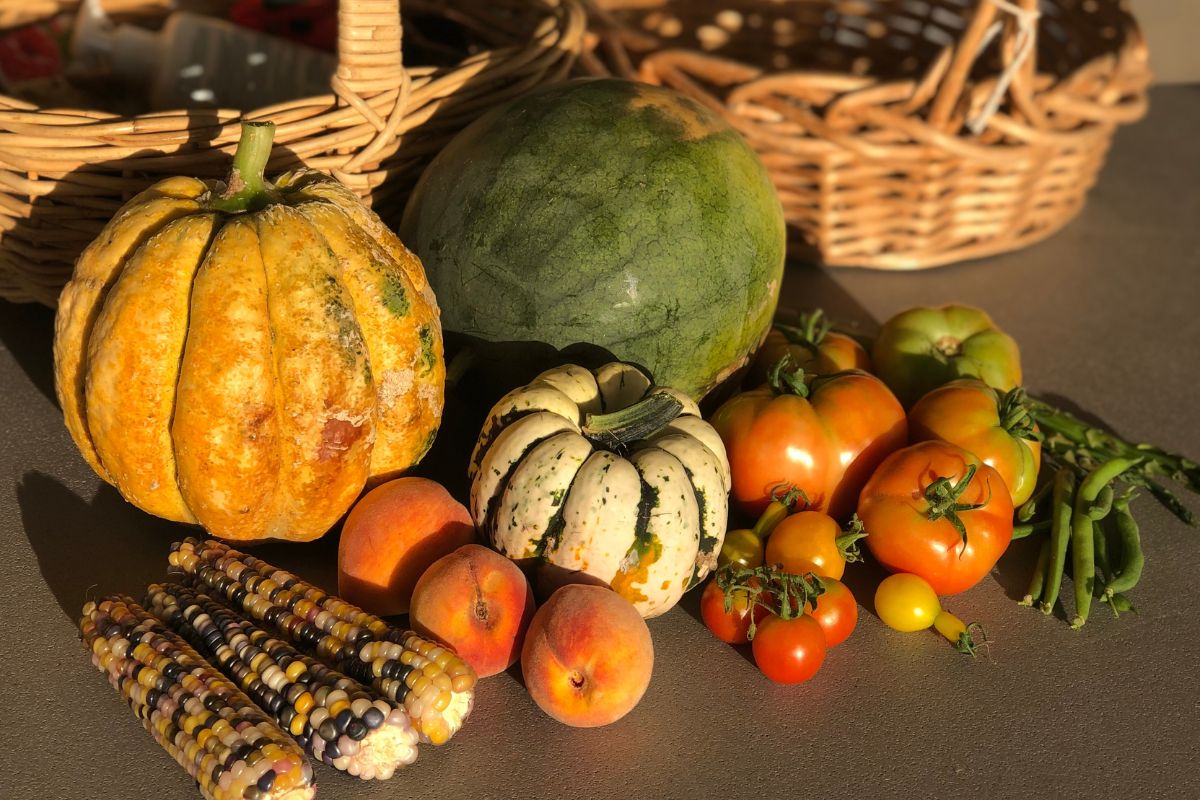
How can we eat the rainbow when it’s not presented to us on the grocery store shelves? For various reasons, there has been a reduction in produce variability and availability offered to consumers in recent times. Heirloom varieties that were once commonly observed throughout history, are now uncommon. This is largely because grocery stores select fruit and vegetable varieties that travel well across longer distances, appear consistent and uniform on the shelf, meet consumer demand and can be grown at large scale by farmers without too many issues.
What are the benefits of eating a wider range of fruit and vegetable varieties? Primarily, you provide your body with a more expansive number of antioxidants, phytonutrients (nutrients found in plants), vitamins and minerals required for optimal health at any age. Subsequently, if you support your health by eating nourishing food from a wider variety of fruits and vegetables, you’re arguably more likely to experience less sickness and feel healthier overall.
So how can we increase our exposure to these hidden heirloom gems? By growing your own!
Did you know you can grow a Zatta Melon instead of a rockmelon, and a Golden Honey Watermelon instead of a Pink Crimson Watermelon? Here are just a few examples of how you can increase the variety of fruits and vegetables that you grow in your garden, and ultimately spice up the variety in your life for improved health.
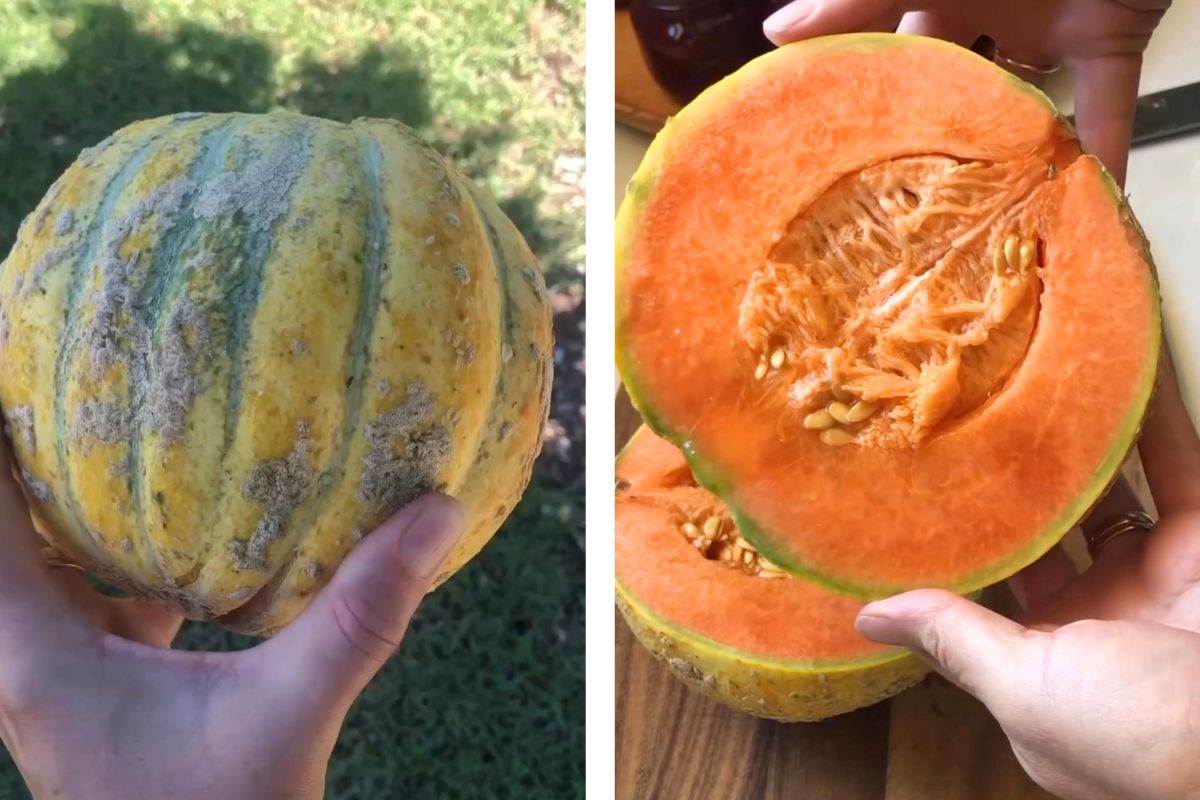
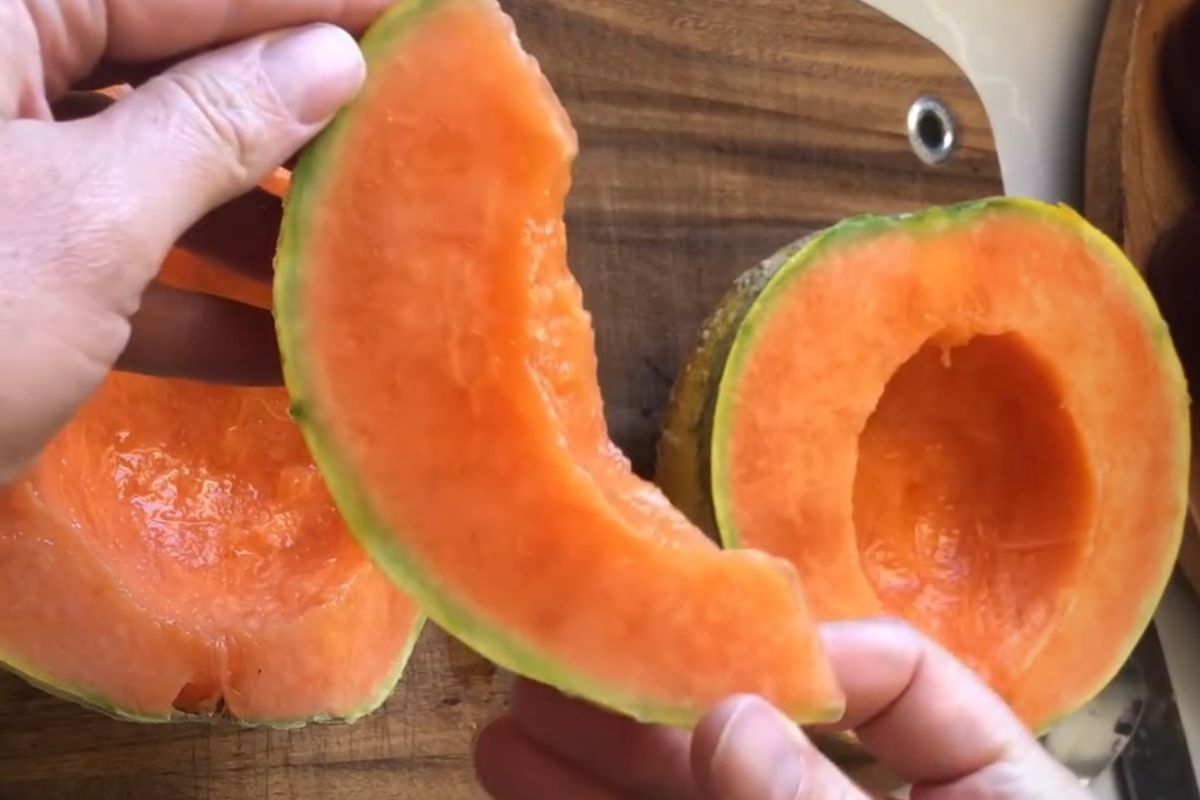
Zatta Melon
The Zatta Melon is an ancient Italian heirloom that is known as the ugly version of a rockmelon, but boy do they make up for it in flavour. Whilst similar to the flavour of a rockmelon, the fruit has a slightly floral tone that pairs well with prosciutto on a charcuterie board. To grow Zatta Melon, you simply follow the same process you would for rockmelon; Ensure your soil is well prepared with aged manure and compost, is in a position with plenty of sun over the spring and summer months, and because it is a vine/climbing plant, be sure to either have plenty of space for it to sprawl, or providing a climbing structure such as an arch.
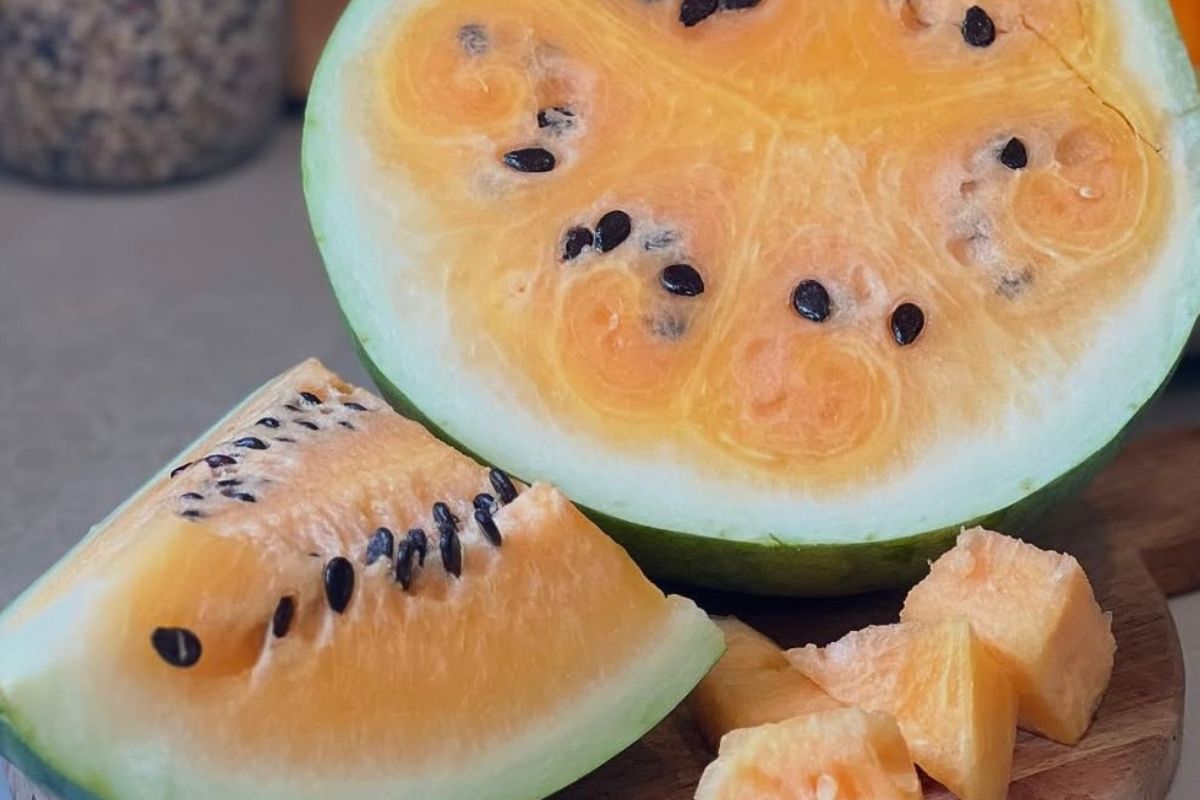
Golden Honey Watermelon
Biting into a yellow watermelon for the first time is a trick to the senses. Your tongue struggles with the concept that it’s tasting watermelon after having bitten something yellow, but it can’t deny the delicious taste regardless of the colour! Golden Honey Watermelon tastes exactly as it sounds, like honey flavoured watermelon. To grow these, wait until frosts have finished, and plant your seeds into loose, rich, well-draining soil that is amended with compost and pelletised chicken manure. Watermelons require plenty of sunlight and regular watering throughout the growing season.
Purple King Bean
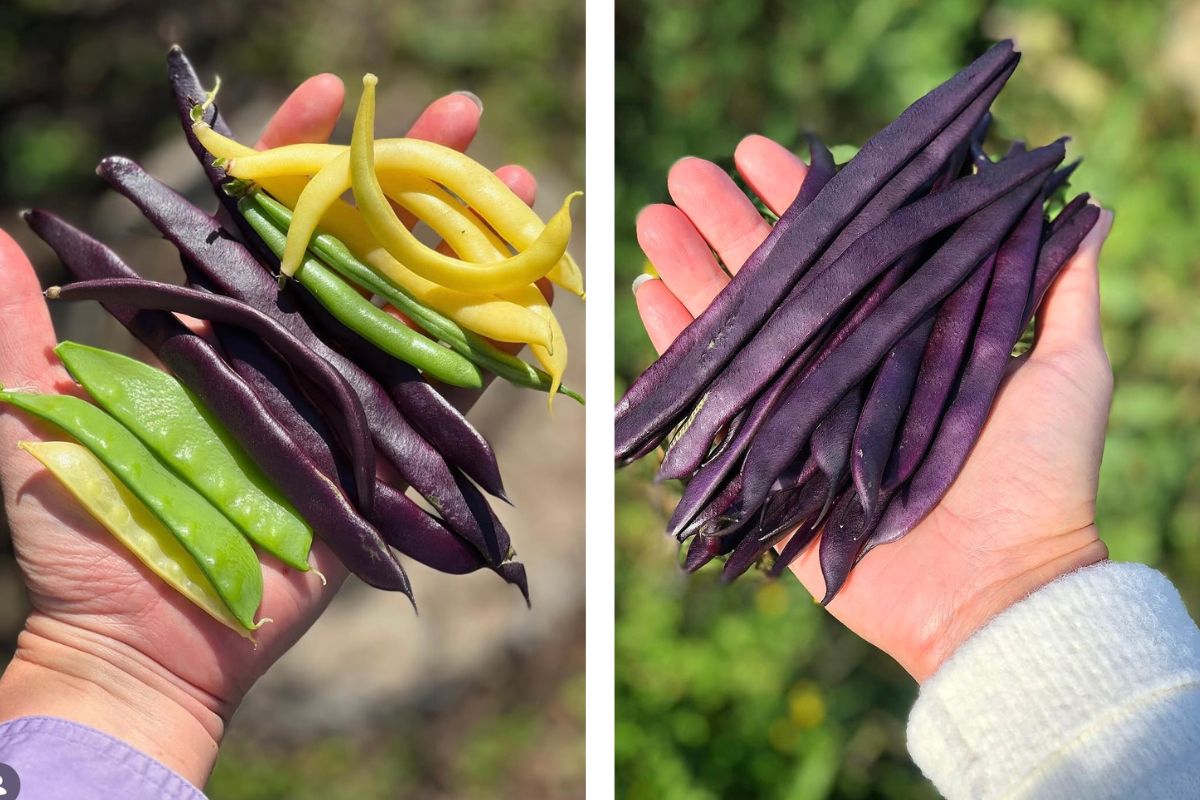
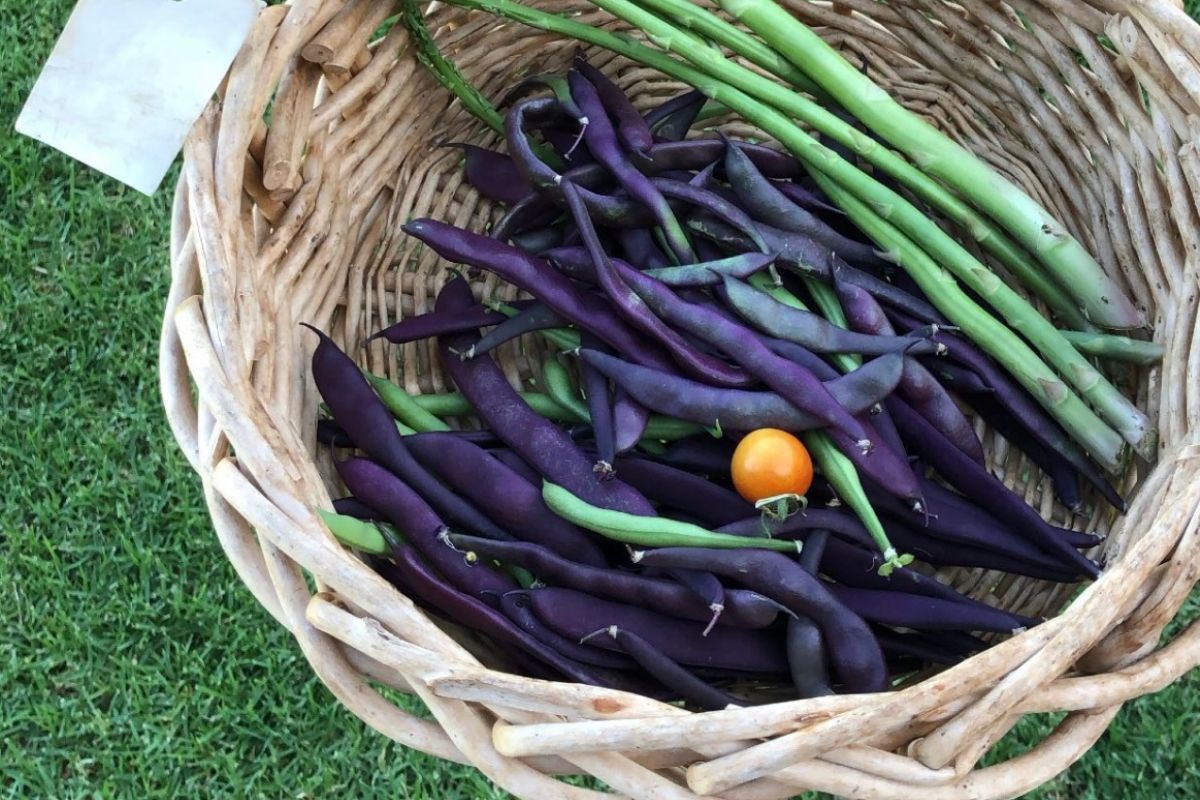
Beans can be grown as a bush or a climbing vine, depending on the variety. Purple King beans are a climbing variety that make a stunning addition to the garden. They taste very similar to a green bean, but being purple means they contain more antioxidants, in the form of anthocyanins, than the trusty green bean we are all familiar with. The fruit grows prolifically over the growing season so long as the vine is cared for and fruit are picked regularly. Because of their standout colour, you’ll never miss a bean among the foliage making them simple to harvest. This variety also has a magic trick up its sleeve, changing colours from purple to green when it’s cooked!
Glass Gem Corn
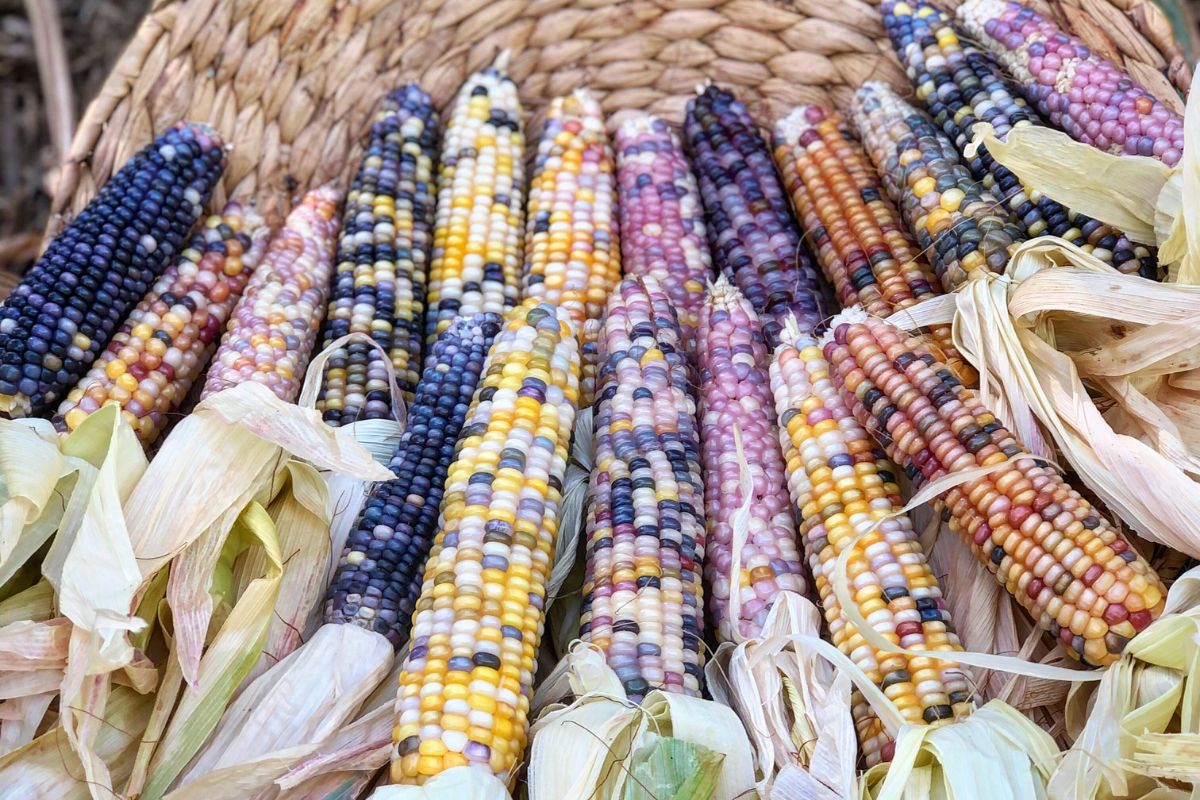
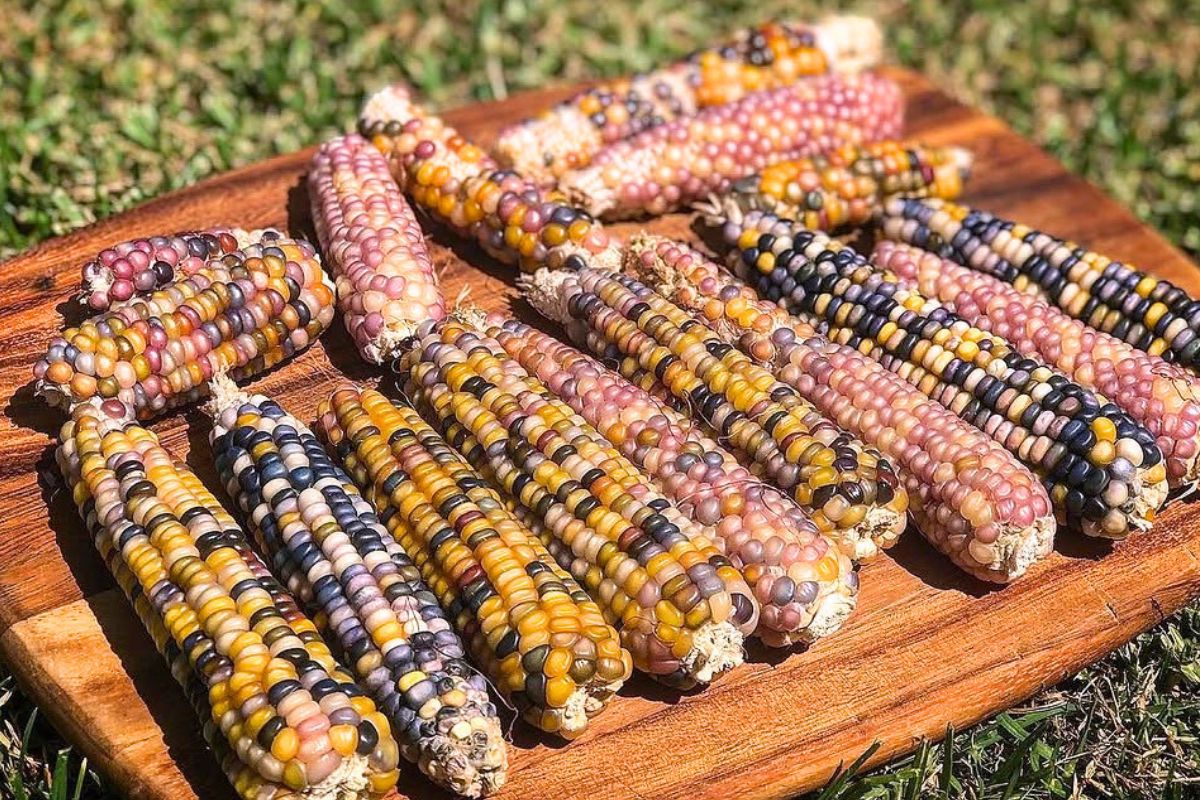
If you didn’t know you could grow your own popcorn, I’m glad to be the one to tell you! Glass Gem Corn is a type of flint corn as opposed to a fresh sweet corn that most people are familiar with. Flint corn kernels are very tough, not suitable for eating fresh but are used to make things like popcorn or tortillas (depending on the variety). Glass Gem Corn once fully developed, is stripped of its kernels which then get cooked to make popcorn. It is the ultimate fun garden vegetable to grow as they are vibrantly coloured, and will easily attract your kids to help in the garden. What’s best, is that after the harvest, the kids can watch the kernels burst open in a saucepan and enjoy popcorn fresh from the garden!
Glass Gem Corn is a very hungry feeder over the summer months, which means not only planting seeds into well-prepared soil, but also ensuring that the plants are given a fertiliser feed multiple times over the growing season. You can use a slow-release fertiliser such as pelletised chicken manure, or a liquid fertiliser such as those that are seaweed based.
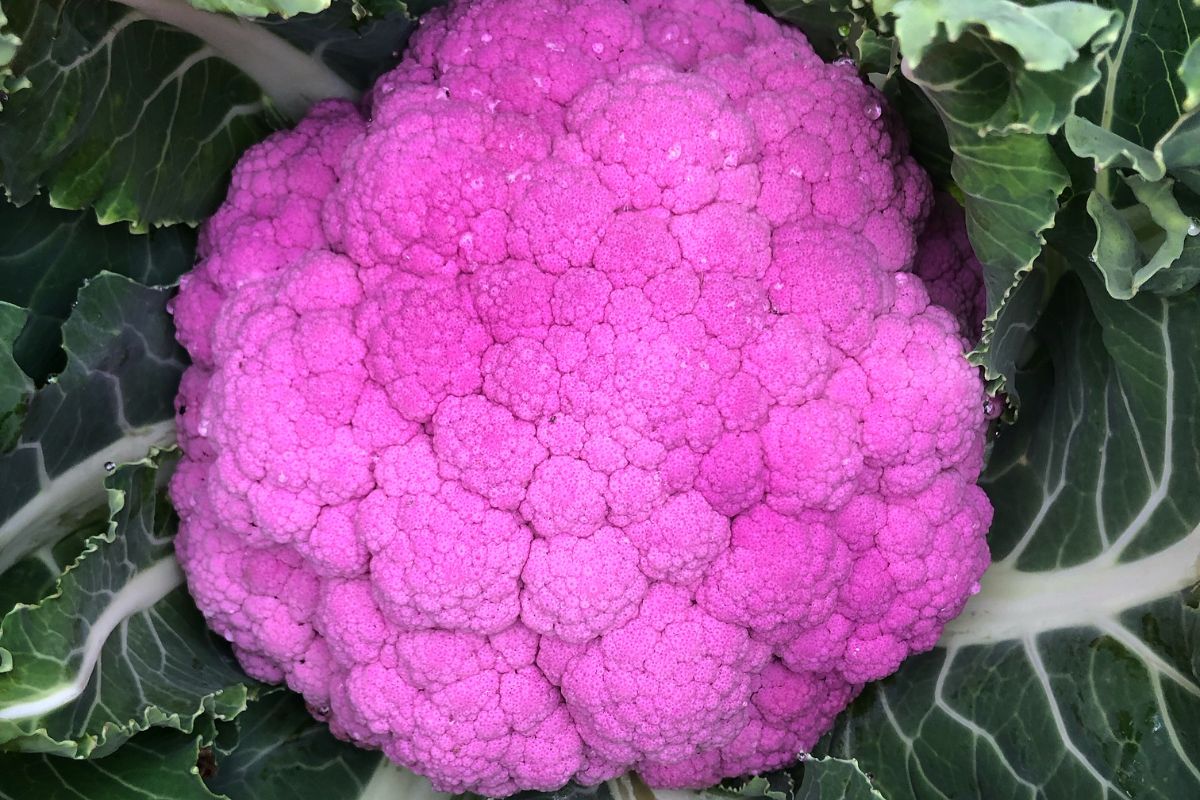
Purple Sicily Cauliflower
Purple Sicily Cauliflower is almost a prank in the garden. You’d be forgiven for thinking that white cauliflower is the be all and end all of cauliflower varieties. Luckily, heirloom cauliflowers do exist, and the Italian heirloom Purple Sicily is one that shows off. This variety has been known to be more resilient and pest tolerant than white varieties which is a win for any gardener. Their colour is striking amongst all the winter greens, but most importantly, the taste is smooth and mild, and can tend to be less bitter than white varieties. Pop these in among your standard white and macerata green cauliflowers for the ultimate winter rainbow combo.
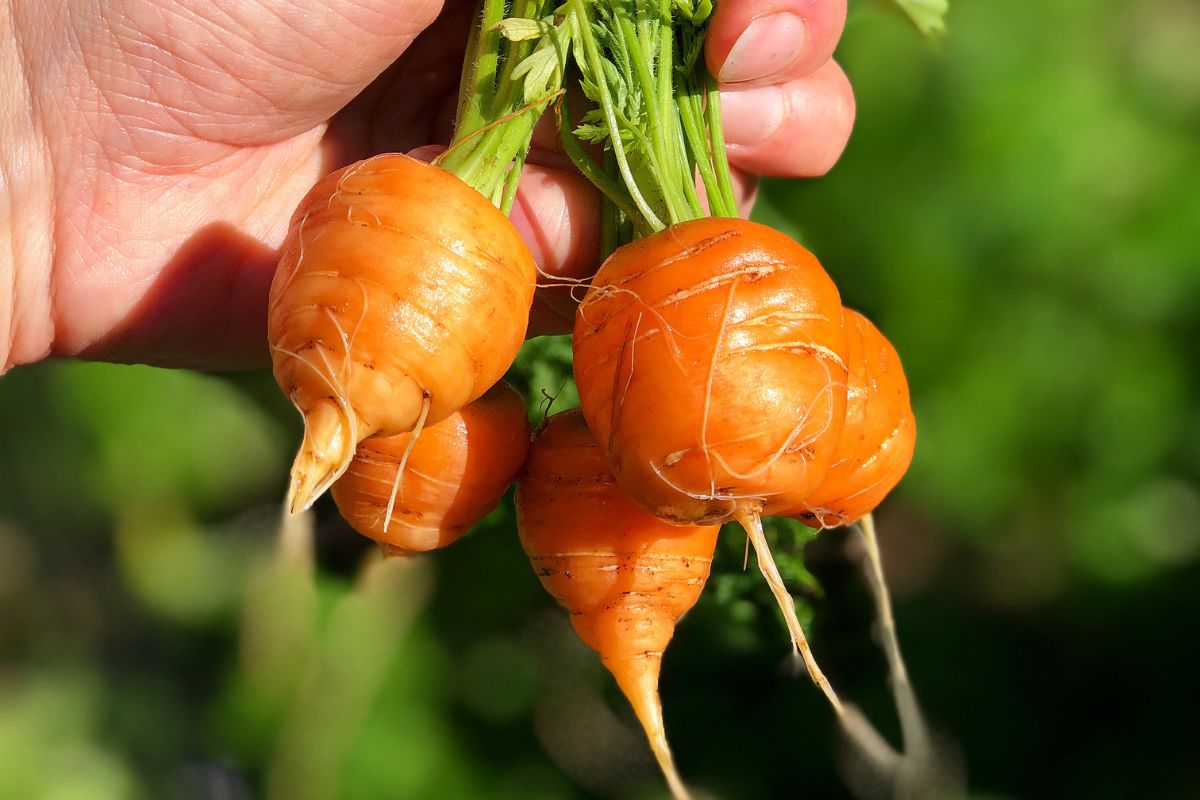
Rainbow and Paris Market Carrots
Surprisingly, Carrots were not originally orange. They were purple, red, yellow and even white! One theory of the history of the development of the orange carrot lies in the 17th century, where growers were thought to cultivate the orange carrot as a tribute to William of Orange in Holland. Another theory is that orange carrots were simply cultivated in an attempt to maximise the sweeter and less bitter flavour to its counterparts. Either way, despite the orange carrot holding a fixed place in our fridges, there is absolutely room for other varieties. Heirloom rainbow carrots are a wonder to grow in the garden, each individual carrot offering a surprise when harvested. Purple and red carrots are especially rich in antioxidants due to their colour, giving your immune system a boost! Follow the same process to grow rainbow carrots as you would with other standard carrot varieties.
If carrots are a challenge for you to grow, then a good option to try is the Paris Market Carrot as they are much more forgiving to the novice and even experienced gardeners. These short round nuggety carrots don’t require the depth of soil as standard carrots. Nor do they require the sandy amendments to the soil to produce long straight carrots. The seeds can be sown directly into soil, and harvested once they reach 5cm in size. Another bonus is that they can be grown in relatively poor soil, making this carrot a great starting point for gardeners. Once you’ve got the feel of Paris Market Carrots, try growing rainbow carrots!
All in all, not only are heirloom varieties a fun an interesting addition to your garden, they provide nourishment to your diet that you could be missing out on by consuming the same grocery store produce in every weekly shop. Challenge yourself to try at least one heirloom variety in your garden and spice up your life!
Article & Photographs by Lauren Eather