
There's something incredibly satisfying about walking into the garden, picking a handful of fresh basil and turning it into something delicious for dinner.
If you've got basil growing at home, making your own pesto is a great way to use up a generous harvest. The best part about it is that you can freeze it for those nights when you need a quick dinner.
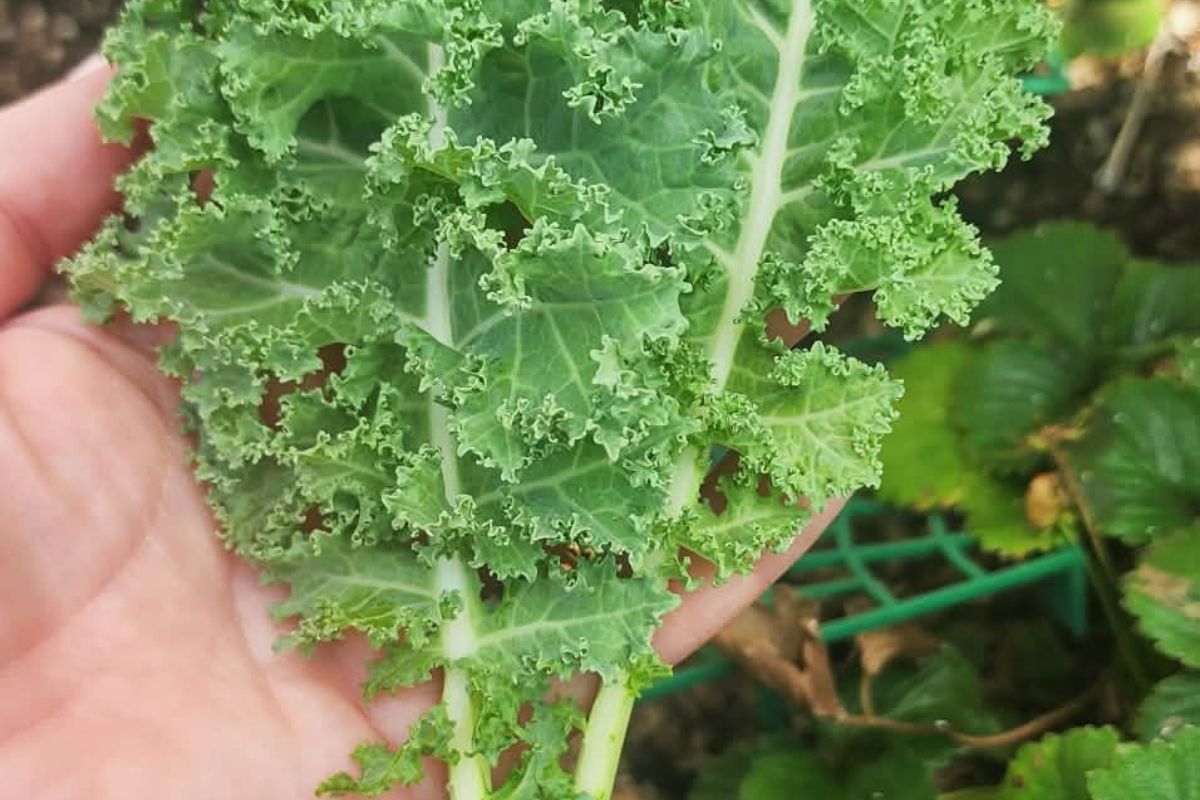
For this recipe, I’m taking things a little further by adding a few leaves of spinach and kale, also picked straight from the garden. It's an easy way to sneak in some extra nutrient-rich greens, particularly when cooking for children who might otherwise turn their noses up at them.
So, grab your scissors and let's start in the garden.
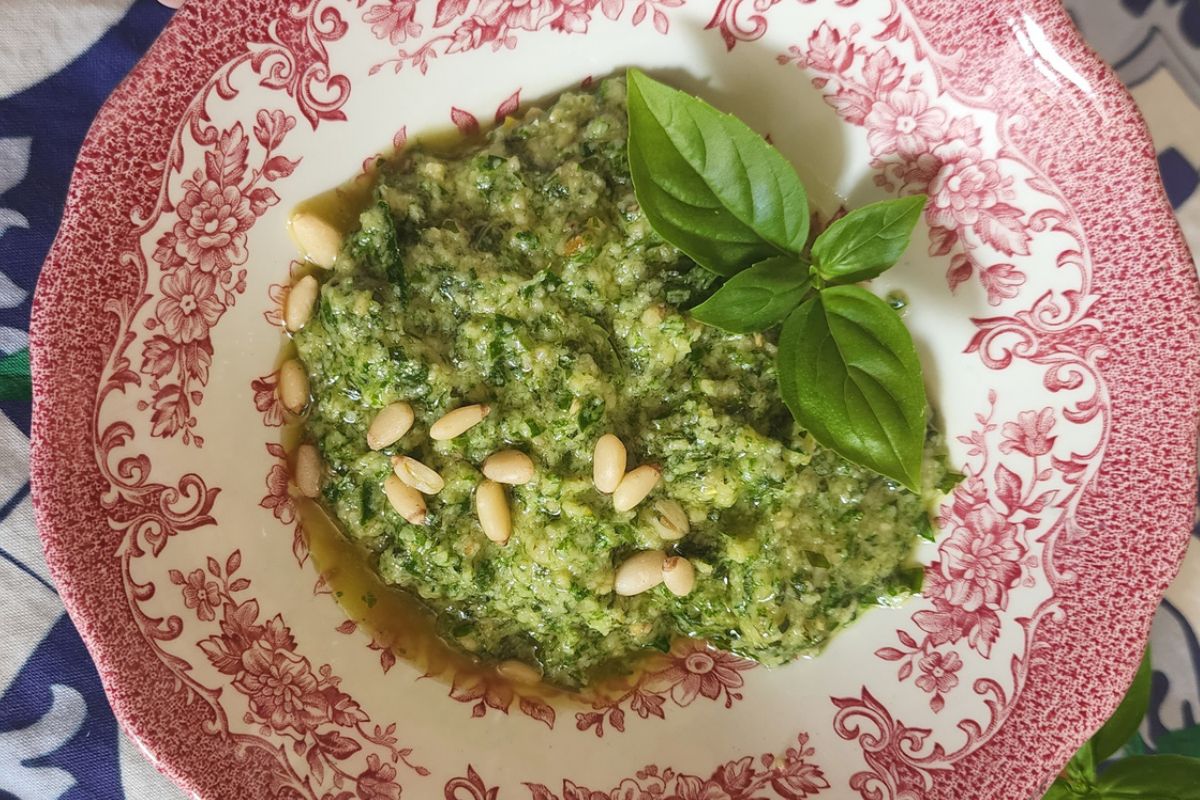
Start With Fresh Basil
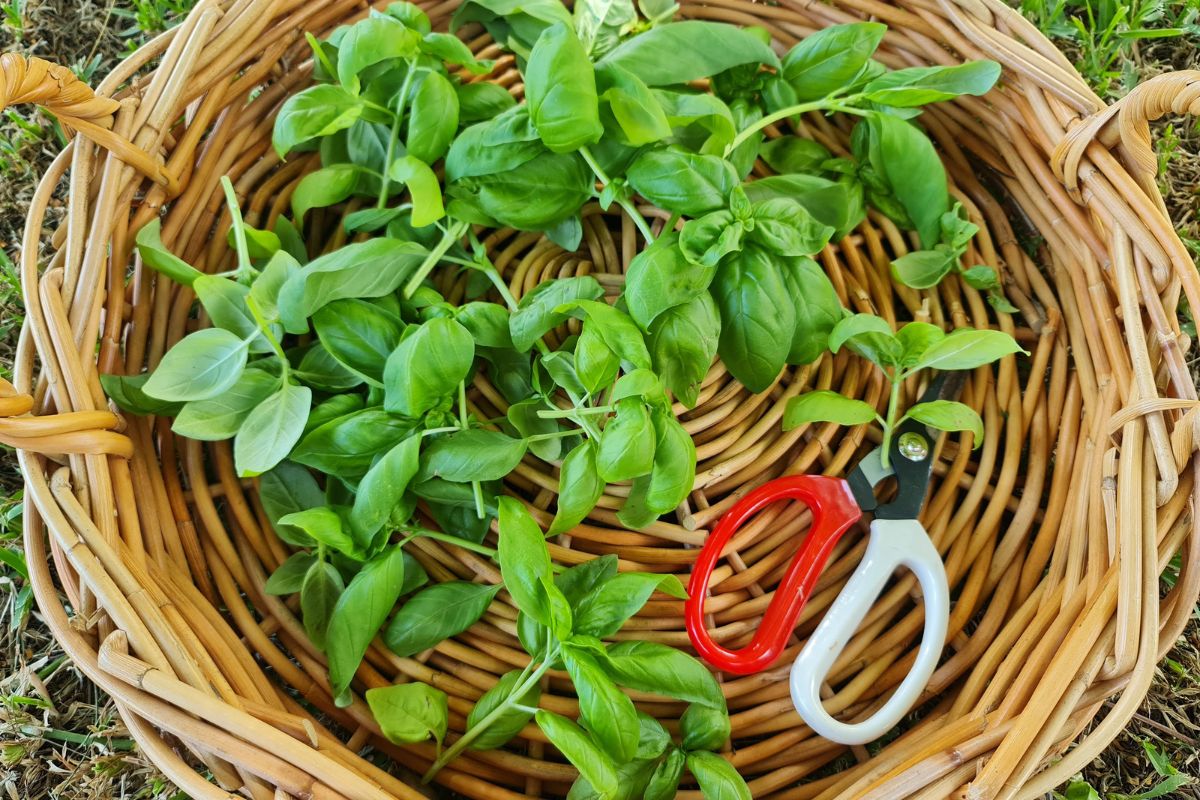
For this recipe, you'll need approximately two packed cups of fresh basil leaves. If you're growing your own, here's how to get the best from your harvest.
- Choose healthy leaves: Look for fresh, green leaves and avoid any that are yellowing, damaged or diseased.
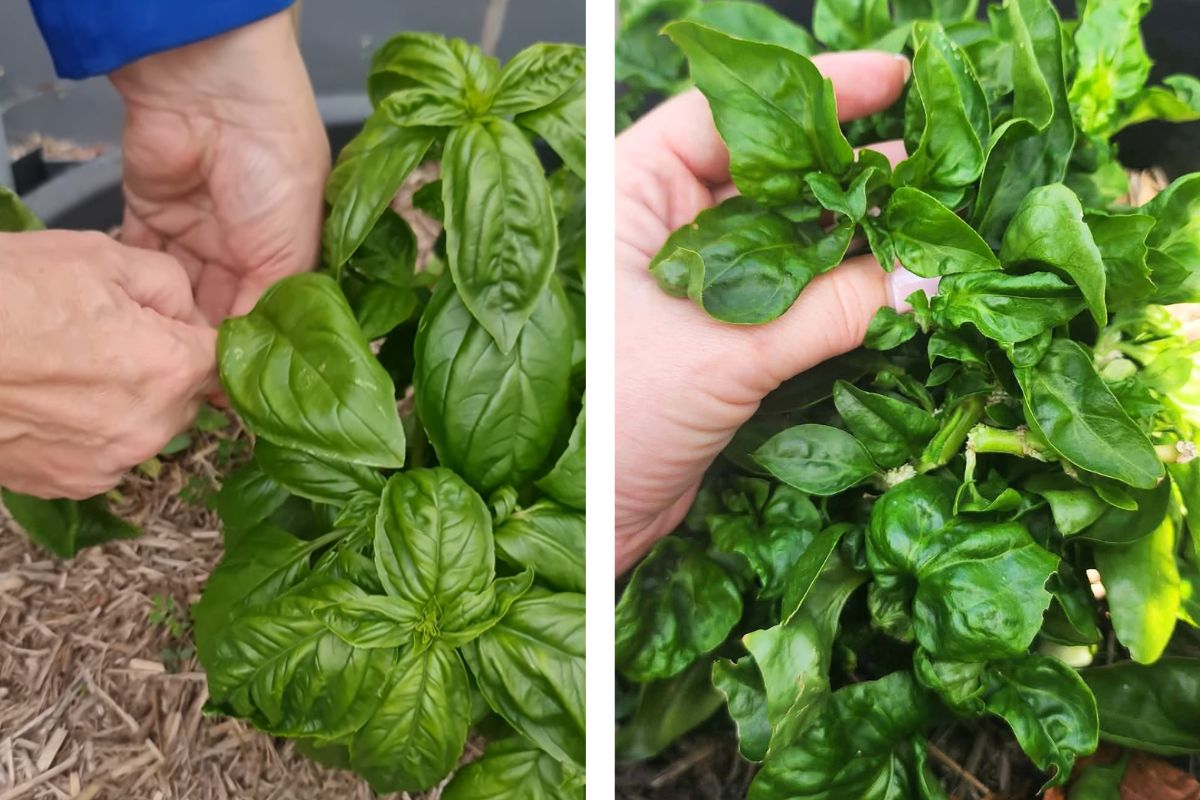
- Snip, or pick very gently: Use clean scissors to cut stems just above a pair of leaves. This encourages the plant to branch out and produce more growth.
- Harvest regularly: Picking basil regularly helps keep plants bushy and encourages fresh leaves. It can also delay flowering, keeping the plant focused on producing leaves.
- Wash and dry: Give your basil a gentle rinse under cool running water, then pat dry with a clean tea towel or use a salad spinner to remove excess moisture.
A Little Extra Goodness
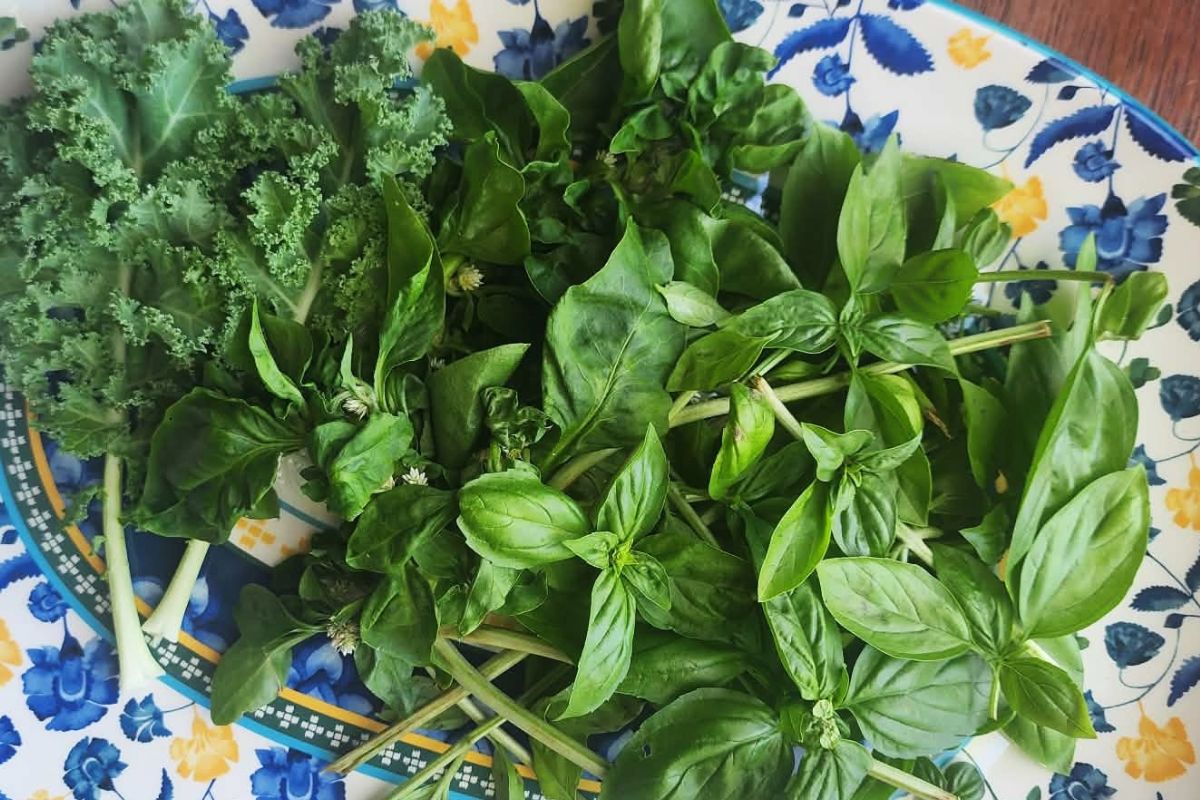
Traditional basil pesto is made with basil, garlic, pine nuts, Parmesan, olive oil and salt. For this recipe, I'm sneaking in a few leaves of Brazilian spinach and kale.
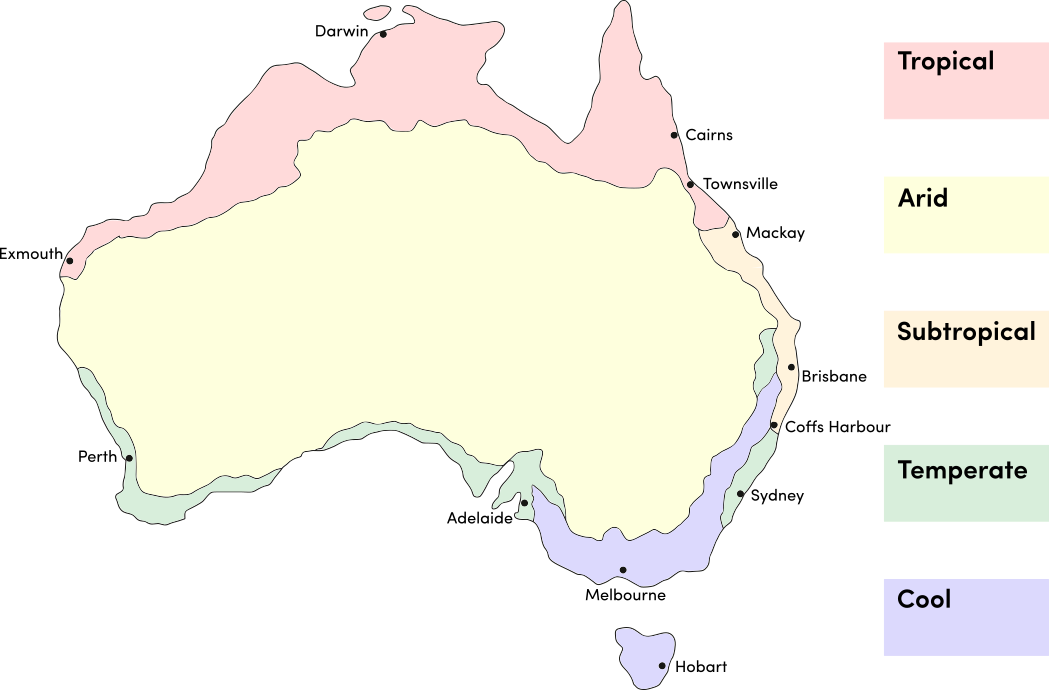
If you haven't heard of Brazilian spinach, it's a low-growing, leafy green that thrives in warm, subtropical climates. Unlike traditional spinach, it handles the heat well and can be grown as a perennial, providing fresh leaves for much of the year.
Its fleshy leaves have a firm, slightly crunchy texture and mild flavour. It's also incredibly easy to propagate. Simply take a stem cutting and plant it in moist soil, where it can develop roots with little fuss.
Make sure you're growing the correct edible plant, Alternanthera sissoo, as other plants are sometimes sold under similar names.
You only need a few leaves of each, so the basil remains the main flavour. Remove any tough stems before blending.
Homemade Basil Pesto Recipe
- 2 packed cups fresh basil leaves (approximately, from 1-2 bunches depending on size)
- 4-5 Brazilian spinach leaves
- 2-3 small kale leaves, tough stems removed
- 1 clove garlic, roughly chopped
- ½ cup freshly grated Romano or Parmesan cheese
- ¾ cup extra virgin olive oil, plus extra if needed
- ½ cup pine nuts (budget-friendly alternatives include sunflower or pumpkin seeds, cashews, or blanched almonds)
- Juice of half a lemon
- Salt and pepper, to taste
Method
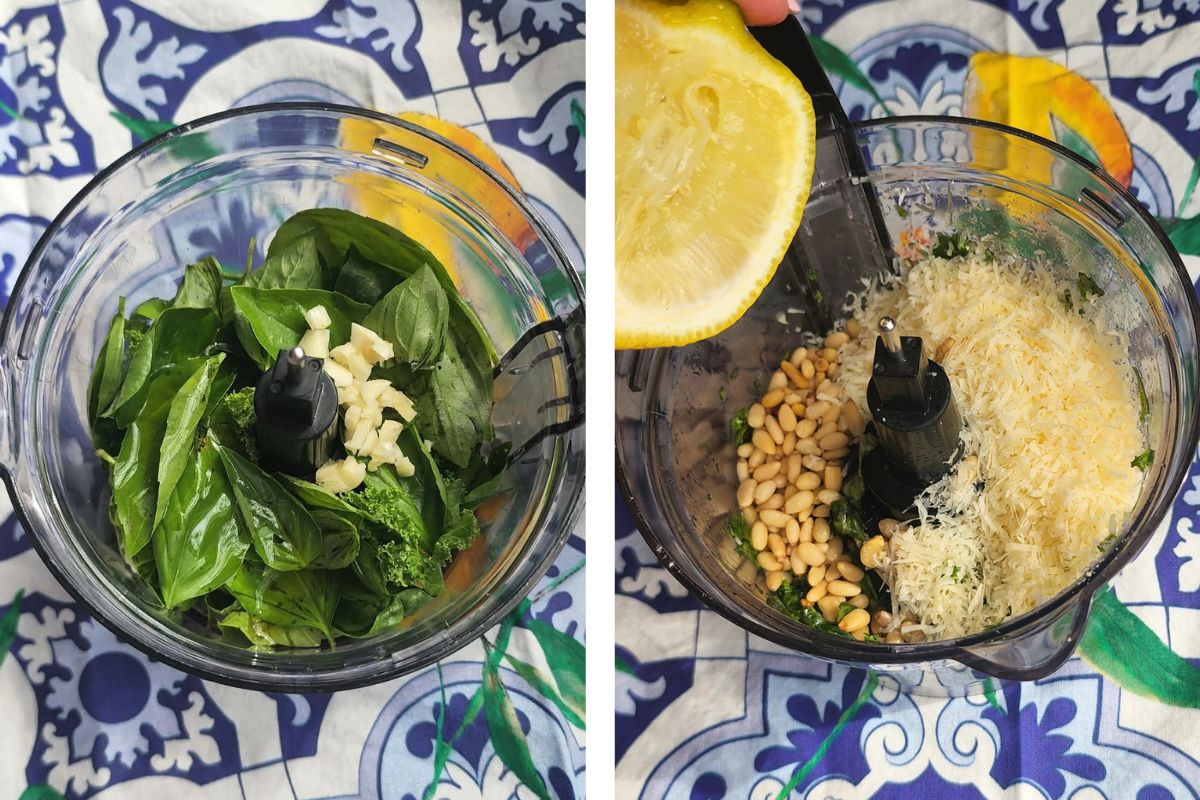
- Prepare your greens: Wash the basil, Brazilian spinach and kale under cool running water. Remove any damaged leaves or tough stems, then dry thoroughly.
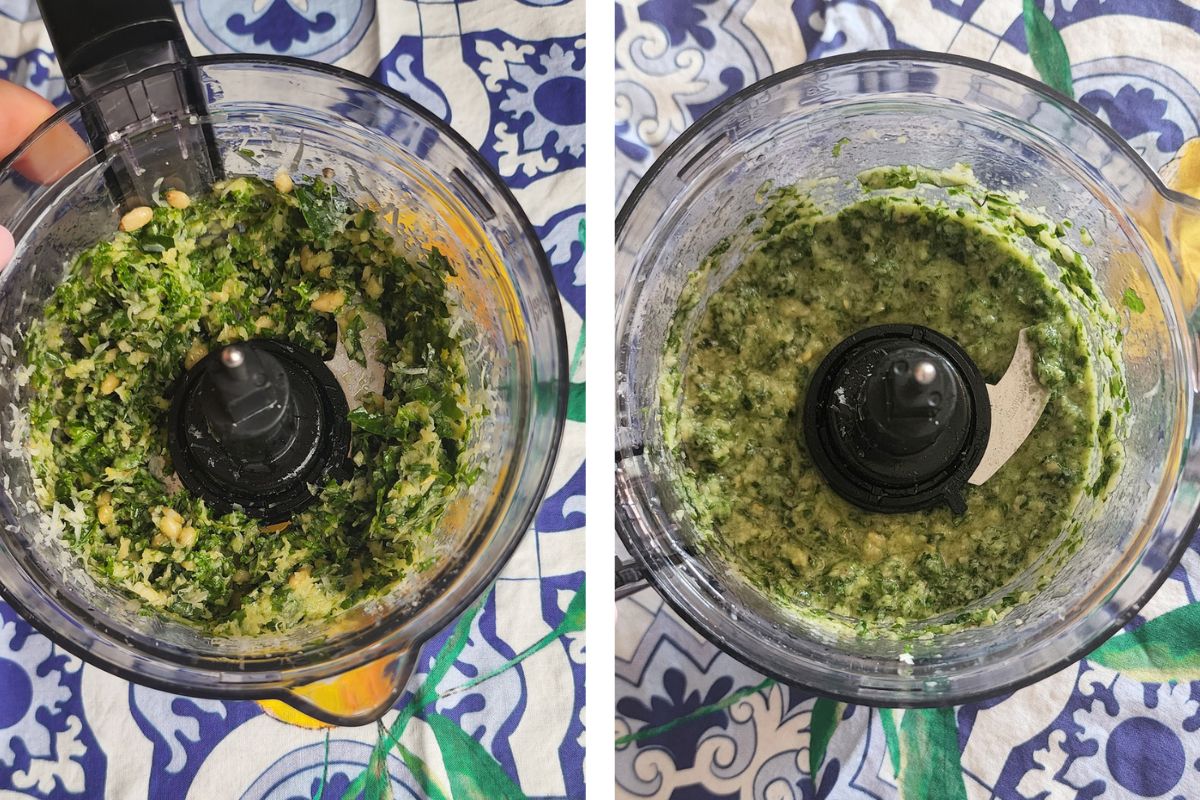
- Blend the ingredients: Place the basil, Brazilian spinach, kale, olive oil and garlic in a food processor and pulse several times until roughly chopped.
- Add the pine nuts and cheese: Add the cheese and pine nuts, then pulse until you've reached your preferred consistency. Scrape down the sides of the food processor with a spatula as needed. For a chunkier pesto, pulse only a few times so some larger pieces of pine nuts remain.
- Taste and adjust: Once you've achieved your preferred consistency, taste the pesto and season with salt and pepper. Add the lemon juice a little at a time, tasting as you go. The acidity helps balance the richness of the olive oil. If the pesto is too thick, add a little more olive oil and pulse briefly.
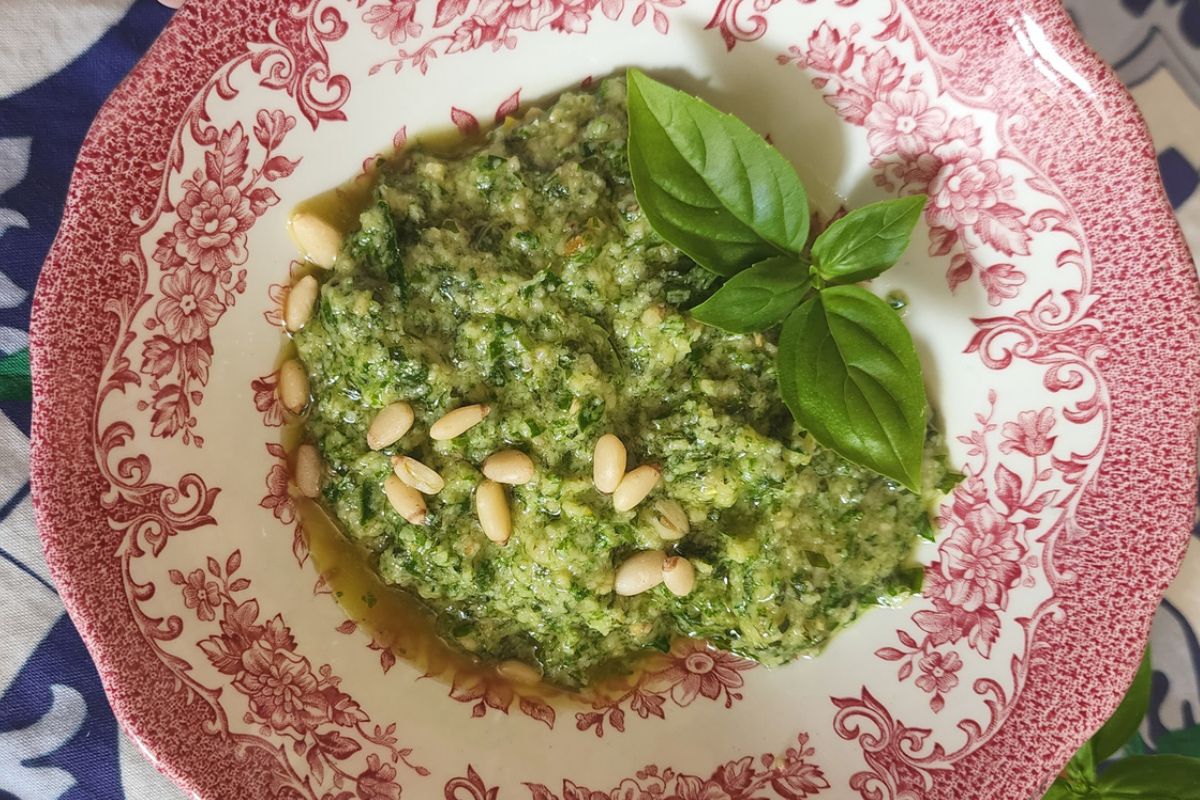
- Serve, store or freeze: Your pesto is ready to use immediately. If you're making it a few hours ahead for dinner, transfer it to a bowl and press a piece of baking paper directly against the surface, smoothing out any air pockets. This helps limit exposure to air and slows browning. Keep refrigerated until you're ready to serve. For longer storage, spoon the pesto into a clean, airtight container and smooth the surface. Pour a thin layer of olive oil over the top to help slow browning. Refrigerate promptly and use within 2-3 days, or freeze in individual portions for later use. The olive oil layer helps preserve the colour but doesn't extend its safe storage time.
What Can You Do With Homemade Pesto?
Pasta might be the obvious choice, but there are plenty of other ways to enjoy homemade pesto.
- Pasta: Stir pesto through freshly cooked pasta with a splash of reserved pasta water to loosen the sauce. There's no need to heat the pesto separately.
- Toast: Spread over toasted sourdough for a quick breakfast or snack.
- Sandwiches: Use instead of butter or mayonnaise in sandwiches and wraps.
- Roasted vegetables: Spoon over roasted potatoes, pumpkin or other vegetables for extra flavour.
- Pizza: Swap your usual tomato sauce for a pesto base.
- Soups: Stir a spoonful into vegetable soup just before serving.
- Chicken pesto pasta: Combine with cooked chicken, cherry tomatoes and pasta for an easy lunch or dinner.
Tip: If you're making pesto for children, start with less garlic and adjust it to suit their tastes.
Can You Make Pesto Without Pine Nuts?
Pine nuts are traditionally used in pesto, but they're not always the cheapest ingredient.
Cashews or blanched slivered almonds make great alternatives, although they'll change the flavour slightly. I recommend using almonds without their skins, as the brown skins can affect the colour of your pesto.
For a nut-free version, sunflower seeds or pumpkin seeds are also great options. Both work well in pesto, although pumpkin seeds may give it a slightly darker green colour.
The beauty of homemade pesto is that you can experiment with different ingredients and quantities until you find a combination your family enjoys.
Make The Most Of Your Basil Harvest
You don't need a large vegetable garden to grow enough basil for homemade pesto. A few healthy plants in pots can provide a generous harvest during the warmer months.
Making a batch of pesto is also a handy way to use up excess basil, particularly when you can freeze individual portions for another day.
And if you've got other leafy greens growing in the garden, don't be afraid to experiment with adding a few to the mix.
Article & Photographs by Julia Lewis