Climate Zones for Australian Gardeners
Knowing your climate zone will help you decide the best time to sow the vegetables, herbs and flowers you want to grow, and which varieties should perform well in your garden. Growing plants that are suited to your climate zone will usually give you the best results in your garden.
How to Use Climate Zones
First, find your climate zone using the map or descriptions below. Next, refer to our sowing chart, which provides approximate sowing times for our most popular seeds for each climate zone.
While knowing your climate zone is helpful when planning your garden, there are many other factors that may affect how your plants grow, including unseasonal weather conditions, the specific microclimate of your garden and how you care for your plants. You know your garden better than us, so if a different climate zone seems to ‘fit’ your garden better, go ahead and use it as a guide.
Our climate zones cover huge areas of Australia, so we recommend gardeners also consider their local conditions when planning what and when to plant. For example, gardeners in alpine areas have shorter growing seasons than gardeners in cool coastal areas, even though both alpine and coastal areas are included in our ‘Cool Temperate’ climate zone. We recommend gardeners in cool regions look at the ‘days to maturity’ information provided for each variety and choose those that will mature in a short (6-12 week) growing season.
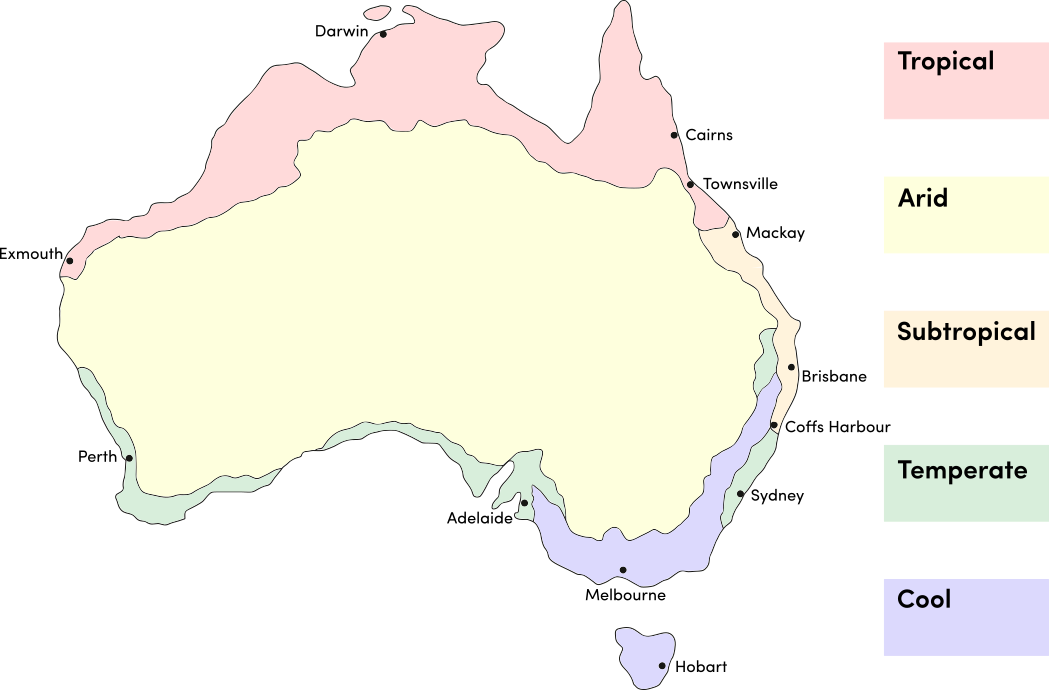
Tropical
- Includes: Darwin, Cairns, Townsville, Exmouth
- High humidity summers with most rainfall in summer and dry, warm winters. Includes northern Australia from Exmouth (WA) across to south of Townsville (Qld).
- Set as my climate
Arid
- Includes: Alice Springs, Mildura, Albury-Wodonga, Shepparton, Wagga Wagga, Dubbo
- Hot dry summers, winters can be warm or cool depending on the region. Includes a large area of central Australia from the WA coast to Charleville (Qld), Tamworth (NSW) and Albury-Wodonga (NSW/Vic).
- Set as my climate
Subtropical
- Includes: Brisbane, Bundaberg, Coffs Harbour, Gold Coast, Hervey Bay, Mackay, Rockhampton, Sunshine Coast
- Warm humid summers with high summer rainfall and mild winters. Includes coastal Queensland and northern NSW from north of Mackay to just south of Coffs Harbour.
- Set as my climate
Temperate
- Includes: Sydney, Perth, Adelaide, Newcastle, Toowoomba, Central Coast NSW, Wollongong, Bunbury
- Moderate humidity and reliable rainfall, with four distinct seasons. Includes coastal areas from north of Port Macquarie to south of Woollongong in NSW, coastal SA and the southeastern coast of WA.
- Set as my climate
Cool Temperate
- Includes: Melbourne, Canberra, Hobart, Launceston, Ballarat, Bendigo, Geelong, Mt Gambier
- Low humidity with most rainfall in winter; hot dry summers and cold winters. Some regions will experience frosts and snow. Includes coastal areas of south-eastern Australia and alpine areas of Victoria, NSW and Tasmania.
- Set as my climate
Climate Zones FAQ
What if I can’t find my climate zone?
If you can’t locate your zone from looking at the map or the descriptions on this page, we suggest that you think of
an area that has a climate that’s similar to yours and use the zone for that area as a guide.
What if I live on the border of two zones?
If you live near the border between two zones we suggest you read the descriptions for both zones and decide which
best describes the climate where you live. Depending on the microclimate in your garden, you may be able to grow a
wider range of plants over a longer season than others in your zone. Lucky you!
What is a microclimate?
A microclimate is a small area where the temperature or humidity differs to the climate of the surrounding area. For
example, if you live in a climate zone where frosts are common but your garden is protected by buildings or large
trees, your garden may be frost-free. Similarly, if you live in a warm temperate zone but your garden is at a high
altitude your microclimate may have more in common with the cool temperate zone, so use this as a guide when
deciding which zone is relevant to you.
Can I grow varieties not listed for my climate zone?
While our climate zones and sowing chart will help you decide what is suitable to plant in your garden, they provide
general guidance only. We recommend you start by sowing seed that’s recommended for your climate zone; once you get
a few successes under your belt you can experiment with varieties in neighbouring zones and see how you go –
gardening is all about experimenting after all!
Articles
Learning Hub →Browse by tag
Crops
View all Forget Me Not Seeds
 Ageratum Seeds
 Alyssum Seeds
 Amaranth Seeds
 Artichoke Seeds
 Asparagus Seeds
 Aster Seeds
 Basil Seeds
 Bean Seeds
 Beetroot Seeds
 Bitter Melon Seeds
 Brachyscome Seeds
 Broad Bean Seeds
 Broccoli Seeds
 Brussels Sprouts Seeds
 Bunching Onion Seeds
 Cabbage Seeds
 Calendula Seeds
 Californian Poppy Seeds
 Candytuft Seeds
 Capsicum Seeds
 Carnation Seeds
 Carrot Seeds
 Cauliflower Seeds
 Celery Seeds
 Celosia Seeds
 Chicory (Radicchio) Seeds
 Chilli Seeds
 Chinese Cabbage Seeds
 Chive Seeds
 Collards Seeds
 Coriander Seeds
 Corn Seeds
 Corn Salad Seeds
 Cornflower Seeds
 Cosmos Seeds
 Cress Seeds
 Cucumber Seeds
 Dahlia Seeds
 Dahlia Tubers
 Delphinium Seeds
 Dianthus Seeds
 Dill Seeds
 Echinacea Seeds
 Eggplant Seeds
 Endive Seeds
 Everlasting Daisy Seeds
 Fennel Seeds
 Garland Seeds
 Garlic Bulbs
 Globe Amaranth Seeds
 Godetia Seeds
 Gourd Seeds
 Gypsophila Seeds
 Kale Seeds
 Kohlrabi Seeds
 Larkspur Seeds
 Lavender Seeds
 Leek Seeds
 Lettuce Seeds
 Lily Bulbs
 Lobelia Seeds
 Luffa Seeds
 Mangel Wurzel Seeds
 Marigold Seeds
 Mint Seeds
 Mizuna Seeds
 Mustard Seeds
 Nasturtium Seeds
 Nigella Seeds
 Okra Seeds
 Bulb Onion Seeds
 Oregano Seeds
 Pansy Seeds
 Paper Daisy Seeds
 Parsley Seeds
 Parsnip Seeds
 Passionfruit Seeds
 Pea Seeds
 Perilla Seeds
 Petunia Seeds
 Phlox Seeds
 Potato Tubers
 Pumpkin & Winter Squash Seeds
 Purslane Seeds
 Radish Seeds
 Rhubarb Seeds
 Rocket Seeds
 Rockmelon Seeds
 Rosella Seeds
 Rosemary Seeds
 Sage Seeds
 Salvia Seeds
 Shallot from Bulbs
 Silverbeet Seeds
 Sorrel Seeds
 Spinach Seeds
 Statice Seeds
 Stock Seeds
 Strawberry Seeds
 Summer Squash Seeds
 Sunflower Seeds
 Swede Seeds
 Sweet William Seeds
 Sweetpea Seeds
 Thyme Seeds
 Tomatillo Seeds
 Tomato Seeds
 Turnip Seeds
 Viola Seeds
 Wallflower Seeds
 Watermelon Seeds
 Yarrow Seeds
 Zinnia Seeds
 Zucchini Seeds
 Chinese Forget Me Not Seeds
 Florence Fennel Seeds
 Root Parsley Seeds
 Preserving Melon Seeds
 Warrigal Greens Seeds
 Horseradish Roots
 Rhubarb Crowns
 Sweet Potato Tubers
 Aquilegia Seeds
 Balloon Flower Seeds
 Campanula Seeds
 Canterbury Bells Seeds
 Four 'O' Clocks Seeds
 Foxglove Seeds
 Hollyhock Seeds
 Honesty Seeds
 Linaria Seeds
 Impatiens Seeds
 Livingstone Daisy Seeds
 Lupin Seeds
 Daffodil Bulbs
 Jonquil Bulbs
 Hyacinth Bulbs
 Tulip Bulbs
 Ranunculus Corms
 Snapdragon Seeds
 Schizanthus Seeds
 Pincushion Flower Seeds
 Penstemon Seeds
 Chrysanthemum Seeds
 Poppy Seeds
 Feverfew Seeds
 Bergamot Seeds
 Borage Seeds
 Lemon Balm Seeds
 Chervil Seeds
 Hyssop Seeds
 Lovage Seeds
 Verbena Seeds
 Vinca Seeds
 Comfrey Seeds
 German Chamomile Seeds
 Savory Seeds
 Russian Tarragon Seeds
 Catnip Seeds
 Catmint Seeds
 Roman Lawn Chamomile Seeds
 Butterfly Bush Seeds
 Armeria Seeds
 Orach Seeds
 Ginger Rhizomes
 Turmeric Rhizomes
 Galangal Rhizomes
 Cape Gooseberry Seeds
 Cossack Pineapple Seeds
 Anise Hyssop Seeds
 Echinops Seeds
 Golden Marguerite Seeds
 American Basket Flower Seeds
 Black Eyed Susan Seeds
 Coreopsis Seeds
 Everlasting Sweetpea Seeds
 Malabar Spinach Seeds
 Billy Buttons Seeds
 Water Cress Seeds
 Sugar Beet Seeds
 Cucuzza seeds
 Celeriac Seeds
 Soybean Seeds
 Winged Bean Seeds
 Winged Pea Seeds
 Salsify Seeds
 Burdock Seeds
 Caper Bush Seeds
 Carob Seeds
 Chickpea Seeds
 Couve Tronchuda Seeds
 Goji Berry Seeds
 Shark Fin Melon Seeds
 Strawberry Spinach Seeds
 Tamarillo Seeds
 Bottle Tree Seeds
 Elephant Garlic Bulbs
 Anemone Corms
 Muscari Bulbs
 Ixia Bulbs
 Freesia Bulbs
 Snowflakes Bulbs
 Allium (Flowering Onion) Bulbs
 Spring Star Bulbs
 Dutch Iris Bulbs
 Black Pearl Lily Bulbs
 Sparaxis Bulbs
 Naturalising Gladioli Corms
 Bluebell Bulbs
 Catmint (Short-stemmed) Seeds
 Strawberry Runners
 Asparagus Crowns
 Jerusalem Artichoke Tubers
 Sprouting Seeds
 none
 Raspberry Canes
 Gladiolus Corms
 Blackberry Canes
 Boysenberry CanesAmaranth SproutsCabbage SproutsKale SproutsOnion SproutsAlfalfa SproutsBroccoli SproutsChickpea SproutsFenugreek SproutsMustard SproutsRadish SproutsLinseed SproutsMillet SproutsMung Bean SproutsOat SproutsRye SproutsSnow Pea SproutsSunflower SproutsWheatgrass SproutsBarley SproutsLentil Sprouts
 Hardenbergia Seeds
 Eucalyptus Seeds
 Banksia Seeds
 Aloe Plants
 Aloe Vera Plants
 Dragon Fruit Cuttings
 Madagascar Bean Seeds
 Scarlet Runner Bean Seeds
 Mibuna Seeds
 Chia Seeds
 Dichondra Seeds
 Coleus Seeds
 Shallot from Seeds
 Bearded Iris Rhizomes
 Belladonna Lily Bulbs
 Chincherinchee Bulbs
 Star of Bethleham Bulbs
 Peacock Iris Bulbs
 Babiana Corms
 Tritonia Bulbs
 Saffron Crocus Corms
 Colchicum Corms
 Crocus Corms
 Leucocoryne Bulbs
 Lachenalia Bulbs
 Peanut Seeds
 Microgreens Seeds
 Ranunculus Seeds
 Phacelia SeedsSpelt SproutsAmaranth MicrogreensCabbage MicrogreensKale MicrogreensOnion MicrogreensAlfalfa MicrogreensBroccoli MicrogreensMustard MicrogreensRadish MicrogreensSunflower MicrogreensWheatgrass MicrogreensBeetroot MicrogreensCarrot MicrogreensCelery MicrogreensChia MicrogreensMibuna MicrogreensMizuna MicrogreensRocket MicrogreensTatsoi MicrogreensWild rocket MicrogreensCoriander MicrogreensBasil MicrogreensChives Microgreens
 Gooseberry Canes
 Youngberry Canes
 Currants
 Rose (bare-rooted)
 Peony
 Spider Lily Bulbs
 Taro (Corm)
 Meadowsweet SeedsAdzuki Bean SproutsBlack Eyed Pea Sprouts
No guide with that name. Try the search box at the top, it looks inside the guides as well as at their titles.
220 articles
 ArticleComfrey: A Versatile Plant for Every Garden
 ArticleThe Essential Guide to Gardening on Sandy Soil
 ArticleWhy You Should 'Leave the Leaves'
 ArticleDirect Sowing: A Guide to Success
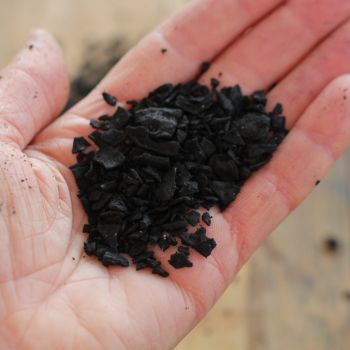 Article3 Ways to Use Biochar in Your Garden
 ArticleA Beginner's Guide to an Incredible, Edible Kitchen Garden
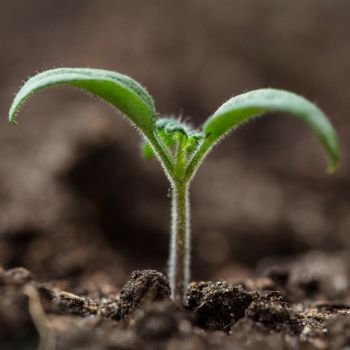 ArticleWhy Your Bitter Melon Seed Grew Into a Tomato!
 ArticleHow to Tell if a Watermelon is Ready to Harvest
 ArticleGrowing Lemongrass: A Zesty Addition to the Kitchen Garden
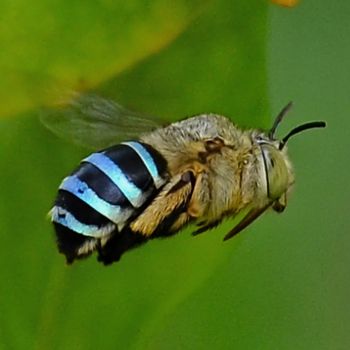 ArticleBuzz Pollination: The Secret Dance of Australian Native Bees
 ArticleFertiliser: Why, When and How to Use It
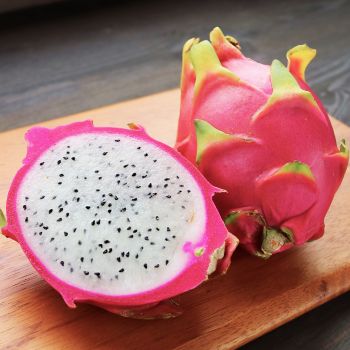 ArticleHow to Grow Dragon Fruit: From South America to Your Backyard
 ArticlePreparing Your Soil for Sowing and Planting
 ArticleThe Ketchup ‘n’ Fries Plant: Grafting Potatoes with Tomatoes
 ArticleSpacing Matters: Why Vegetable Plants Need to Keep Their Distance
 ArticleGrowing Dahlias from Seed
 ArticleSeed Saving Part 6: Drying and Storing Your Seeds
 ArticleReaching New Heights: How to Grow Zucchini Vertically
 ArticleUsing a Sharpening Stone to Keep a Cutting Edge
 ArticleSeed Saving Part 5: Collecting and Cleaning the Seeds
 ArticleSeed Saving Part 4: Selecting the Parent Plants
 ArticleHow to Set Up a Heated Propagation Kit
 ArticleSeed Saving Part 3: Protecting Seed Purity Through Isolation
 ArticleSeed Saving Part 2: The Botanical Basics